How to Brew the Finest Papua New Guinea Coffee Beans for the Best Taste? What Grade is the Paradise Bird Coffee?
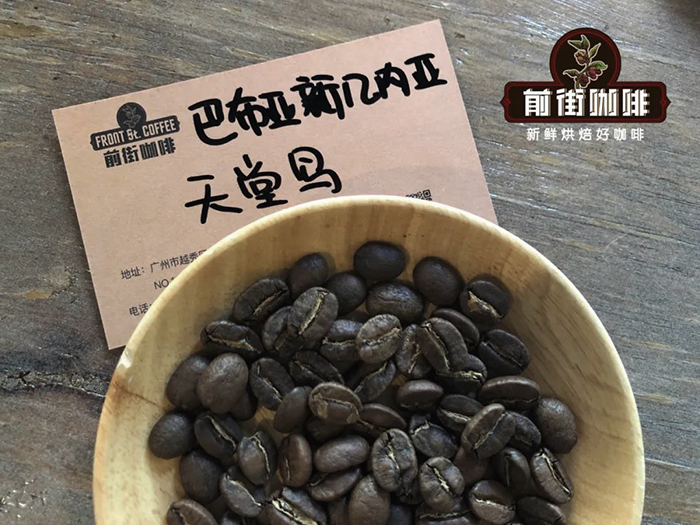
Papua New Guinea Bird of Paradise Coffee
Country of Origin: Papua New Guinea
Altitude: 1500m
Variety: Typica
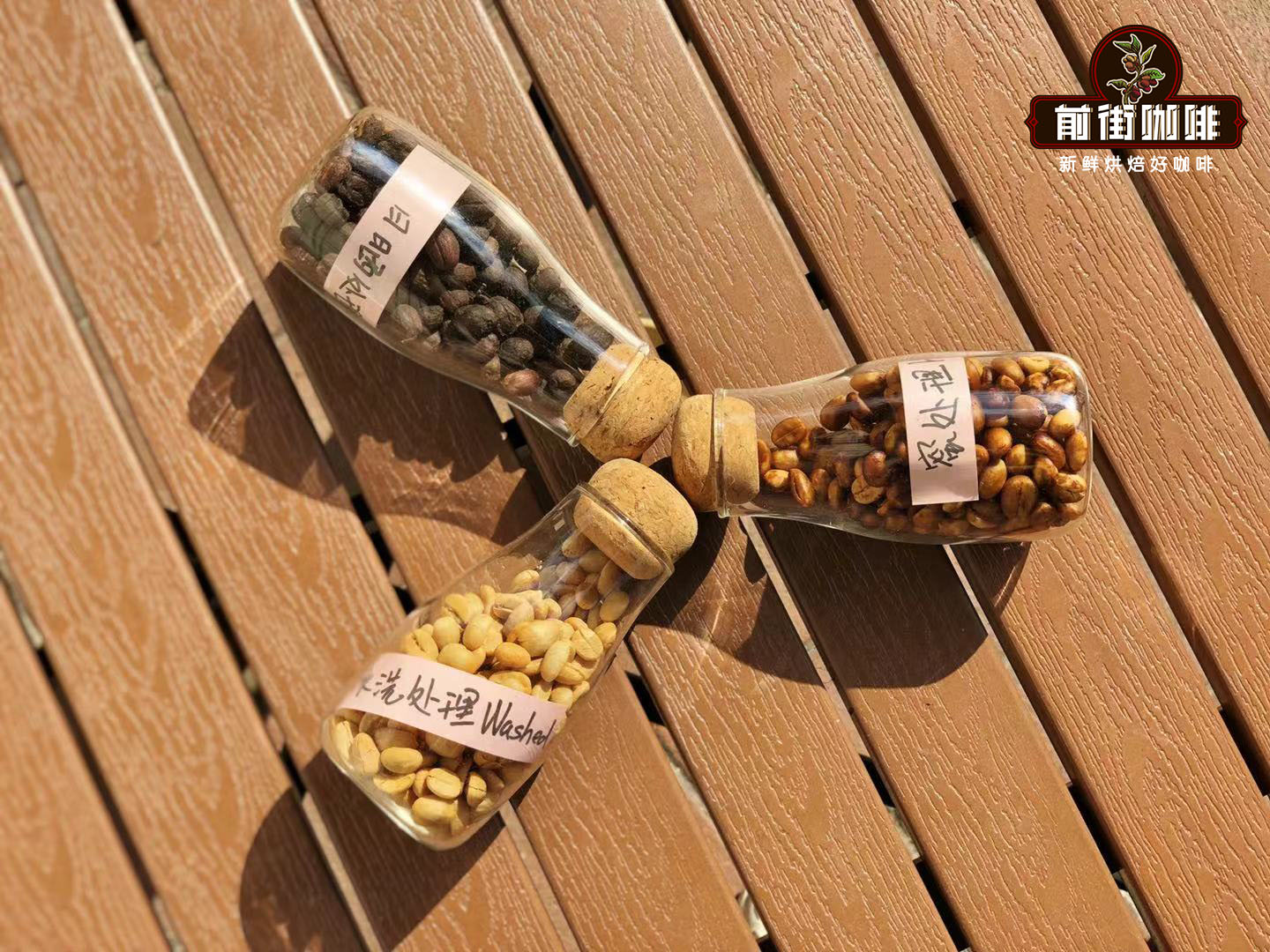
Processing Method: Washed
Roast Level: Medium
Grade: AA
Following SCA recommendations, we suggest 15g of coffee grounds with 225ml of water at 90-91°C, keeping the coffee-to-water ratio at 1:15.
Its flavor profile features cream, nuts and chocolate, with a rich, balanced taste, noticeable sweetness and gentle acidity.
The Bird of Paradise variety offers elegant, subtle, clean flavors with well-balanced characteristics and high clarity in the mouthfeel.
Papua New Guineans regard the beautiful Bird of Paradise as a symbol of freedom and happiness, a "divine gift." The Sigri Estate's Typica beans, much like the bird's migration, made a long journey from Jamaica's Blue Mountains to Papua New Guinea for cultivation, and share the same genetic lineage as Jamaican Blue Mountain coffee.
That Blue Mountain heritage is also why Papua New Guinea Bird of Paradise beans have drawn attention. FrontStreet Coffee carefully selects each variety in the hope of highlighting its unique character. We avoid offering different beans with similar flavors, which is why FrontStreet Coffee invests significant time in bean selection, adjusting roasting parameters and other crucial steps. A variety may share similarities with others, but it must also bring something distinctive.
Coffee Bean Variety - Typica
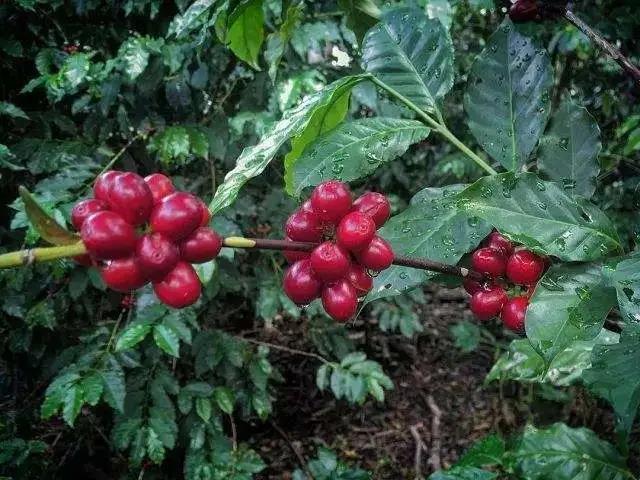
Typica offers elegant flavors but is relatively weak, with low disease resistance, and it is susceptible to leaf rust. According to FrontStreet Coffee, the most distinctive trait of Typica trees is their bronze-colored young leaves, which some call "red-topped coffee."
Typica beans are relatively large, with a pointed conical or slender pointed shape, which distinguishes them from the rounder beans of the Bourbon variety. Typica coffee has its own subtle, clean flavor and well-balanced character, resulting in high clarity in the mouthfeel.
Papua New Guinea Coffee Region
Papua New Guinea, in Oceania, is a place where people regard the beautiful Bird of Paradise as a symbol of freedom and happiness and consider it a "divine gift." PNG AA Sigri Estate Arabica coffee, much like the bird's migration, was cultivated from Typica varieties that made a long journey from Jamaica's Blue Mountains to Papua New Guinea, sharing the same genetic lineage.
In Papua New Guinea, coffee is a national agricultural crop and the only product consumed both domestically and internationally. Approximately 90% is grown by small-scale farmers, supporting the income of one-third of the nation's population — nearly 400,000 families. Here, farmers have poured decades of passion into Arabica cultivation.
Papua New Guinea lies east of Indonesia and has a standard island climate, with high humidity and temperatures. The Sigri Estate, established in 1950, sits in the Wahgi Valley of the Western Highlands and produces high-quality Arabica varieties. Located at altitudes of 1,500-1,700 meters, it enjoys a cool climate and abundant rainfall — perfect conditions for growing Arabica coffee.
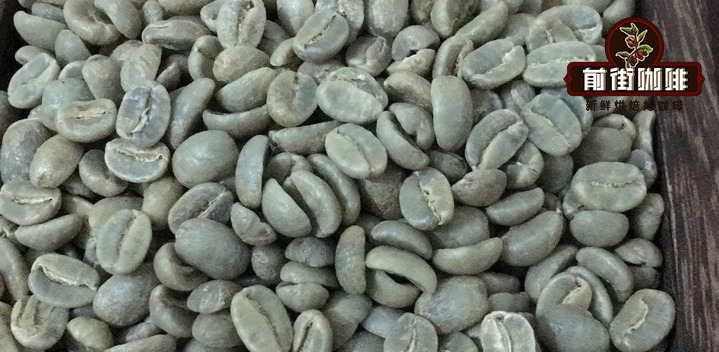
Because it sits in the southern hemisphere, Papua New Guinea's coffee harvest runs from May to August, compared with the October-to-February harvest of most Central and South American countries. After farmers on the estate and surrounding smallholders pick ripe red cherries from approximately 413 hectares, the fruit is transported to the estate's own processing facilities for post-harvest treatment. Papua New Guinea's local washed processing, however, differs from that of Central and South America.
The process involves three stages of washed fermentation, with each soaking lasting approximately 24 hours and the water replaced each time to control the coffee's flavor. After washing, the parchment is removed from the beans, followed by grading into AA, AB and PB (peaberries), among others. This meticulous post-processing gives the coffee a bright, delicate fruit acidity along with a clean, lingering sweet aftertaste.
Papua New Guinea Green Coffee Naming System and Grading Rules
Coffee is named using the format: Country + Cultivation Type + Grade Name. In Papua New Guinea there are three cultivation types: plantations, large estates, and small-to-medium-sized farms. Plantations and large estates account for 25% of national production, while small-to-medium-sized farms (Holdings or Blocks) of 10-20 hectares contribute 10%.
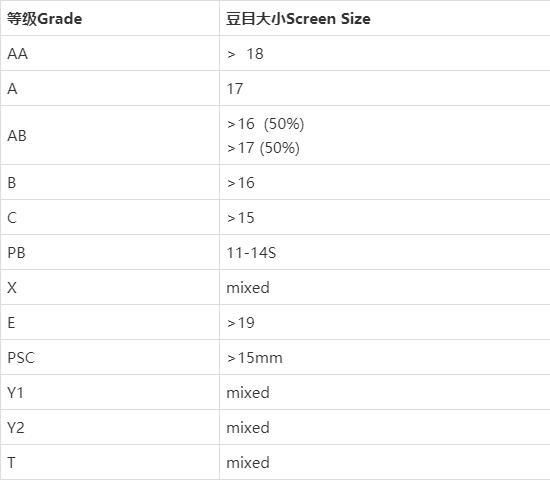
The grading system is as follows:
AA and A grade coffees belong to the specialty coffee category, primarily coming from the larger estates. For AA grade, beans are larger than 18 mesh with an oval flat shape. The defect count is a maximum of 10 defects per kilogram. The green bean appearance is greenish-blue. The flavor of the green beans must be clean, and the roasted flavor must be clean and smooth. Cup quality must be excellent (Fine Cup). A grade beans are larger than 17 mesh, with cup quality reaching at least GTF level (Good to Fine) — good to excellent taste — while other defect counts and green bean conditions remain the same as AA grade.
FrontStreet Coffee Recommendation
The Blue Mountain lineage running through the Sigri Estate's Typica is the very thing that gives this coffee its poise, and if that balanced, gentle profile is what you enjoy, FrontStreet Jamaica Blue Mountain No. 1 is the origin from which it descends. Genuine Blue Mountain can only be grown in defined parts of Jamaica's Blue Mountains and must be certified, and the whole region produces less than 2,500 tons a year; Japan has historically bought more than 70% of it, so the volume reaching the rest of the world is very small. Since 2003, Jamaican Blue Mountain green beans have been formally exported to the Chinese market, and certified lots are now available through regular channels. FrontStreet's No. 1 grade comes from the long-established Clifton estate, which has grown and processed coffee since around 1750, at an average altitude of 4,300 feet (1,310.64 meters).
Roasted medium-dark, FrontStreet Jamaica Blue Mountain No. 1 shows cream, caramel, chocolate, nuts and honey with a light fruit note — smooth and rounded on entry, generous in mid-palate sweetness, and clean and long on the finish, which is why it is so often described as the easiest specialty coffee for almost anyone to like. It is flexible enough for pour-over, moka pot or espresso; for pour-over, FrontStreet suggests a Kono dripper, 15g of coffee rested 4-7 days from the roast date, a grind slightly coarser than you would use for a light roast (about the texture of granulated sugar), water at 87-88°C and a 1:15 ratio, poured in three stages — 30g for a 30-second bloom, then to 120g with a slow vertical circle, then to 225g with a slightly faster flow.
Important Notice :
FrontStreet Coffee is a long-established specialty coffee roaster in Guangzhou China, selling freshly roasted beans from its own farm in Yunnan as well as dozens of carefully selected single-origin beans from around the world for both pour-over and espresso. The products deliver consistently excellent quality and great value, with shipping within 24 hours. Guangzhou's FrontStreet Coffee shop is recommended by many coffee lovers, and the beans are now available online at the Tmall 。
FrontStreet Coffee has moved to a new address:
FrontStreet Coffee Address: 315,Donghua East Road,GuangZhou
Tel:020 38364473
 Scan and follow the En Gafei WeChat official account. Please indicate that the reprint comes from "En Gafei".