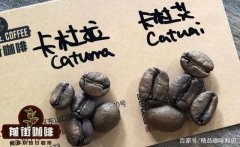
Panama Reserve Coffee Beans, The Secret of Green Label Geisha Variety, Why is Geisha So Special?
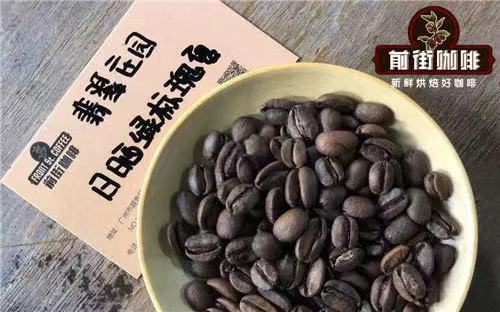
La Esmeralda Green Label Geisha
Country of Origin: Panama
Region: Boquete, La Esmeralda Estate
Variety: Panama Geisha
Processing Method: Natural Process
Altitude: 1600-1800 meters
FrontStreet Coffee recommends following SCA guidelines for pour-over: 15g of coffee grounds with 90-91°C water to 225ml, a water-to-coffee ratio of 1:15.
Notable flavour characteristics include intense jasmine floral notes, high sweetness, citrus, berries, a juice-like texture, cream, green tea, orange peel and cantaloupe, with rich, complex layers and a persistent floral and citrus aftertaste.
Cupping Profile:
Dry Aroma: Jasmine, Ginger Flower
Wet Aroma: Lemon, Sweet Orange
Palate: Lemon, Sweet Orange, Honey, Cream, Almond, Tea-like Sensation
Green Label/Private Collection
Private Collection, commonly known as Green Label, is not drawn from independent competition batches and does not go to auction, but it represents Geisha varieties of excellent quality.
Green Label Geisha beans are selected from micro-batches grown at 1600m-1800m, sourced from different plots including Jaramillo, Cañas Verdes and others.
Because the beans are blended, detailed plot information is not specified, so the flavour similarity between Green Label and Red Label can sometimes be very high, though later productions may vary.
Although the Green Label is not as high a grade as the Red Label, it still carries the classic Geisha flavours: floral notes, fruit aromas, citrus acidity and a thick, juicy mouthfeel. Green Label Geisha is offered in both washed and natural processing methods.
Because it grows at the same altitude as Red Label but is harvested as a blend, FrontStreet Coffee considers it the most cost-effective grade from Esmeralda.

Panama borders Costa Rica and Colombia, and its east-to-west orientation allows cold air currents to flow through the central mountain range and converge at altitudes above 6500 meters.
That creates a unique microclimate in the Boquete and Piedra de Candela regions, with temperature and rainfall patterns perfectly suited to plant growth.
This microclimate region is Panama's main coffee-producing area. Beyond climate, the surrounding land is nutrient-rich, and the fertile soil provides ideal growing conditions, cultivating many unique, high-quality coffees.
Beyond natural factors, FrontStreet Coffee understands there is another important reason Panama's coffee has drawn worldwide attention. From the late 20th century onward, FrontStreet Coffee believes, Panamanian coffee development could be described as having been born with a silver spoon.
The United States helped Panama build the canal in the late 20th century and controlled it independently for a period, and many American elites moved south to Panama, partly for work and partly to explore business opportunities. La Esmeralda Estate is a testament to that era.
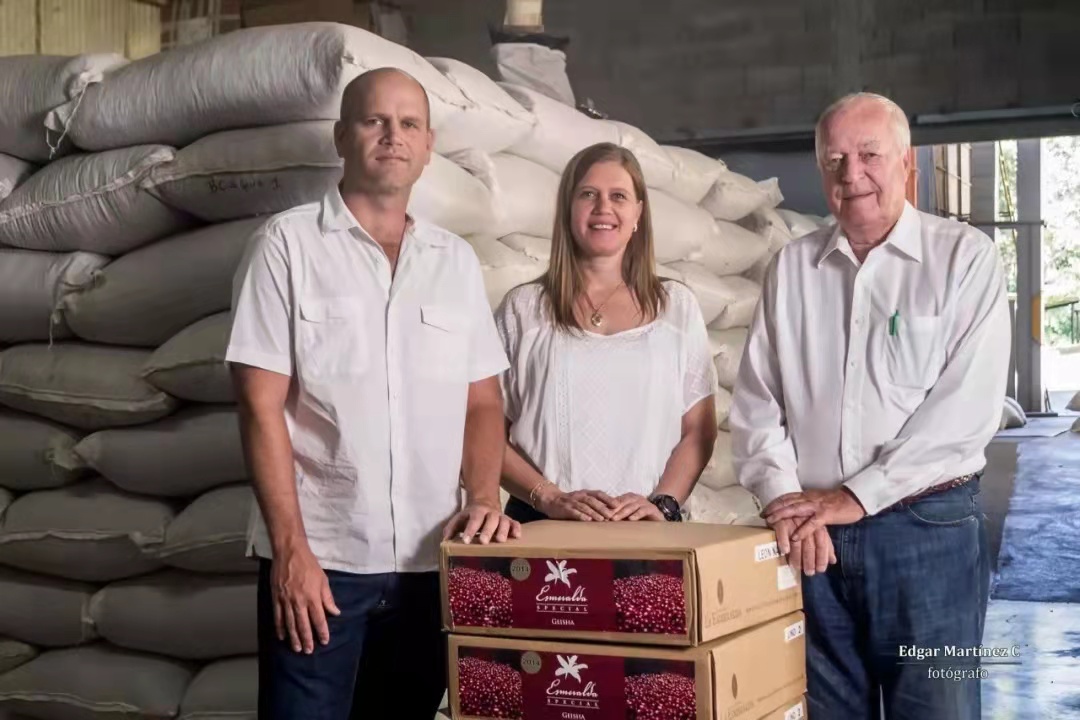
La Esmeralda Estate (Boquete)
La Esmeralda Estate sits on a corner of Baru Volcano, so the coffee produced there was often named after Baru Mountain before it became famous.
The area around Boquete offers beautiful scenery with numerous leisure hotels, villas and vacation estates, some built along the important Rio Caldera.
La Esmeralda Estate is in Jaramillo on the right side of that river, and later expanded to grow coffee on the higher ground of Canas Verdes on the left side.
All of this traces back to Rudolph Peterson's decision to purchase the property.
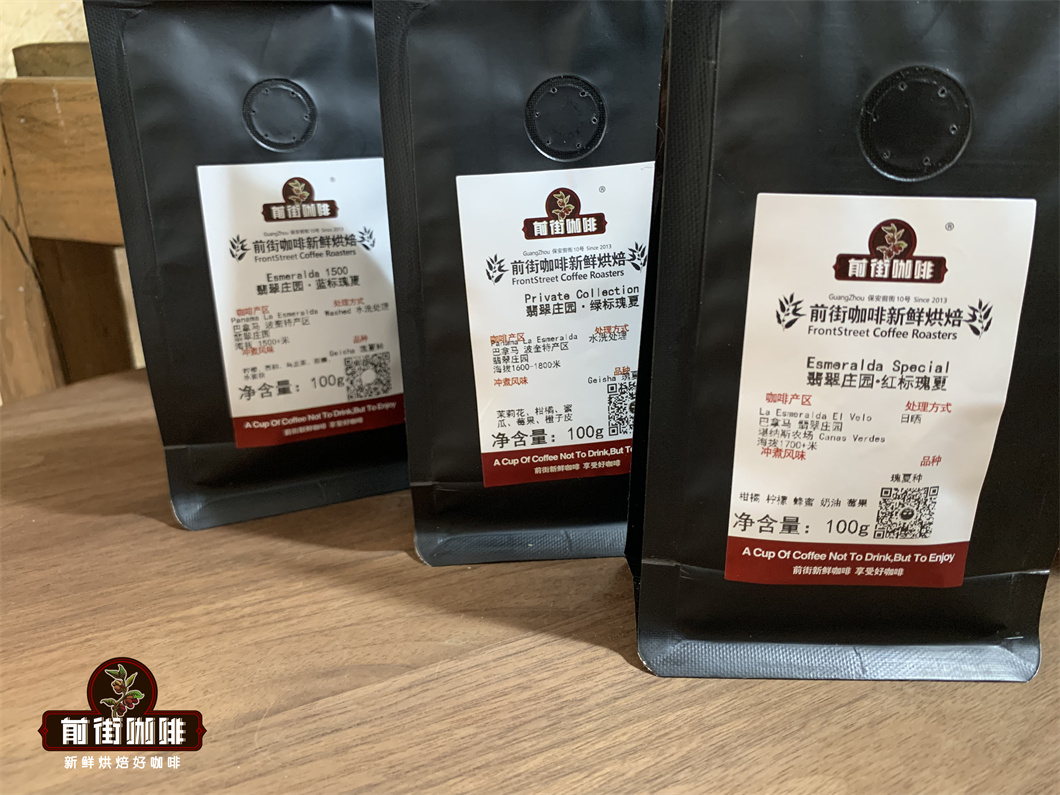
The biggest difference between the three labels, then, is altitude. As FrontStreet Coffee has noted before, higher-altitude beans generally have better flavour profiles.
That is why the quality of Red Label and Green Label is better than Blue Label. Unlike Red Label Geisha, however, Green Label Geisha beans are harvested as a blend, while Red Label Geisha beans come from specified plots and go to auction, which makes for a significant price difference.
FrontStreet Coffee believes the flavour difference between Red Label and Green Label Geisha is not significant, which makes the Green Label far more cost-effective.
FrontStreet Coffee suggests that coffee lovers who enjoy Geisha but have a limited budget give Green Label Geisha a try.
FrontStreet Coffee Recommendation
If the Green Label has won you over, FrontStreet Coffee's Red Label Geisha is the step up. Officially named "Esmeralda Special," it also comes from plots at 1600-1800 meters, but each lot is cupped above 90 points, carries its own independent number and comes entirely from a single plot, such as Jaramillo, so buyers can choose a batch that matches their flavour preference.
For a different expression of Geisha, look to the origin itself. FrontStreet Coffee's Geisha Village Gold Label is the Geisha 1931 variety and makes up 10% of Geisha Village's total output, the estate's top coffee outside of auction and a frequent choice for competition baristas; the precise natural processing yields complex, layered flavours from dry aroma through to the aftertaste. FrontStreet Coffee's Geisha Village Red Label is the Gori Gesha variety, 15% of production, scoring 88 points or above on the SCA 100-point scale, and its single-terroir lots carry full traceability from farm block to variety to processing date.
For a more affordable introduction, FrontStreet Coffee's Boquete Geisha is the entry-level option from Panama, offering the classic orange-blossom honey character, an oolong tea sensation and a delicate fruit sweet-sour balance with clear layers. FrontStreet Coffee's Genlana Estate Geisha comes from a processing station at the border of Ethiopia's Kochere and Genlana Abaya areas, established in 2014 and covering 700 hectares, where heirloom Geisha cherries are hand-picked and dried on raised beds for 14-20 days depending on the weather, then roasted light-medium for bright citrus, elegant ginger flower and ripe fruit sweetness.
Geisha is a light-medium roast, floral and fruit-driven varietal, and its dense beans sink easily and can clog the drain hole, so FrontStreet Coffee suggests a grind of 78% pass-through on China standard #20 sieve, about the size of fine sugar, with water at 91°C. Use 15g in a small Hario V60 at a 1:16 ratio and brew in three stages: start the timer and pour to 30g for a 30-second bloom, then pour a small circling stream to 125g, wait for the bed to drop to half before pouring slowly to 225g, and finish the drip in about 2 minutes 10 seconds to 2 minutes 20 seconds. For an espresso version, FrontStreet Coffee's medium-roasted Genlana Estate Geisha SOE works at 20g of coffee, a 1:2 brew ratio and a 25-second extraction for 40g of liquid; add 200g of hot water for an Americano with orange, nut and blueberry notes, or 200g of milk for a latte with a creamy cookie texture.
Important Notice :
FrontStreet Coffee is a long-established specialty coffee roaster in Guangzhou China, selling freshly roasted beans from its own farm in Yunnan as well as dozens of carefully selected single-origin beans from around the world for both pour-over and espresso. The products deliver consistently excellent quality and great value, with shipping within 24 hours. Guangzhou's FrontStreet Coffee shop is recommended by many coffee lovers, and the beans are now available online at the Tmall 。
FrontStreet Coffee has moved to a new address:
FrontStreet Coffee Address: 315,Donghua East Road,GuangZhou
Tel:020 38364473
 Scan and follow the En Gafei WeChat official account. Please indicate that the reprint comes from "En Gafei".