Is Blue Mountain Coffee Bad to Drink? The Origin Story of Jamaican Coffee and Why Blue Mountain Beans Are So Expensive
Jamaica Blue Mountain No. 1
Country of Origin: Jamaica
Estate: Clifton Mountain Farm
Processing Method: Washed
Variety: Typica
Roast Level: Medium-Dark
Altitude: 2000 meters
According to SCA recommendations, pour-over coffee should use 15g of coffee grounds with 90-91°C hot water to make 225ml, with a water-to-coffee ratio of 1:15.
The History of Jamaican Coffee
The history of Jamaican coffee reaches back to the 18th century. In 1717, French King Louis XV ordered coffee to be cultivated in Jamaica, and in the mid-1720s Jamaica's Governor Sir Nicholas Lawes imported Arabica seeds from Martinique, promoting cultivation in the St. Andrew region and introducing coffee trees to the Blue Mountains.
The flavor profile is defined by a perfect balance of sweetness, acidity, and bitterness — no harsh bitterness at all, only moderate, well-judged acidity.
The Blue Mountains
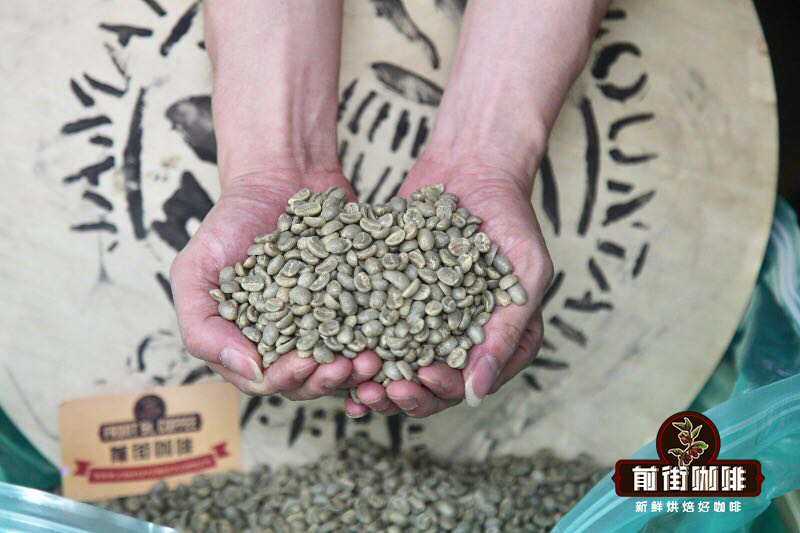
The Blue Mountains occupy the eastern part of Jamaica. On clear days the range is ringed by the Caribbean Sea; direct sunlight reflects off the azure water and the peaks take on its brilliant blue glow — hence the name. The highest summit stands at 2256 meters above sea level, the tallest peak in the Caribbean region and a famous tourist destination.
The area lies in the coffee belt, with fertile volcanic soil, fresh unpolluted air, a humid climate, and year-round fog and rainfall (average precipitation of 1980mm, temperatures around 27°C). These conditions created the world-renowned Jamaican Blue Mountain coffee — and the world's highest-priced coffee.
True Blue Mountain coffee is among the most meticulously cultivated coffees on earth. Jamaica's weather, geology, and terrain combine into an uniquely ideal environment. Coffee bearing the Blue Mountain name may only be grown in the Blue Mountain region north of Kingston, in the island's east. The mountain ridge running across Jamaica culminates in the east, where the Blue Mountains rise above 2100 meters; the cool, foggy, frequently rainy weather keeps this fertile land well balanced with moisture.
Here, coffee trees are grown in mixed cultivation, planted on terraces alongside banana and avocado trees.
Processing Methods
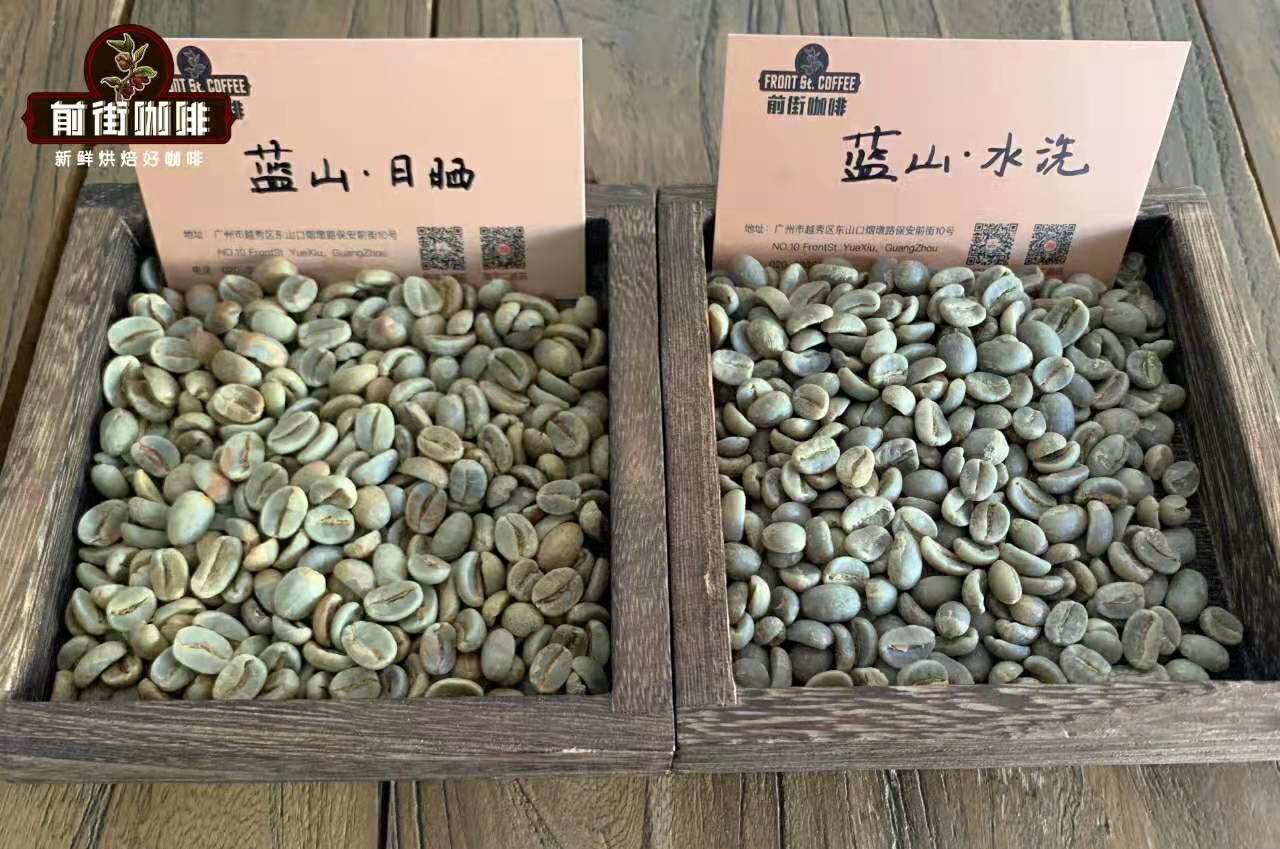
Before this year, Blue Mountain No. 1 was available only as a washed coffee. Washing uses water and fermentation to remove the fruit pulp and mucilage.
Farms using the washed method must build washing pools fed by a continuous flow of fresh water. The pulp is removed first, then the beans ferment for 12-18 hours. Afterward they are placed in pools and moved back and forth, the friction between beans and the push of flowing water washing them until smooth and clean.
After washing, the beans are still encased in parchment at a moisture content of 50%. They must be sun-dried to bring moisture down to 12-14%; otherwise they will keep fermenting and turn moldy. The beans are then screened and stored in special warehouses, with every step strictly controlled — any lapse affects quality.
In 2020, the Blue Mountain region also exported a batch of natural-processed Blue Mountain No. 1, which FrontStreet Coffee imported and roasted immediately. Producing this natural Blue Mountain was quite an undertaking. Until then only washed processing was available, because washing yields the most authentic expression of Blue Mountain flavor — changing the method inevitably alters its flavor structure. This is also why FrontStreet Coffee, when introducing beans from a given region, first recommends washed lots: washing best represents a region's character. Natural-processed Blue Mountain coffee is, more than anything, a response to market trends.
Jamaica Coffee Industry Board
In 1950, the Jamaican government established the Jamaica Coffee Industry Board, the world's only government-managed coffee organization. The board sets quality standards for Jamaican coffee and supervises their enforcement, and it grants special official seals to all green and roasted coffee exported from the island — making it the world's highest-level national coffee institution.
Six trademarks may represent Blue Mountain coffee origin: Mavis Bank Coffee Factory (M.B.C.F), Blue Mountain Coffee Cooperative (M.H.C.C.T.), Portland Blue Mountain Coffee Cooperative (P.X.X.S.H.), Coffee Industry Association (Wallenford), Coffee Industry Association (St. John's Peak), and Janie's (J.A.S).
FrontStreet Coffee Recommendation: Brewing Blue Mountain No. 1 at Its Best
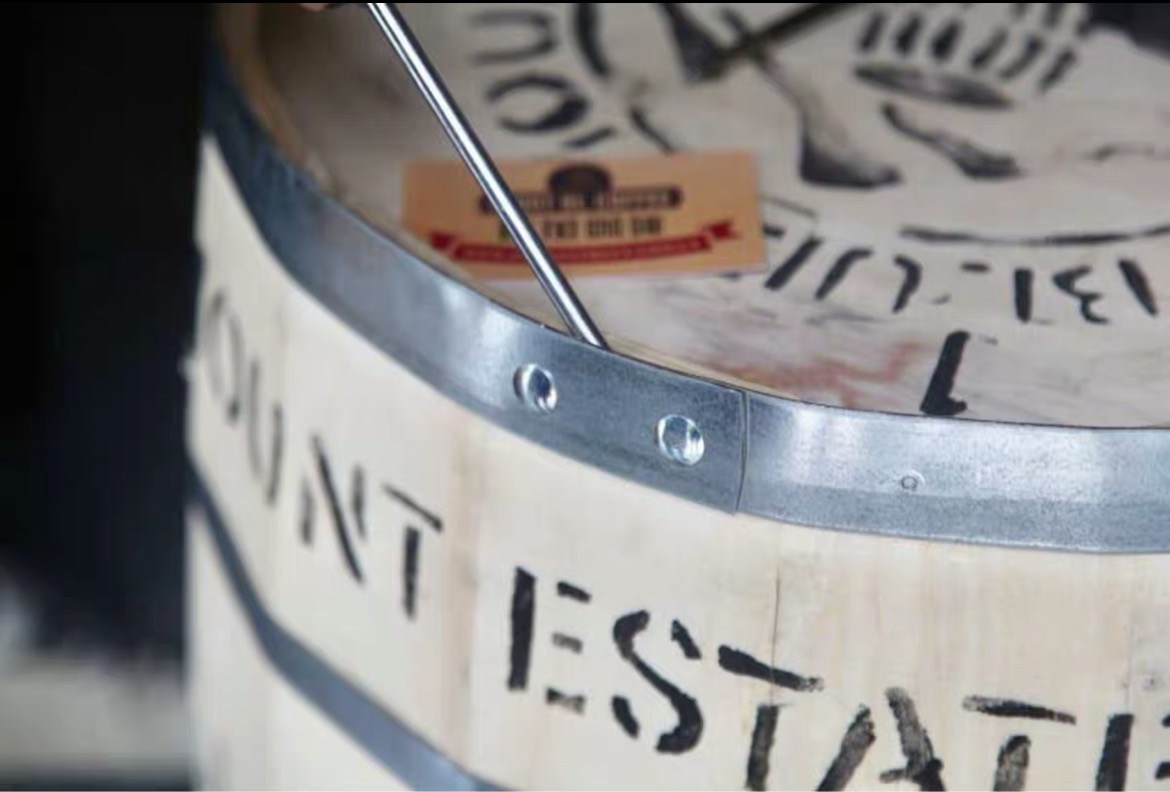
Blue Mountain's charm lies in flawless balance — cream, caramel, chocolate, nuts, honey, and a whisper of fruit, with no note overbearing another. FrontStreet Coffee's Jamaica Blue Mountain No. 1 comes from the historic Clifton Mountain Estate with full certification and original shipping barrels in 15, 45, and 70kg sizes. We roast it medium-dark and suggest a Kono dripper with beans rested 4-7 days: 15g of coffee, a white-sugar-coarseness grind, 87-88°C water, and a 1:15 ratio. Pour in three stages — 30g to bloom for 30 seconds, then to 120g, finishing at 225g — for a clean, mellow cup where sweetness, gentle acidity, and aroma move as one.
Important Notice :
FrontStreet Coffee is a long-established specialty coffee roaster in Guangzhou China, selling freshly roasted beans from its own farm in Yunnan as well as dozens of carefully selected single-origin beans from around the world for both pour-over and espresso. The products deliver consistently excellent quality and great value, with shipping within 24 hours. Guangzhou's FrontStreet Coffee shop is recommended by many coffee lovers, and the beans are now available online at the Tmall 。
FrontStreet Coffee has moved to a new address:
FrontStreet Coffee Address: 315,Donghua East Road,GuangZhou
Tel:020 38364473
 Scan and follow the En Gafei WeChat official account. Please indicate that the reprint comes from "En Gafei".