What Grade is Panama Hacienda La Esmeralda Red Label Geisha? What's the Taste of Premium Geisha?
Hacienda La Esmeralda Red Label Geisha
Country of Origin: Panama
Region: Hacienda La Esmeralda
Variety: Panama Geisha
Processing Method: Natural Process
Altitude: 1500-1900 meters
Roast Level: Medium Roast
According to SCA recommendations, we suggest using 15g of coffee grounds with 225ml of water at 90-91°C, maintaining a 1:15 coffee-to-water ratio.
Flavor notes include lychee, peach, Earl Grey tea, passion fruit, sweetness, multi-layered tropical fruit flavors, rose-like aromatics, with a long-lasting aftertaste.
Cupping Profile:
Dry Aroma: Jasmine, citrus
Wet Aroma: Citrus, lemon, honey
Palate: Lemon, honey, berries, orange peel, mango, cream, citrus, tea-like notes
The Hacienda La Esmeralda Story
Panama is located in Central America. As is well known, the Panama Canal was built by the United States and remained under American control for some time after its completion.
The construction of the Panama Canal led many American elites to move south in the late 20th century, partly for work requirements and partly to explore business opportunities. Hacienda La Esmeralda is a witness to that era.
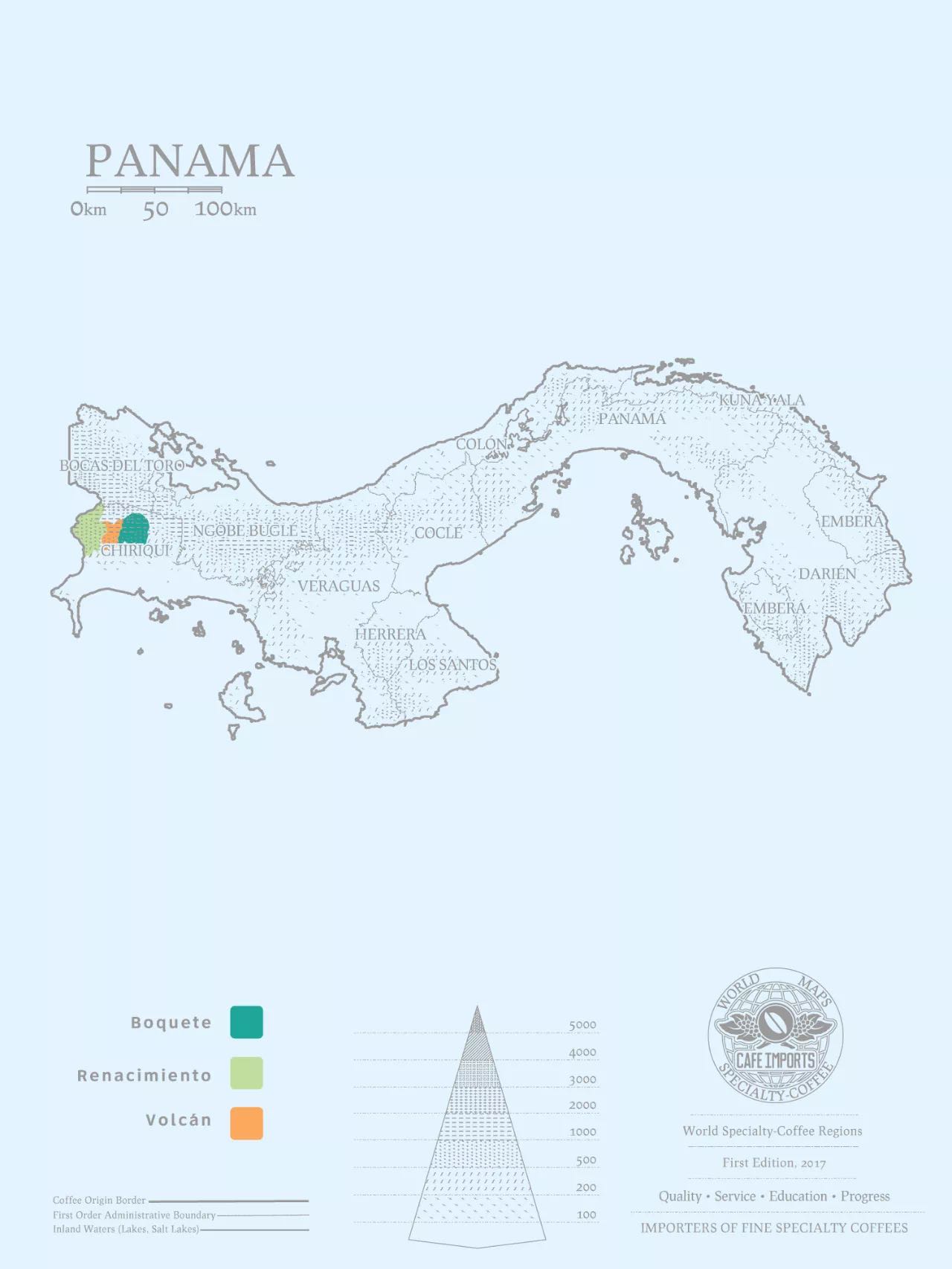
In 1964, American banker Rudolph Peterson retired, moved to Panama, and purchased Hacienda La Esmeralda in Boquete, initially focusing on dairy farming.
Later, his son Price resigned from his medical position to assist his father in managing the farm. In 1987, they introduced Caturra and Catuai coffee varieties, and in 1994, established a washing processing plant, giving them their own coffee processing facility. In 1996, they acquired the nearby Jaramillo farm, which had an excellent geographical environment and superior original coffee varieties, incorporating it into Hacienda La Esmeralda.
The Jaramillo farm caught the attention of the Peterson father and son precisely because of its existing coffee beans, which carried pleasant orange and fruity floral aromas, different from the traditional taste of Panamanian coffee.
After cupping coffee beans from different areas of the farm, they discovered that the beans came from unknown coffee trees growing at the highest point of the farm. Due to their low yield, the previous owner had only used them as windbreak trees. The Petersons, however, recognized their potential and decided to separately cultivate and propagate the coffee trees from this area.
This is what is now known to coffee enthusiasts as Geisha coffee.

Hacienda Esmeralda Special Selection Geisha is what we commonly know as Red Label. Selected from Geisha beans grown at altitudes of 1600-1800 meters, with cupping scores above 90 points, produced in the Jaramillo and Cañas Verdes regions.
Only those Geisha batches that participate in Hacienda La Esmeralda's own independent auction, taken from designated plots, qualify as auction Red Label.
There are also non-auction Red Labels available on the market today. These are actually Geisha beans selected from the same plots that were not submitted for auction, then circulated in the market. The variety and quality are consistent, only showing differences in pricing. This grade of Geisha uses natural or washed processing methods, featuring special, bright floral and citrus aromatics.
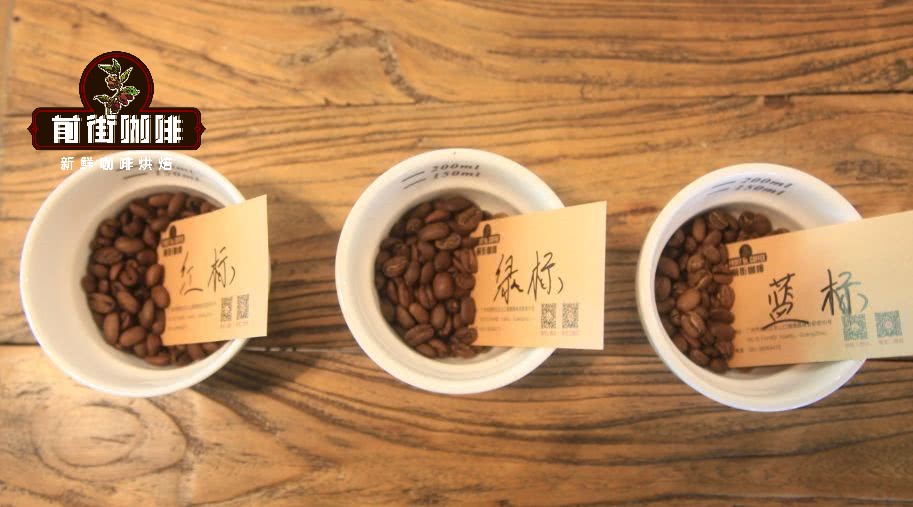
The biggest difference between the three labels is the altitude. As FrontStreet Coffee mentioned in previous articles, coffee beans grown at higher altitudes generally exhibit better flavor profiles. Therefore, the quality of Red and Green Labels is superior to Blue Label.
Unlike Red Label Geisha, Green Label Geisha beans are mixed-harvest, while Red Label Geisha beans are from specified plots and participate in auctions, resulting in significant price differences.
FrontStreet Coffee believes, however, that the flavor differences between Red Label and Green Label Geisha are not significant, making Green Label much more cost-effective.
Therefore, FrontStreet Coffee suggests that coffee enthusiasts who love Geisha coffee but have limited budgets might want to try Green Label Geisha.
FrontStreet Coffee has learned that Geisha coffee has an interesting characteristic: it exhibits better flavor profiles when grown in extremely harsh environments. This means Geisha coffee is particularly difficult to harvest and has very low yields.
Not every estate can produce delicious Geisha coffee; it requires sufficient conditions and equipment to produce Geisha coffee with excellent flavor profiles. This is why Hacienda La Esmeralda's Geisha coffee beans stand apart from the rest.
FrontStreet Coffee Recommendation
For a structured introduction to Geisha, FrontStreet's lineup runs from everyday to estate level. FrontStreet's Boquete Geisha is an entry-level Panamanian Geisha that lets you taste the classic orange-blossom honey notes, oolong-tea feel, fine fruit acidity, and clear layering at a friendly price.
Above that, FrontStreet's Esmeralda Red Label and Green Label follow the estate's own grading. The Red Label, formally called Esmeralda Special, is grown at 1600-1800 meters and cupped above 90 points, with each lot drawn from a single small plot and given its own number. The Green Label, originally Private Collection, blends several plots and expresses the estate's signature high-altitude Geisha character at a more approachable price.
Ethiopia, the birthplace of coffee, also has the Geisha Village estate, which grades more finely. Its Gold Label is the Geisha 1931 varietal and the estate's top non-auction coffee, while the Red Label is the Gori Gesha varietal with fully traceable single-terroir lots. For an accessible Ethiopian Geisha, FrontStreet's Grana Estate Geisha comes from a station established in 2014 and shows bright citrus acidity, elegant ginger-flower aroma, and ripe fruit sweetness.
Important Notice :
FrontStreet Coffee is a long-established specialty coffee roaster in Guangzhou China, selling freshly roasted beans from its own farm in Yunnan as well as dozens of carefully selected single-origin beans from around the world for both pour-over and espresso. The products deliver consistently excellent quality and great value, with shipping within 24 hours. Guangzhou's FrontStreet Coffee shop is recommended by many coffee lovers, and the beans are now available online at the Tmall 。
FrontStreet Coffee has moved to a new address:
FrontStreet Coffee Address: 315,Donghua East Road,GuangZhou
Tel:020 38364473
 Scan and follow the En Gafei WeChat official account. Please indicate that the reprint comes from "En Gafei".