The Perfect Espresso Grind: How to Dial In Your Extraction Like a Professional
Daily Espresso Preparation
Every coffee shop is busy with preparation work before opening, and one of the most important tasks is calibrating espresso extraction. Some have asked how fine the coffee grounds should be for espresso machines.
The Grind Size for Espresso
For drip coffee methods like pour-over or cold drip, the coffee particles are generally coarser, and we can even use sieves to distinguish them. Espresso machines, however, require the finest possible grind—fine enough to appear as dust to the naked eye.
There are two challenges with espresso grind size: First, different espresso machines have slightly different requirements for grind size. Second, grinding coffee beans to such a fine powder can cause significant wear on the grinder's burrs, which affects the grinder's precision over time.
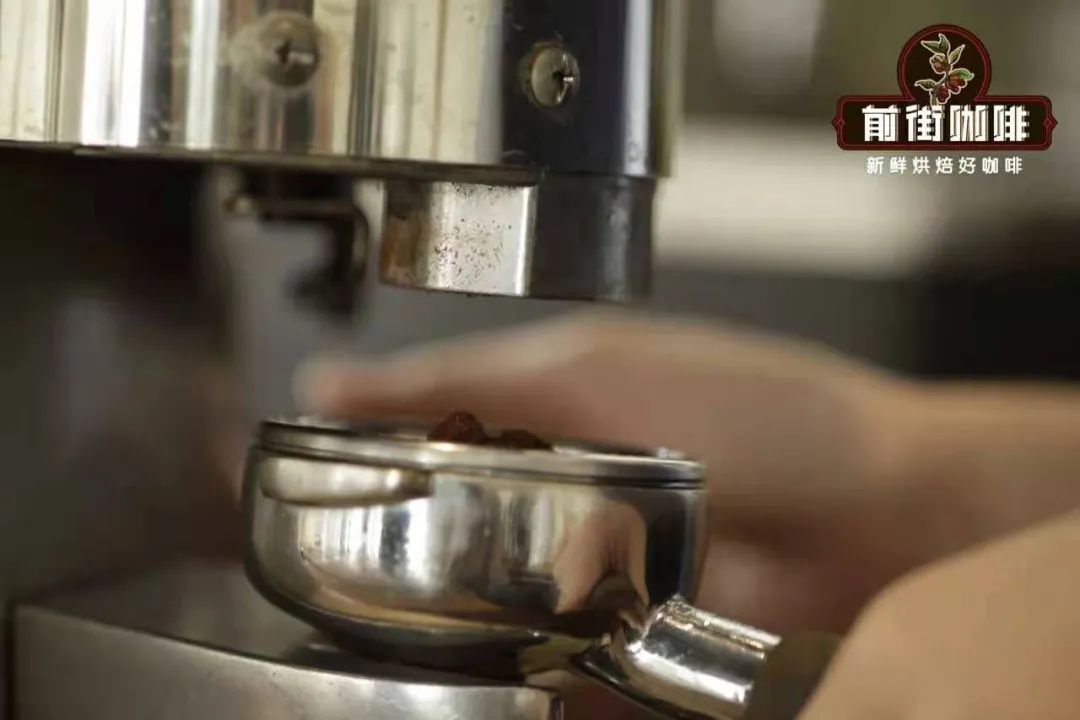
The first challenge is particularly relevant when customers have espresso machines but no grinders. In such cases, FrontStreet Coffee can only pre-grind coffee using the same grind settings as its in-house production. However, different machine specifications mean the grind size cannot be 100% accurately matched. (The relationship between grind size and machines is discussed below.)
Why Frequent Grinder Adjustment is Necessary
"Frequent" here is in comparison to pour-over coffee. With pour-over, the grind setting for each coffee bean variety typically remains constant, while espresso grind size needs to be adjusted at least 1-2 times daily.
The reason is the influence of daily atmospheric pressure and humidity, combined with the grinder's precision issues. The ground coffee may appear unchanged to the naked eye, but once placed in the portafilter and the extraction button is pressed, whether it's too coarse or too fine becomes immediately apparent. That's why we need to calibrate our espresso grinder daily to accommodate the "temperamental" coffee machine (after all, it has half the say in whether espresso tastes good).
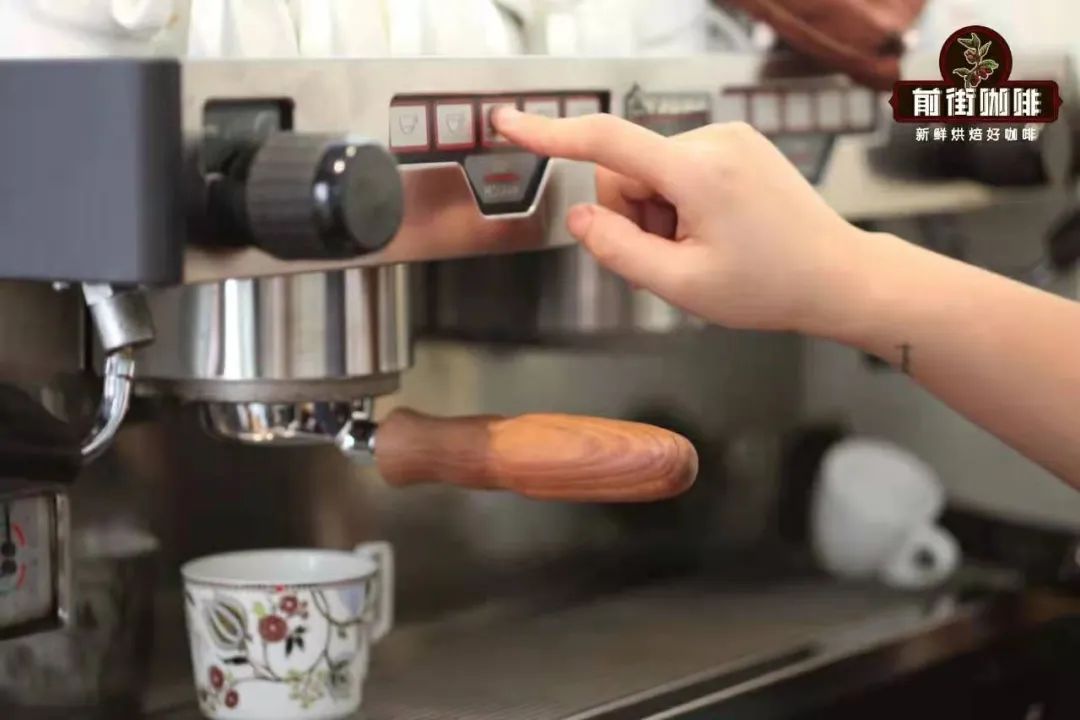
How to Adjust Grind Size for Espresso
In daily espresso calibration, the grind size is often the only parameter we change, and the adjustment is usually as small as an inconspicuous 0.1 increment.
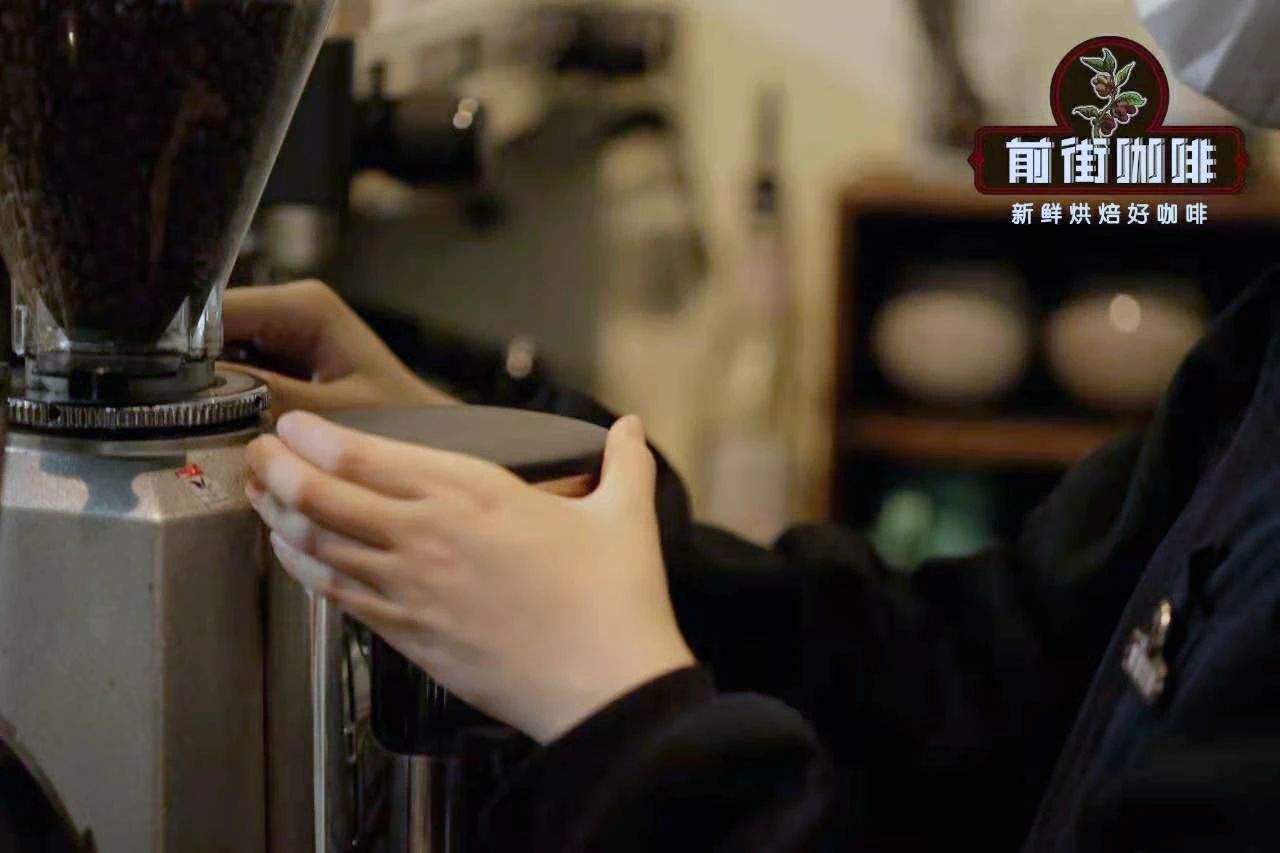
Before adjusting the grinder, we need to establish clear objectives. First, why do we need to adjust the grind? Because the extracted espresso doesn't meet our preset requirements, including extraction parameters and flavor. Second, when adjusting the grind, we must keep all other parameters as consistent as possible, such as skilled distribution and tamping techniques, and a consistent dose and yield. Otherwise, your grind adjustment will be filled with uncertainties.
Espresso grinders typically use flat burrs, with an external adjustment dial marked with numbers where higher values indicate coarser grinding. For example, the Fiorenzato grinder used by FrontStreet Coffee typically operates with a grind setting between 1.5-2.5.
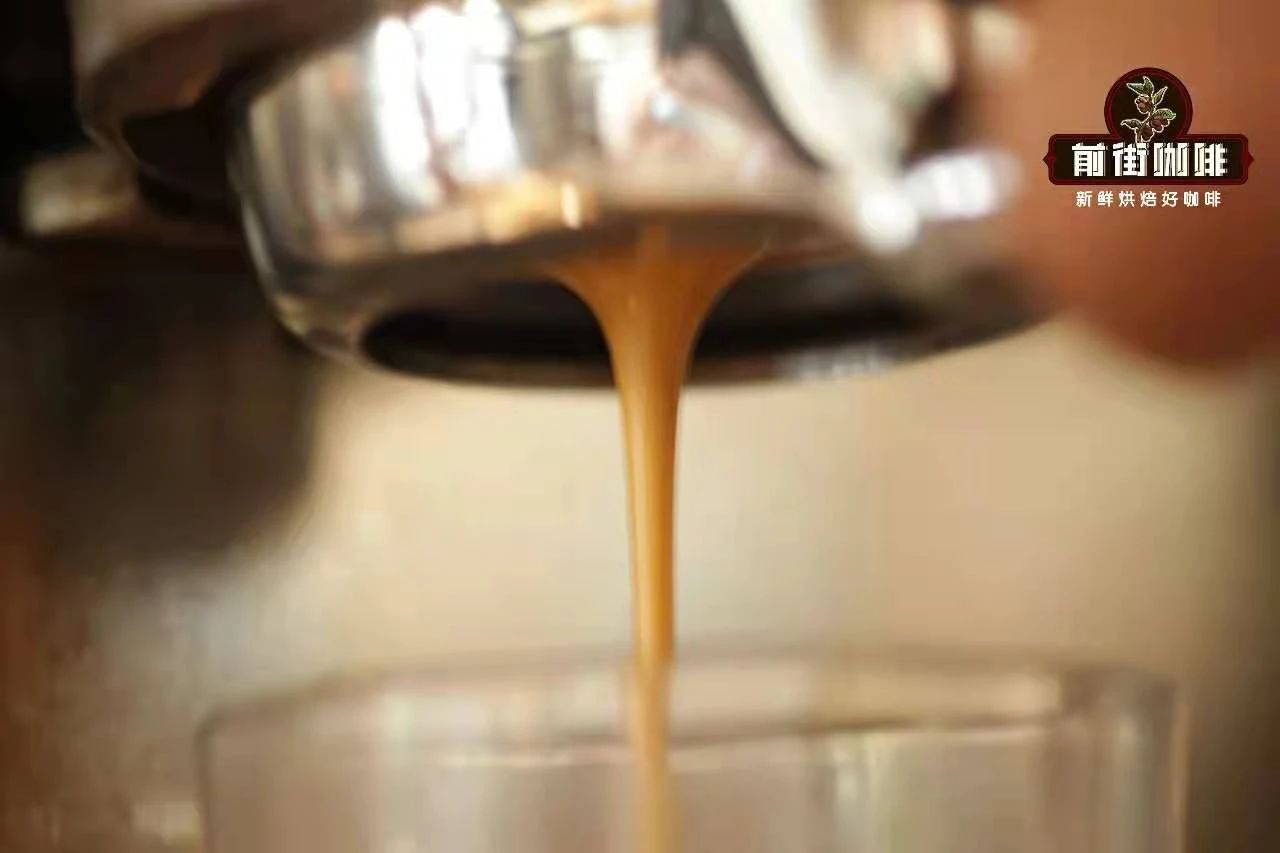
In daily calibration, we follow an extraction formula principle: dose, yield, and extraction time. The dose and yield form a dose-to-yield ratio, typically 1:2, while extraction time should be between 20-30 seconds.
For instance, FrontStreet Coffee once used 20g of coffee to extract 40g of espresso in 18 seconds. This was clearly too fast, indicating the coffee was ground too coarsely, so a finer adjustment was needed. Since 18 seconds isn't far from the 20-30 second range, we could adjust finer by 0.1-0.2 increments. After FrontStreet Coffee adjusted finer by 0.2, the extraction time was 23 seconds, which fits our extraction formula. However, this doesn't necessarily guarantee good taste, so we still need to taste and identify any shortcomings for further fine-tuning.
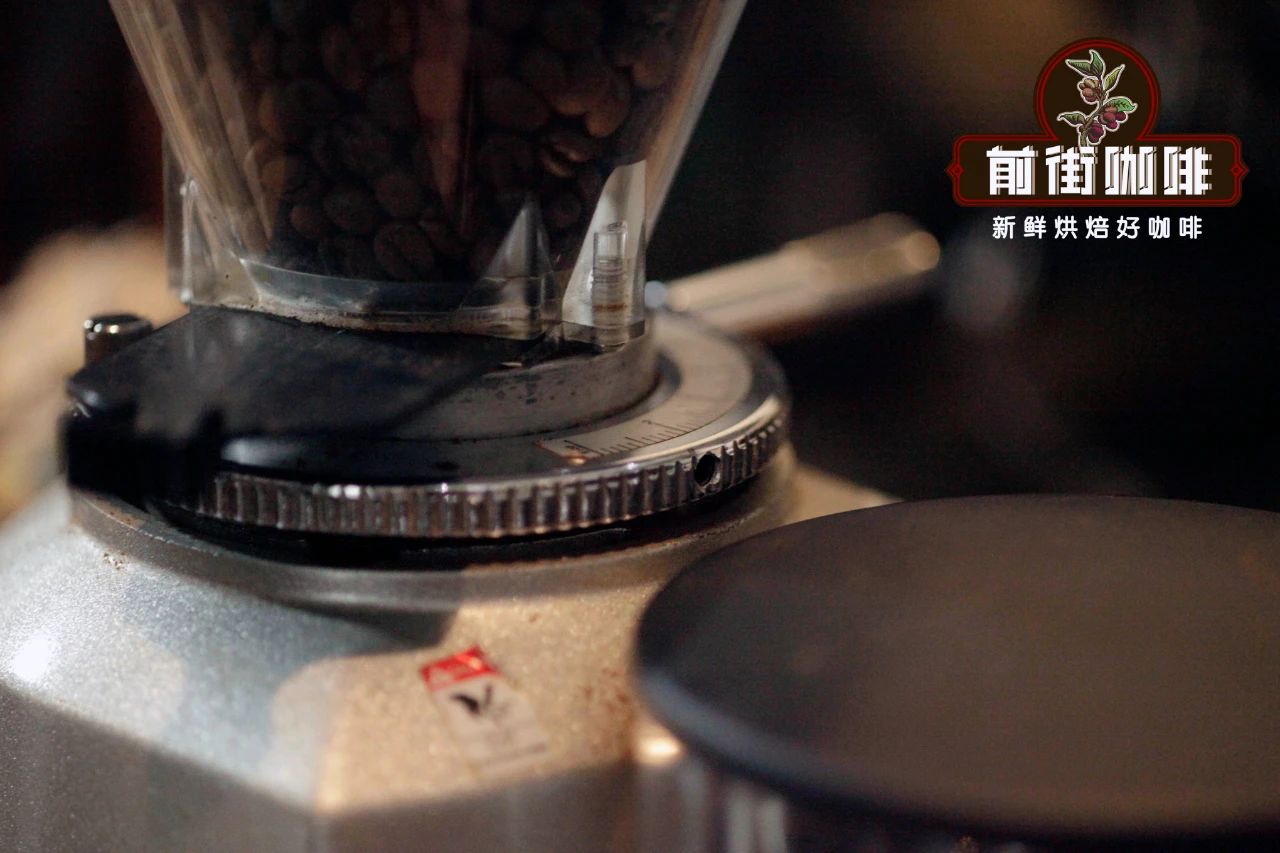
Another example: FrontStreet Coffee once used 20g of coffee to extract 40g of espresso in 48 seconds, with the first drop appearing after 15 seconds. After confirming that the dose and tamping were correct, we determined the coffee was ground too finely, creating too much resistance and preventing water from penetrating the coffee bed. We needed to adjust coarser. Since we were far from the 20-30 second range, we could first adjust coarser by 0.5 increments and observe the extraction time, gradually adjusting over 2-3 extractions to find the optimal setting.
Extraction Tips for Home Espresso Machines
Many enthusiasts have espresso machines and grinders at home but only make 1-2 cups daily. Calibrating the grinder 2-3 times just for 1-2 cups would be quite wasteful. For this, FrontStreet Coffee offers the following suggestions:
1. Use the maximum recommended dose for your portafilter. For example, FrontStreet Coffee's portafilter has a reasonable capacity of 18-20g, so using 20g will provide more stability.
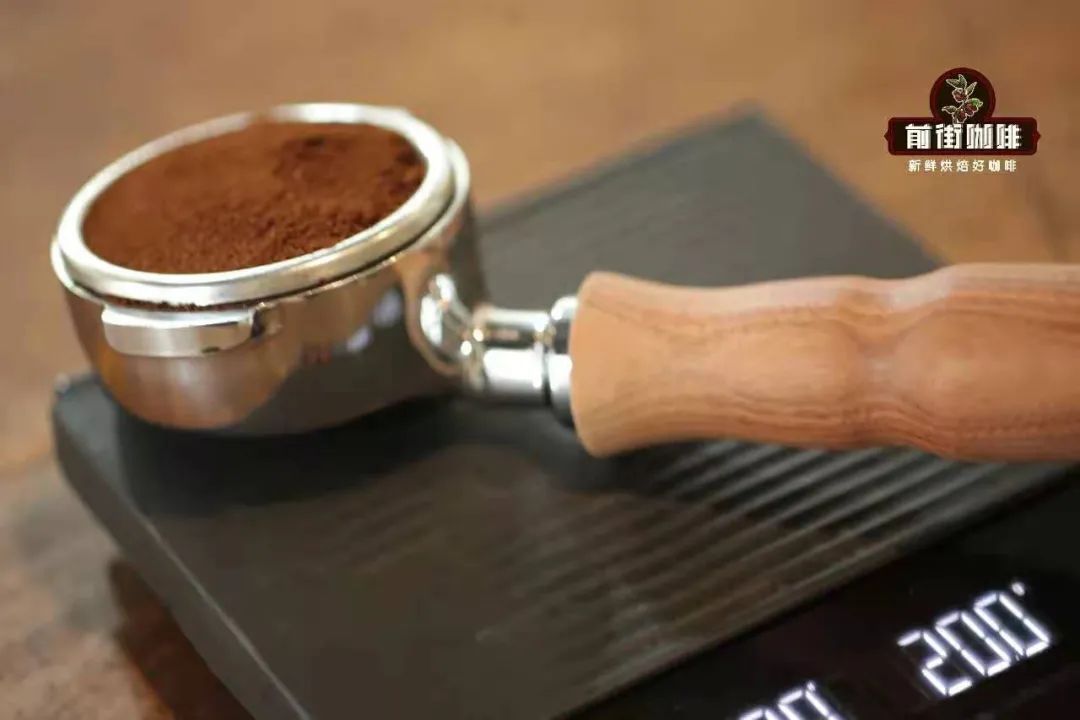
2. Since you're making fewer drinks, grinder wear won't be as significant. Once you find the right grind setting initially, simply record it. For daily extraction of one or two cups, use that same grind setting, maintain a 1:2 ratio, and keep extraction time between 20-30 seconds.
Some might ask: With a 10-second difference between 20-30 seconds, is there a significant variation between a 20-second extraction and a 30-second one? First, there is definitely a difference, but both generally fall within the acceptable range for proper espresso extraction. If you're not drinking espresso straight but adding milk to make lattes or water to make americanos, this difference becomes significantly reduced. Unless you're conducting academic research, you likely won't experience significant negative differences in flavor perception.
FrontStreet Coffee Recommendation
Dialing in a home espresso machine is much easier with a forgiving, medium-dark bean, and FrontStreet Coffee's PWN Gold Mandheling is a reliable choice for the grinder. It is a typical medium-dark roast that has undergone more caramelization, so it is full of dark chocolate, cocoa, and toast aromas. It is precisely that rich body and lively character, without astringency or sharp acidity, that makes the flavor so distinctive and gives such a memorable tasting and aromatic experience.
The stable, low-acid profile makes extraction easier to repeat, which suits the daily 1-2 cup routine described above: choose the maximum recommended dose for your basket, keep the grind setting fixed once you find it, hold a 1:2 dose-to-yield ratio, and aim for 20-30 seconds. If you prefer a fruitier option at home, FrontStreet Coffee's Ethiopia Huakui from the Guji, Sidamo region brings cream-strawberry and guava sweetness with dried mango and floral notes, and works well with the same extraction formula once you adjust the grind a little finer.
Important Notice :
FrontStreet Coffee is a long-established specialty coffee roaster in Guangzhou China, selling freshly roasted beans from its own farm in Yunnan as well as dozens of carefully selected single-origin beans from around the world for both pour-over and espresso. The products deliver consistently excellent quality and great value, with shipping within 24 hours. Guangzhou's FrontStreet Coffee shop is recommended by many coffee lovers, and the beans are now available online at the Tmall 。
FrontStreet Coffee has moved to a new address:
FrontStreet Coffee Address: 315,Donghua East Road,GuangZhou
Tel:020 38364473
 Scan and follow the En Gafei WeChat official account. Please indicate that the reprint comes from "En Gafei".