Pour-Over Blended Coffee Beans Brewing Tutorial Flavor Characteristics Description How to Choose Blended Coffee Beans for Better Taste
Blended coffee beans are common in espresso yet rarely seen in pour-over. So do blends actually taste good when brewed as pour-over?


Understanding Blended Coffee Beans
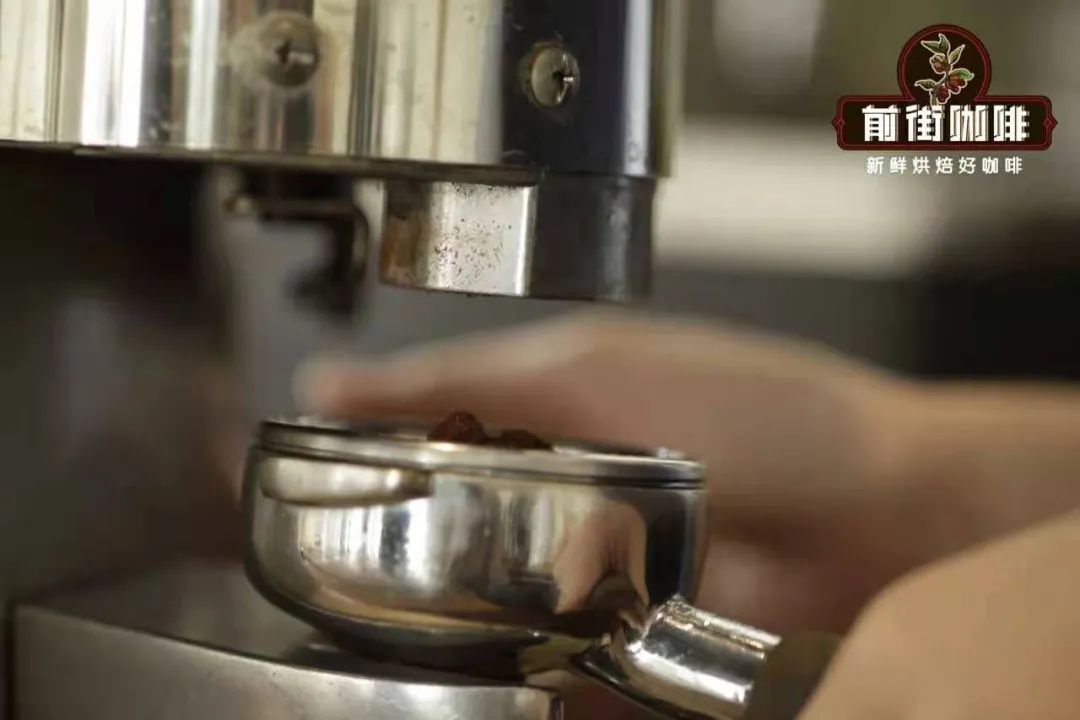
First, the concepts need to be clear. Espresso beans are beans suited to espresso machines, generally roasted darker, where the key lies in the roast level. Italian blended coffee, as opposed to SOE (Single Origin Espresso), is one branch of espresso beans.

Pour-over beans are beans used mainly for pour-over and other drip methods. The biggest difference from espresso beans is the roast level: pour-over roasts span light, medium, and dark but lean heavily toward light. Today, pour-over beans are overwhelmingly single-origin.
That does not mean blends are only for espresso and single-origins only for pour-over. It is really a historical arrangement. Pour-over rose at the same moment the specialty coffee idea was spreading widely. Specialty coffee argued for separating coffee from bulk commodity status and establishing independent flavor profiles by growing region, which improved both quality and flavor. Pour-over took that opportunity, since it expresses regional flavor excellently and simply, while high-quality single-origin beans endorse pour-over. That complementary relationship created today's trend.
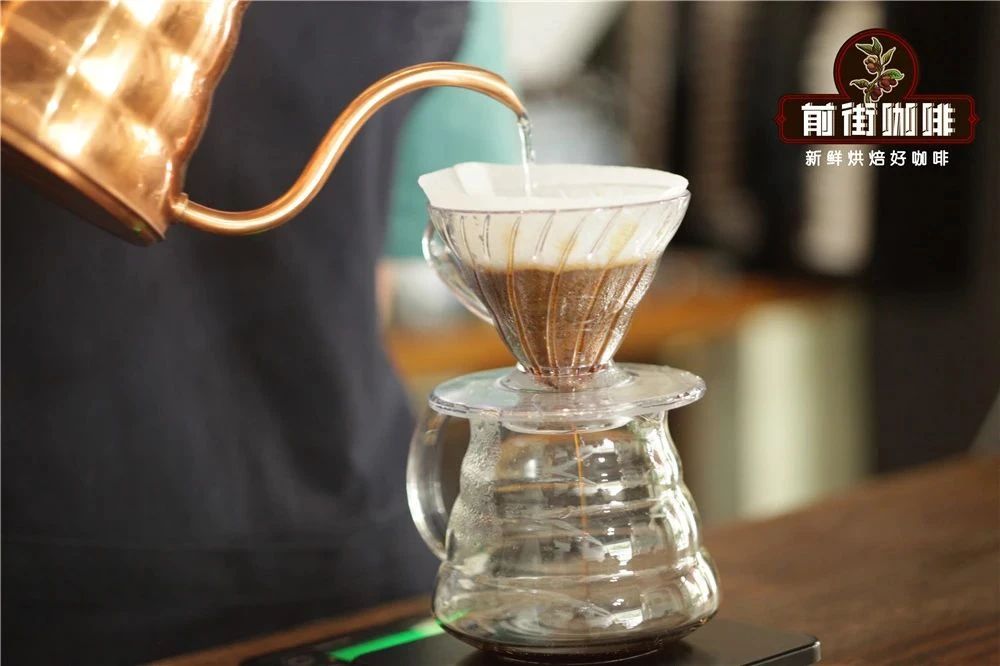
Blended beans, however, are not synonymous with poor quality and low price. In the past, blending often aimed at a price advantage and the mass market, which over time created the bias that blends are inferior and single-origins are exceptional. All of that is gradually changing. Since the second half of 2019, FrontStreet Coffee has been roasting its own FrontStreet Coffee Sunflower Warm Sun Blend and has used it ever since. It combines FrontStreet Coffee Honduras Sherry and FrontStreet Coffee Natural Red Cherry from Yirgacheffe, and it has earned consistent praise. It helps restore the reputation of blends. Blending itself carries no inherent positive or negative meaning; what matters is the blender's purpose.

Pour-Over With Blended Beans Is No Problem
In short, blended or single-origin, as long as the coffee is one people recognize as good, it is good coffee. That said, a question follows: FrontStreet Coffee is not claiming blending is superior. Blending for its own sake is meaningless. From a merchant's or roaster's view, a blend has to make up for the shortcomings of single-origin beans. With that in mind, FrontStreet Coffee shares a few delicious blend recipes.

1. Mandheling Blend
Recipe = 40% Indonesian Mandheling + 60% Brazil Red Bourbon
The Mandheling blend is not original to FrontStreet Coffee; it originated in Japan. Indonesian Mandheling is deep and rich with intense nutty and chocolate notes and some divisive herbal character. Brazil Red Bourbon, by comparison, is thin and mild, with strong peanut and nut notes. Combined at a 4:6 ratio, the two effectively neutralize the herbal and peanut flavors, creating a clean, mellow cup reminiscent of Blue Mountain coffee.

2. Passionate Honey
Recipe = 70% Yirgacheffe Red Cherry + 30% Costa Rica Tarrazu
FrontStreet Coffee Yirgacheffe Red Cherry shows very sweet berry flavors, and adding 30% FrontStreet Coffee Costa Rica Tarrazu enhances the body and honey sweetness. Brewed as pour-over, this Yirgacheffe-based blend displays a rich mouthfeel and an exceptionally sweet flavor profile.

3. Flower and Fruit Harmony
Recipe = 60% Guatemala Flower Goddess + 30% washed Yirgacheffe + 10% Kenya AA
These three beans share a light body with citrus and lemon notes. The dominant Flower Goddess adds jasmine fragrance, while FrontStreet Coffee Yirgacheffe with its green-tea finish and FrontStreet Coffee Kenya with its tomato note perfectly fill in the finish that FrontStreet Coffee Guatemala Flower Goddess lacks. Used for pour-over, it presents a balance of floral and fruit notes over a light mouthfeel.
FrontStreet Coffee Recommendation
If a blend built around fruit and flowers appeals to you, FrontStreet Flower Queen makes a great base. This Ethiopian bean is known for its tropical fruit aroma, with strawberry, passion fruit, jackfruit, and even lychee, plus low bitterness and a smooth, juicy body. It is a natural partner for the Yirgacheffe-forward style of blending shown above.
For a blend that already does the work for you, FrontStreet Strawberry Candy pairs Panama Geisha with a Costa Rican honey-processed coffee. The Geisha contributes delicate rose and orange, the honey-processed coffee adds grape, raisin, and strawberry-marshmallow sweetness, and the result is layered and lively whether you brew it as pour-over, moka pot, espresso, or cold brew.
And if you want a single-origin that shows the clean side of a fruit-forward cup, FrontStreet Gedeb Cooperative brings jasmine, bright citrus acidity, green tea, and honey from a medium-light roast. It is a fine benchmark for judging any blend you build around it.
Important Notice :
FrontStreet Coffee is a long-established specialty coffee roaster in Guangzhou China, selling freshly roasted beans from its own farm in Yunnan as well as dozens of carefully selected single-origin beans from around the world for both pour-over and espresso. The products deliver consistently excellent quality and great value, with shipping within 24 hours. Guangzhou's FrontStreet Coffee shop is recommended by many coffee lovers, and the beans are now available online at the Tmall 。
FrontStreet Coffee has moved to a new address:
FrontStreet Coffee Address: 315,Donghua East Road,GuangZhou
Tel:020 38364473
 Scan and follow the En Gafei WeChat official account. Please indicate that the reprint comes from "En Gafei".