Espresso Making Steps: What's the Optimal Time for Brewing Espresso

Coffee culture is thriving today. Friends often gather at comfortable cafes for long conversations, and espresso-based drinks have become essential at nearly every cafe. FrontStreet Coffee serves classics such as Americano, latte, cappuccino, and flat white, while many other places build signature drinks by adding all sorts of ingredients. Yet all of them depend on one perfectly extracted shot of espresso.
Watch a barista pull a shot and the movements look effortless and quick, as if a rich coffee base takes two minutes. In reality, an ideal espresso demands careful control of the proportions and balance among many variables to reach the best flavor. Mastering those proportions takes a great deal of exploration and experience.
The Principles of Espresso Extraction
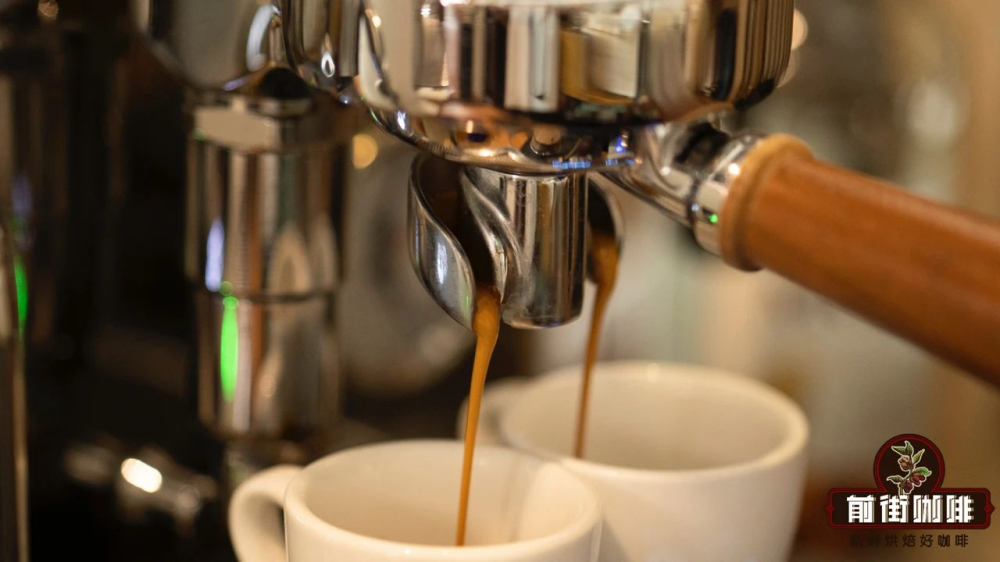
Espresso is extracted by percolation through precision metal filters. Compared with pour-over drip extraction, the biggest difference is the addition of pressure. The espresso machine was invented in the early 19th century. To pull a rich cup in a short time, Italians conceived of using steam pressure to force hot, high-pressure water through the coffee puck, speeding up the extraction rate of traditional drip methods. Through continuous improvement, this evolved into the semi-automatic and fully automatic machines we see today.
The high pressure inside an espresso machine forces hot water through the puck, which means that even with very fine grounds it can still ensure proper percolation and balanced extraction. The finer the grounds, the more their surface area grows. So one great advantage of very fine grounds is an exceptionally fast extraction. Not only is it fast, the quality is superior too: high pressure can force water into the internal cell walls of the grounds, releasing rich oils and aromatic compounds.
Whatever method we use, the goal is to extract the positive flavor compounds from coffee with water and end up with a delicious cup. Coffee beans consist of many substances, and about 30% of their components are water-soluble, such as fruit acids, caffeine, oils, and carbohydrates. Of that, only about 20% are aromatic small molecules with positive flavors, and these come out first; the remaining large molecules with woody and bitter flavors need longer extraction. Our task, then, is to adjust the parameters so more of the good compounds make it into the cup.
Espresso is coffee at its most complex and concentrated. No other brewing method presents such richness and texture. To get a delicious cup, excellent extraction is essential, balancing aromatic and taste compounds so that the acidity, sweetness, and bitterness are all pleasant. That is why you have to judge an espresso by tasting it and then decide how to adjust parameters to produce a qualified shot.
In practice, many factors shape the flavor from bean to cup, including grind size, boiler pressure, water temperature, distribution and tamping pressure, dose, extraction time, and liquid weight. Usually the machine's pressure and water temperature are preset and not easily changed, while distribution and tamping depend on the barista's technique. The four factors commonly adjusted day to day are dose, time, liquid weight, and grind size. As the saying goes, even the best cook cannot make a meal without rice: for a dish to be good, the ingredients must be chosen well, which makes bean quality crucial.
Steps for Making Espresso
FrontStreet Coffee's daily espresso offerings use the "Sunflower Warm Sunshine Blend." FrontStreet Coffee's baristas calibrate the extraction parameters before opening each day and only begin service once those adjustments are done.
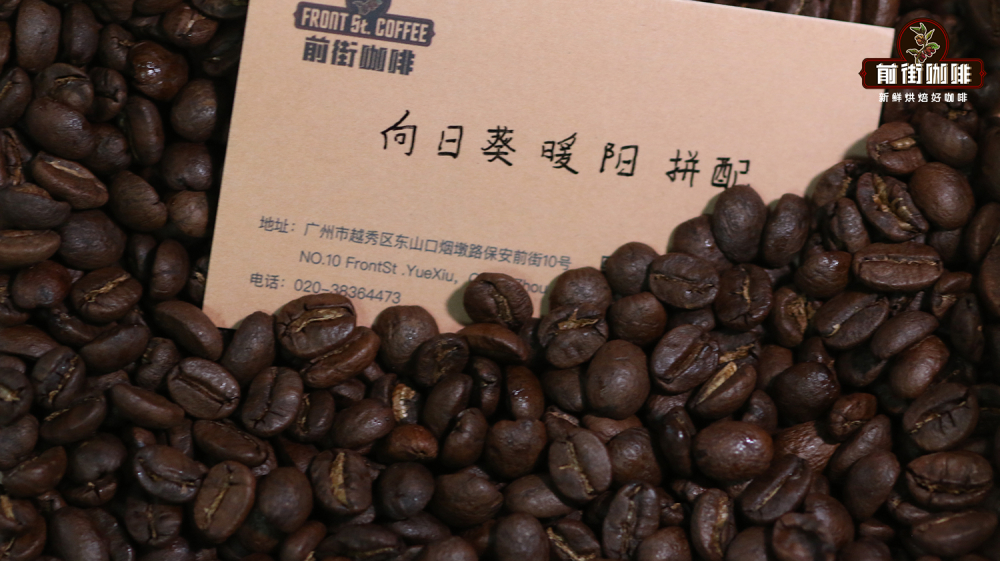
FrontStreet Coffee uses a double basket, with a dose of roughly 18-20 grams, and serves 20 grams of coffee. FrontStreet's extraction ratio is 1:2, meaning 20 grams of grounds yield 40 grams of coffee liquid. Time relates to the flow rate; typically a single extraction is controlled within 20-35 seconds, because coffee extracted within 20 seconds tends to taste thin, while extraction beyond 35 seconds easily over-extracts and turns burnt and bitter. Most of FrontStreet's espressos land in the 28-30 second range.
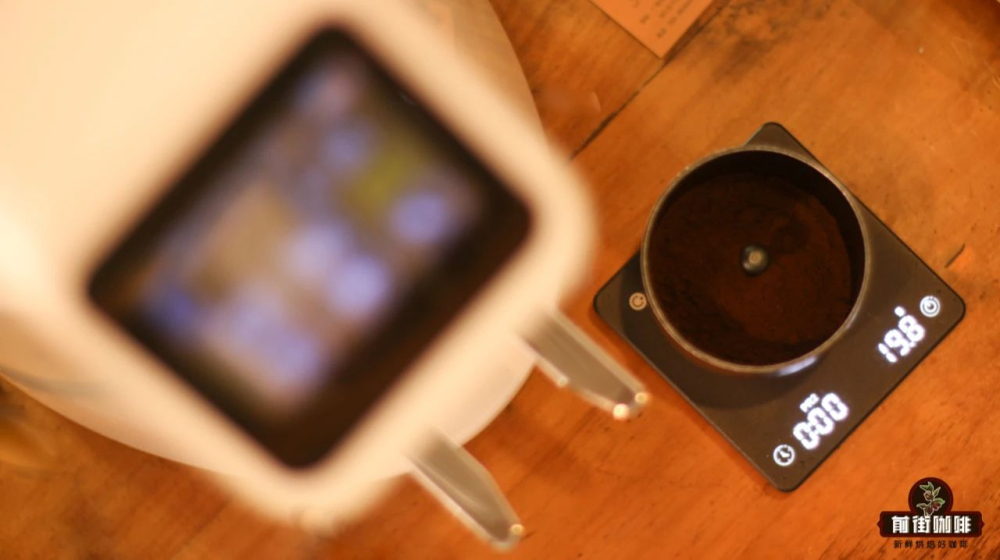
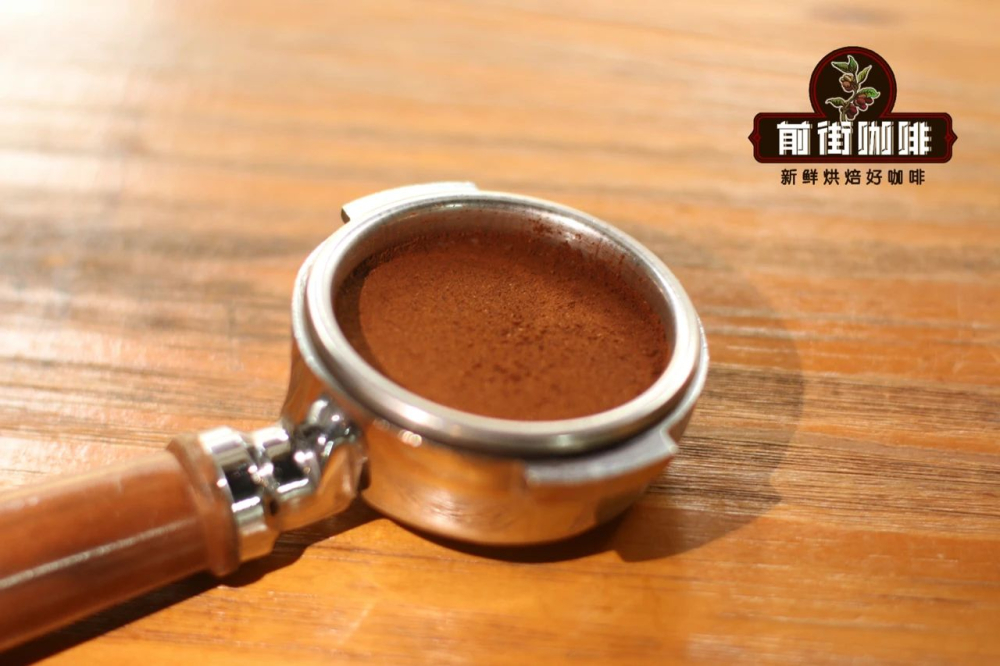
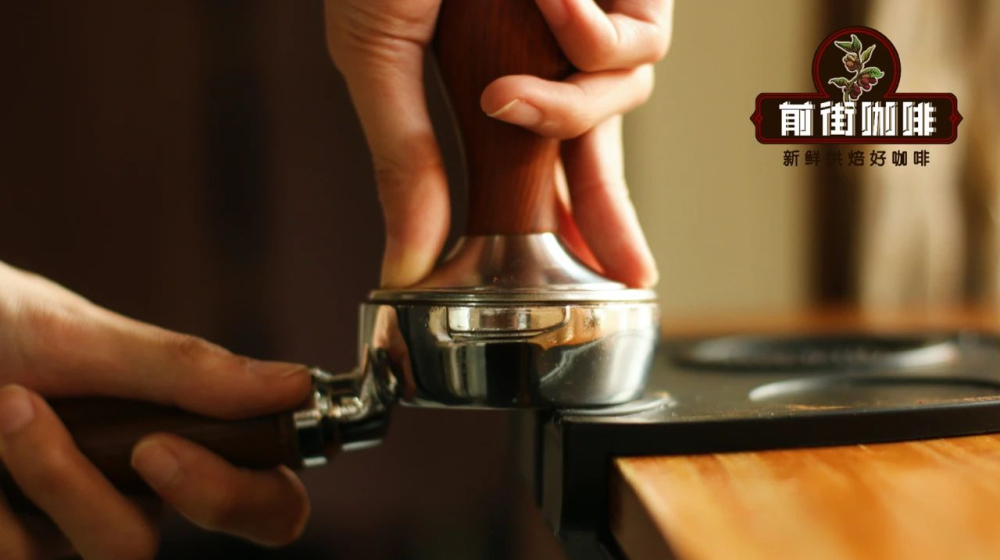
Before extraction, wipe the portafilter dry. Turn on the grinder and grind a double dose, setting it on an electronic scale and adding or removing grounds until you reach 20 grams. Next, use a distribution tool to level the grounds, then press straight down with firm force using a tamper to compact the puck, which makes extraction more stable.
Then run the extraction switch for 1-2 seconds to wet the brew head and wash away any residual grounds. Place an electronic scale under the espresso cup and zero it, positioning both under the brew head for extraction.

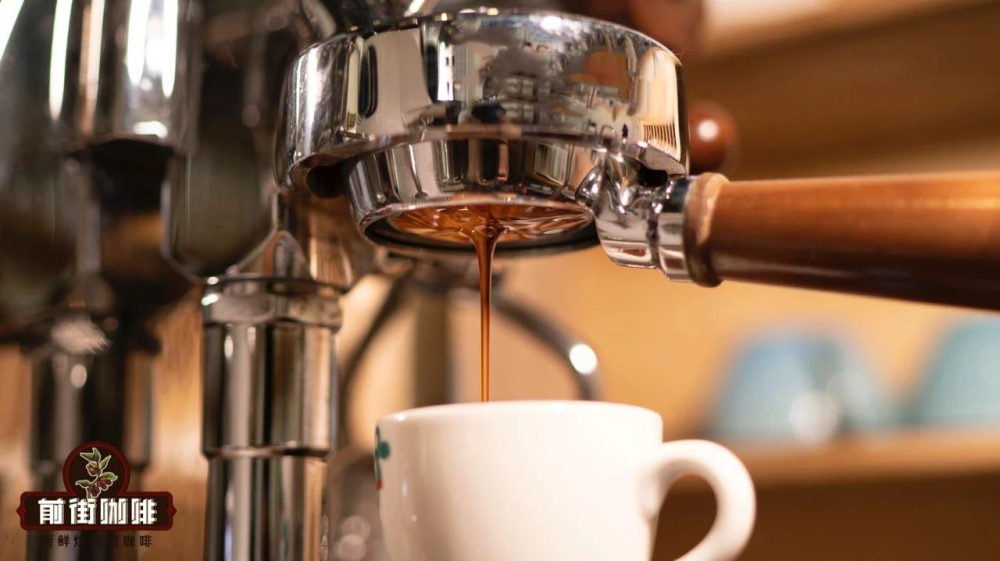
Gently lock the portafilter into the brew head and start the shot. Watch the extraction liquid. When the scale reads 40 grams of coffee liquid and the time is around 30 seconds, stop extraction. Brewing parameters can shift subtly with daily air humidity and bean condition, so adjust dose, grind setting, and yield as needed.
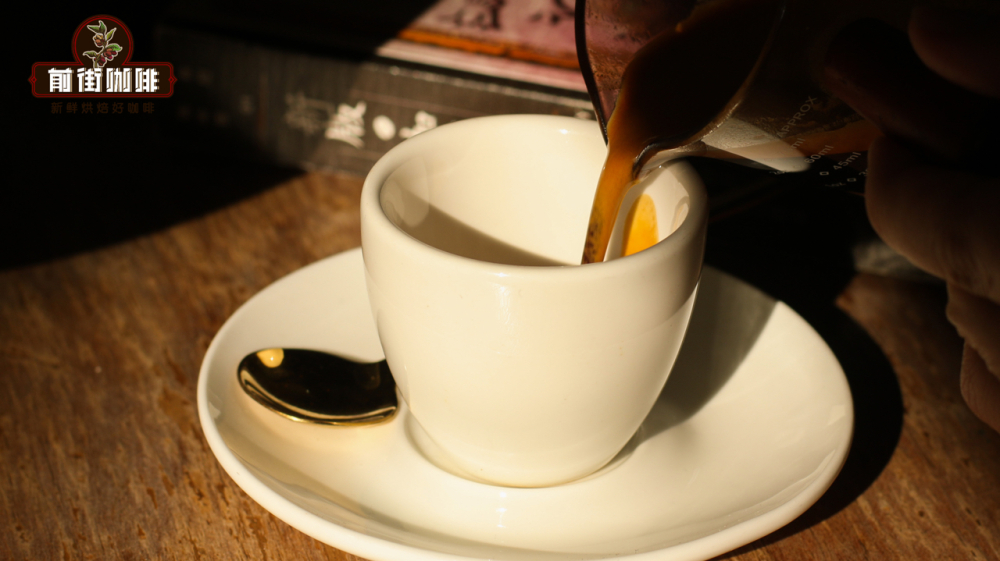
The extracted espresso can be drunk straight. Paired with a glass of water to cleanse the palate, you can taste the dense crema and the rich texture of the coffee underneath. If the intense bitterness is overwhelming, add water or milk to dilute and soften the strong flavors.
Recommended Espresso Beans
Because espresso is extracted with a fine grind, high temperature, and high pressure, it concentrates multiple flavors whose compounds hit the palate with extra force. So if we pull shots with light-roast single origins, the taste can be too intense and bury the coffee's aroma. Coffee, being an agricultural product, varies with climate, soil, and other factors, and even beans from the same region differ batch to batch. Blended beans use the principle of complementing strengths and weaknesses to keep each batch's aroma and flavor balanced and stable.
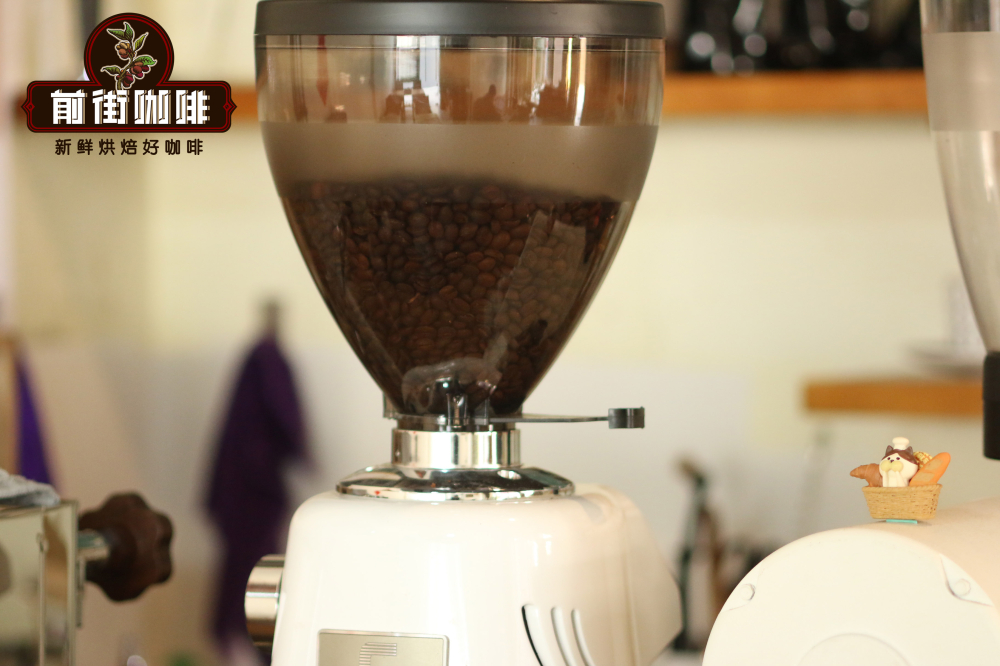
FrontStreet Coffee recommends its own roasted "Sunflower Warm Sunshine Blend Coffee Beans," made of 30% Ethiopian natural-processed Red Cherry coffee and 70% Honduras Sherry Cask coffee. Pulled as espresso, it shows rich dark chocolate flavors with a strong caramel note, and the aftertaste after swallowing is truly memorable. Whether diluted into an Americano or enriched with milk as a latte, both display a rich aroma.
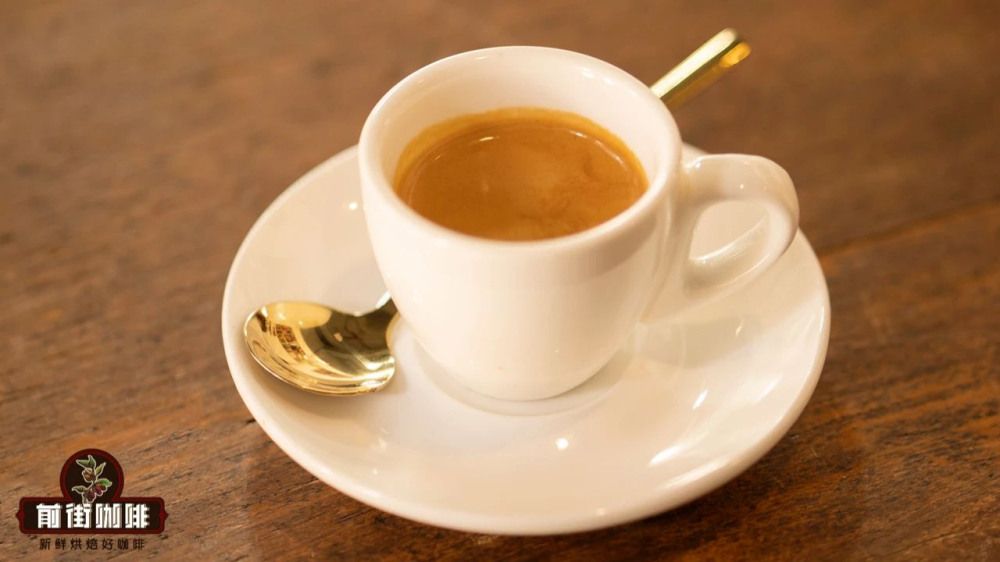
A freshly made espresso is topped with a thick, dense golden-brown foam called crema. It is the result of carbon dioxide from freshly roasted beans forming bubbles under the high pressure inside the machine. To make sure everyone enjoys the full aroma and the most complete flavor, FrontStreet Coffee ships only beans roasted within 5 days.
FrontStreet Coffee Recommendation
For a single-origin espresso, FrontStreet Coffee's Huakui SOE is roasted medium and, pulled as a shot, shows red berries, light florals, and orange, with citrus on the crema, a clean body, and an elegant aroma. It is excellent as a Huakui SOE Americano or a Huakui SOE flat white, though it also shines as a pour-over with bright, juicy fruit character.
FrontStreet Coffee's Granja Geisha SOE is a native Ethiopian Geisha from a farm near the famous Yirgacheffe town. Its ripe cherries are processed naturally; as pour-over it is bright and light-bodied with a tea-like finish, while as an SOE Americano it leads with berry acidity and a ripe plum fermentation aroma, and with milk it brings yellow peach, guava, and black tea, with a well-balanced sweet-sour profile.
FrontStreet Coffee's Queen Manor SOE comes from a high-altitude part of Brazil, where a wide day-night temperature swing lets the cherries develop more flavor precursors. It suits a medium-dark roast that yields thick nut, cream, and peanut aromas and a sweet chocolate finish, pulling a beautiful, rich crema that stays aromatic even in milk drinks. And for a more fruit-forward option, FrontStreet Coffee's Sidra SOE from Colombia's renowned Huila region, produced at Finca El Diviso near volcanic terrain, uses a double anaerobic natural process and a medium roast to open up maximum floral and fruit character; pulled as espresso it shows distinct blueberry juice, passion fruit, and ripe grape with apricot sweetness.
Finally, for a plush, herbal cup, FrontStreet Coffee's PWN Golden Mandheling SOE is a top Mandheling. Sorted repeatedly by machine and by hand to bring the defect rate to a minimum and roasted medium-dark, it pulls a shot with pronounced spice, herbs, sandalwood, and caramel, a very full body, and a dark chocolate aroma in the finish. And FrontStreet Coffee's Yirgacheffe Red Cherry SOE, bright and clean in light roasts, is better taken to a medium roast for espresso, where it shows soft citrus acidity, creamy chocolate richness, and a cookie-like aroma with no harsh bitterness left behind.
Important Notice :
FrontStreet Coffee is a long-established specialty coffee roaster in Guangzhou China, selling freshly roasted beans from its own farm in Yunnan as well as dozens of carefully selected single-origin beans from around the world for both pour-over and espresso. The products deliver consistently excellent quality and great value, with shipping within 24 hours. Guangzhou's FrontStreet Coffee shop is recommended by many coffee lovers, and the beans are now available online at the Tmall 。
FrontStreet Coffee has moved to a new address:
FrontStreet Coffee Address: 315,Donghua East Road,GuangZhou
Tel:020 38364473
 Scan and follow the En Gafei WeChat official account. Please indicate that the reprint comes from "En Gafei".