What is the Best Pour-Over Coffee Powder-to-Water Ratio? How Much Water is Needed for 20g of Coffee Grounds?
When we brew coffee, most of us lean on the Golden Cup theory. It maps out how coffee-to-water ratio, concentration, and extraction rate relate to one another under defined conditions, which in turn tells us what ratio we should actually be brewing at.
Coffee-to-Water Ratio
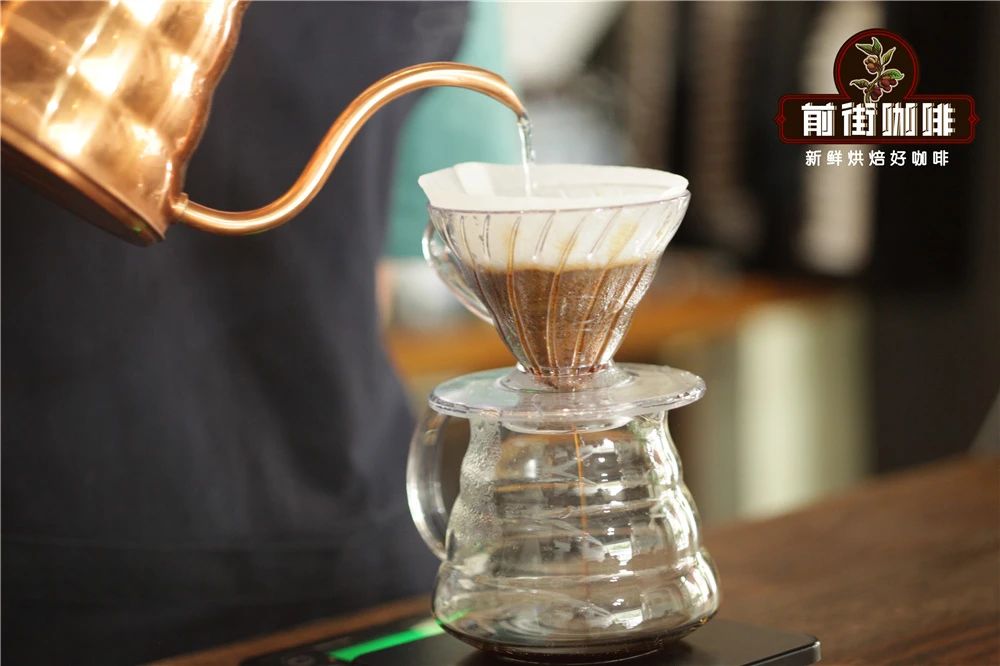
What's the right pour-over ratio? The answer you'll hear most often is 1:15 — repeated so frequently that it has hardened into an absolute "truth." In many of FrontStreet Coffee's pour-over trials, a 1:15 ratio produced concentrations mostly between 1.30-1.36%, with calculated extraction rates of 17.86-18.69%. Tasted blind, the ratio also expresses the coffee's flavors beautifully.
So is 1:15 simply the golden rule for pour-over?
FrontStreet Coffee approached the question the scientific way — bold hypothesis, careful verification. If 1:15 already tastes great, might an even better ratio be hiding just past it?
Here's the reasoning. Under Golden Cup standards, a concentration of 1.30-1.36% sits at the high end while the extraction rate is on the low side — the classic "high concentration, low extraction" profile. So what happens if we simply add more water? Could dilution lower the concentration while pushing extraction higher?
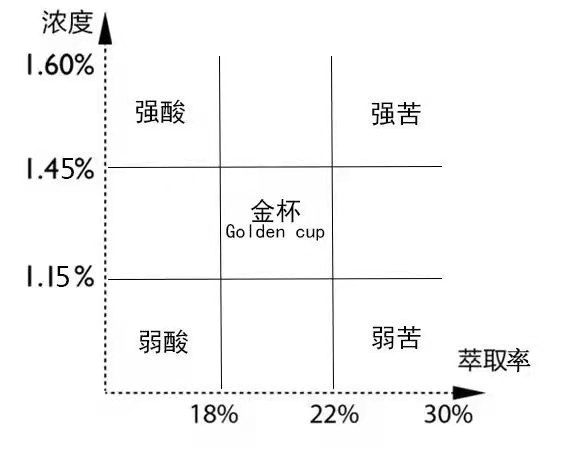
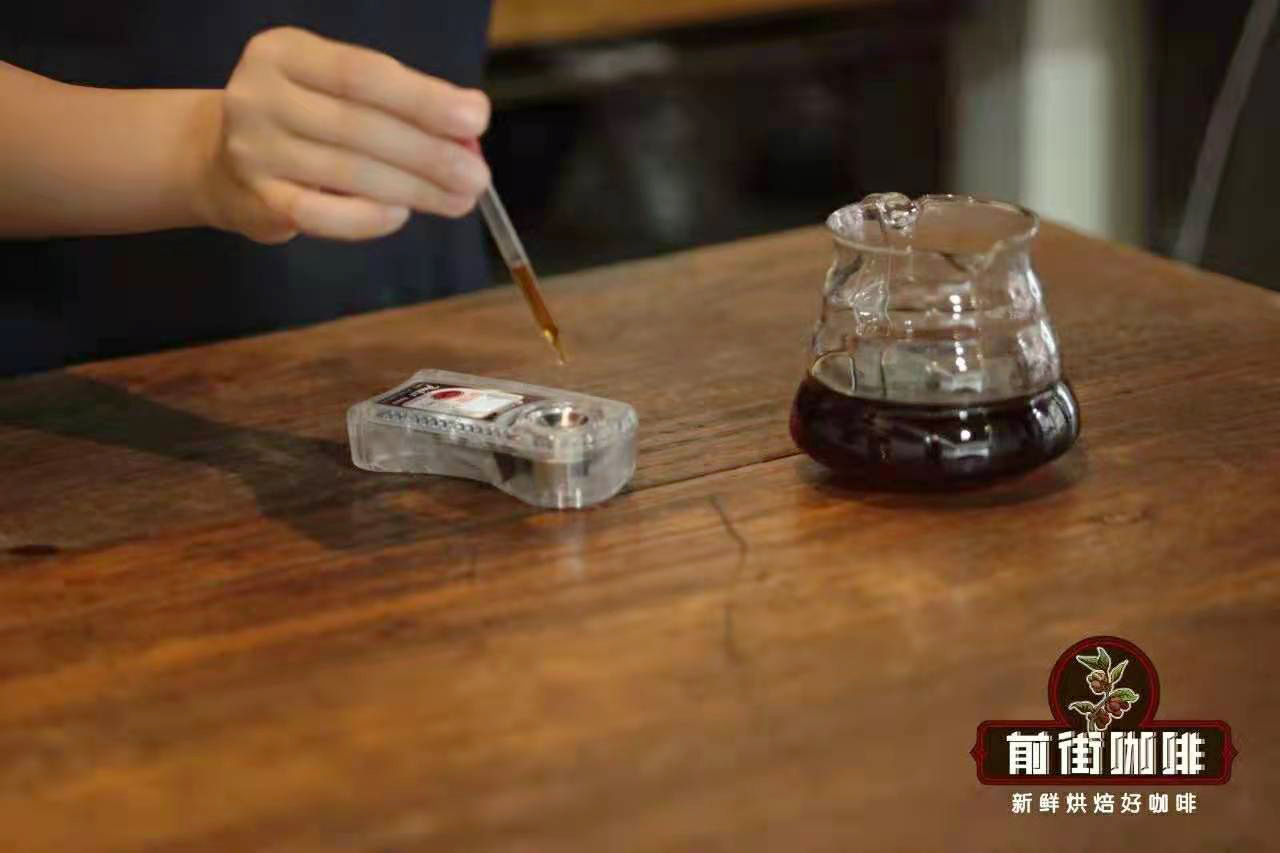
To test it, FrontStreet Coffee brewed five groups at a 1:16 ratio. The measured concentrations came in between 1.23-1.33%, with extraction rates of 18.18-19.68% — on paper, squarely inside the Golden Cup range. Tasting told a more nuanced story: most of the coffees showed very good overall sensory performance, but one group of Sherry beans came out thin and watery despite registering a perfectly respectable 1.25% concentration.
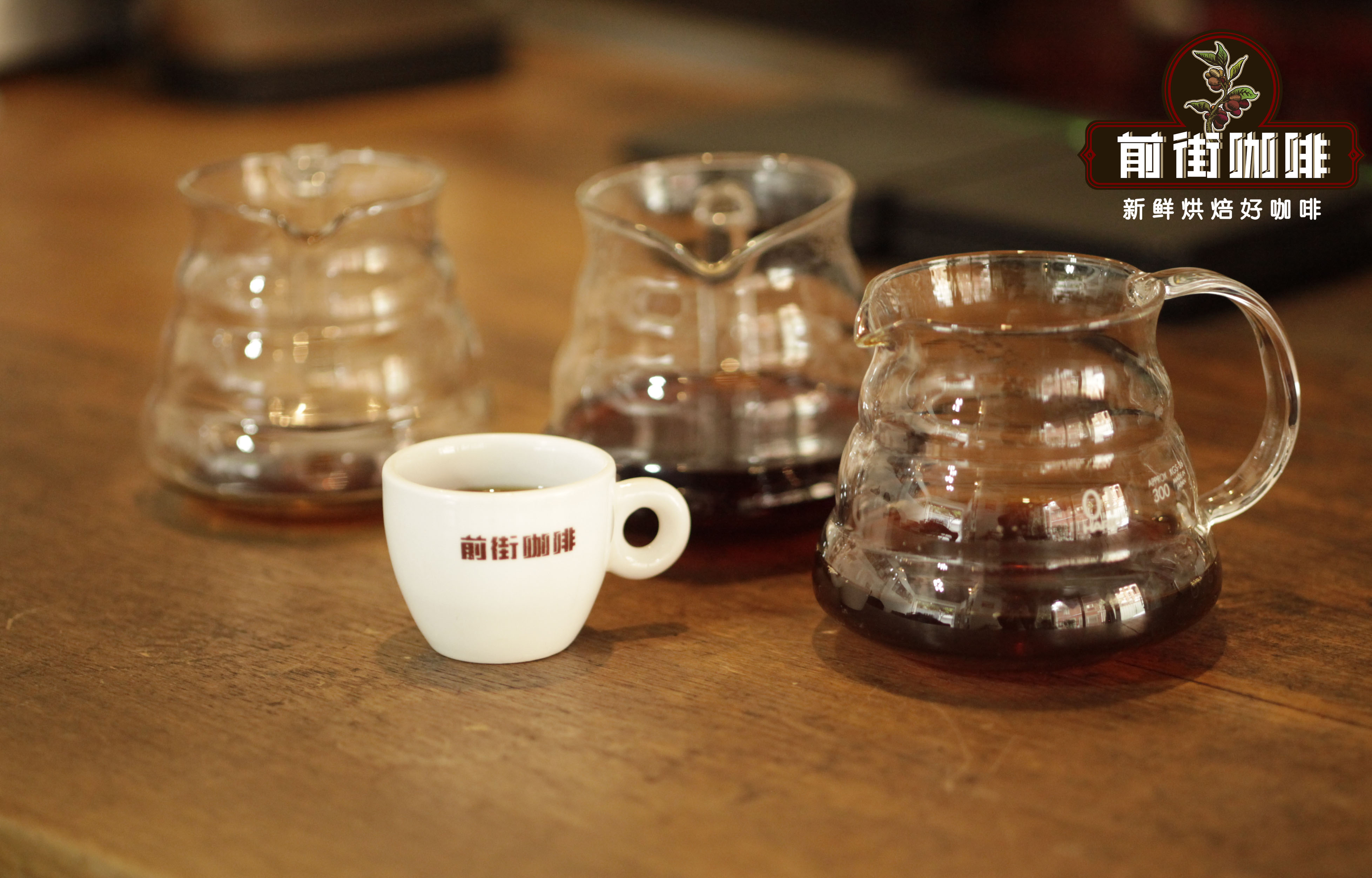
How the Ratio Shapes Flavor
To see exactly how ratio drives flavor, FrontStreet Coffee ran a comparison on Guji 5.0 beans across four ratios — 1:15, 1:16, 1:17, and 1:18 — logging concentration, extraction rate, and tasting notes for each.
"1:15" — Concentration: 1.39%, Extraction rate: 19.11%;
Flavor: Rich, berry notes, enticing aroma.
"1:16" — Concentration: 1.33%; Extraction rate: 19.68%;
Flavor: Berry notes, prominent and pleasant acidity.
"1:17" — Concentration: 1.25%; Extraction rate: 19.80%;
Flavor: Well-judged concentration, acidity softer than the previous cup, sweetness coming forward.
"1:18" — Concentration: 1.18%; Extraction rate: 19.92%;
Flavor: Acidity softer again, berry notes, but a bitter edge in the aftertaste.
Each cup in the series received 25ml more water than the one before it, and the pattern was revealing: extraction efficiency falls as the pour progresses. This is exactly why so many brew guides note that early and middle pours pull flavor, while the final stage mainly adjusts concentration.
With the Guji beans, the 1:15, 1:16, and 1:17 cups differed slightly in sweetness and acidity but all delivered a positive sensory experience — three different angles on deliciousness, essentially. The gap between 1:17 and 1:18 was small, and both landed inside the Golden Cup range on paper. Yet the palate caught an unpleasant bitterness in the 1:18 finish. The bold inference: that final 25ml of water pulled enough bitter compounds past the human sensory threshold to make them noticeable.
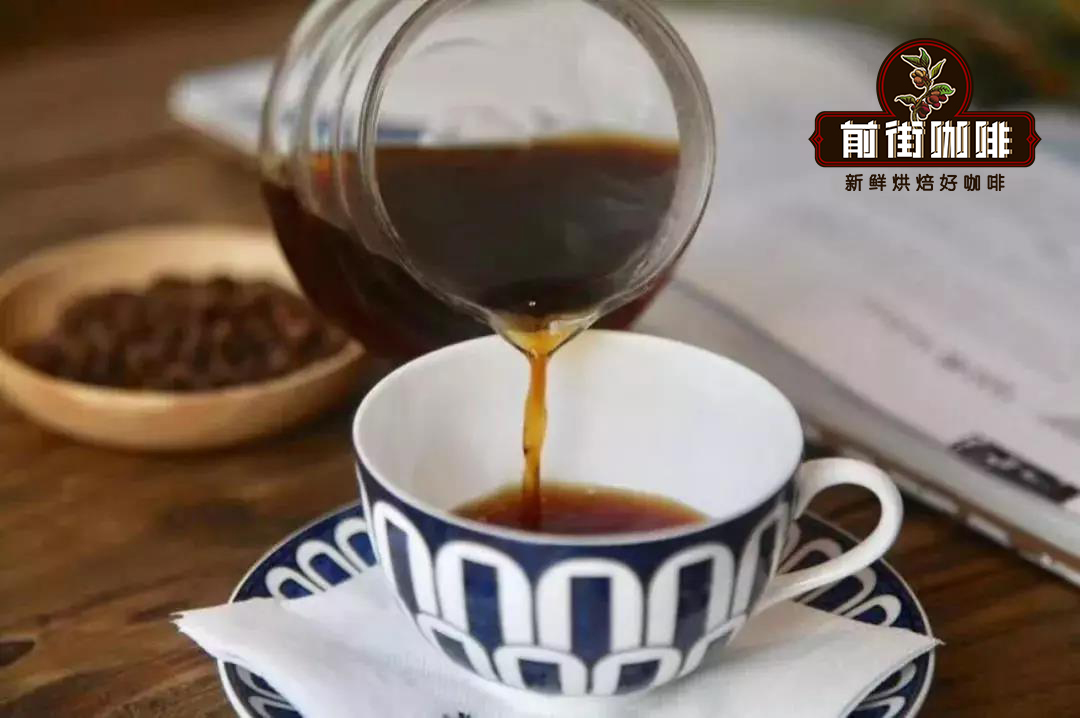
The takeaway for Guji 5.0 specifically: it performs beautifully not only at 1:15 but also at 1:16 and 1:17, giving you real room to tune the cup to your taste.
FrontStreet Coffee Recommendation
Numbers only matter if the beans are up to it, so what should you actually brew at these ratios? For delicate, floral-fruit cups that reward a 1:15, start with FrontStreet Coffee's Yirgacheffe Guodingding — the gateway Ethiopian for countless coffee lovers. It brings vivid citrus, berries, and white florals with a green-tea-like sweet finish, and its acidity is soft and luminous, closer to the natural sweetness of fruit than any harsh sourness. Newcomers take to it immediately, and it's exactly the kind of clean, layered profile where small ratio changes are easy to taste.
If you'd rather chase tropical fruit, go for FrontStreet Coffee's Ethiopia Huakui (Guji natural): explosive notes of strawberry, passion fruit, jackfruit, and even lychee, with obvious sweetness and almost no bitterness — juicy enough that drinkers call it "the coffee for people who don't like coffee." On the V60 its fruit-forward character fills out beautifully at 1:15 to 1:17.
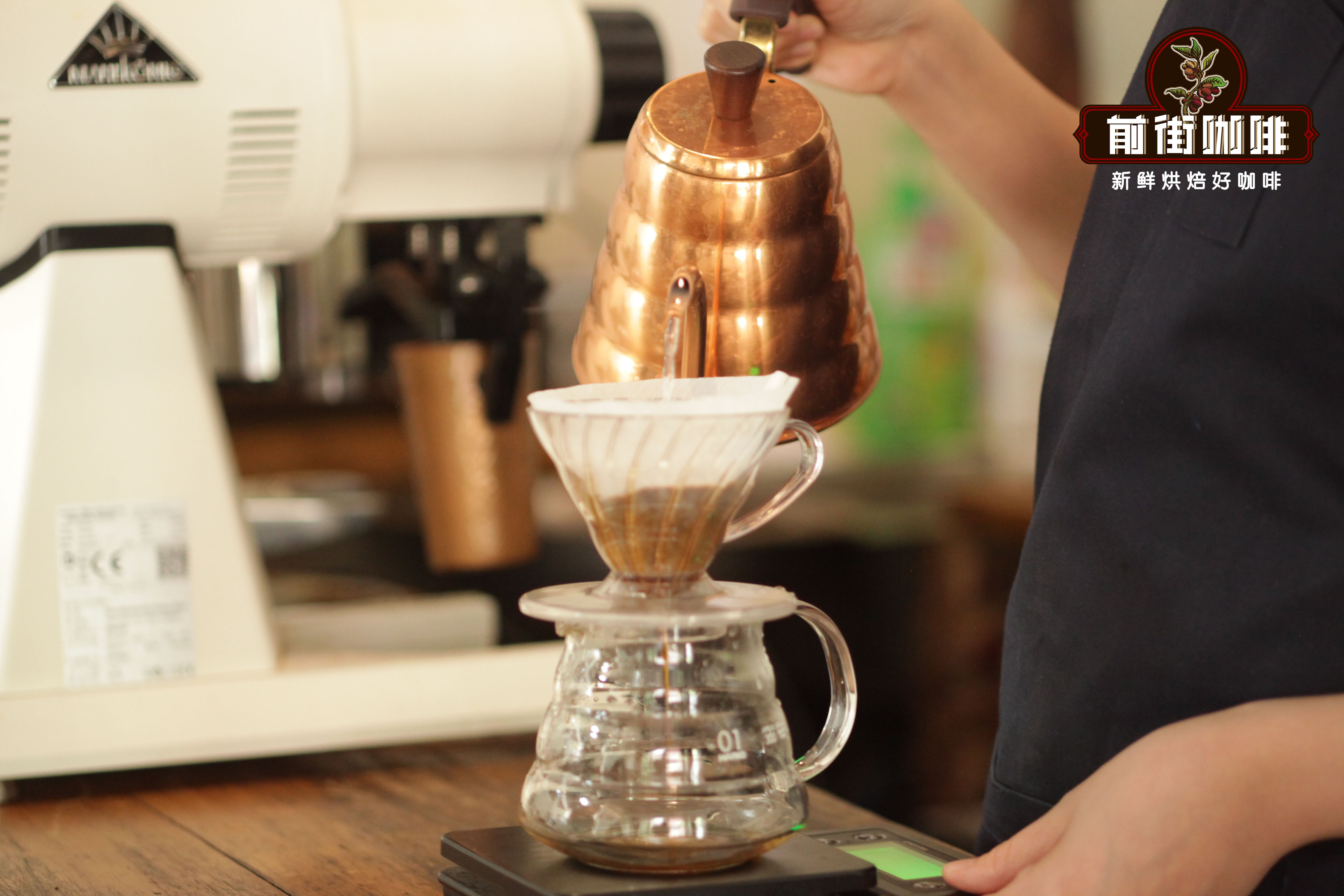
And for the pour-over setup itself, the classic pairing is a Hario V60 — its 60° cone, single large hole, and spiral ribs drive an even, efficient extraction that lets florals, fruit acidity, sweetness, and tea-like finish show at their best. Whichever ratio you settle on, brew fresh: grind just before pouring, use 90-91°C water, and let the beans — not the arithmetic — have the last word.
Important Notice :
FrontStreet Coffee is a long-established specialty coffee roaster in Guangzhou China, selling freshly roasted beans from its own farm in Yunnan as well as dozens of carefully selected single-origin beans from around the world for both pour-over and espresso. The products deliver consistently excellent quality and great value, with shipping within 24 hours. Guangzhou's FrontStreet Coffee shop is recommended by many coffee lovers, and the beans are now available online at the Tmall 。
FrontStreet Coffee has moved to a new address:
FrontStreet Coffee Address: 315,Donghua East Road,GuangZhou
Tel:020 38364473
 Scan and follow the En Gafei WeChat official account. Please indicate that the reprint comes from "En Gafei".