Introduction to Yirgacheffe Coffee Region - Flavor Characteristics of Ethiopian Premium Coffee Origin Yirgacheffe
FrontStreet Coffee's Ethiopian Yirgacheffe is world-renowned for its fruity acidity and floral aromas, featuring highly distinctive citrus and lemon flavors that rise prominently. Whether you're a seasoned coffee enthusiast or a newcomer to the world of coffee, Ethiopian Yirgacheffe stands as one of the most recognized specialty coffees of all.
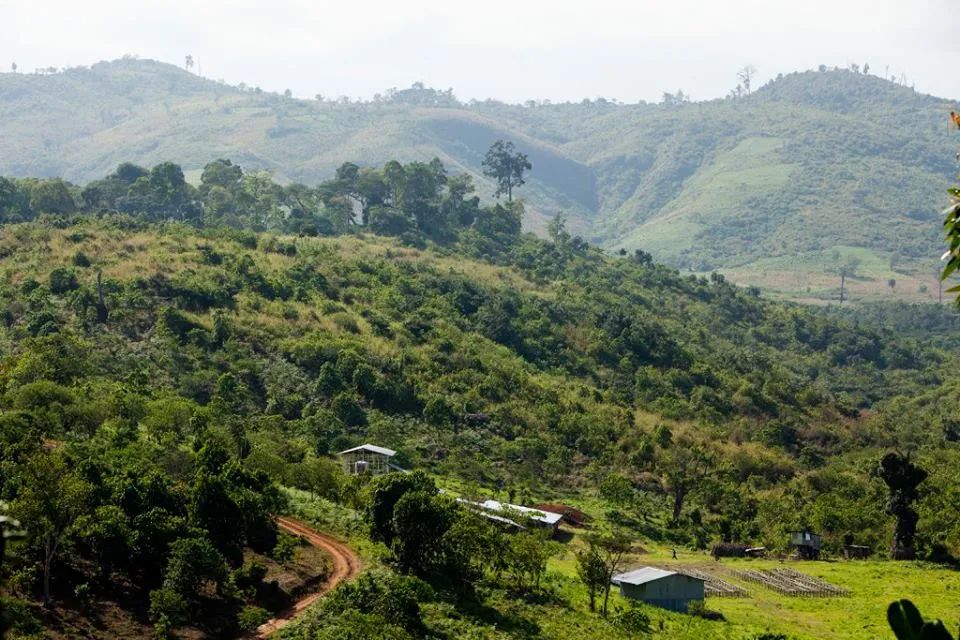
Ethiopian Yirgacheffe Growing Region Introduction
Yirgacheffe was originally a small town in Ethiopia, administratively belonging to the Sidamo province. "Yirgacheffe" in the ancient Ethiopian language means "settle down in this wetland." Strictly speaking, Yirgacheffe is a sub-region of Sidamo, located in the northwestern part of Sidamo, surrounded by mountains and lakes, making it one of Ethiopia's highest-altitude coffee-growing regions. However, because of its unique flavor profile, it later became independent from Sidamo, establishing its own identity and becoming Africa's most prestigious coffee-growing region.
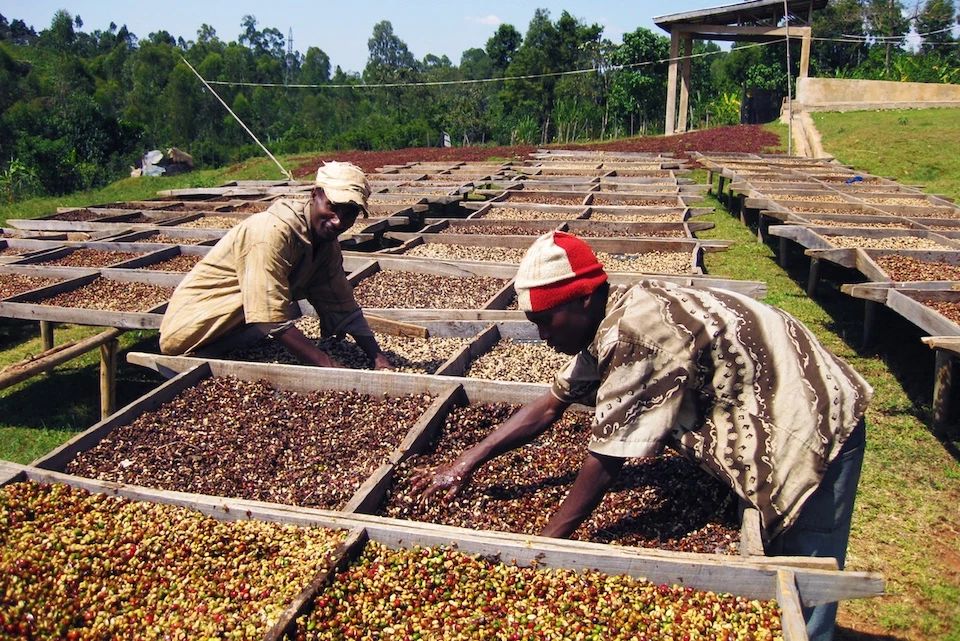
Because of Ethiopia's complex coffee genetics and numerous growing regions, coffee farmers primarily trade by selling fresh coffee cherries, making it difficult to connect green bean prices on the international market with their specific growing regions, which prevents farmers from increasing their income. To provide more detailed traceability information for coffee beans and promote fair trade, the Ethiopian government established the Ethiopian Commodity Exchange (ECX) in 2008 to facilitate coffee trading in a more equitable manner. Under ECX's regional classification system, the Yirgacheffe region is divided into four sub-regions: Kochere, Gedeb, Gelana, and Wenago. Each sub-region has its own excellent production teams, and their coffees each possess unique characteristics.
Ethiopia primarily operates with small-scale farming models, where various local coffee cooperatives and processing stations handle the green coffee processing for their respective regions. Farmers deliver their harvested coffee beans to nearby processing stations built near water sources for unified processing, and the coffee is subsequently sold under the name of the processing station.
The Geddin Cooperative was originally part of the Worka Cooperative under the Yirgacheffe Coffee Farmers Cooperative Union (YCFCU). However, as the pursuit of coffee bean traceability grew, individual "single-origin" regions were gradually discovered by coffee hunters worldwide. Consequently, in 2012, a production team of about 300 farmers independently established the "Geddin Cooperative."
FrontStreet Coffee's Yirgacheffe: Both Washed and Natural Processing
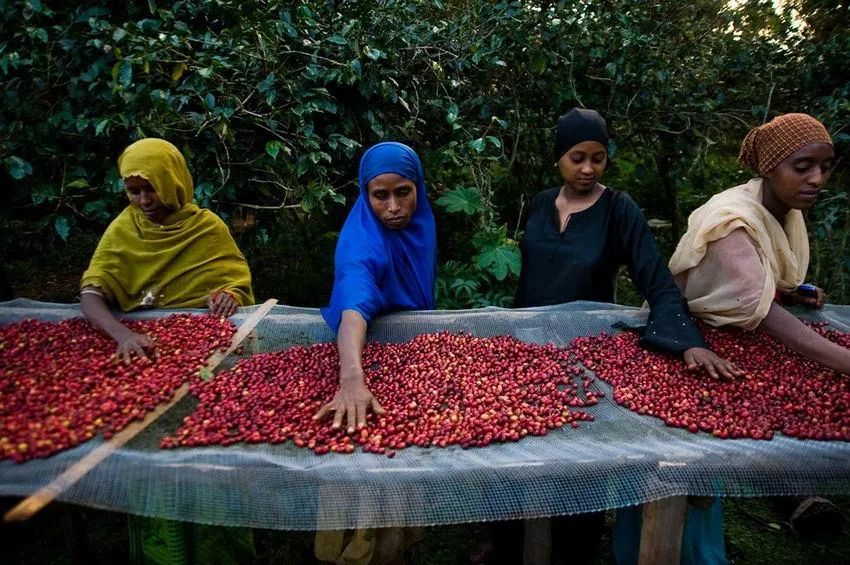
Traditional Ethiopian coffee used natural processing methods. Due to outdated techniques, coffee cherries were laid directly on the ground to dry naturally. This crude method often caused coffee to absorb earthy flavors, resulting in inconsistent quality. To improve coffee quality, the Ethiopian government introduced more advanced washed processing technology and related equipment from Central and South America in 1972. Washing not only significantly reduced the defect rate of FrontStreet Coffee's Yirgacheffe coffee but also endowed it with fresh citrus tones and elegant white floral aromas, resulting in an overall flavor that is bright and delicate. FrontStreet Coffee's Ethiopian daily blend coffee is selected from washed Yirgacheffe, presenting the classic Yirgacheffe flavor profile.
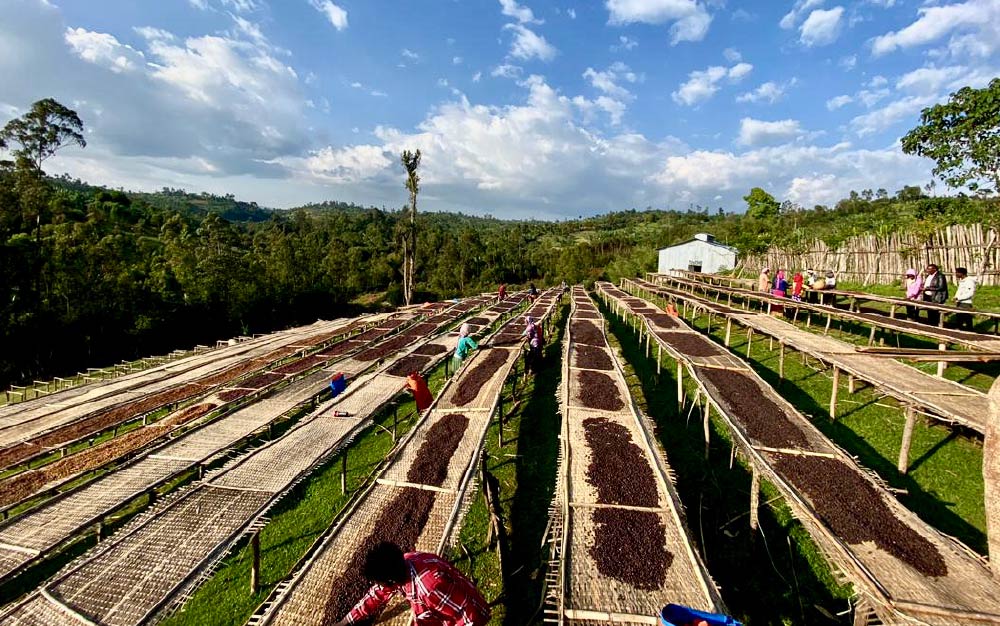
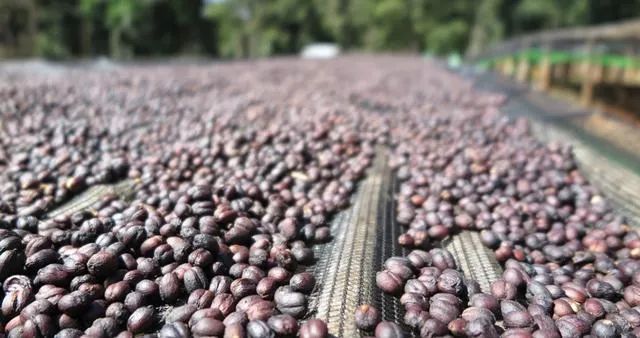
As people's pursuit of more diverse flavors in specialty coffee grew, Ethiopia's major growing regions also began improving their natural processing techniques, producing many outstanding natural-process coffee batches. The FrontStreet Ethiopian Red Cherry coffee beans on FrontStreet Coffee's menu are a natural-process Yirgacheffe coffee. Natural processing is quite simple: coffee cherries are spread in the sun to dry until they become shriveled and dark purple. During drying, greater attention is paid to turning the coffee cherries to ensure more uniform drying. FrontStreet Coffee's natural Red Cherry coffee offers mature fruit fermentation notes, distinct honey-like sweetness, and black tea characteristics.
FrontStreet Coffee's Yirgacheffe Varieties: Local Heirloom
Friends who frequently drink Ethiopian coffee may have noticed that Ethiopian coffee varieties are always labeled as "local heirloom" or simply "Heirloom." In the dictionary, "Heirloom" refers to "valuable property passed down through generations," meaning that for Ethiopians, coffee is an irreplaceable "treasure."
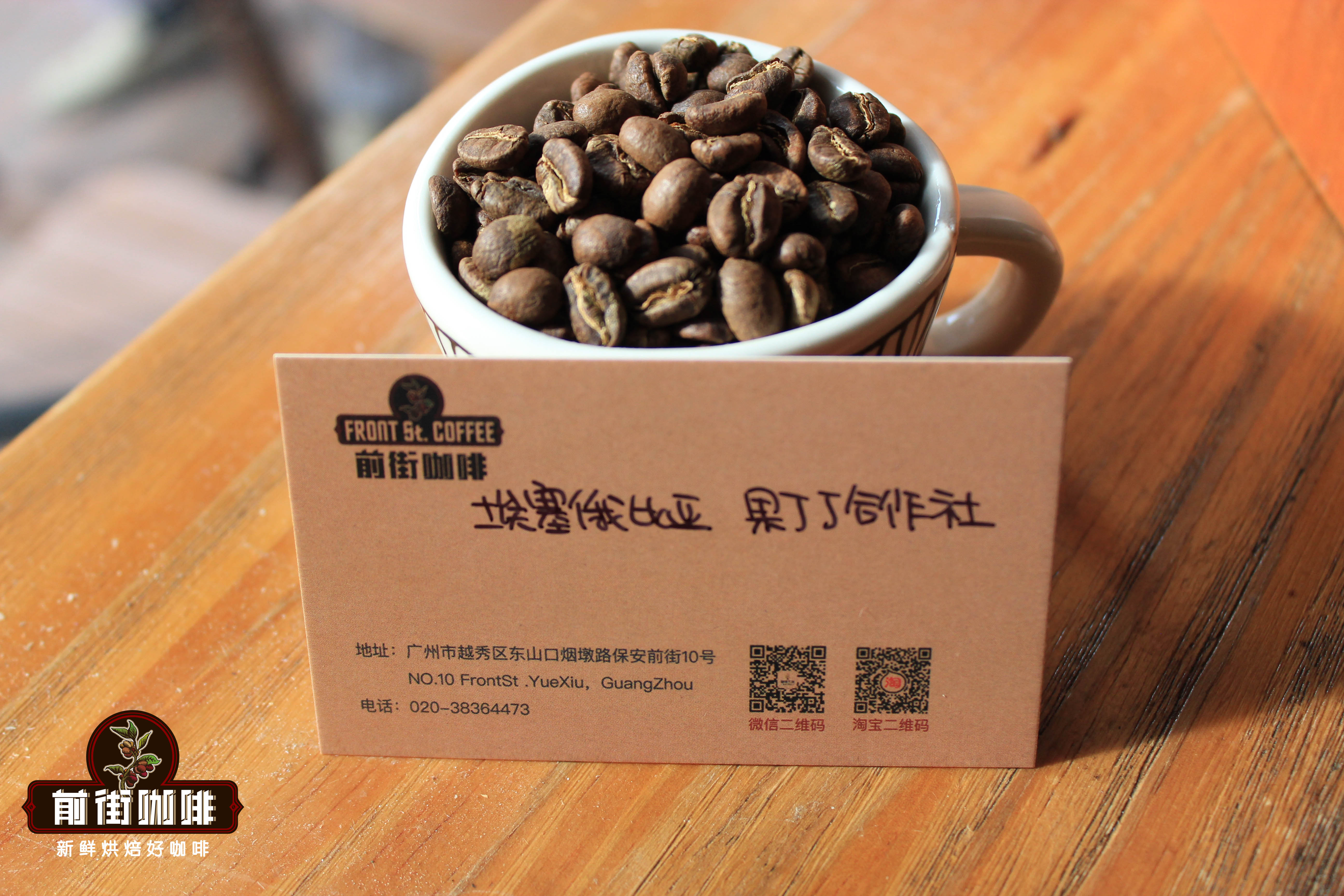
This is because in Ethiopia's original forests there are numerous coffee varieties with countless genetic types, making identification extremely difficult. Additionally, the local government wishes to keep these varieties undisclosed, so they use the term "heirloom" to collectively refer to these coffee categories. Yirgacheffe coffee varieties are local heirlooms, characterized by small beans of varying sizes, relatively round in shape, mostly between 14-15 screen sizes.
How Does FrontStreet Coffee's Yirgacheffe Flavor Present?
In terms of roasting, FrontStreet Coffee considers that Yirgacheffe should present acidity as its primary flavor direction, thus adopting a light to medium roast. The washed Ethiopian Yirgacheffe Geddin Cooperative coffee beans are lightly roasted to preserve more bright acidity and white floral aromas, while the natural Ethiopian Yirgacheffe Red Cherry coffee beans are roasted to a light-medium level to present full berry sweetness and acidity.
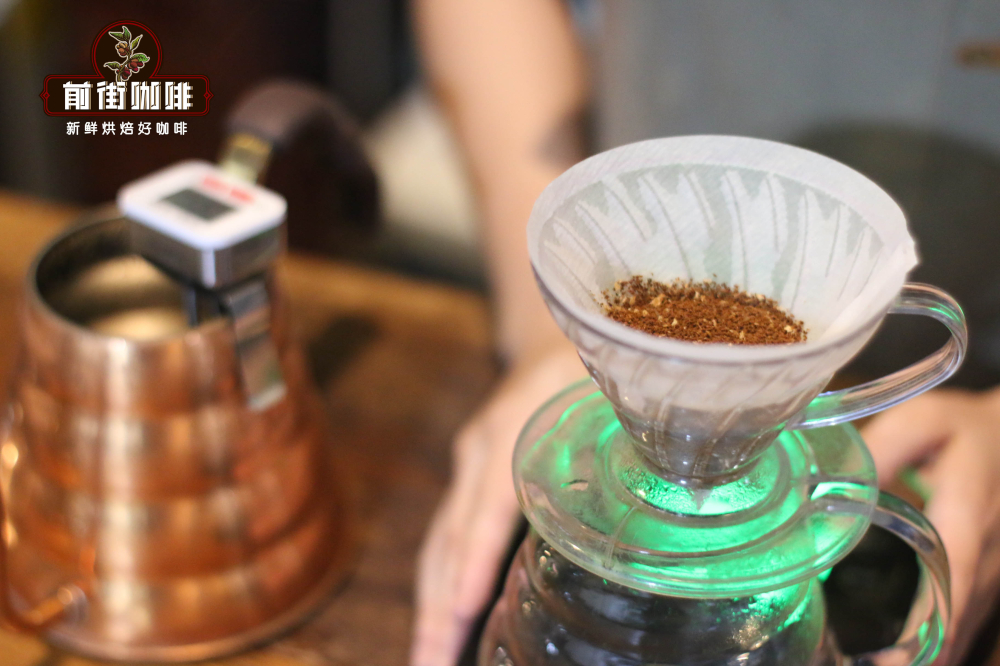
Lightly roasted coffee beans have a harder texture, and FrontStreet Coffee uses high-temperature water at 92-93°C to extract the floral and fruity notes from the Yirgacheffe coffee. FrontStreet Coffee recommends a medium-fine grind size (78% pass-through rate on a China standard #20 sieve). If the grind is too coarse, it cannot extract the body substances, resulting in a thin coffee. If the grind is too fine, it can lead to over-extraction at high temperatures, causing bitterness in the coffee.
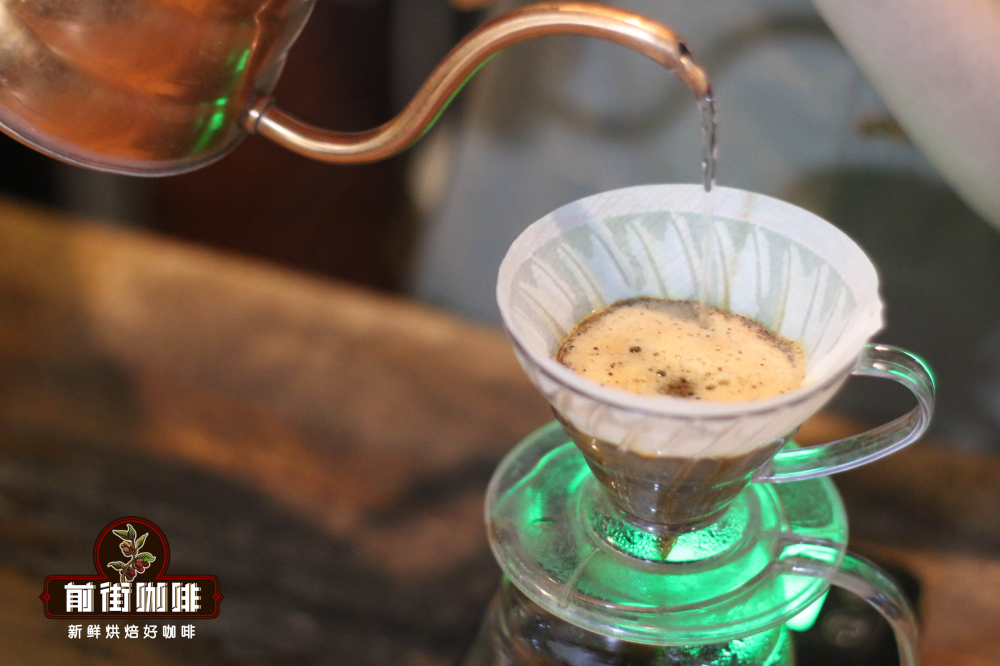
During cupping, FrontStreet Coffee noticed that these Ethiopian Yirgacheffe beans exhibit different flavors at different temperatures, so the brewing method employs a three-stage extraction technique, allowing different flavor compounds to better express themselves as the coffee bed gradually warms. To highlight the fresh and charming aroma of FrontStreet Coffee's washed Yirgacheffe, FrontStreet Coffee uses a V60 dripper for brewing. The spiral rib design of the dripper lets the coffee grounds degas better, maximizing the volatilization and dissolution of aromatic compounds.
In terms of brewing ratio, FrontStreet Coffee believes that 1:15 to 1:16 ratios are both acceptable. If you prefer a richer taste, use 1:15. If you want to more clearly perceive the floral and sweet notes, you can use 1:16 to let the flavors disperse more.
Brewing parameters:
Dripper: V60
Water temperature: 92-93°C
Coffee dose: 15g
Coffee-to-water ratio: 1:15
Grind size: Fine sugar (78% retained on #20 sieve)
Three-stage pouring: Use twice the amount of water as the coffee dose to wet the coffee bed, forming a dome and blooming for 30 seconds. Then use a small water stream to pour from inside to outside in circular motions until reaching 125g, pause until the coffee bed drops to half the height of the dripper, then continue with the same fine stream to pour the third stage to 225g. Remove the dripper once all coffee liquid has filtered through, total time approximately 2 minutes.

FrontStreet Coffee's Natural Red Cherry flavor notes: Lemon, licorice, citrus, berries, sweet orange, with overall high sweetness, caramel and cream flavors in the aftertaste, and a black tea aroma in the finish.
FrontStreet Coffee's Washed Geddin Cooperative flavor notes: Citrus and black tea on entry, with cream, caramel, and almond notes appearing as the temperature changes, with a distinct clean and sweet aftertaste.
FrontStreet Coffee Recommendation
To put this regional knowledge into a cup, FrontStreet Coffee's washed Ethiopia Yirgacheffe—the everyday "Daily Bean"—is the classic starting point. It is known for white jasmine, bright citrus and lemon acidity, and a tea-like body, and its affordable price has made it the first specialty bean for many drinkers. Yirgacheffe is a small town in Ethiopia's southern Sidamo region at about 1700-2100 meters, with coffee trees planted above 1800 meters, making it one of the highest coffee-growing regions in the world. Its ancient name means "settle down in this wetland," and its highly recognizable white florals and lemon-citrus acidity turned it into a byword for Ethiopian specialty coffee.
To explore the region's cooperative model, FrontStreet Coffee's washed Geddin Cooperative is the natural next step. Geddin lies in the Worka area at the southeastern edge of Yirgacheffe and was originally part of the Worka cooperative under the YCFCU union; as coffee hunters worldwide pursued traceability, about 300 farmers formed the independent Geddin Cooperative in 2012. Its traditional washed processing gives a fresh, bright citrus and lemon acidity with jasmine fragrance and none of the traditional bitterness. For a naturally processed Yirgacheffe from the same region, FrontStreet Coffee's Natural Red Cherry uses whole ripe red cherries dried on raised beds, showing citrus-like acidity, a juicy berry body, honey sweetness, and creamy smoothness; brew either at 90-91°C with a 1:15 ratio and a medium-fine grind to let the florals and fruit shine.
Important Notice :
FrontStreet Coffee is a long-established specialty coffee roaster in Guangzhou China, selling freshly roasted beans from its own farm in Yunnan as well as dozens of carefully selected single-origin beans from around the world for both pour-over and espresso. The products deliver consistently excellent quality and great value, with shipping within 24 hours. Guangzhou's FrontStreet Coffee shop is recommended by many coffee lovers, and the beans are now available online at the Tmall 。
FrontStreet Coffee has moved to a new address:
FrontStreet Coffee Address: 315,Donghua East Road,GuangZhou
Tel:020 38364473
 Scan and follow the En Gafei WeChat official account. Please indicate that the reprint comes from "En Gafei".