Tuesday, September 15, 2026 Issue · Vol. 12 · No. 8
Today's Brew
Freshly curated stories
NAV: Home Coffee

Coffee

All stories in Coffee — freshly updated.

Geisha Coffee Beans|Introduction to Ethiopia's Geisha Village Premium Coffee Bean Growing Regions_Is Geisha Coffee Originally from Panama?
Coffee

Geisha Coffee Beans|Introduction to Ethiopia's Geisha Village Premium Coffee Bean Growing Regions_Is Geisha Coffee Originally from Panama?

The Geisha variety was discovered and gained fame in Panama, leading many to believe it is a native Panamanian variety. However, through extensive tracing work, it was discovered that Panamanian Geisha actually originates from the neighboring African continent, though the exact variety has yet to be identified. The coffee industry's tracing work for Geisha has never ceased.
Oct 30, 2021 · By FrontStreet Coffee · 1 reads · #Geisha Coffee #Ethiopia #Panama #Coffee Origin #Premium Coffee Beans #Coffee Growing Regions
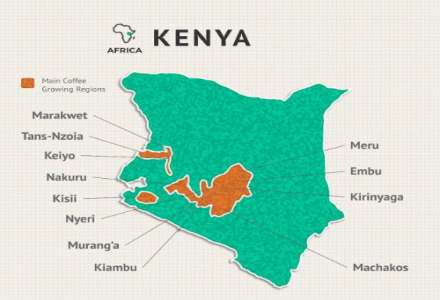
Kenyan Coffee Beans | Introduction to Kenyan Premium Coffee Growing Regions and the Difference Between K72 Processing Method and Common Processing Methods
Coffee

Kenyan Coffee Beans | Introduction to Kenyan Premium Coffee Growing Regions and the Difference Between K72 Processing Method and Common Processing Methods

The flavor of coffee is inseparable from the soil where it grows. Bright acidity has always been the regional characteristic of Kenyan coffee. Although its coffee industry was introduced during the British colonial period in the 20th century, its focus on specialty coffee has enabled rapid development in both growth speed and market popularity. The British brought coffee from French Reunion Island in 1883.

How to Learn Techniques for Pour-Over Japanese Drip Method? Which Coffee Beans Are Best for Kono-Style Pour-Over Coffee?
Coffee

How to Learn Techniques for Pour-Over Japanese Drip Method? Which Coffee Beans Are Best for Kono-Style Pour-Over Coffee?

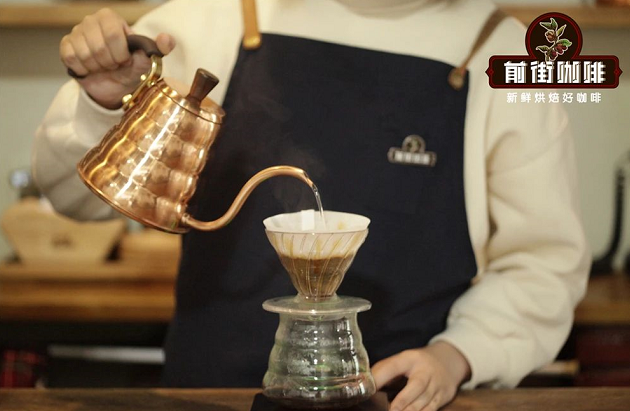
Many coffee enthusiasts are intrigued by the drip-style coffee brewing method but have been uncertain about the secrets behind this brewing technique. FrontStreet Coffee is here to analyze how to master the art of drip-style coffee brewing. The Kono Drip Method Kono-style pour-over, also known as Japanese drip coffee, originated in 1973 from the Japanese K

How to Brew Granular Coffee Grounds Correctly?
Coffee

How to Brew Granular Coffee Grounds Correctly?

Granular coffee grounds are primarily ground coffee particles, which differ from instant coffee powder in their brewing method. This represents one of the most traditional coffee brewing approaches. Granular coffee grounds are typically ground from coffee beans and require water to extract the coffee substances from within the fibers' gaps. FrontStreet Coffee recommends two brewing methods.

Which Coffee Filter Paper Brand is Best? How to Choose Between Bleached and Natural Wood Filter Papers: Pros and Cons
Coffee

Which Coffee Filter Paper Brand is Best? How to Choose Between Bleached and Natural Wood Filter Papers: Pros and Cons

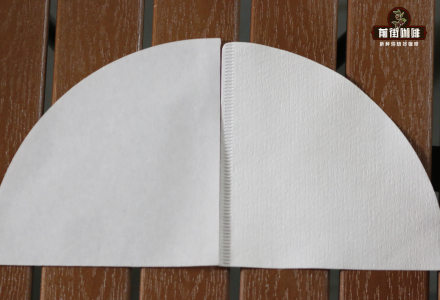
Seeing the cover, you might think FrontStreet Coffee is doing sponsored content, but that's not the case! Here's what happened: FrontStreet Coffee has always used Japanese Kono brand bleached filter paper, priced at about 0.3 yuan per sheet. Recently, FrontStreet Coffee discovered a filter paper made in Spain that costs nearly 3 yuan per sheet, which immediately sparked our interest - that's a 10-fold price difference!

Jamaican Coffee Beans | Introduction to Jamaican Blue Mountain Coffee Bean Origin - How Do Premium Blue Mountain Coffee Beans Taste?
Coffee

Jamaican Coffee Beans | Introduction to Jamaican Blue Mountain Coffee Bean Origin - How Do Premium Blue Mountain Coffee Beans Taste?

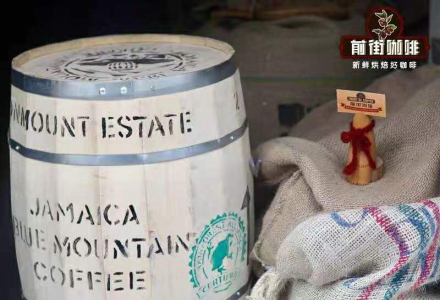
In the 18th century, Jamaica began cultivating coffee, with coffee growing regions spreading from St. Andrew to the Blue Mountains. By 1814, Jamaica's annual coffee production reached an impressive 15,000 tons. However, due to subsequent labor shortages and declining soil fertility, the growth of the coffee industry slowed, continuing into the 19th century when domestic coffee production in Jamaica faced

How to Determine if Coffee is Black Coffee? Where Can You Drink Pure Black Coffee?
Coffee

How to Determine if Coffee is Black Coffee? Where Can You Drink Pure Black Coffee?

Nowadays, it's common for people to have the habit of drinking coffee, and coffee can be divided into milk coffee and black coffee by preparation method. Most consumers choose milk coffee, but some friends who are lactose intolerant prefer black coffee. Black coffee is a coffee liquid extracted purely from coffee beans without any additives. Black coffee besides

Oct 26, 2021 · By FrontStreet Coffee · 30 reads · #black coffee #pure coffee #coffee preparation #lactose intolerance
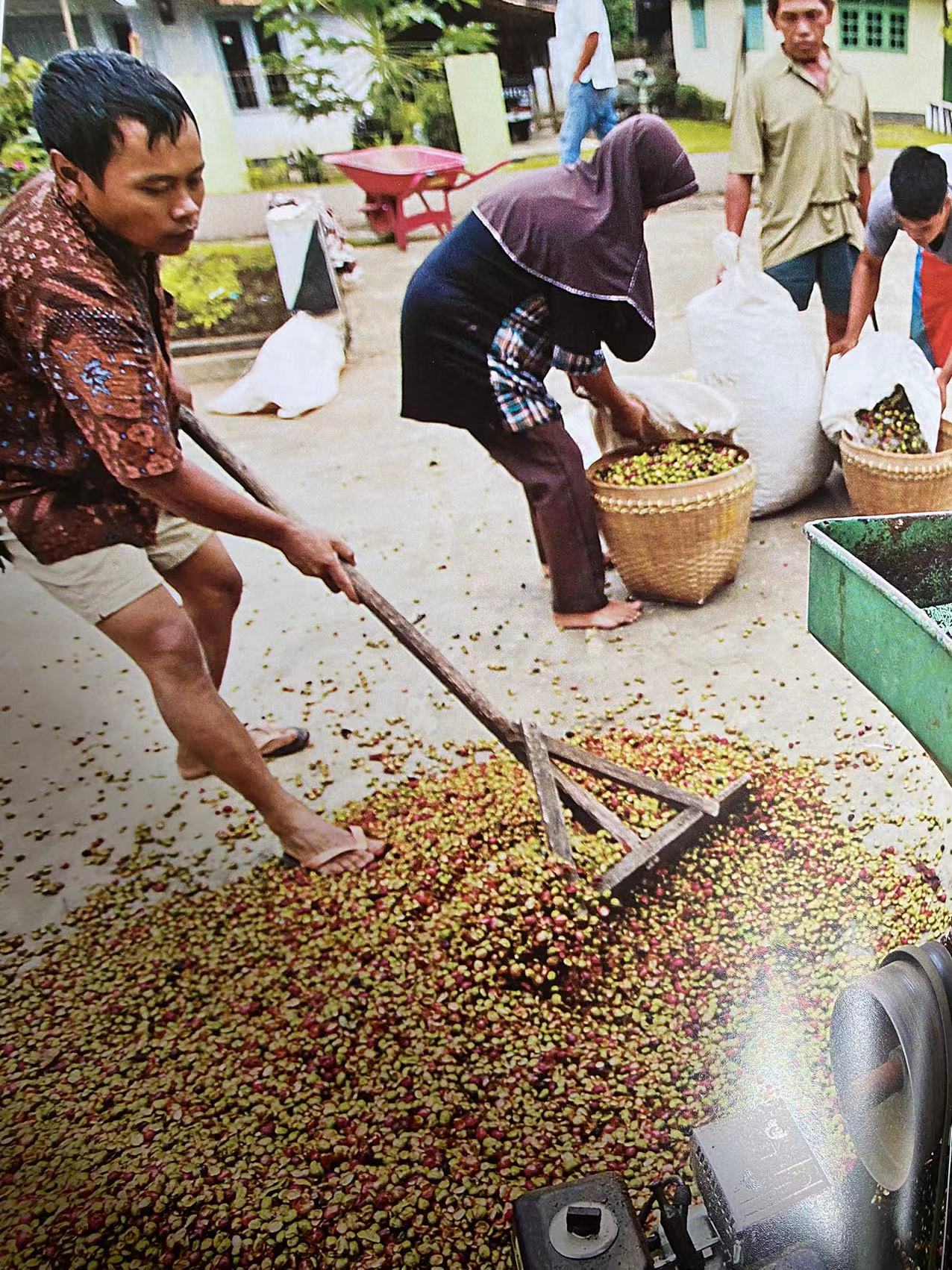
What is the difference between wet-hulled and semi-natural processed coffee beans? What are the characteristics of wet-hulled processed coffee beans?
Coffee

What is the difference between wet-hulled and semi-natural processed coffee beans? What are the characteristics of wet-hulled processed coffee beans?

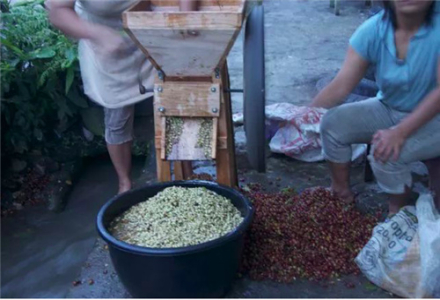
Wet-hulled processing is a coffee processing method from Indonesia. Here's the specific process of wet-hulling: Farmers first harvest ripe coffee cherries and place them in water tanks to use flotation to remove debris and unripe coffee cherries. Then a depulper is used to remove the pulp and skin, preserving the parchment and mucilage before the beans undergo a relatively short fermentation period. Unlike fully washed processing, the parchment-covered beans are then sold to collectors while still having high moisture content (around 30-50%). These collectors quickly hull the beans while they're still moist, hence the name "wet-hulled." This unique processing method results in coffee beans with distinctive earthy, spicy, and sometimes woody flavors with lower acidity and a fuller body compared to other processing methods.

The Difference Between Pour-Over Coffee Extraction Rate and Concentration - How to Make Delicious Hand-Ground Coffee?
Coffee

The Difference Between Pour-Over Coffee Extraction Rate and Concentration - How to Make Delicious Hand-Ground Coffee?

Coffee enthusiast: "My homemade pour-over coffee smells wonderfully aromatic, but something feels off when I taste it! It's not unpleasant—the expected acidity and sweetness are there—but I feel like something's missing..." FrontStreet Coffee: Do you feel it lacks complexity, with the coffee flavor tasting rather one-dimensional? Coffee enthusiast: Yes, yes, exactly!

Brazilian Coffee Beans | An Introduction to Brazil's Premium Coffee Growing Regions and Their Flavor Profiles
Coffee

Brazilian Coffee Beans | An Introduction to Brazil's Premium Coffee Growing Regions and Their Flavor Profiles

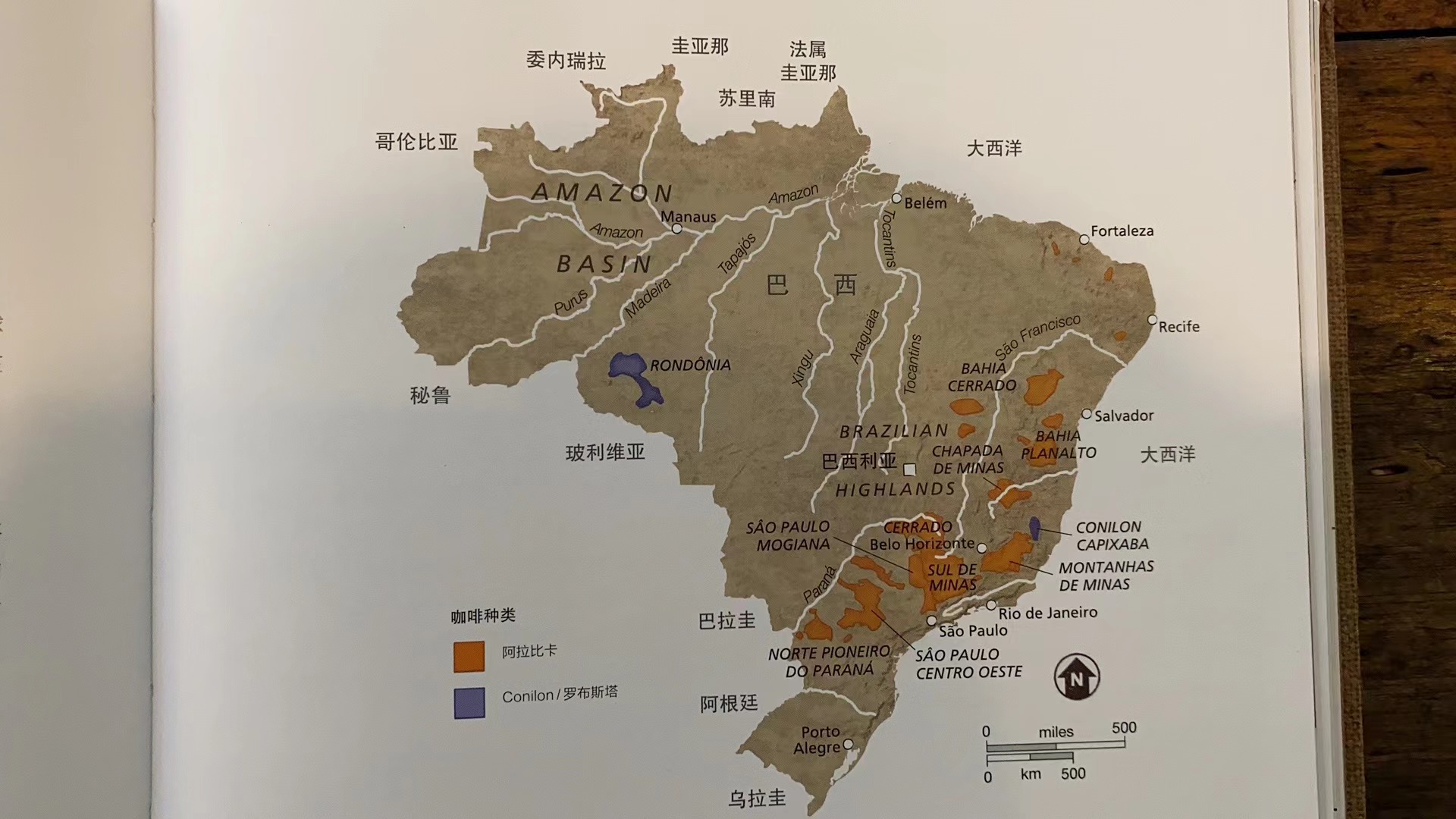
Brazil is the world's largest coffee producer, currently cultivating about one-third of the world's coffee trees and commanding 80% of the global coffee market. As the world's most advanced and industrialized coffee-producing nation, Brazil has traditionally focused on volume over quality, resulting in a less prestigious international reputation. The history of coffee cultivation in Brazil dates back to the 17th century.

Kenya AA|Kenya Coffee Growing Region Flavor Grading Standards Introduction to Kenya Coffee K72 Washed Processing Method
Coffee

Kenya AA|Kenya Coffee Growing Region Flavor Grading Standards Introduction to Kenya Coffee K72 Washed Processing Method

Topic: Kenya AA Coffee Bean Flavor Profile Growing Region Introduction Nyeri, Kirinyaga Coffee Growing Region Characteristics "I want to drink some coffee with more acidity" "How acidic?" "I want the most acidic one you have, as acidic as possible!" "Alright, barista, brew him a pot of Kenya!" This was a conversation that took place recently at FrontStreet Coffee's storefront.

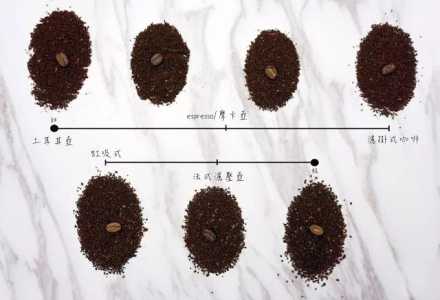
How to Brew Fine Coffee Powder? How to Brew Specialty Coffee Beans for Optimal Flavor?
Coffee

How to Brew Fine Coffee Powder? How to Brew Specialty Coffee Beans for Optimal Flavor?

How should fine coffee powder be brewed? Coffee bean grinding can never achieve uniformity across every bean, which is why the coffee industry has established what's known as cupping grind—where ground coffee beans are sifted through a 20mm sieve, and achieving a 70% pass-through rate defines the cupping grind standard. Generally, coffee bean evaluations are conducted using this specific grind size.

Oct 25, 2021 · By FrontStreet Coffee · 26 reads · #coffee brewing #fine coffee powder #specialty coffee beans #grinding techniques
Honey Processed Coffee Beans | Differences Between Black, Red, and Yellow Honey Processing | Identifying Characteristics of Natural, Washed, and Honey Processing
Coffee

Honey Processed Coffee Beans | Differences Between Black, Red, and Yellow Honey Processing | Identifying Characteristics of Natural, Washed, and Honey Processing

FrontStreet Coffee has previously explained the characteristics and differences between washed and natural processed coffee beans. For those who haven't quite understood, you can check out our guide [here]! As for honey processed coffee beans, many have been curious about what they're like and their flavor profiles. Today, FrontStreet Coffee will explain what honey processing is all about.

Indonesian Coffee Beans|Introduction to Asian Indonesian Coffee Bean Growing Regions
Coffee

Indonesian Coffee Beans|Introduction to Asian Indonesian Coffee Bean Growing Regions

Coffee cultivation in Asia has predominantly focused on Robusta varieties, partly due to local communities' greater demand for tea compared to coffee in their daily lives, and partly because, historically speaking, Robusta coffee beans have been favored for their economic advantages, including high yields and strong disease resistance, making them well-suited to local environmental conditions.

Colombian Premium Coffee Beans | Introduction to Colombian Premium Coffee Growing Regions
Coffee

Colombian Premium Coffee Beans | Introduction to Colombian Premium Coffee Growing Regions

Colombian coffee gained significant global influence as early as the 1910s, thanks to its unique market vision and marketing strategies. Most marketing and promotion initiatives were launched by the Colombian Coffee Growers Federation (FNC), with the most famous coffee profile being "Mountain Coffee" (Mou

How to Brew Coffee Beans at Home for Best Taste? Do They Need to Be Ground?
Coffee

How to Brew Coffee Beans at Home for Best Taste? Do They Need to Be Ground?

Many people notice in coffee shops that baristas grind coffee beans before brewing. This is actually to increase the extraction area of the coffee beans. An unground coffee bean has an extraction surface area of about 2 square centimeters, but after grinding, the surface area of the coffee particles increases exponentially

Oct 25, 2021 · By FrontStreet Coffee · 29 reads · #coffee brewing #home coffee #grinding beans #coffee extraction #coffee preparation
How to Pour Water for Pour-Over Coffee? How Many Stages of Pouring Are Best? What's the Difference?
Coffee

How to Pour Water for Pour-Over Coffee? How Many Stages of Pouring Are Best? What's the Difference?

Why does pour-over coffee require staged pouring? Currently, mainstream pouring methods are divided into at least two stages. Why? Because... because they both need blooming! The first stage of pouring is for blooming, and subsequent pourings extract coffee substances, so at least two stages are needed. Splish splash!! Just kidding, what most friends are concerned about is...

What are the different types of Geisha coffee? Flavor evaluation of Mirasu raisin-processed Geisha coffee, Costa Rican Geisha.
Coffee

What are the different types of Geisha coffee? Flavor evaluation of Mirasu raisin-processed Geisha coffee, Costa Rican Geisha.

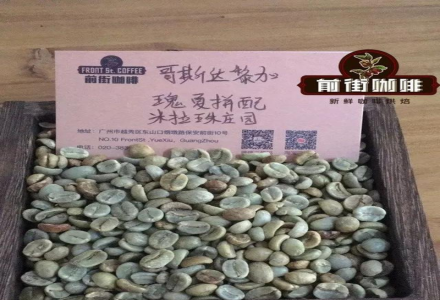
The Mirasu Geisha blend coffee beans utilize a raisin honey processing method. The plantation owner first screens the harvested coffee fruits, placing the selected coffee fruits on raised beds to dry for at least three days. After removing the fruit skin while retaining the mucilage, they are further dried. During the drying process, these coffee beans must be constantly turned to ensure even drying.

Oct 24, 2021 · By FrontStreet Coffee · 35 reads · #Geisha coffee #Mirasu #raisin processing #Costa Rican coffee #flavor evaluation
Why Coffee Machine Coffee Isn't Strong & Why Espresso Needs Daily Calibration
Coffee

Why Coffee Machine Coffee Isn't Strong & Why Espresso Needs Daily Calibration

"Why do we need to calibrate espresso extraction parameters every day? It's the same batch of coffee beans, the same machine, the same extraction plan, so shouldn't everything remain constant?" Actually, things do change! You might not notice it in just a day or two, but by the time you do discover the problem, who knows how many customers have already been served unpleasant coffee~

Why Does Pour-Over Coffee Have a Smoky Flavor? What to Do When Your Pour-Over Coffee Tastes Smoky - Flavor Review of Washed Flower Goddess Coffee Beans
Coffee

Why Does Pour-Over Coffee Have a Smoky Flavor? What to Do When Your Pour-Over Coffee Tastes Smoky - Flavor Review of Washed Flower Goddess Coffee Beans

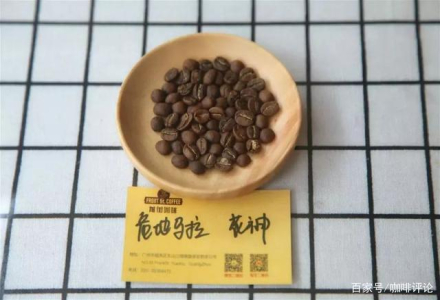
Coffee beans reveal different flavors after roasting, but due to variations in growing environment, climate, soil, and moisture content, coffee "flavors" can vary slightly. Is it normal for some coffee to have a smoky taste? What causes a heavy smoky flavor? FrontStreet Coffee now explores this topic with you. There are two scenarios that can cause smoky sensations.