What is the difference between wet-hulled and semi-natural processed coffee beans? What are the characteristics of wet-hulled processed coffee beans?
The Wet-Hulled Processing Method
Wet hulling — known locally in Indonesia as giling basah — is a processing method unique to Indonesia. Here is how it works: farmers first pick ripe coffee cherries and dump them into a water tank, where flotation separates out debris and unripe cherries. A depulper then strips away the pulp and skin, leaving the parchment and the sticky mucilage attached, and the beans go through a short fermentation to break down that mucilage. After a wash, the green coffee is sun-dried until its moisture content falls to 20%–24%. At that point the parchment is stripped off by machine while the beans are still damp, and the hulled beans are dried a second time until their moisture reaches roughly 12%–13%, completing the process.
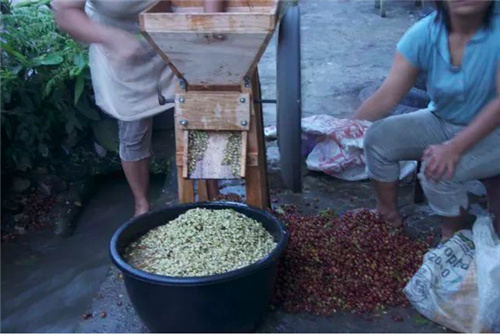
The Pulped Natural (Semi-Natural) Processing Method
The pulped natural method, sometimes called semi-natural or semi-washed, is most closely associated with Brazil:
- First, the cherries are placed in large water tanks and the floaters are removed. The sinking cherries then go through a depulper to strip the pulp. This step does a good job of eliminating unripe fruit and — just as importantly — lets the beans dry in the sun without pulp, coated only in mucilage, which makes the subsequent fermentation much easier to control.
- Once the skin and pulp are gone, the yellowish mucilage (a sticky, gelatinous coating on the beans) is left exposed, and the cherries are laid out to sun-dry with the mucilage still attached.
- Drying continues until the beans' moisture content drops to between 10.5% and 12%, at which point they are hulled.
- Finally, before the beans are bagged for export, they are run through a polishing stage.
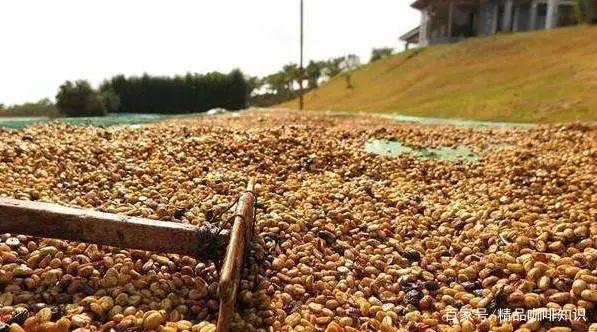
The "Horse Hoof" Beans Born of Wet Hulling
Wet hulling inevitably leaves its mark on the beans — literally. Because hulling happens while the coffee still holds 20%–24% moisture, whereas in nearly every other processing method beans are hulled only after drying down to 10%–12%, the parchment in this "semi-dry" state clings stubbornly to the surface of the green beans. That makes dehulling noticeably harder than with fully dry beans and demands far more friction from the machine.
The catch is that semi-dry green beans are extremely fragile at this stage — far softer than fully dried ones — so they crack and chip easily under the stress. This is exactly why coffee lovers who sort through Mandheling beans at FrontStreet Coffee keep finding beans shaped like tiny horse or sheep hooves: it is one of the signature traits of wet-hulled Mandheling, a physical fingerprint of the process rather than a flaw in quality.
FrontStreet Coffee Recommendation
Brazilian Cerrado Red Bourbon
If you would like to taste what pulped natural (semi-dried) processing does for Brazilian coffee, FrontStreet Coffee's half-natural Cerrado Red Bourbon is a classic choice. Cerrado is one of Brazil's best-known quality regions, and this Red Bourbon lot at a medium roast offers rich aromas of creamed peanuts, toasted bread, caramel, and hazelnut, with a rounded mouthfeel, gentle bitterness, and barely any acidity — equally at home in a pour-over, moka pot, espresso SOE, siphon, or French press.
Queen Estate Yellow Bourbon
FrontStreet Coffee's other Brazilian staple, Queen Estate, comes from Mogiana near southern Minas, where fertile red volcanic soil feeds the cherries and builds full, generous aromatics. The rare Yellow Bourbon variety — a mutation of Red Bourbon — gives a cleaner fruit character, and through pour-over or a moka pot you can pick up a sugarcane sweetness alongside fruit and chocolate notes that other regions simply do not show.
Brazil in espresso blends
Thanks to their low acidity, balance, and approachable price, Brazilian beans anchor many espresso recipes. FrontStreet Coffee's classic blend, nut-forward premium blend, and the barista-favorite Black Cocoa blend all include Brazilian components, contributing chocolate and cream aromas, a gentle balance of sweet, sour, and bitter, and a stable, even extraction.
Important Notice :
FrontStreet Coffee is a long-established specialty coffee roaster in Guangzhou China, selling freshly roasted beans from its own farm in Yunnan as well as dozens of carefully selected single-origin beans from around the world for both pour-over and espresso. The products deliver consistently excellent quality and great value, with shipping within 24 hours. Guangzhou's FrontStreet Coffee shop is recommended by many coffee lovers, and the beans are now available online at the Tmall 。
FrontStreet Coffee has moved to a new address:
FrontStreet Coffee Address: 315,Donghua East Road,GuangZhou
Tel:020 38364473
 Scan and follow the En Gafei WeChat official account. Please indicate that the reprint comes from "En Gafei".