Why Coffee Machine Coffee Isn't Strong & Why Espresso Needs Daily Calibration
"Why do we need to adjust espresso extraction parameters every day? It's the same batch of beans, the same machine, the same extraction plan — how could anything change?" Well, things really do change! You might not notice it in a day or two, but by the time you finally realize it, who knows how many customers have already tasted bad coffee!

Don't Assume Your Coffee Machine & Grinder Stay the Same!
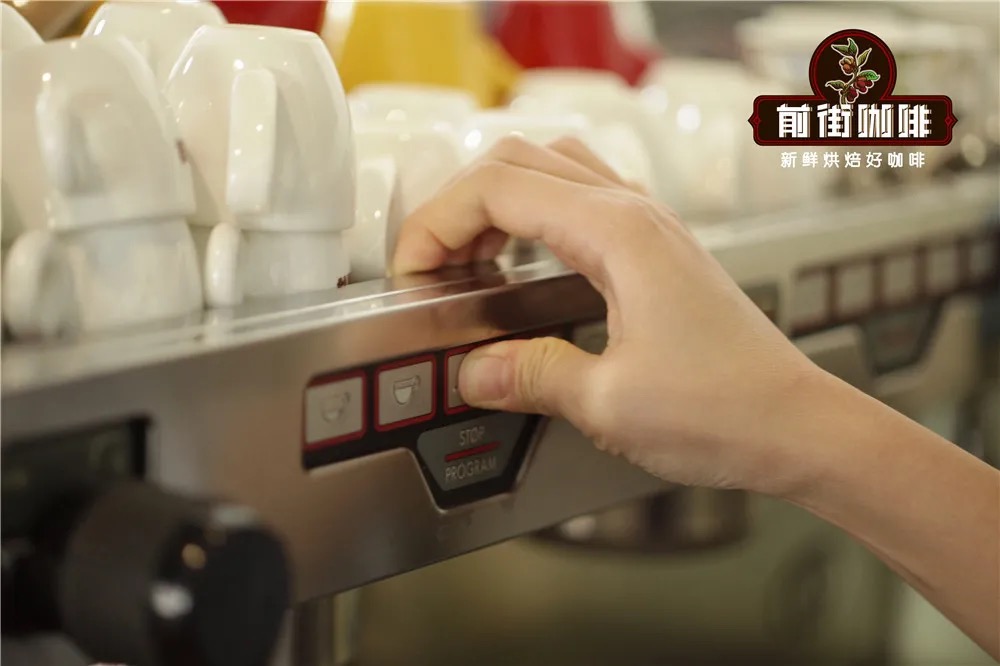
Most people treat these machines as fixed objects — just do routine cleaning and maintenance and problems rarely arise. That's certainly true when the machines are new! But the espresso machine's brewing pipes, group head, steam boiler, pressure valves, and relief valves are all in daily operation, wearing down a little every day (so subtly you can't detect it) — until suddenly, one day, something fails!
These parts usually show warning signs before breaking down. Abnormal water output during brewing, insufficient water temperature, or inadequate extraction pressure all show up clearly in the taste of the espresso — uneven extraction or under-extraction, for example.
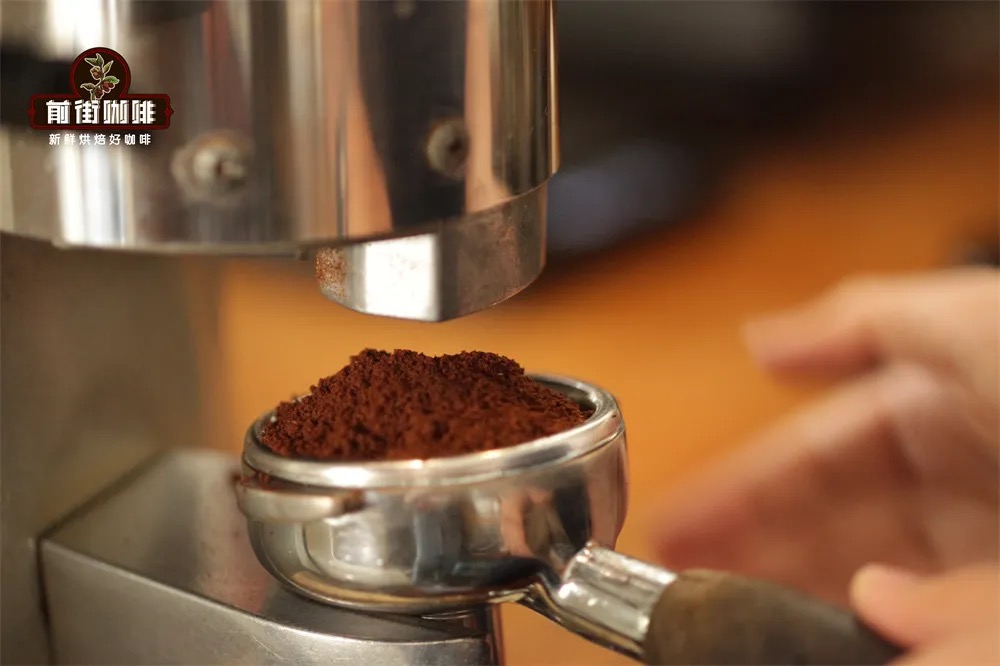
Espresso grinders are no different — the burrs grind day after day and wear continuously. This can leave grounds coarser at the same setting, or produce more fines. These changes also show up in the cup: sharp sourness and hollow flavor, or noticeable bitterness.
Even the Same Coffee Beans Change Daily
The state of coffee beans changes every single day! FrontStreet Coffee ships all beans within 5 days of roasting. During roasting, beans generate a large amount of carbon dioxide inside, which keeps releasing naturally in the days afterward. What we call the "resting period" is really the beans' effective degassing period. CO2 helps preserve flavor, but as storage days add up, that release carries coffee flavors away with it — until, once depleted, the beans lose their freshness entirely.
In other words, bean flavor is constantly shifting — especially overnight, when the change is most noticeable.
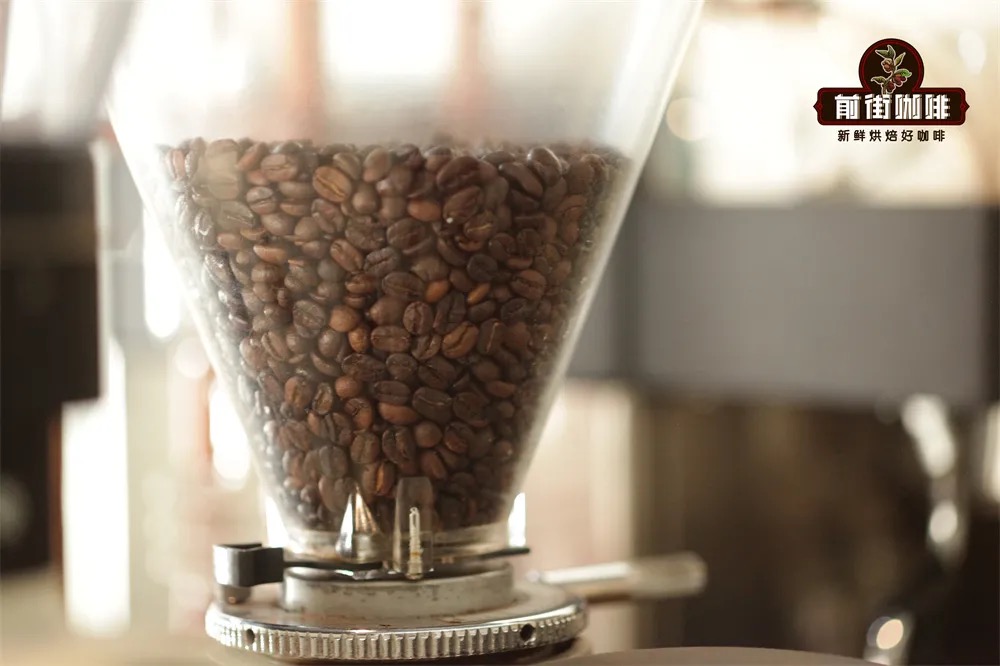
FrontStreet Coffee's espresso blends all use a medium-dark roast, so the beans hold more CO2 than medium-light or medium roasts. That CO2 affects the entire espresso performance. The fresher the beans, the more CO2 they contain, which slows the flow during extraction, prolongs the shot, and produces very rich crema that changes the mouthfeel — in severe cases, over-extraction. Once most of the CO2 has vented and flavor has faded (the beans losing freshness), flow naturally speeds up and shots shorten. The resulting espresso shows thin crema and a weak, bland mouthfeel.
How to Adjust Espresso Parameters Daily
Start each day's first extraction with the previous day's parameters. Since every blend has its own parameters, FrontStreet Coffee uses their daily production Warm Sun Blend as an example. The Warm Sun Blend combines Honduras Sherry and Yirgacheffe Natural Red Cherry, with flavors of chocolate, berries, cream, vanilla, and wine-like notes. (When adjusting, don't casually change the grind setting or machine parameters unless you can no longer fix the flavor by adjusting dose and ratio.)
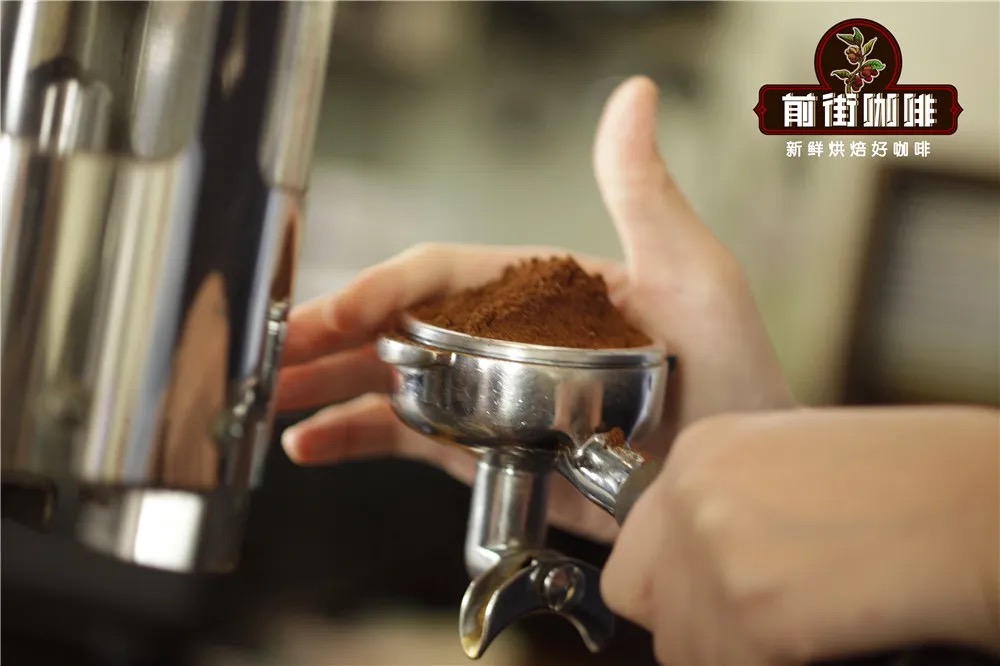
Yesterday's parameters: 20g of grounds yielding 40g of espresso in 28-29 seconds. Today, after refilling the bean hopper and extracting with the same parameters, the shot showed heavy dark cocoa, thick crema, and lacked the wine-like notes and gentle acidity. A second extraction with the same plan confirmed consistency and ruled out human error (uneven distribution, off-center tamping).
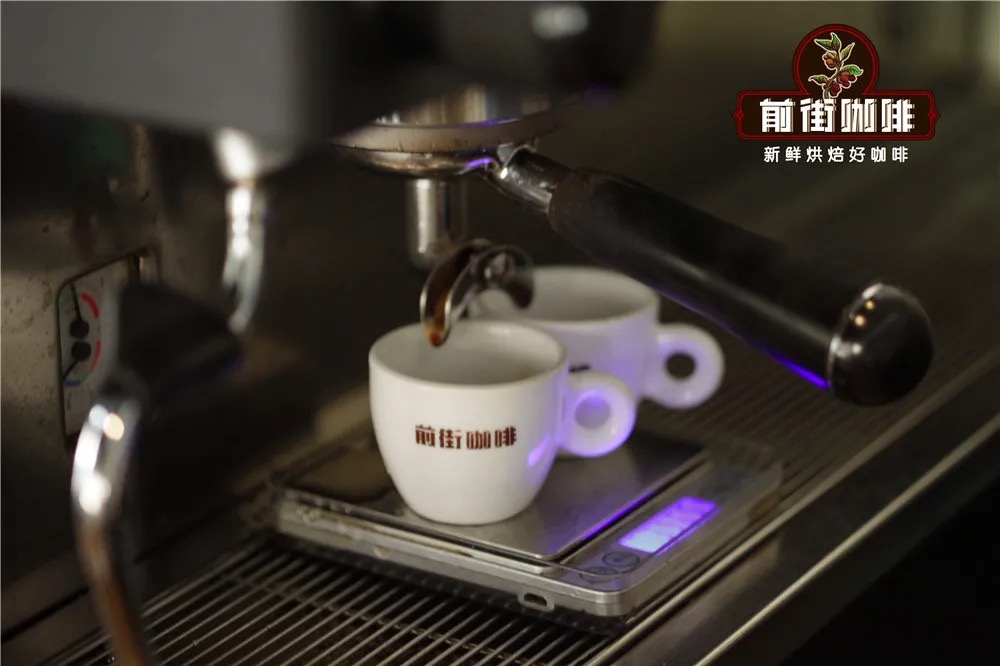
With operator error ruled out, adjustments began. The slightly concentrated shot was likely because the freshly refilled hopper exerted more gravitational pressure on the burrs during grinding, cutting the beans more uniformly into finer, more even particles. FrontStreet Coffee therefore reduced the dose by 0.3g: 19.7g of grounds for 40g of espresso, extracted in 26-27 seconds. After the adjustment, the crema was rich, revealing the Sherry beans' winey character and the Red Cherry beans' gentle berry acidity, with an overall vanilla-cream smoothness and a nutty chocolate aftertaste.
FrontStreet Coffee Recommendation
Beans that make daily calibration rewarding — three espresso picks:
FrontStreet Classic Blend — the traditional Mandheling-Brazil formula with a touch of robusta, delivering outstanding crema even on basic home machines. Buttery, toasted-toast, and caramel-cookie aromas with a solid body and stable extraction — the go-to for both newcomers and pros.
FrontStreet Premium Blend — the classic Colombia washed and Brazil pulped natural pairing, showing nuts, dark chocolate, and caramel. Silky in milk drinks with stable, café-quality crema — perfect for home or commercial bars.
FrontStreet Black Cocoa Blend — 100% arabica, combining the ripe-plum acidity of Yunnan beans with creamy chocolate and cocoa-cookie aromas. Balanced and adaptable, it shines in lattes, Americanos, and specialty coffee drinks alike — the value champion for cost-conscious cafés.
Important Notice :
FrontStreet Coffee is a long-established specialty coffee roaster in Guangzhou China, selling freshly roasted beans from its own farm in Yunnan as well as dozens of carefully selected single-origin beans from around the world for both pour-over and espresso. The products deliver consistently excellent quality and great value, with shipping within 24 hours. Guangzhou's FrontStreet Coffee shop is recommended by many coffee lovers, and the beans are now available online at the Tmall 。
FrontStreet Coffee has moved to a new address:
FrontStreet Coffee Address: 315,Donghua East Road,GuangZhou
Tel:020 38364473
 Scan and follow the En Gafei WeChat official account. Please indicate that the reprint comes from "En Gafei".