Which Coffee Filter Paper Brand is Best? How to Choose Between Bleached and Natural Wood Filter Papers: Pros and Cons
Looking at the cover, you might think FrontStreet Coffee is about to promote something - but not really. Here is what happened: FrontStreet Coffee has always used Kono bleached filter paper from Japan, priced at about 0.3 yuan per sheet. Recently we came across a filter paper made in Spain costing nearly 3 yuan per sheet, which immediately caught our interest. What exactly separates two filter papers with a tenfold price gap?

In the past, when FrontStreet Coffee shared knowledge about filter paper, we focused on whether it fits the dripper and whether unbleached or bleached paper is better. This time let's go straight to the core - quality - and what standards we should use to judge it.
Paper More Precious Than Gold
Previously, the expensive filter paper in our view was Chemex, at about 1 yuan per sheet. But this paper at 3 yuan a sheet already opens a significant price gap. Let's see what the seller claims. Since it is so expensive, let's call it "premium filter paper."
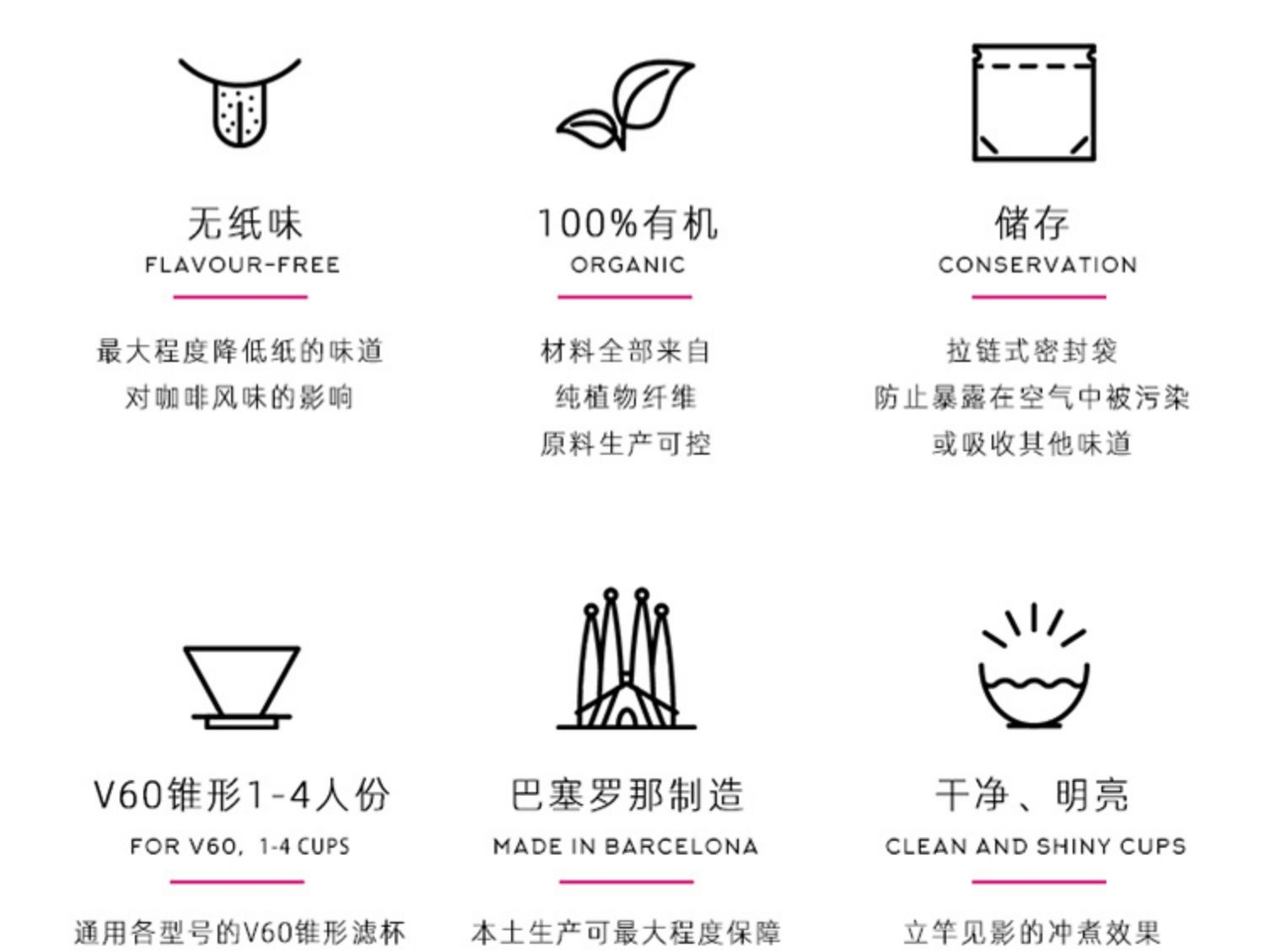
From that we gather the paper has no paper taste, is made of organic materials, features premium packaging, comes only in large filter sizes, and can brew clean, bright flavors. That, however, hardly justifies a tenfold premium.
Comparing Filter Paper Quality
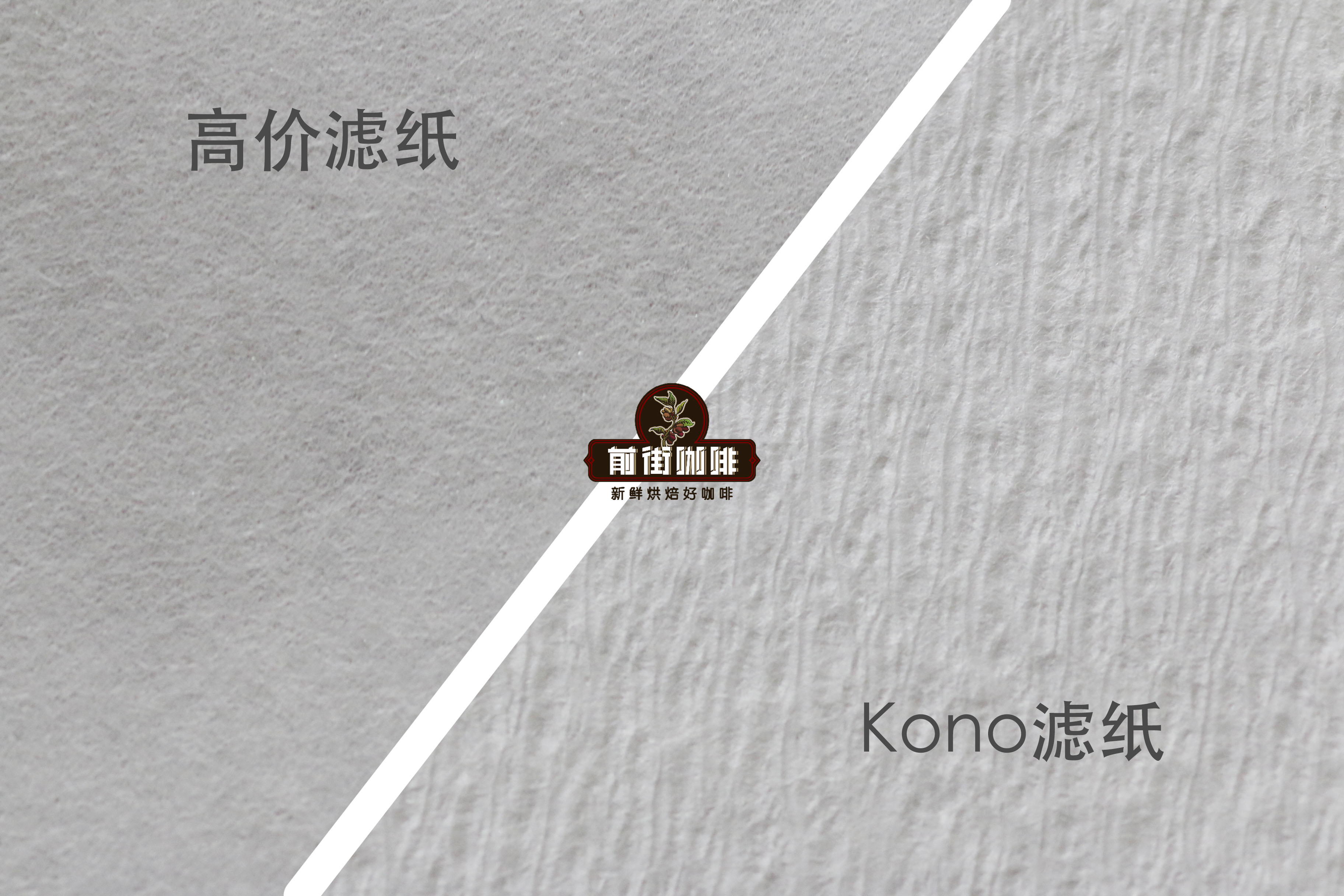
Let's start by comparing materials and structure. Examining the patterns closely, we found the premium paper has a finer texture, while FrontStreet Coffee's usual Kono paper has more obvious long, strip-like raised ridges. As for softness, Kono is softer.
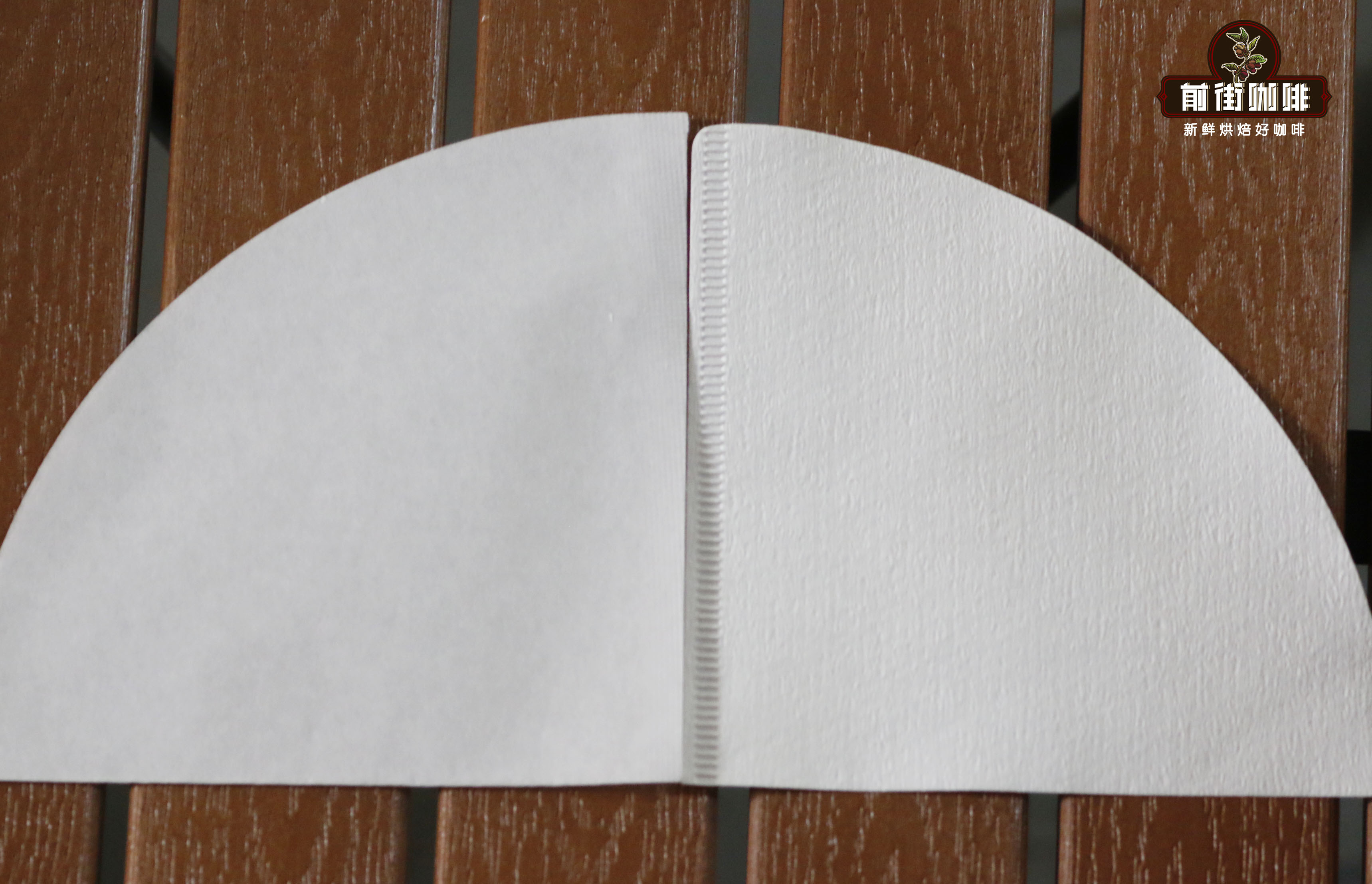
Premium filter paper (left) Kono filter paper (right)
Next, brewing performance. Reading the description, FrontStreet Coffee noticed this paper claims a faster flow rate.
Let's compare them head to head. Since this paper is sized for 1-4 servings, we used Kono size 02 for reference.
Both papers were wetted while fitted into the dripper. The premium paper showed an excellent fit and felt very sturdy, holding its shape well. Kono paper also fits the dripper nicely, but it is less rigid, with parts of it clinging to the dripper wall.
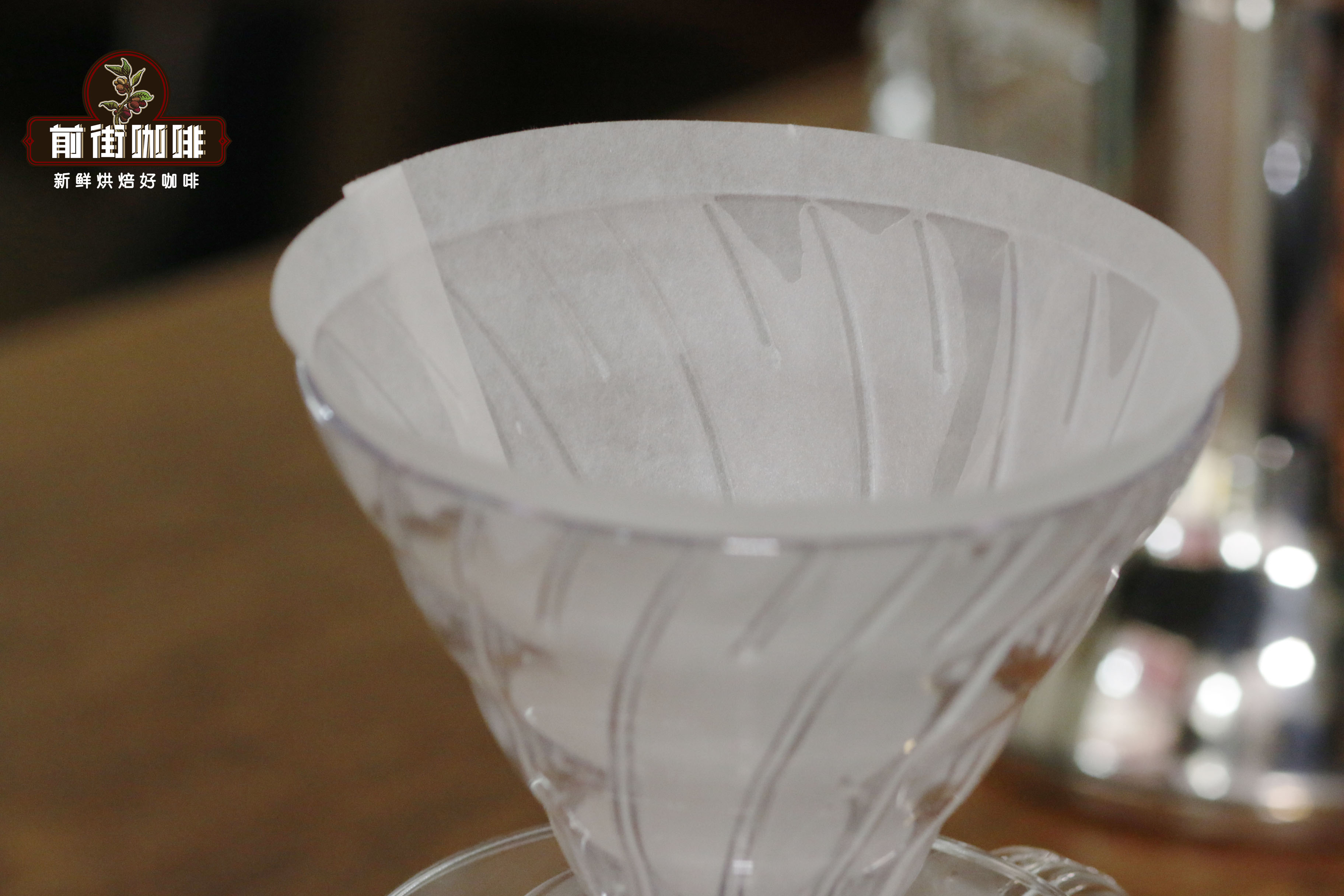
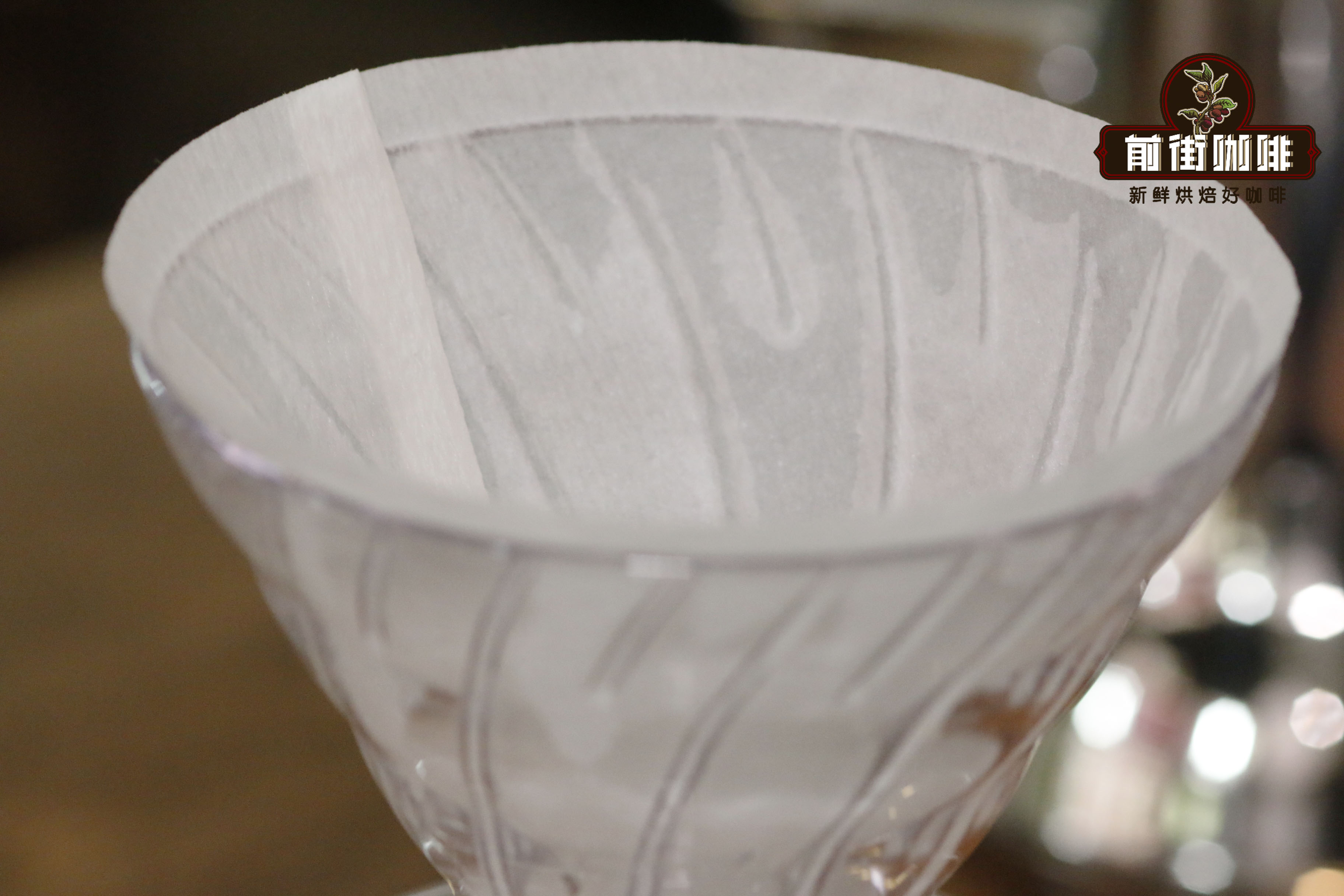
Using Yirgacheffe Red Cherry as the brewing bean (20g) and FrontStreet Coffee's three-stage pour-over method, extraction with the premium paper took 2 minutes 18 seconds, while Kono size 02 took 2 minutes 36 seconds. This confirms the premium paper's claim of a faster flow rate.
Analyzing Brewing Performance
Let's review how each performed during brewing. First, look at these two images.
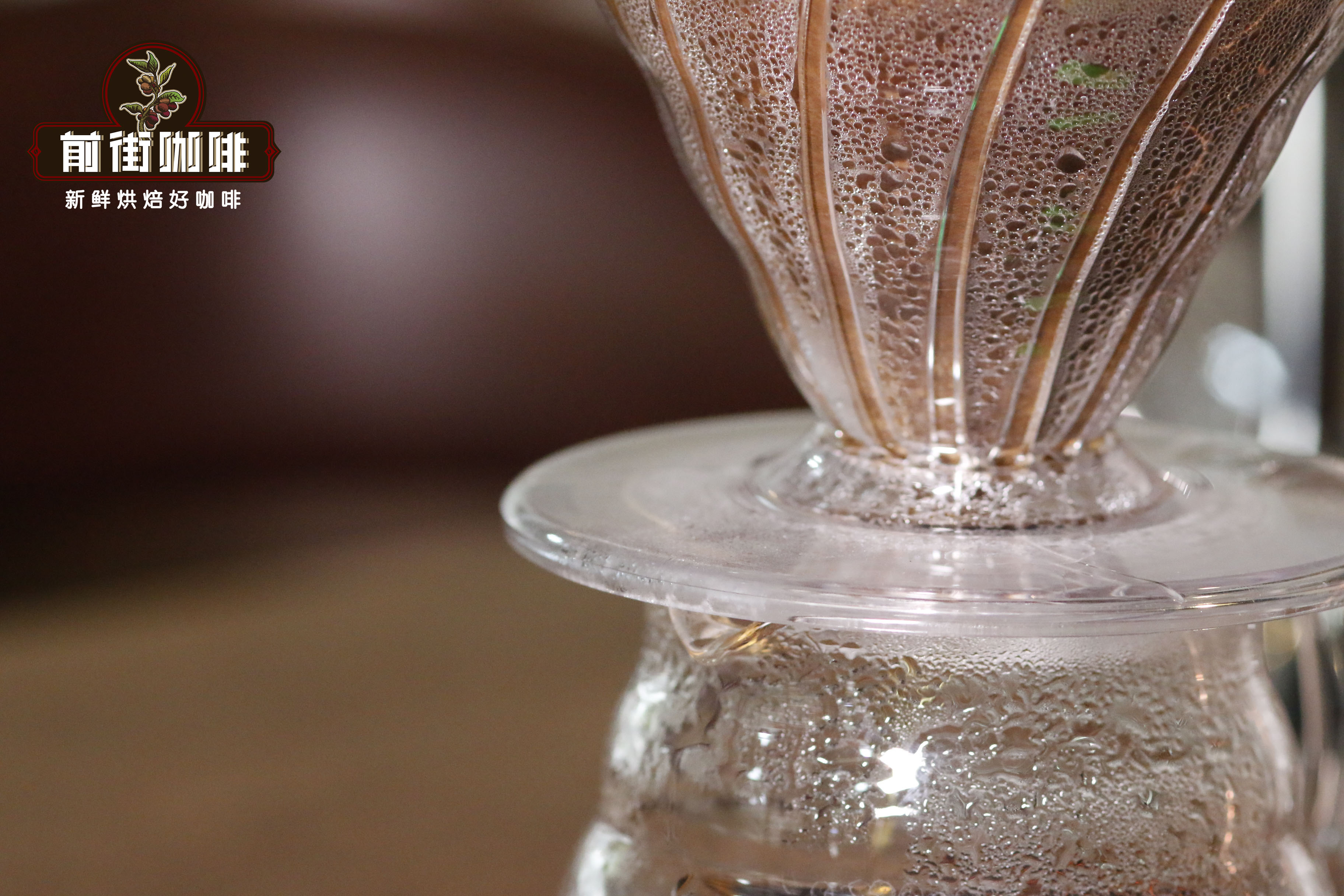
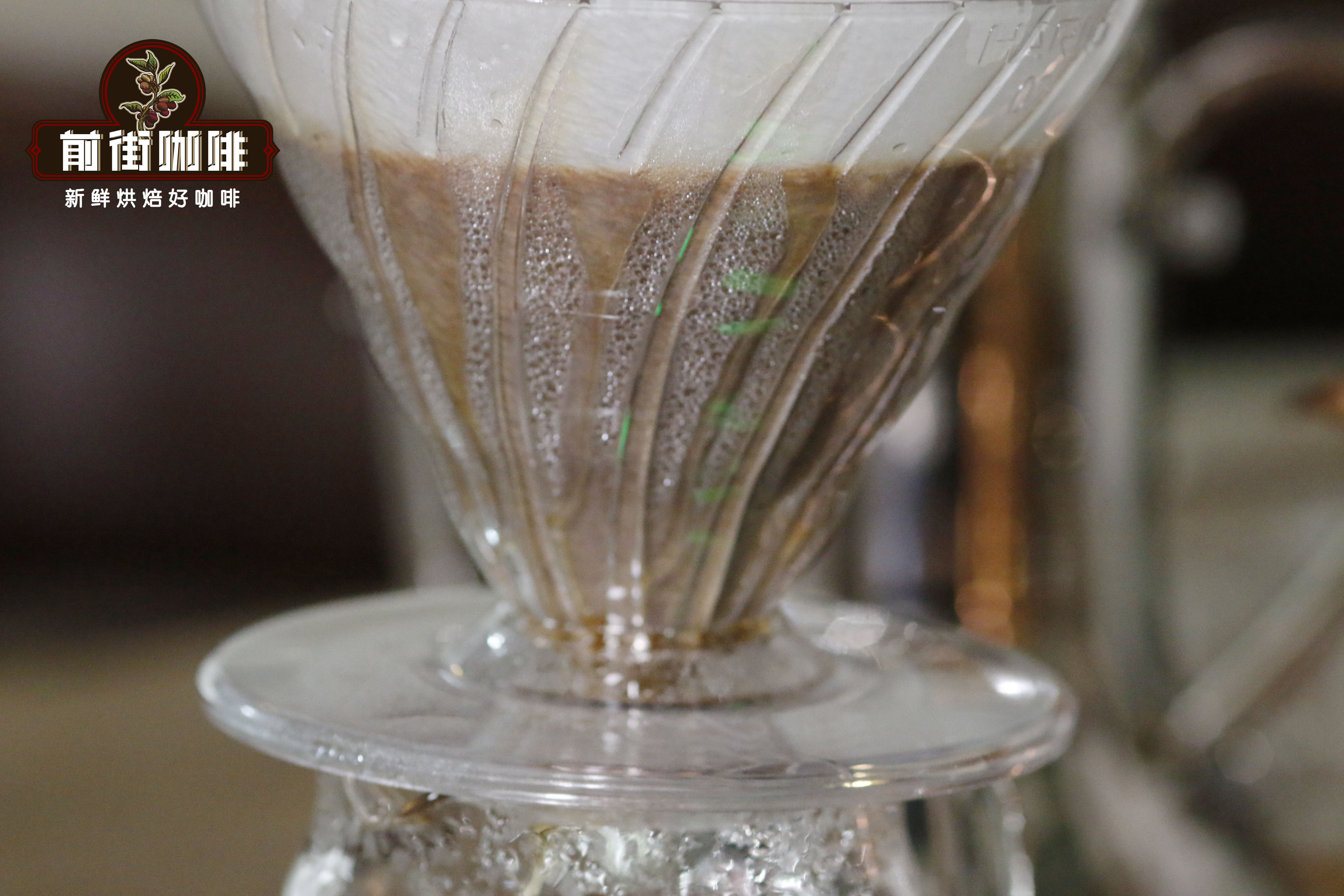
The top image is the premium paper. From the droplets between the ribs, we can see the whole coffee bed had not quite reached the shortest rib, though it was very close. In the bottom image, with Kono, the bed had reached the edge of the short ribs and water was already being channeled downward. Even so, the premium paper still extracted faster, indicating it is thinner and flows faster.
Another observation: the coffee filtered through the premium paper had poorer transparency, with a layer of shiny oil floating on the surface, whereas Kono produced a clearer cup with better transparency. This suggests that for filtering performance, the premium paper is slightly inferior. That is not a knock, of course - some fans of cloth filters actually prefer coffee with more oils.
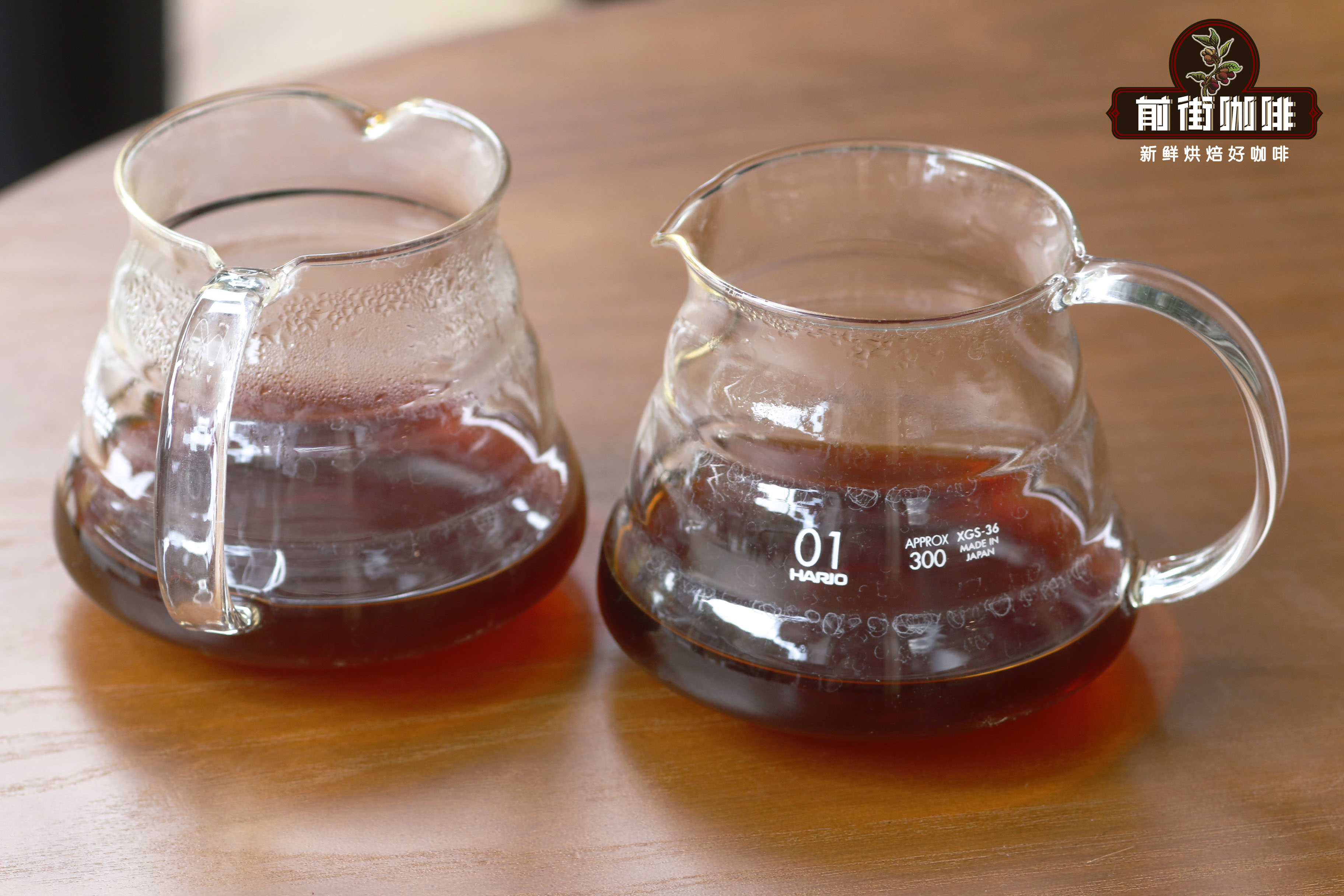
On tasting, the two cups matched their appearance: the coffee through Kono paper was cleaner and brighter, while the premium paper delivered better body and fullness. This somewhat contradicts its claim of brewing immediate brightness and cleanliness.
Perhaps a different brewing method would yield different results. Overall, this filter paper is quite pleasant to use. The improvement in flavor, however, is not dramatic - meaning spending ten times the price may only buy you about 1.5 times the experience.
FrontStreet Coffee Recommendation
Whichever filter paper you choose, the beans matter more. For pour-over, FrontStreet Coffee recommends starting with FrontStreet Ethiopia Sun-Dried Huakui. Its tropical-fruit aroma is striking - strawberry, passion fruit, jackfruit, even lychee - with clear sweetness and very low bitterness, landing smooth and juicy in the cup.
If you prefer the classic Ethiopian profile, FrontStreet Washed Yirgacheffe Gunding Cooperative is a textbook example, with jasmine florals, bright citrus and lemon acidity, and a tea-like aftertaste that is easy to love.
For an everyday, budget-friendly option, FrontStreet Brazil Cerrado Red Bourbon is a classic single-origin Brazil bean whose medium roast brings creamy peanut, toast, caramel, and hazelnut aromas - rounded, low in acid, with just a touch of bitterness.
Important Notice :
FrontStreet Coffee is a long-established specialty coffee roaster in Guangzhou China, selling freshly roasted beans from its own farm in Yunnan as well as dozens of carefully selected single-origin beans from around the world for both pour-over and espresso. The products deliver consistently excellent quality and great value, with shipping within 24 hours. Guangzhou's FrontStreet Coffee shop is recommended by many coffee lovers, and the beans are now available online at the Tmall 。
FrontStreet Coffee has moved to a new address:
FrontStreet Coffee Address: 315,Donghua East Road,GuangZhou
Tel:020 38364473
 Scan and follow the En Gafei WeChat official account. Please indicate that the reprint comes from "En Gafei".