The Difference Between Pour-Over Coffee Extraction Rate and Concentration - How to Make Delicious Hand-Ground Coffee?
"My pour-over smells wonderfully aromatic, but when I taste it, something feels off! It's not unpleasant - the expected acidity and sweetness are all there - but something seems to be missing..."
FrontStreet Coffee: Does it feel one-dimensional, as if all the flavors blur together?
Friend: Yes, yes, yes, exactly!!!
FrontStreet Coffee: Your coffee concentration might be too high!
Friend: But shouldn't high concentration create unpleasant flavors?!

Concentration and Extraction Rate Are Not the Same Thing
Many brewers treat concentration and extraction rate as interchangeable, but that's not accurate. Extraction rate refers to how much of the bean's substance gets released during brewing: a coffee bean is roughly 70% woody fiber and 30% soluble compounds, and we only need to extract 18%-22% of it. Concentration, on the other hand, is the proportion of dissolved solids in the finished liquid - and for pour-over, it generally stays below 2%.
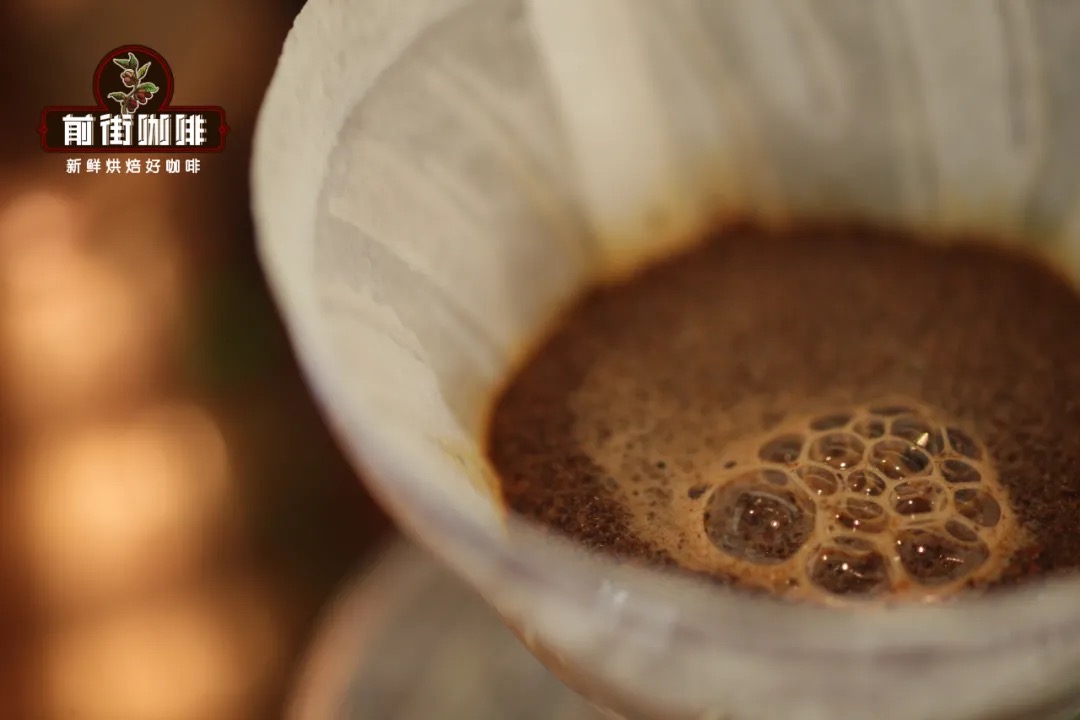
Simply put: extraction rate is how much the water pulls out of the coffee particles; concentration is how much of that ends up dissolved in the water. And yes, you read that right - not everything released dissolves immediately. During brewing, soluble compounds are released in three stages: acids, then sweets, then bitters. They fall into two broad categories: volatile aromatics and taste compounds.
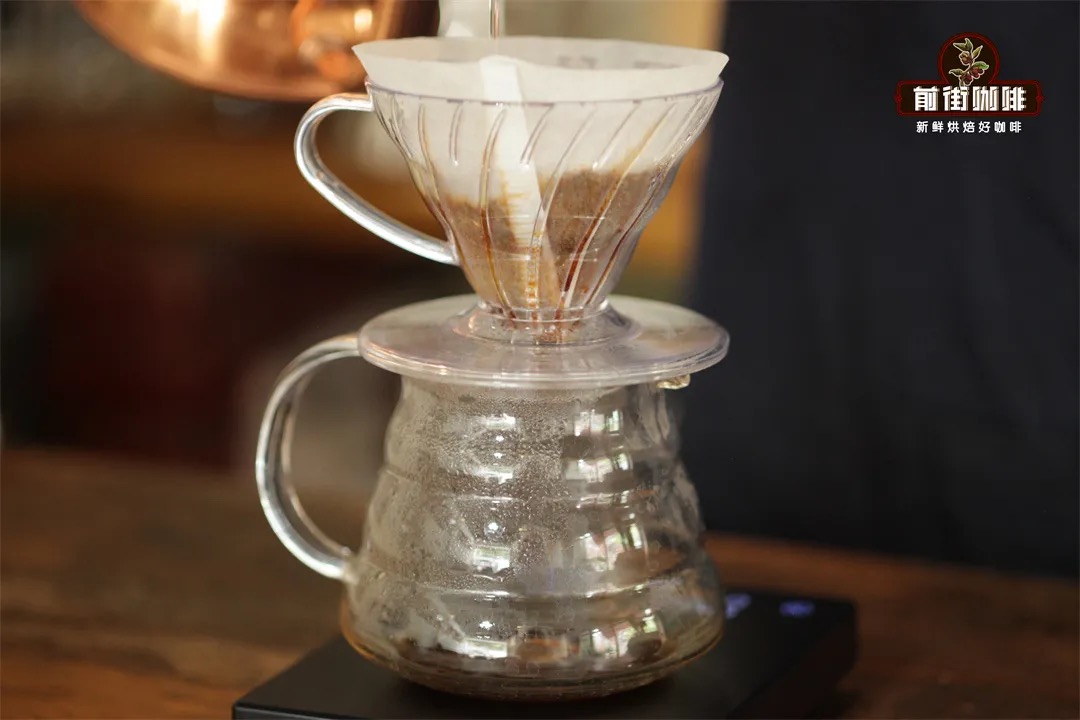
Take a light-to-medium roast. The acids and sugars released in the early and middle stages of extraction contribute most of the coffee's concentration, while the bitters released late typically dilute that concentration and add body. A moderate amount of bitterness gives coffee structure; too much (over-extraction) brings harsh, unpleasant sensations. In other words: high concentration doesn't necessarily mean bitterness, but over-extraction will make coffee taste strong and harsh.
High Concentration Doesn't Necessarily Mean Bad Flavor!
As FrontStreet Coffee just noted, concentration depends largely on early-to-middle stage extraction. If your finished cup is fragrant but tastes flat and uniform, you may be looking at high concentration with low extraction: you've only pulled the early and middle stage compounds, without extracting enough of the later-stage material that dilutes concentration and adds body.
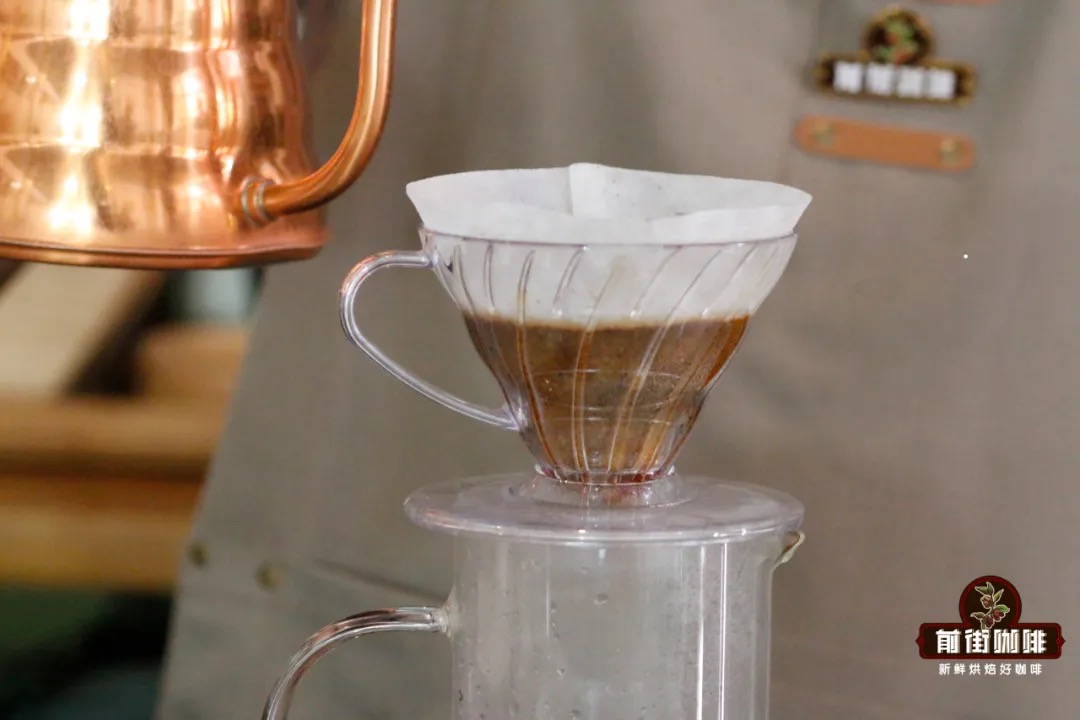
High-concentration, low-extraction coffee tastes intensely concentrated, so the palate can't pick out individual flavors. To demonstrate, FrontStreet Coffee deliberately brewed Guancai 5.0 beans this way: 15g of medium-ground coffee, a 30-second bloom, faster pouring in the later stages, collecting 165ml of coffee at a 1:11 ratio. The result: rich floral and fruit aromas, very full berry acidity and sweetness - but no dimension at all. Just berry acidity and sweetness from start to finish.
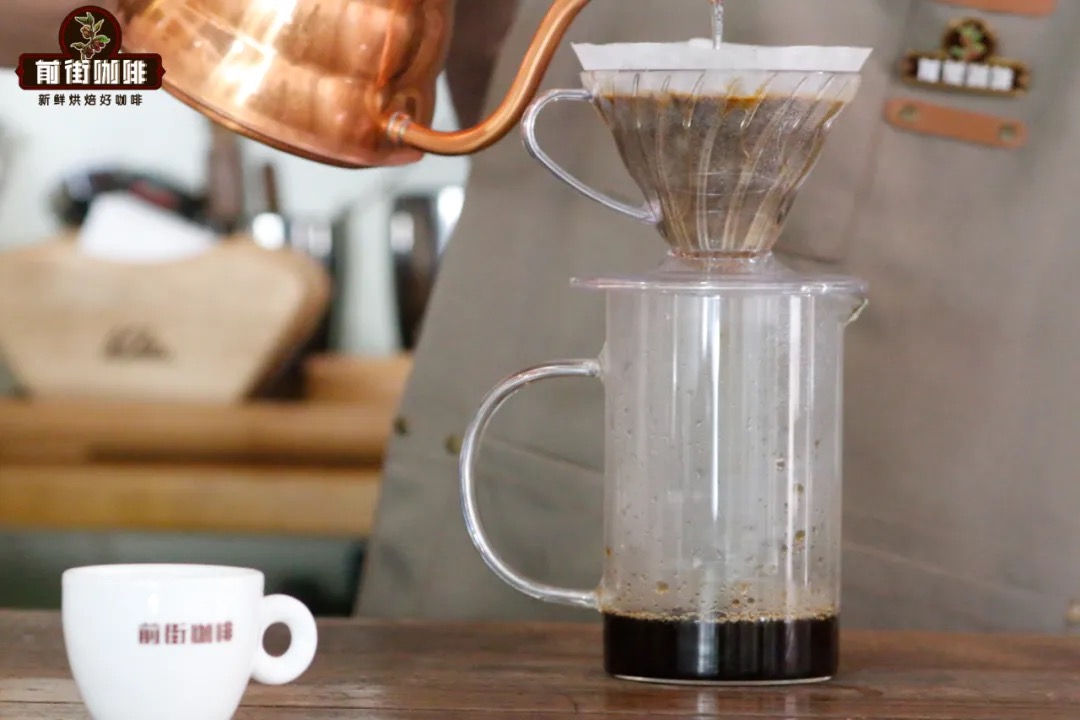
When concentration runs too high, the flavor compounds are so dense that taste buds can't separate them. The fix for high-concentration, low-extraction coffee is bypass: add warm water in small portions (5g at a time is a good rule), shake well, taste a little, and decide whether to add more - stopping once new flavors begin to appear.
FrontStreet Coffee added about 40g of warm water to this Guancai 5.0 brew. The diluted cup showed soft mixed-berry aromas, the fullness of strawberry juice, and black tea notes - though because the body-building compounds had been under-extracted, the bypassed coffee felt light and unburdened on the palate.
FrontStreet Coffee Recommendation
Getting extraction right matters as much as the beans themselves, and a capable dripper helps. The Hario V60's 60-degree cone and single large outlet give you precise control over flow - ideal for experimenting with concentration and extraction rate the way this article describes. FrontStreet Coffee favors the resin version for its heat retention and consistent manufacturing.
For beans that reward careful brewing, try FrontStreet Ethiopia Yirgacheffe Guodingding, a washed Yirgacheffe with citrus, berry, and jasmine layers, or FrontStreet Ethiopia Hambela Natural, whose tropical fruit aromatics give you plenty of dimension to taste for as you bypass and re-taste. Both are excellent benchmarks for learning what full, even extraction really tastes like.
Important Notice :
FrontStreet Coffee is a long-established specialty coffee roaster in Guangzhou China, selling freshly roasted beans from its own farm in Yunnan as well as dozens of carefully selected single-origin beans from around the world for both pour-over and espresso. The products deliver consistently excellent quality and great value, with shipping within 24 hours. Guangzhou's FrontStreet Coffee shop is recommended by many coffee lovers, and the beans are now available online at the Tmall 。
FrontStreet Coffee has moved to a new address:
FrontStreet Coffee Address: 315,Donghua East Road,GuangZhou
Tel:020 38364473
 Scan and follow the En Gafei WeChat official account. Please indicate that the reprint comes from "En Gafei".