The Story of Rwandan Coffee Processing Stations: The Cultivation Environment and Flavor Characteristics of Gishek Specialty Coffee
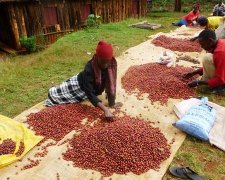
The other day, FrontStreet Coffee discovered Rwandan coffee beans that came not from a single estate but from a washing station. Intrigued, we wondered whether Rwanda worked like Kenya, where smallholder farmers deliver their cherries to shared washing stations.
Research confirmed that it does. Most Rwandan farmers cannot build large independent washing stations the way the world's major estates do; for many, coffee is a part-time crop, with the rest of their land given over to food. That is precisely why so many community coffee mills have sprung up.
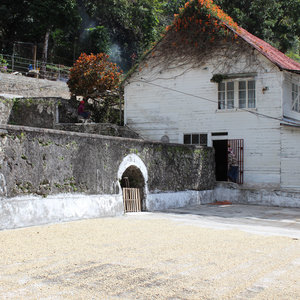
Rwanda Coffee Processing Stations
Bugoyi is one of six washing stations operated by Emmanuel Rusatira and his family. Since 2017, driven by dedication and passion for coffee, he has processed fully washed, natural, and honey coffees there. Its position on the shores of Lake Kivu brings gentle breezes and soft sunlight, perfect for cooling and drying beans evenly. Eighty percent of the Bugoyi workforce is women. Damascen Ntibiramira, the station manager, is a mobilization specialist who makes Bugoyi attractive to farmers; Adelphine Nyiranzabonimpaye, the quality control manager with seven years in the industry, oversees coffee drying and is indispensable to Baho Coffee. Together they work with 1,500 local smallholder farmers, who deliver their cherries on foot or by bicycle.
FrontStreet Coffee's Rwandan Gashaki coffee comes from the Nyamasheke plateau.
This spectacular harvest grows around the Albertine Rift mountains. Lake Kivu, one of Africa's Great Lakes, forms Rwanda's western border with the Democratic Republic of Congo. The region offers superb coffee conditions: plateaus rich in volcanic soil at elevations averaging 1,700–2,100 meters.
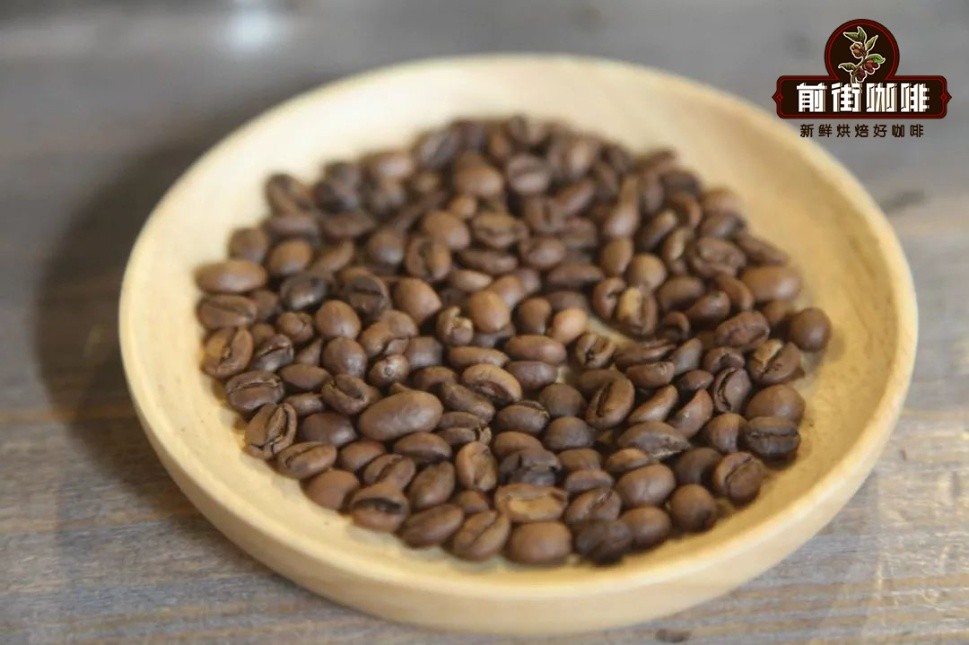
Horizon Supreme is a washing station in Rwanda's mountainous south, where high altitude and abundant rainfall yield some of the country's finest specialty coffee.
Its owner, Leo Fidele Ndagijimana, bought the wet mill from a previous owner who had failed to run it and hadn't processed coffee there for years. After purchasing it in late 2018, Fidele replaced and repaired the machinery and drew on his experience managing washing stations in western Rwanda to set new quality benchmarks. This capable trader also secured additional land near the station for coffee cultivation.
Rwanda Ngororero is another station worth watching: its region shows high potential for refined, fruit-forward cup profiles. Coffee from Ngororero is renowned worldwide for its quality and taste — in October 2018 the station took two of the highest honors at the Ernesto Illy International Coffee Awards, and more than 1,500 coffee consumers worldwide preferred it over all other entrants, awarding it the "Coffee Lovers Award."
FrontStreet Coffee Recommendation
More Washed Coffee from FrontStreet Coffee
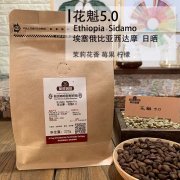
What makes washed coffee — the method behind most Rwandan lots — so beloved? In washing, cherries are floated, pulped, fermented, and soaked to strip the mucilage before drying; the long water contact consumes simple sugars while preserving the bean's own aromatics, leaving the bright fruit acidity, clarity, and freshness that washed coffee is famous for. FrontStreet Coffee's washed favorites:
The FrontStreet Yirgacheffe Guodingding Cooperative lot comes from a small, highly skilled processing team in Ethiopia whose meticulous washing shows jasmine florals and bright citrus acidity at their purest; after a medium-light roast, green tea and honey tones emerge, and it suits pour-over, cold brew, and espresso alike. The FrontStreet Kenya Cherry Tomato is the best-known example of Kenya's double washed process, where repeated rinsing and soaking push juiciness to the extreme — cherry tomato, dried plum, snow pear, black plum, and yellow sugar in a sweet-tart, juice-like cup that coffee enthusiasts adore. And for classic balance, the FrontStreet Jamaica Blue Mountain No. 1 owes its existence to washing: Jamaica's short island sunshine made drying whole cherries risky, so removing skin, pulp, and mucilage first shortened drying and cut defect rates, producing a luminous bean of pure hazelnut, cream, chocolate, and caramel — perfectly balanced, with nothing dominating and nothing missing.
Important Notice :
FrontStreet Coffee is a long-established specialty coffee roaster in Guangzhou China, selling freshly roasted beans from its own farm in Yunnan as well as dozens of carefully selected single-origin beans from around the world for both pour-over and espresso. The products deliver consistently excellent quality and great value, with shipping within 24 hours. Guangzhou's FrontStreet Coffee shop is recommended by many coffee lovers, and the beans are now available online at the Tmall 。
FrontStreet Coffee has moved to a new address:
FrontStreet Coffee Address: 315,Donghua East Road,GuangZhou
Tel:020 38364473
 Scan and follow the En Gafei WeChat official account. Please indicate that the reprint comes from "En Gafei".