The Impact of Coffee Origin on Specialty Coffee Bean Flavor: Rwanda Single-Origin Coffee Brand Recommendations and Climate-Friendly Practices
The origin of coffee has a significant impact on the flavor of coffee beans. The quality of the soil, the altitude, and even the rainfall in a region determine what kind of coffee can be grown there and the flavor it produces. People often categorize coffee-growing regions by continent, which is a reasonable starting point. South American coffee tastes different from African coffee, while Indonesian coffee is distinctly different from both.
FrontStreet Coffee's pour-over single-origin selection includes many Rwandan coffee beans.
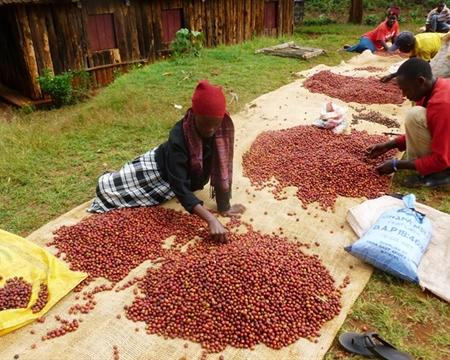
Broadly speaking, African coffee is known for higher acidity and more fruity flavors than coffee from other regions. Ethiopia, Kenya, and Tanzania have produced high-quality coffee for many years, but recently Rwanda has joined the competition. Rwanda has the high altitude and soil quality needed to produce delicious specialty coffee, so it is somewhat surprising that it is not better known as a coffee producer.
When purchasing Rwandan coffee, you will surely wonder which brand you should buy.
Westrock Coffee Company Rwanda
The first one is Westrock Coffee Company Rwanda.
Westrock Coffee's Rwanda Select Reserve Gourmet Dark Roast captures the most desirable characteristics of premium Rwandan coffee, offering rich, robust flavors. This is the true definition of African coffee. This single-origin coffee has a rich, enduring cup with intense smoky cedar flavors and a hint of blackcurrant. From the dry aroma of crisp apples to the wet aroma of light lemon, this coffee will surely delight your senses and satisfy your taste buds.
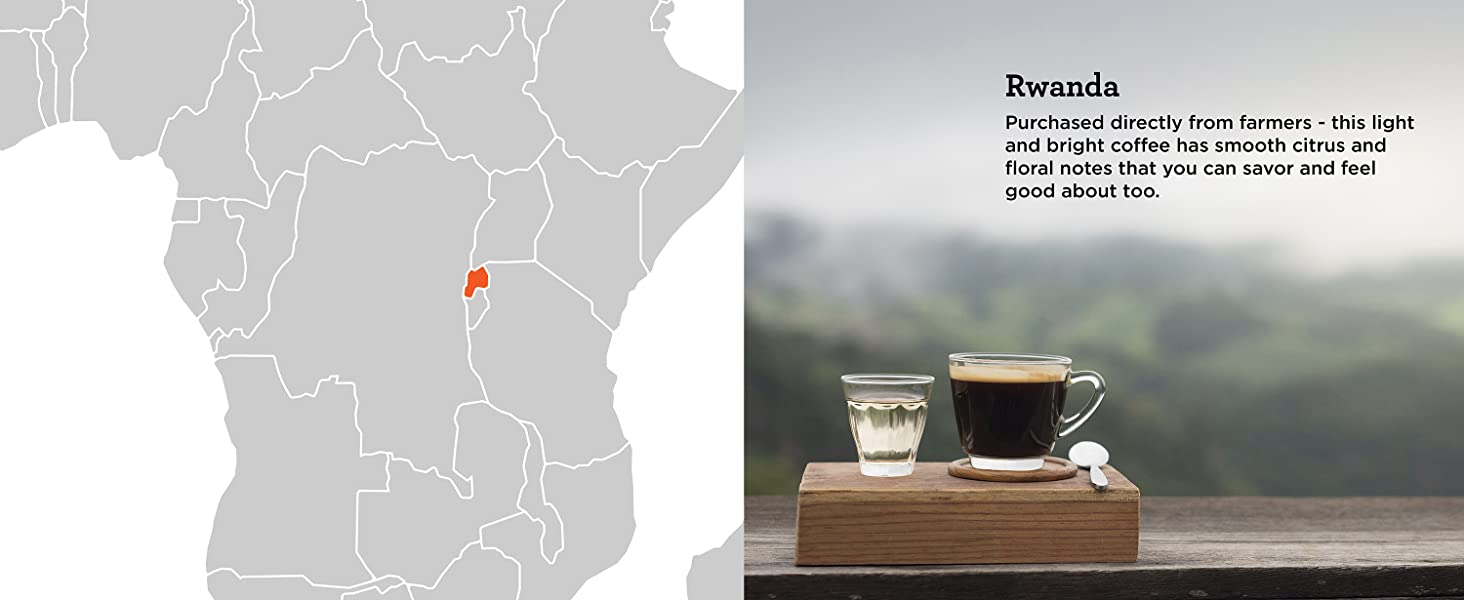
AmazonFresh Direct Trade Rwanda
This coffee is 100% Arabica, very affordable, and accepts direct trade. Light roasting gives the whole coffee a delicate, subtle citrus flavor.
Rwanda Bean Ikerekezo-Vision
Rwanda takes pride in the beautifully balanced beans grown in the fertile volcanic soil of its equatorial mountains. This single-origin Bourbon Arabica variety is a classic example of the unique taste harmony of the region. It begins with an earthy aroma, blossoms with nutmeg flavors, and gradually transforms into a smooth, satisfying aftertaste. Enjoy a cup and share the farmers' pride. Grown and harvested in Rwanda, locally roasted in Portland, Maine, USA. The brand returns 50% of profits to farmers. Rwanda Bean coffee is small-batch roasted to ensure quality control and freshness.
Cubico Rwanda Kopakaki Coffee
100% Rwanda Kopakaki Coffee, grown in the Karongi district of western Rwanda. Misozi Kopakaki is cultivated by over 800 small farmers in the Karongi district of western Rwanda. To produce the best possible coffee, farmers in this region have pooled their coffee, resources, and knowledge by forming a cooperative called Kopakaki.
Misozi and Kopakaki cooperatives are proudly Fair Trade certified to demonstrate transparency and fairness in their developing communities.
Kirkland Signature Rwanda Whole Bean Coffee
This brand collaborates with trusted third-party certifications and has created its own certifications, including compact by design and climate pledge friendly, using sustainability certifications to highlight products that support a commitment to helping protect the natural world.
FrontStreet Coffee Recommendation
Rwandan coffee's clean texture and elegant acidity place it firmly in the East African family, and FrontStreet Coffee's African single origins make it easy to compare and explore that shared character. FrontStreet washed Yirgacheffe is the classic starting point, with white jasmine, bright citrus and lemon acidity and a tea-like body, and FrontStreet Gedingding Cooperative, a single-origin washed lot from the Gedingding village in the Worka area, sharpens that profile into clear citrus and lemon acidity with jasmine fragrance and a bright, delicate finish. FrontStreet Natural Red Cherry keeps the Yirgacheffe character but adds tropical fruit, berry juiciness, honey sweetness and a creamy smoothness through whole-cherry natural processing.
For a more aromatic, fruit-forward cup, FrontStreet Huakui comes from the Hambella area of Guji, Sidamo, dried on raised beds for 21 days to concentrate a light fermented wine aroma, florals, citrus and mango over a thick, sweet body with a long finish. FrontStreet Sidamo Natural Hamasho 74158 brings strawberry, star fruit and green grape sweetness with a perfume-lemon lift and emerging florals, while FrontStreet Kafa Forest, grown wild under shade at 1400-2100 meters in the Kafa Biosphere Reserve, shows white florals, bright lemon acidity, sweet orange and bergamot over a green-tea mouthfeel. For pour-over, FrontStreet Coffee suggests 15g at 1:15 with 90-91°C water and a medium-fine grind on a V60 to preserve the clarity and refined acidity these African beans are known for.
Important Notice :
FrontStreet Coffee is a long-established specialty coffee roaster in Guangzhou China, selling freshly roasted beans from its own farm in Yunnan as well as dozens of carefully selected single-origin beans from around the world for both pour-over and espresso. The products deliver consistently excellent quality and great value, with shipping within 24 hours. Guangzhou's FrontStreet Coffee shop is recommended by many coffee lovers, and the beans are now available online at the Tmall 。
FrontStreet Coffee has moved to a new address:
FrontStreet Coffee Address: 315,Donghua East Road,GuangZhou
Tel:020 38364473
 Scan and follow the En Gafei WeChat official account. Please indicate that the reprint comes from "En Gafei".