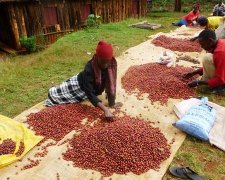
Introduction to Rwanda's Five Major Coffee Growing Regions - Fair Trade Specialty Coffee Bean Flavor and Growing Characteristics
Rwandan coffee generally gets more recognition than coffee from its neighbors Zimbabwe and Zambia, though it has not yet reached the acclaim of Kenyan and Tanzanian coffee. Rwanda also produces Fair Trade coffee beans.
FrontStreet Coffee carries several varieties from Rwanda.
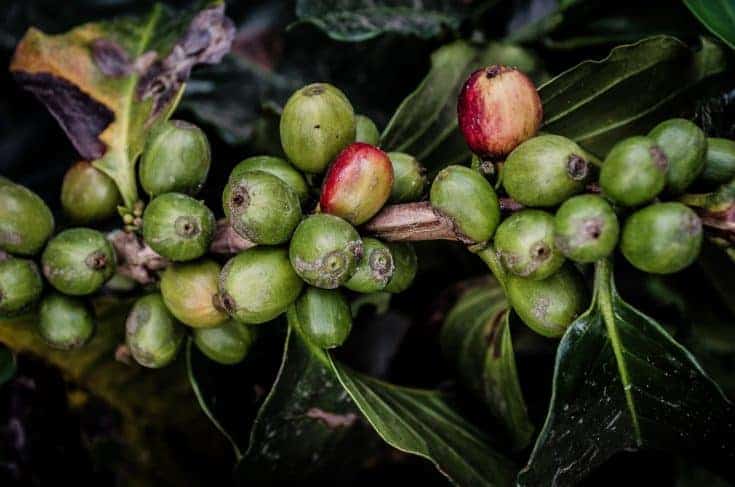
Rwanda's high altitude suits specialty coffee. Its main growing regions have nitrogen-rich volcanic soil. The primary areas are Virunga, Kivu, Kizi Rift, Akagera, and Muhazi. Other coffee-growing regions in Rwanda include Gakenke, Rutsiro, Karongi, Nyamasheke, Nyagatare, Kamonyi, Kayonza, Ngoma, Kirehe, Nyamagabe, and Huye.
Gakenke
The Gakenke district in Rwanda's northern mountains is both beautiful and challenging: lush green mountains sit alongside poverty and natural disasters. The real beauty, though, lies in the people, who are resilient and resourceful and work to lift their lives and communities to something better, safer, and more sustainable. Growing coffee is one route they have found, and the coffee from this region is excellent.
The microclimate here lets high-grown coffee ripen slowly, which matters because it deepens flavor. In Gakenke, cooperatives give their members clean, efficient processing facilities so that carefully cultivated and harvested coffee keeps its quality and flavor. Traceability through these cooperatives is very transparent, with individual farmer batches identifiable, and the processing is meticulous, as Gakenke's recent Presidential Award of Excellence attests.
Rutsiro
Rutsiro basically tastes like apple pie: rich fruity sweetness, roasted spice aromatics, and a subtle Earl Grey tea flavor as it cools. An interesting fact: this Rwandan coffee grows across Lake Kivu from a new Congolese coffee. Rwandan washed coffee grown at 1800-2000 meters from Bourbon varieties.
Karongi
Coming from heirloom Bourbon variety trees and processed at the award-winning Gitesi washing station. Thanks to the diligence of its growers, generous support from international aid agencies, and the commitment of North American specialty coffee roasters, Rwanda's tremendous potential as a specialty coffee producer has borne fruit over the past decade. Subtle, profound, and complex. Aromas and in-cup notes of honey, honeysuckle-like flowers, crisp red currant, pistachio, and clove. Lush, rounded acidity; a lively, syrupy mouthfeel. Honey and floral notes saturate the gentle dry finish.
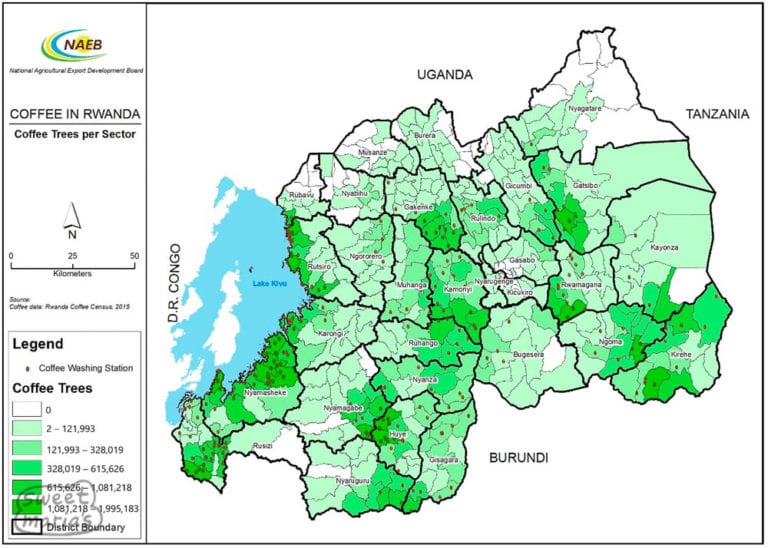
Rwanda's 5 Growing Regions
Virunga
Region: Northwest Rwanda, Mountainous region
Altitude: 6200-7200 feet
Coffee from this region is sweet and vibrant, thriving in the fertile volcanic soil of the mountain gorilla homeland. Look for pecan nutty notes and smooth clover honey sweetness. Virunga coffee makes particularly outstanding espresso.
Kivu
Region: Western Rwanda, Lake region
Altitude: 5900-6500 feet
Kivu coffee comes from the 1600-meter-high hills near Lake Kivu in western Rwanda and is delicate and complex. These coffees are full of sweet orange and cocoa flavors, with subtle cherry-lime notes and rounded complexity, making a very approachable espresso or drip coffee.
Kizi Rift
Region: Central Rwanda, Rift Valley region
Altitude: 6500-7200 feet
These coffees grow in Rwanda's central rift valley and are fruit-forward with jasmine floral notes. Look for nutmeg and roasted chestnut flavors over a buttery caramel base. Easy to use and engaging with almost any brewing method.
Muhazi
Region: Eastern Rwanda, Lake region
Altitude: 4600-5200 feet
These coffees from the Lake Muhazi resort area have a soft, rustic, deep texture. Bittersweet chocolate flavors combined with the spicy smoothness of strong black tea make Muhazi beans an excellent choice for drip coffee.
Akagera
Region: Southeastern Rwanda, Wildlife region
Altitude: 4200-4900 feet
Akagera coffees are often distinguished by their sharp acidity and clean cup profile. They have a medium body with hints of blackberry, black tea, and cardamom, plus peppery aromatics. Great as drip coffee or iced coffee.
FrontStreet Coffee Recommendation
Rwanda's strength in the cup comes largely from washed processing, and it is worth understanding the method behind it. Washed coffee is a traditional way of handling the fruit that relies on water: flotation, depulping, a soak and fermentation to strip the mucilage, washing or further soaking, then drying and hulling. Because the beans sit in water for a long time, chemical changes consume much of their simple sugars, fructose and glucose, lowering the sugar content while raising various organic acids. The result is a coffee that keeps more of its own aroma while showing bright fruit acidity, cleanliness, and freshness, exactly the profile Rwanda's Bourbon varieties are known for.
To taste washed coffee at its most classic, FrontStreet Yirgacheffe Gudingding Cooperative comes from the village of Gudingding, where smallholders deliver their cherries to a cooperative for centralized processing. The washed method shows its jasmine and bright citrus acidity to the fullest, and a medium-light roast adds green tea and honey notes; it suits pour-over, cold brew, and espresso.
For a Kenyan expression of the same clean style, FrontStreet Kenya Cherry Tomato uses Kenya's double-washed method, which essentially repeats the washing steps of flotation, soaking, washing off surface mucilage, soaking again, sun-drying, hulling, and storing. That repeated rinsing and soaking pushes the juice-like quality to the maximum, with cherry tomato, dark plum, snow pear, black plum, and yellow sugar notes and a sweet-tart, juicy body. FrontStreet Jamaica Blue Mountain No. 1 is another washed classic: lower sunlight on its island home pushed growers toward washed processing to shorten drying time and reduce defects, and the result is a pure, balanced cup of hazelnut, cream, chocolate, and caramel in which no single note dominates.
Important Notice :
FrontStreet Coffee is a long-established specialty coffee roaster in Guangzhou China, selling freshly roasted beans from its own farm in Yunnan as well as dozens of carefully selected single-origin beans from around the world for both pour-over and espresso. The products deliver consistently excellent quality and great value, with shipping within 24 hours. Guangzhou's FrontStreet Coffee shop is recommended by many coffee lovers, and the beans are now available online at the Tmall 。
FrontStreet Coffee has moved to a new address:
FrontStreet Coffee Address: 315,Donghua East Road,GuangZhou
Tel:020 38364473
 Scan and follow the En Gafei WeChat official account. Please indicate that the reprint comes from "En Gafei".