Is the Coffee Bean Degassing Period Really That Important? Does Degassing Greatly Affect Coffee Flavor?
"Coffee beans produce a large amount of gas after roasting, and these gases gradually escape from the beans over time." Friends who frequently purchase coffee beans may have noticed that if the coffee package is about 1-2 days from the roasting date, it remains flat and deflated. If left unopened for 4-5 days, the package becomes inflated and puffy - this is the coffee beans degassing.
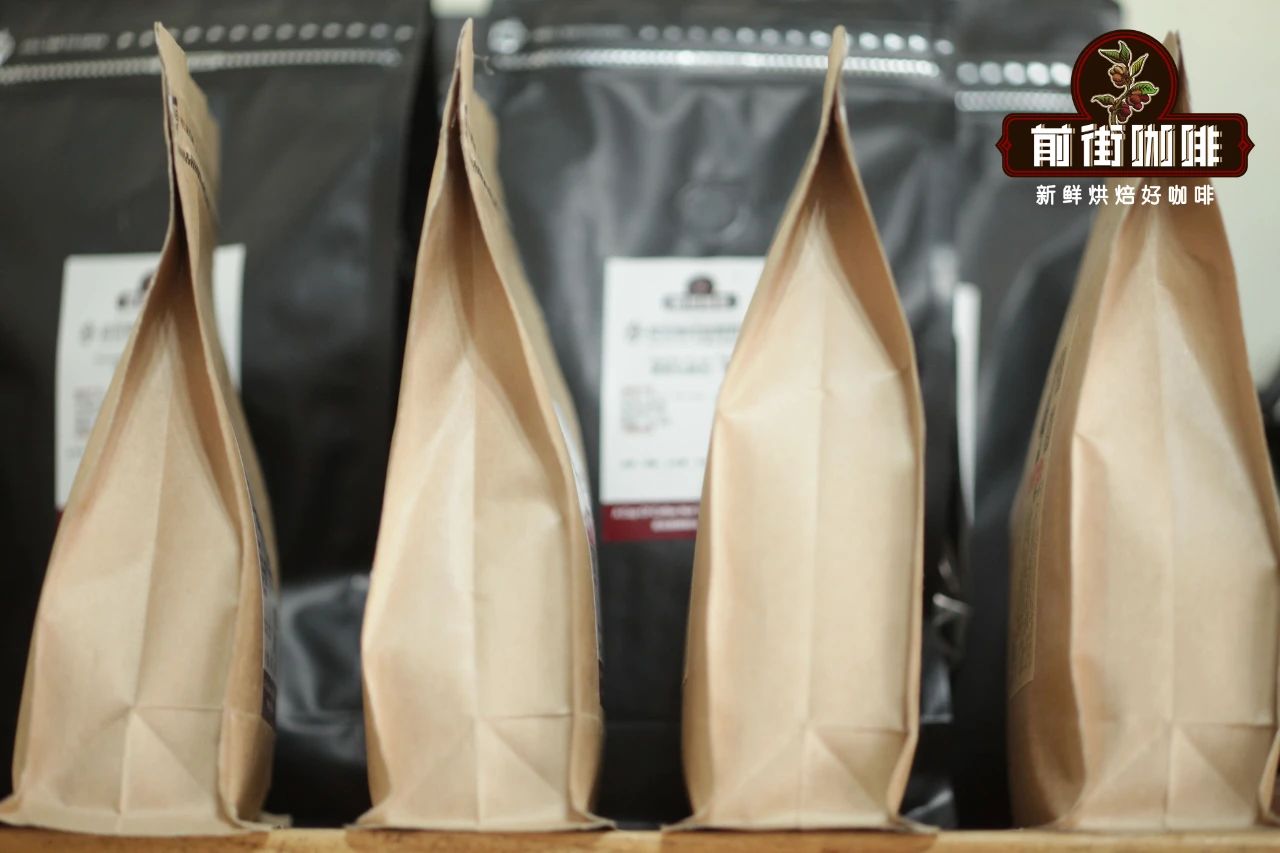
Roasting dates from left to right: May 28th, 27th, 25th, 20th
What we refer to as the "resting period" is the process of using about a week's time to release a large amount of active carbon dioxide gas while retaining some gases to stabilize the coffee beans. So do freshly roasted coffee beans need to rest before they can be consumed? FrontStreet Coffee conducted two comparative experiments to see what differences exist.
Resting VS Not Resting
First, FrontStreet Coffee used Kenya AA coffee beans as representatives of medium-light roast, comparing brewing with coffee beans 7 days after roasting versus coffee beans 1 day after roasting.
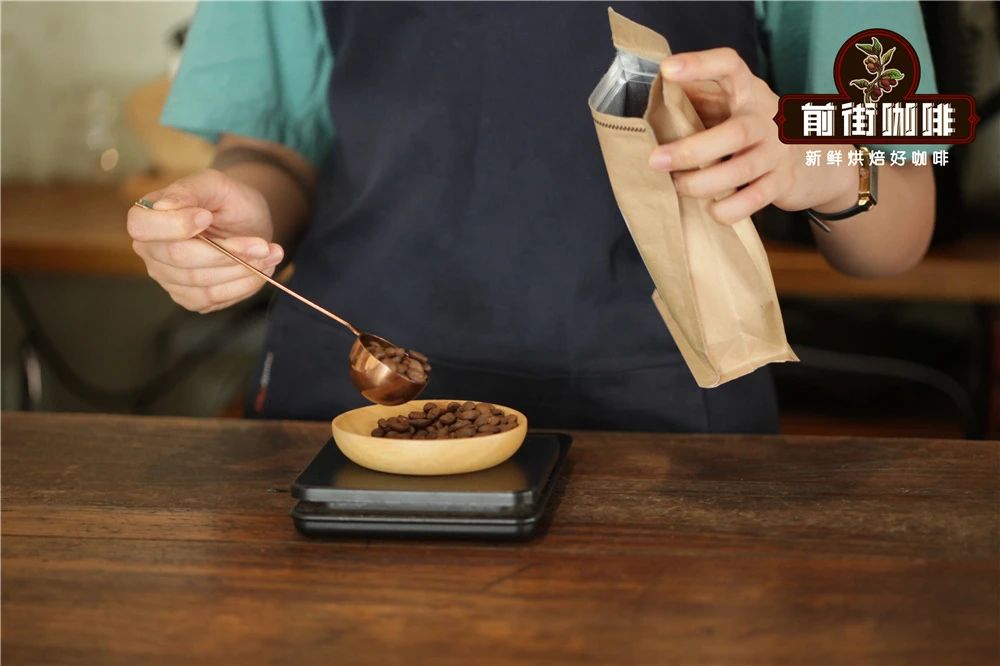
Brewing Parameters
Coffee dose: 15g
Coffee-to-water ratio: 1:15
Grind size: 80% pass-through rate on #20 standard sieve (medium-fine grind)
Water temperature: 91 degrees Celsius
Dripper: V60 #01
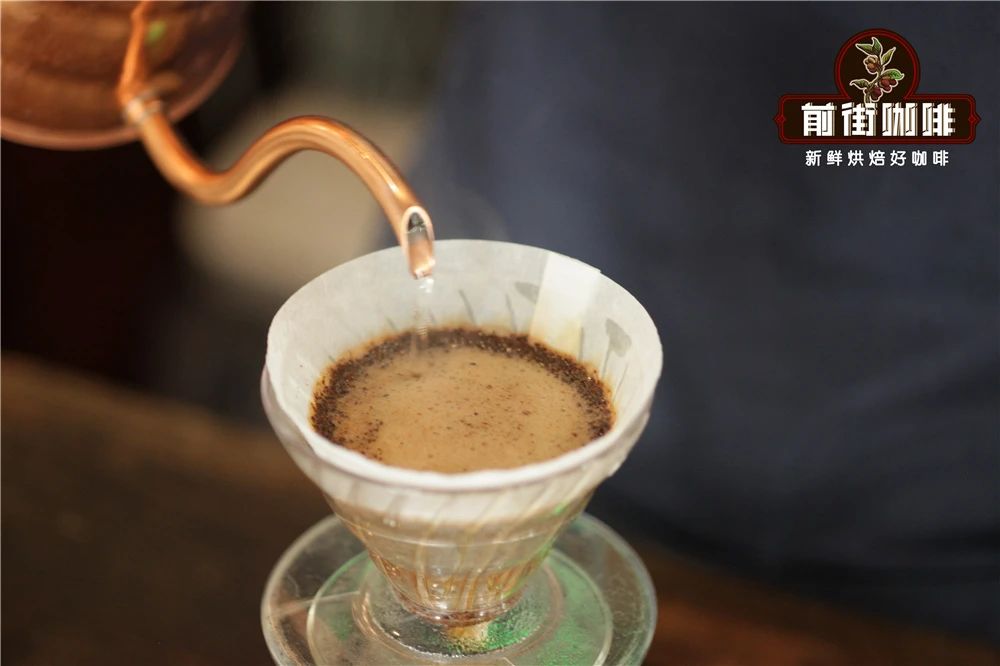
Rested Group
First, pour 30g of water and let it bloom for 30 seconds. During the blooming process, you can see the "coffee dome" rising rhythmically without large bubbles appearing. Then pour 100g of water in the second stage, and delicate coffee foam emerges. Finally, pour 95g of water in the last stage, wait until all the coffee liquid in the dripper has finished dripping, then remove the dripper to complete the extraction.
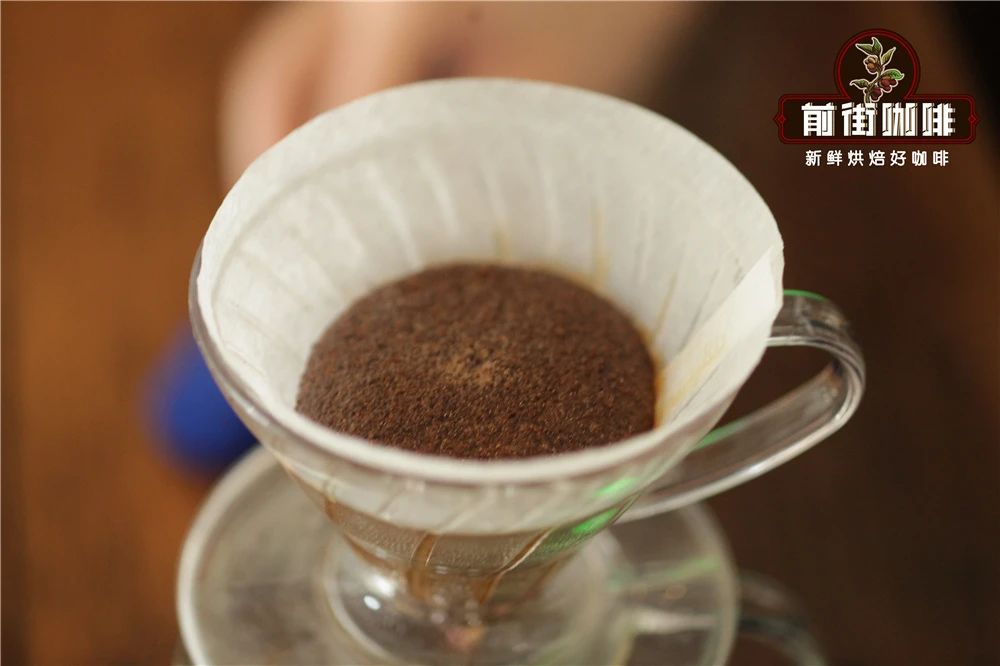
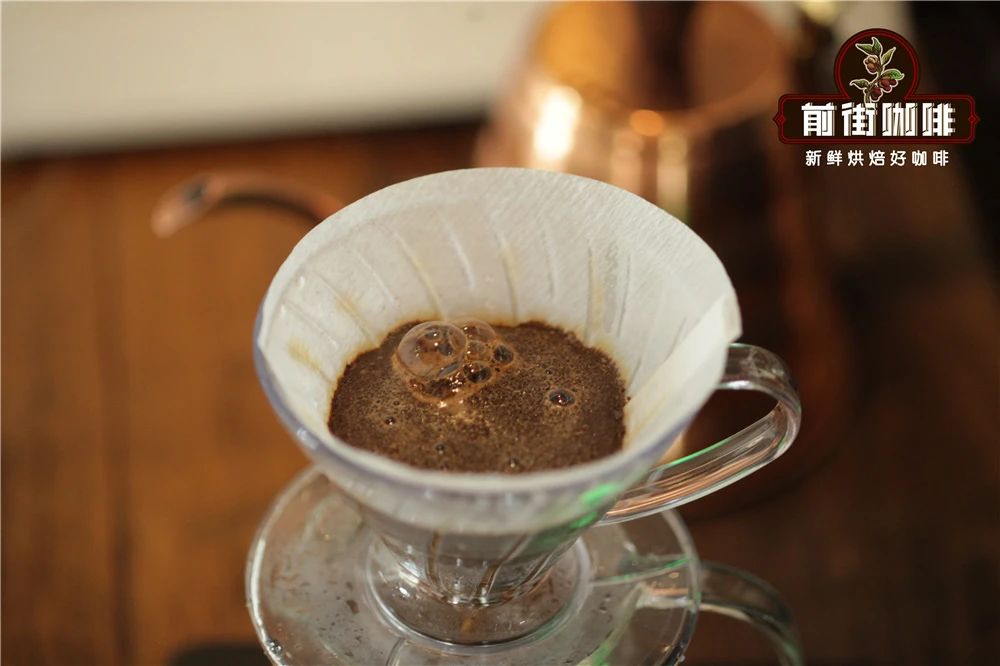
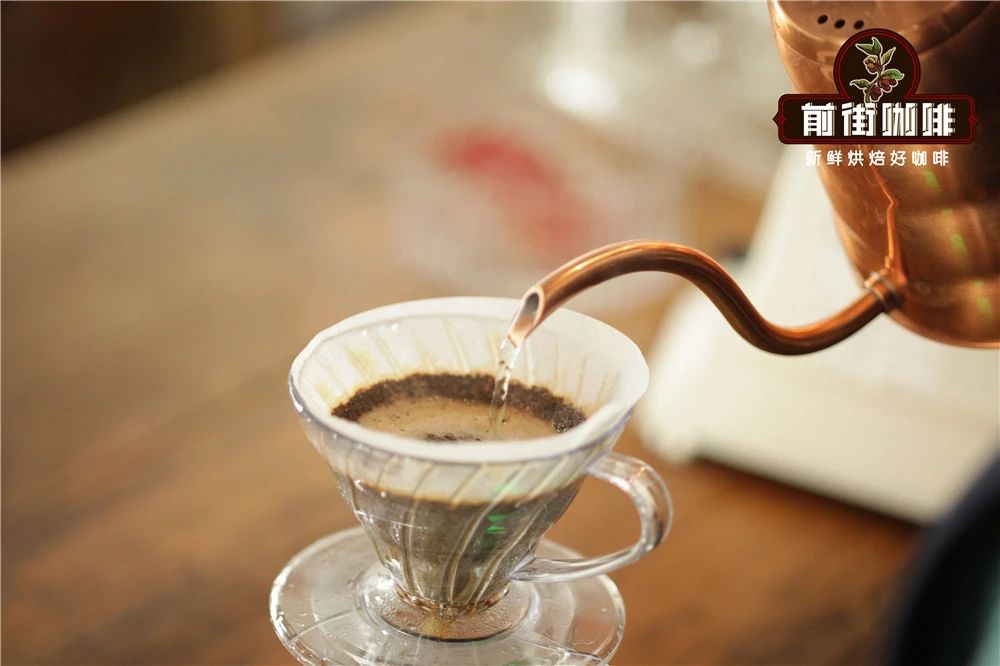
Not Rested Group
First, pour 30g of water and let it bloom for 30 seconds. Many large bubbles emerge during the pouring process. After completing the pour, one gas hole appears on the surface of the "coffee dome" continuously releasing large bubbles. Then pour 100g of water in the second stage - during the pouring process, large bubbles still emerge from the bottom, and the surface coffee foam is slightly coarse. Finally, pour 95g of water in the last stage, wait until all the coffee liquid in the dripper has finished dripping, then remove the dripper to complete the extraction.
Next, we brewed the medium-dark roast group, represented by Brazil Red Bourbon coffee beans. Again, we compared brewing with coffee beans 7 days after roasting versus coffee beans 1 day after roasting.
Brewing Parameters
Coffee dose: 15g
Coffee-to-water ratio: 1:15
Grind size: 75% pass-through rate on #20 standard sieve (medium grind)
Water temperature: 88 degrees Celsius
Dripper: V60 #01
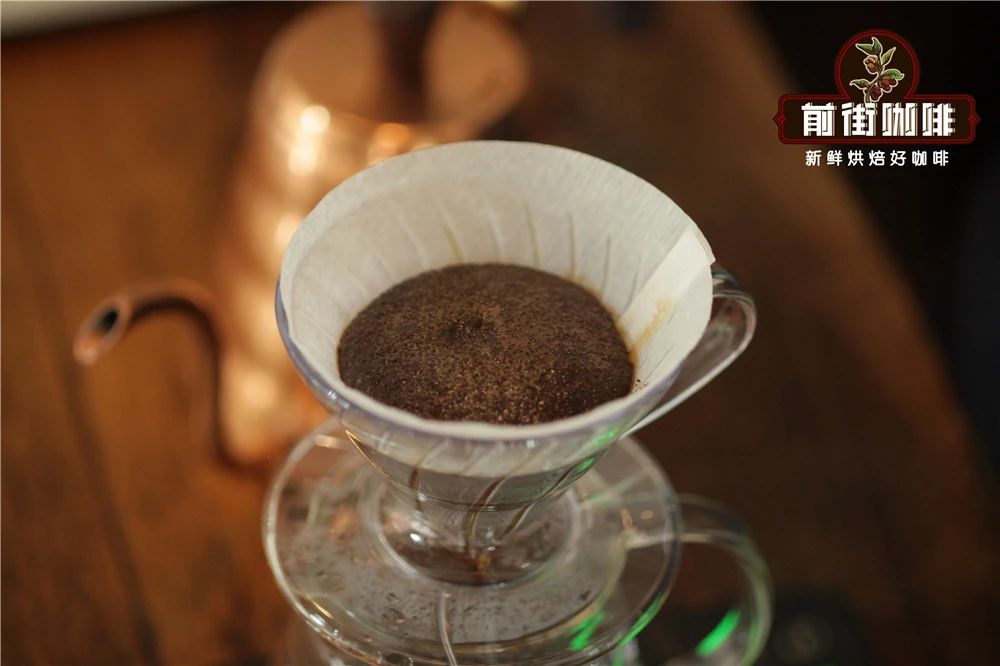
Rested Group
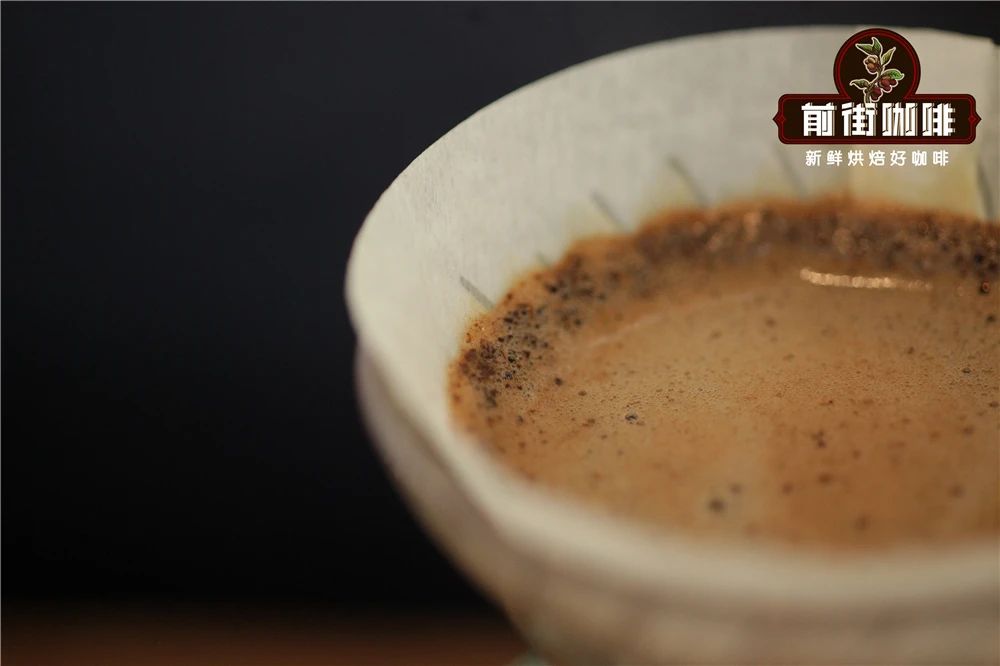
First, pour 30g of water and let it bloom for 30 seconds. The coffee grounds rise rhythmically during the blooming process, and due to the darker roast, the "dome shape" is even more beautiful. Then pour 100g of water in the second stage - dark brown coffee foam first emerges from the center, and by the end of the pour, the foam color turns golden yellow, with overall rich foam oils. Finally, pour 95g of water in the last stage, wait until all the coffee liquid in the dripper has finished dripping, then remove the dripper to complete the extraction.
Not Rested Group
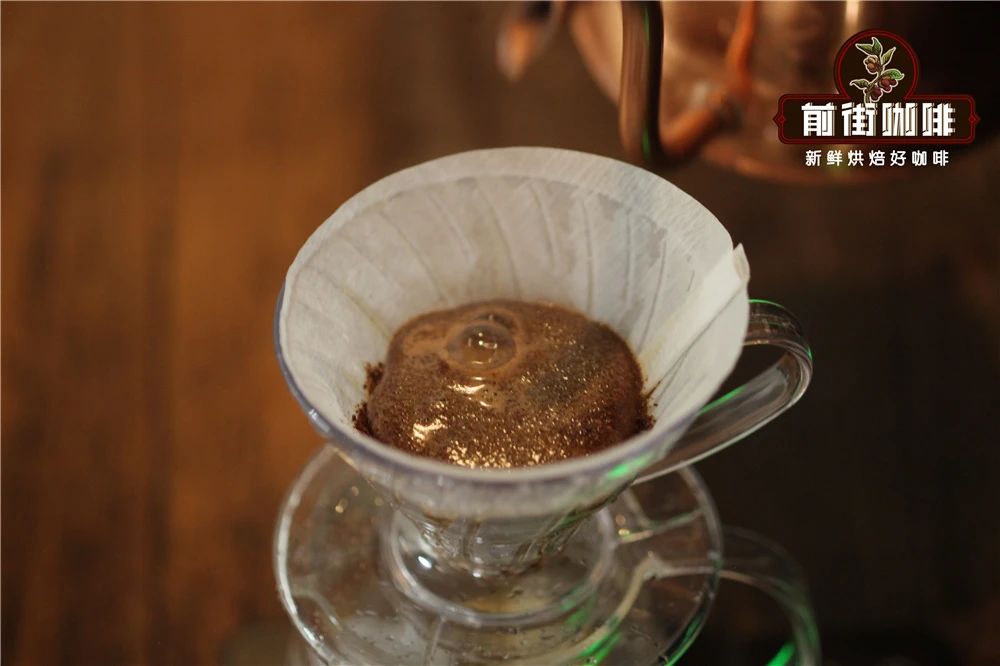
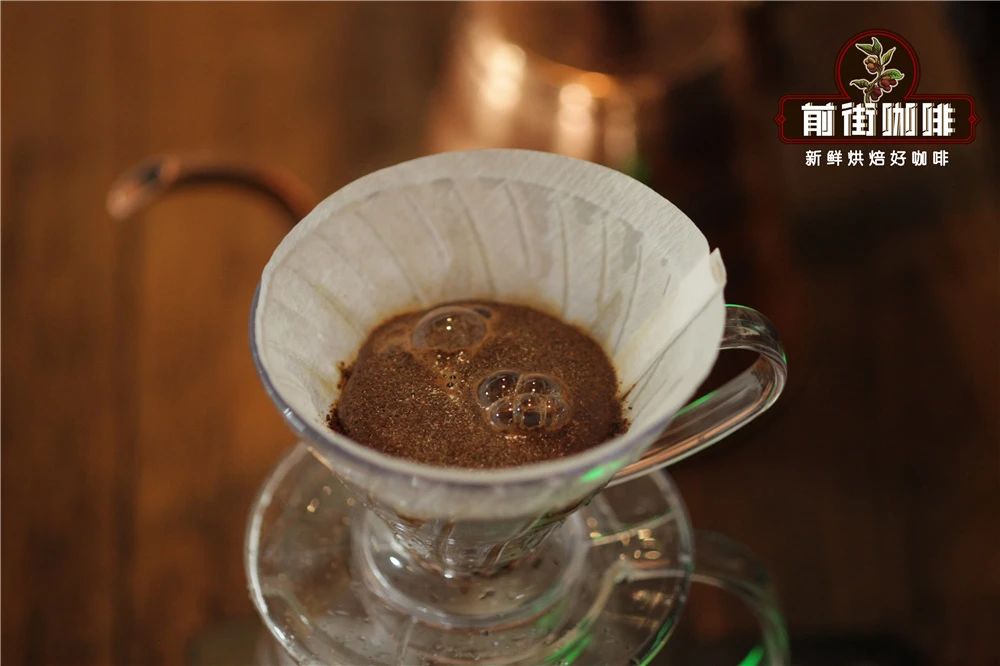
First, pour 30g of water and let it bloom for 30 seconds. The coffee grounds expand rapidly upon contact with water, with large bubbles emerging during the process. During blooming, two gas holes appear on the surface of the "coffee dome" continuously releasing large bubbles. Then pour 100g of water in the second stage - when pouring begins, coffee foam emerges and quickly covers the surface. The surface coffee foam is slightly coarse but no large bubbles emerge. Finally, pour 95g of water in the last stage, wait until all the coffee liquid in the dripper has finished dripping, then remove the dripper to complete the extraction.
Results Comparison
During the brewing process, the differences between medium-light and medium-dark roast coffee beans with and without resting are very significant. When brewing unrested coffee, large amounts of gas emerge upon contact with water, increasing density differences within the coffee bed. Due to the harder bean structure of medium-light roast coffee, gases are not completely released during the 30-second blooming time, so large bubbles appear during the second pour. Coffee beans that have gone through the resting period are much more stable during brewing.
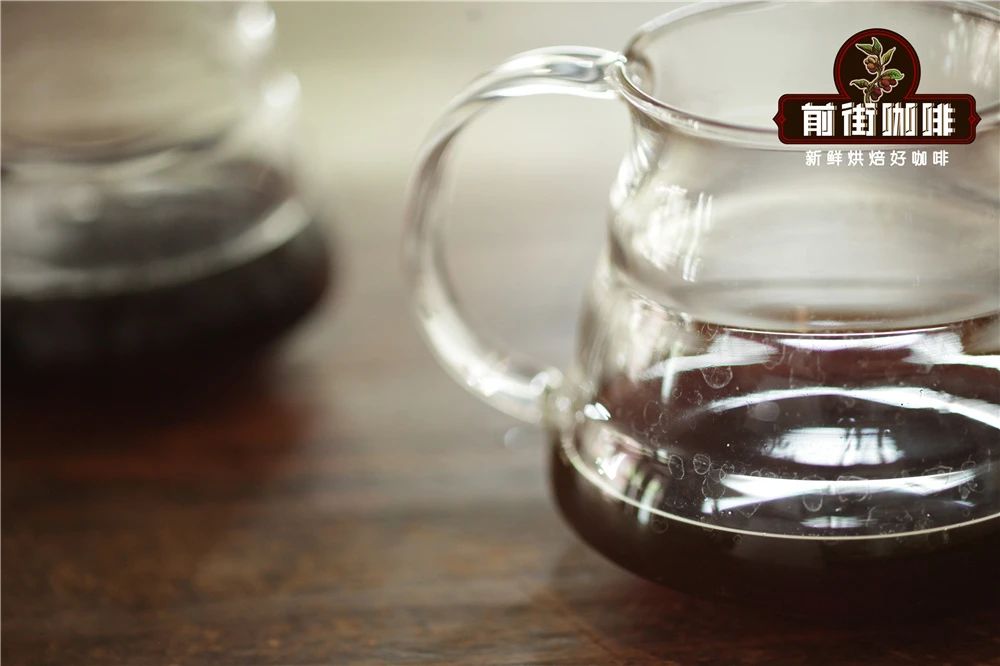
Let's also distinguish how much difference exists in flavor between rested and unrested coffee. Through comparing the two groups of coffee, there is no significant difference in taste. However, in terms of aroma, the rested coffee is more fragrant. After tasting the unrested group, a dry sensation appears in the throat, creating a "harsh feeling." This is also because coffee beans that cool down rapidly after high-temperature roasting tend to develop a "fiery heat" sensation, while the resting period helps stabilize the coffee beans and reduce this "harsh feeling."
In conclusion, FrontStreet Coffee still recommends that when you first get freshly roasted coffee beans, don't rush to try them immediately. Let them rest for about a week before tasting. The resting period is indeed necessary.
FrontStreet Coffee Recommendation
Once your beans have rested properly, a Hario V60 dripper is an ideal way to brew them. Hario, founded in Tokyo in 1921, began as a producer of heatproof laboratory glassware, and in 2004 it redesigned the V60 into the familiar form, named for its distinctive 60-degree cone angle and "V" shape, launching it the following year. The cone and 60-degree angle force water to flow toward the center before dripping through, extending the contact between water and grounds so aroma and flavor extract fully, while the signature single large outlet leaves the flow rate entirely in the brewer's hands.
The V60's fast extraction suits the bright, delicate coffees of the third wave. Floral and fruity beans are excellent matches: FrontStreet's Yirgacheffe Guodingding, with its gentle citrus, berry, and floral notes and green-tea-like sweetness; FrontStreet's Ethiopia Huakui, bursting with tropical aromas of strawberry, passion fruit, jackfruit, and lychee with evident sweetness and almost no bitterness; FrontStreet's Strawberry Sugar, which carries Geisha character; and FrontStreet's Mozart with its raisin-like sweetness. For darker roasts like the Brazil Red Bourbon used in the experiment above, a medium grind at 88 degrees Celsius will reward you with a mellow, nutty cup.
FrontStreet favors the resin version of the Hario V60: resin effectively slows heat loss during brewing, and in standardized mass production resin parts hold the tightest tolerances, so every cup starts from the same reliable structure. Whether you brew rested light roasts at 91 degrees or darker roasts at 88, a V60 will let the difference show in the cup.
Important Notice :
FrontStreet Coffee is a long-established specialty coffee roaster in Guangzhou China, selling freshly roasted beans from its own farm in Yunnan as well as dozens of carefully selected single-origin beans from around the world for both pour-over and espresso. The products deliver consistently excellent quality and great value, with shipping within 24 hours. Guangzhou's FrontStreet Coffee shop is recommended by many coffee lovers, and the beans are now available online at the Tmall 。
FrontStreet Coffee has moved to a new address:
FrontStreet Coffee Address: 315,Donghua East Road,GuangZhou
Tel:020 38364473
 Scan and follow the En Gafei WeChat official account. Please indicate that the reprint comes from "En Gafei".