The Process of Single-Origin Coffee Cupping: How Coffee Bean Flavors Are Determined
The Process of Single-Origin Coffee Cupping
The growth of specialty coffee has shown us just how rich coffee flavor can be. Different regions, varieties and processing methods combine in countless ways to create diverse regional profiles: the citrus and floral notes of washed Yirgacheffe, the balanced smoothness of classic washed Blue Mountain, the herbal spice of wet-hulled Mandheling - just a few of endlessly many examples.
FrontStreet Coffee uses cupping as one of its core daily operations to distinguish these flavor differences.
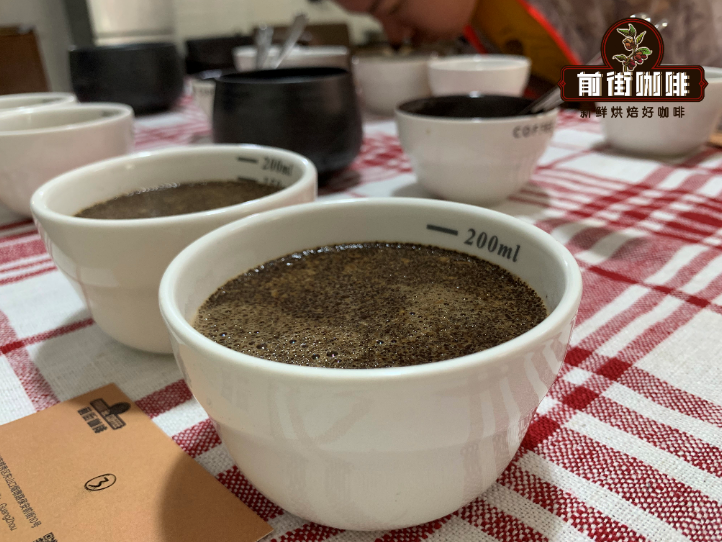
Cupping is an essential evaluation tool for anyone who wants to buy, sell or roast coffee. It can be used to compare batch differences, identify flavor profiles and detect defects in green beans and roasting.
Every coffee has its own flavor and aroma, and cupping is the method for discovering them. To understand cupping, you first need to master several common terms. Below are some cupping terms worth knowing.
Aroma
Aroma refers to the fragrance released at each stage: the state of the coffee after grinding, the state once hot water is poured and the grounds rise to form a film on the surface, and the state after the crust is broken by stirring.
Dry Aroma
You will certainly smell something when grinding coffee - this is the dry aroma, the fragrance of the grounds before brewing. The aroma of coffee grounds is rich and varied, with notes of fruits, spices, wood, grass and even soil.
Wet Aroma
After brewing, you can still smell aromas - this is the wet aroma. Even from the same coffee, the dry aroma and wet aroma may differ: an aroma present in the dry grounds does not necessarily appear in the brewed coffee.
Acidity
Baristas often use the word "acidity" rather than "sour," because "sour" can carry negative connotations. Acidity is divided into three levels: low, medium and high.
Flavor
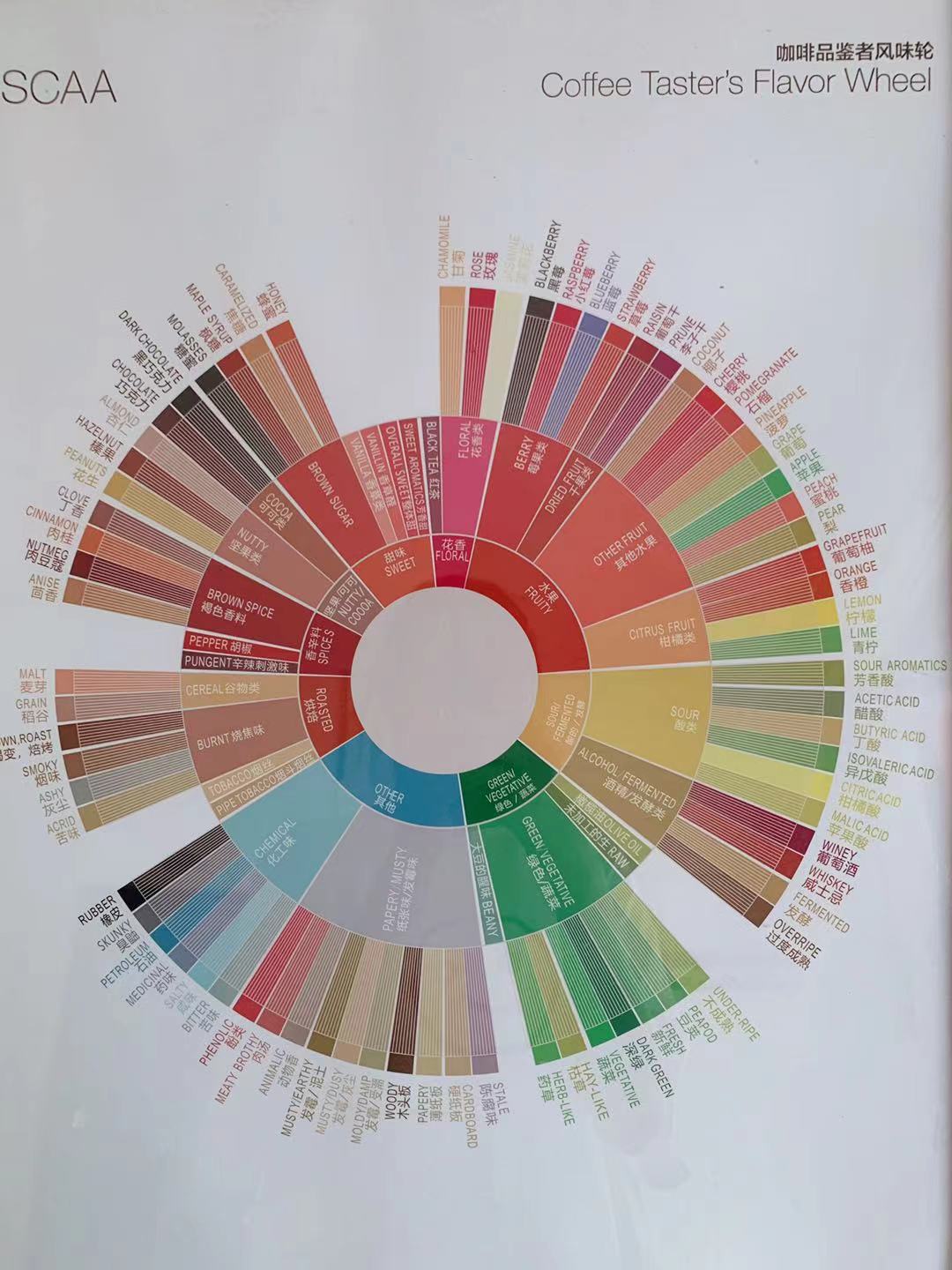
Flavor is the combination of taste and aroma. In the coffee world there is something called the coffee flavor wheel.
According to the Specialty Coffee Association, this flavor wheel contains the basic aromas. Taste can only be perceived through the tongue, while aroma can only be detected through the nose. The flavor wheel serves as a reference guide for coffee cupping.
Slurping
The specific method of tasting coffee is slurping, a very important step. The coffee must fill the entire mouth - from the upper palate to the lower tongue, from left to right.
Body
Body refers to the texture of the coffee, comparable to the texture of milk, tea or mineral water. A light-bodied coffee is easy to swallow, just like drinking mineral water.
Aftertaste
The final aspect of coffee tasting is aftertaste, the flavor that remains in the mouth after drinking. There might be a thick sensation in the throat, or a clean feeling with nothing left behind.
It helps to know some coffee terminology, but we should remember that there is never a right or wrong in tasting coffee, especially when judging dry aroma, wet aroma and flavor. Perhaps you smell orange in the coffee while someone else detects spice - both can be true.
FrontStreet Coffee Recommendation
For building a cupping table, FrontStreet Coffee suggests starting with a pair of clean, classic washed coffees. The FrontStreet washed Yirgacheffe is a good beginner's reference bean, known for white jasmine, bright citrus and lemon acidity and a tea-like body, and its approachable price makes it an easy everyday cup as well as a cupping standard.
To compare dry and wet aroma side by side, add the FrontStreet Yirgacheffe Red Cherry. Made with fully ripe red cherries dried on raised beds and turned every two to three hours in the early days, it shows citrus acidity, a juicy berry character, honeyed sweetness and a creamy smoothness.
Important Notice :
FrontStreet Coffee is a long-established specialty coffee roaster in Guangzhou China, selling freshly roasted beans from its own farm in Yunnan as well as dozens of carefully selected single-origin beans from around the world for both pour-over and espresso. The products deliver consistently excellent quality and great value, with shipping within 24 hours. Guangzhou's FrontStreet Coffee shop is recommended by many coffee lovers, and the beans are now available online at the Tmall 。
FrontStreet Coffee has moved to a new address:
FrontStreet Coffee Address: 315,Donghua East Road,GuangZhou
Tel:020 38364473
 Scan and follow the En Gafei WeChat official account. Please indicate that the reprint comes from "En Gafei".