Espresso Extraction Time and Amount - What's the Difference Between Espresso and Ristretto
Introduction
Many readers will have the same reaction to the title: "Something feels off here! Isn't 'extra strong' just 'concentrated'?"
What is Espresso Coffee?
Espresso first appeared in the early 19th century, when Italy entered an era obsessed with speed — everything had to be faster, more efficient, more mechanized. Coffee was no exception, and coffee extracted and filtered quickly under pressure caught on widely.
At first, espresso wasn't about flavor or quality at all; the goal was a quick, high-caffeine pick-me-up. Beans were chosen for caffeine content rather than character — and the higher the caffeine, the less flavor the cup carries. Combined with unstable roasting and extraction techniques of the day, the result was often burnt, bitter, and harsh.
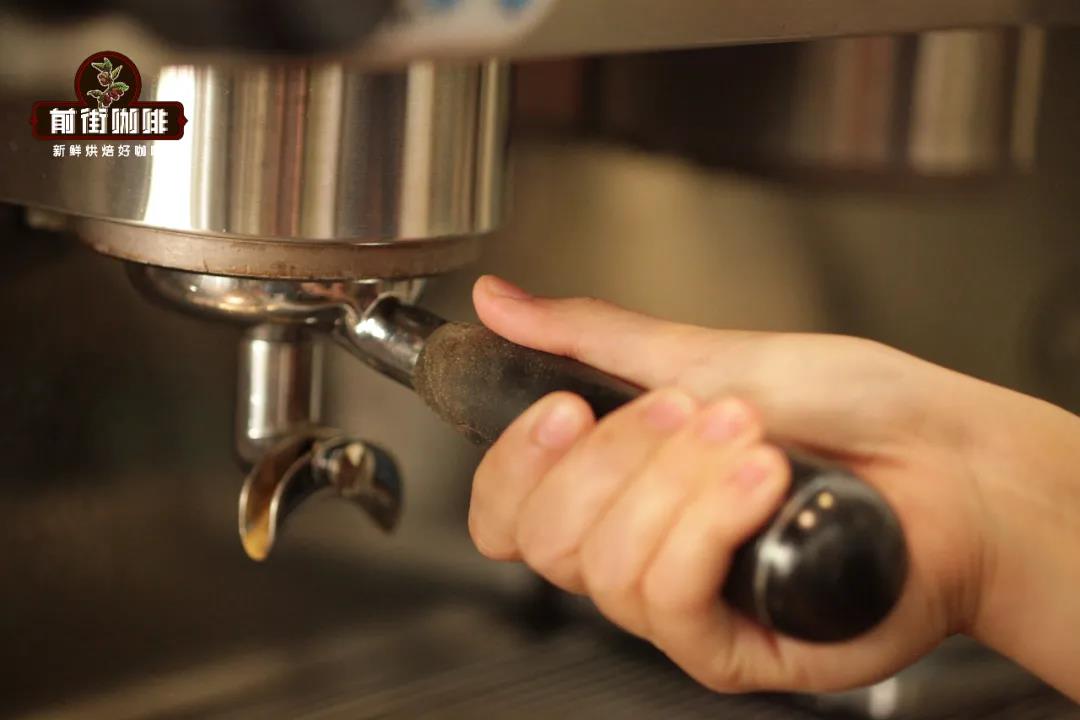
As times changed, expectations rose. Machine technology improved, water temperature and pressure became more stable, and bean selection shifted toward variety and quality — the aim became capturing real coffee flavor even in a fast extraction.
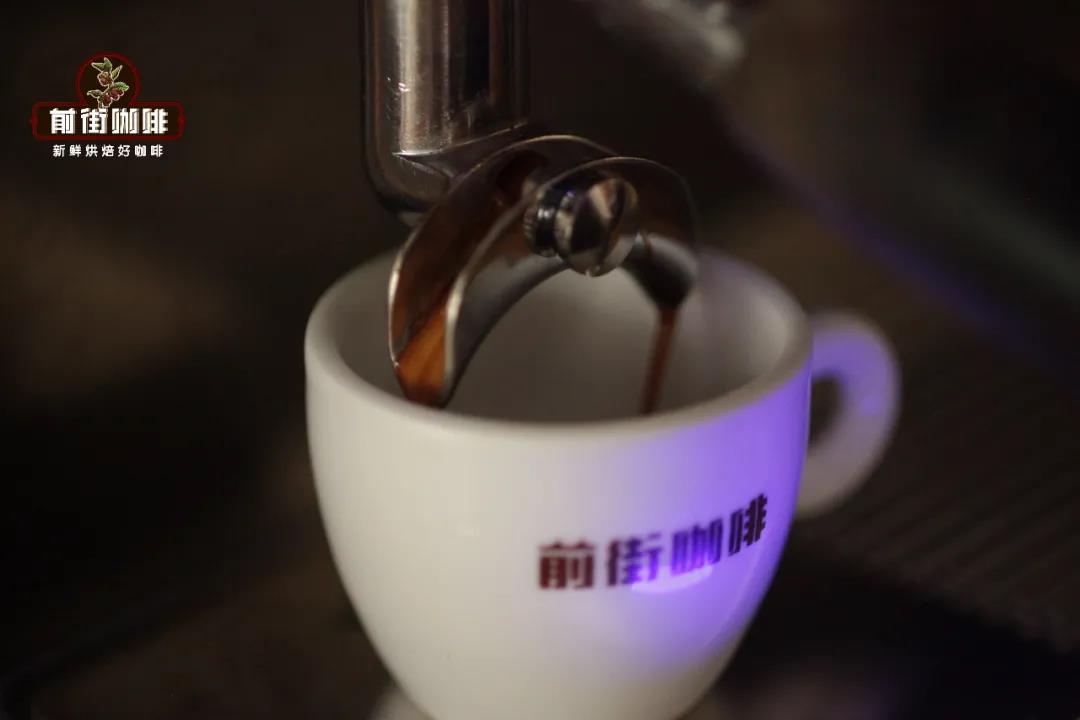
Today the pursuit goes further still. Beyond speed and flavor, crema and mouthfeel matter. Unlike pour-over, which unfolds in stages as the cup cools from high to low temperature, espresso delivers its flavors all at once — an intense, immediate hit. What people savor is the sheer impact on the palate.
What is Ristretto Coffee?
Ristretto — Italian for "restricted" or "narrow" — is a limited-output version of espresso. Using the same dose of coffee, a ristretto is extracted for less time and yields less liquid in the cup.
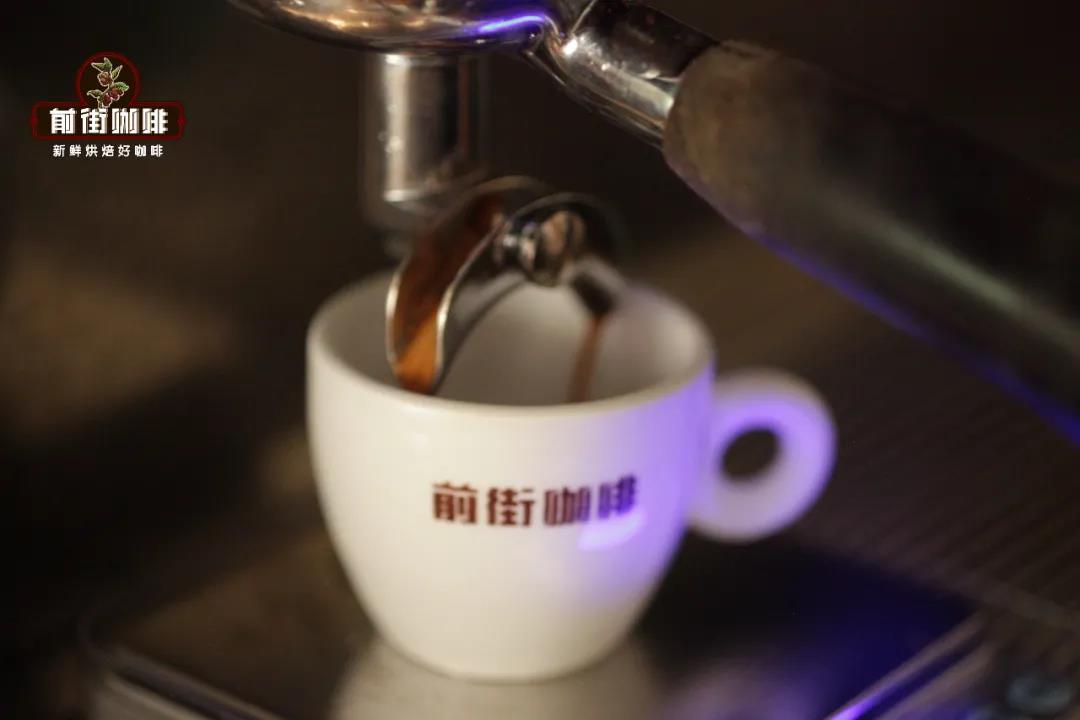
Ristretto isn't simply "more intense and mellow." By cutting the yield, its concentration rises above espresso and the flavors become more concentrated — yet the body is actually not as full. Contradictory? Higher concentration but a lighter body. To show why, FrontStreet Coffee ran side-by-side extractions of both drinks to compare their flavors.
How to Make Espresso & Ristretto
For this test, FrontStreet Coffee used the Sunflower Warm Sunshine blend — sun-processed Yirgacheffe blended with Honduras Sherry. Both drinks were pulled on the same machine with the same grinder, grind size, water temperature, pressure, and dose.
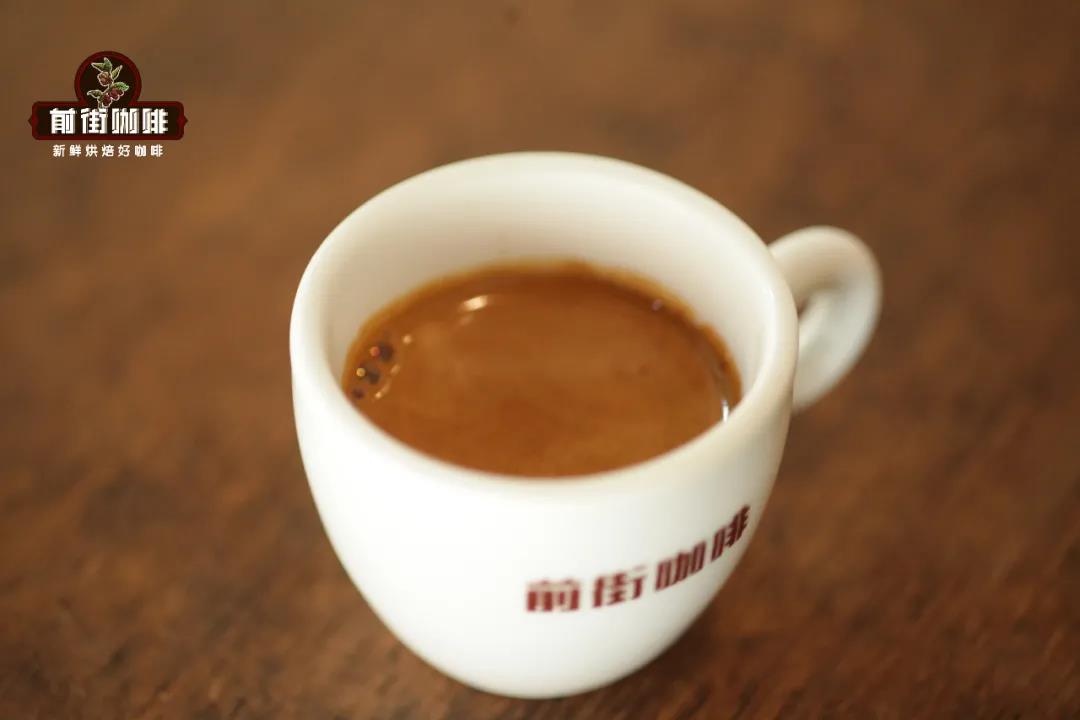
After dialing in, the espresso parameters were: 20g of coffee to extract 35g of espresso in 27 seconds.
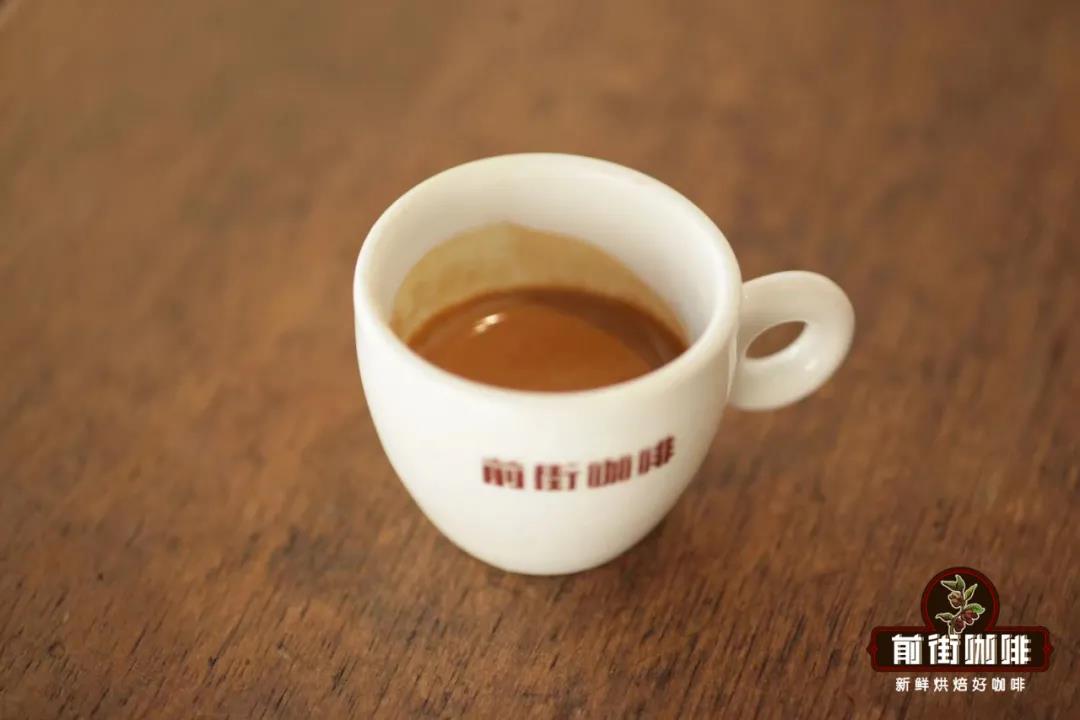
With the espresso dialed in, the ristretto parameters were set at: 20g of coffee to extract 27g of ristretto in 20 seconds.
Differences in Flavor and Mouthfeel Between Espresso & Ristretto
No matter the method, extraction follows a predictable order: light molecular-weight acids come first, then sweetness, and finally heavy molecular-weight bitterness. A shot cut short therefore tastes more acidic; since the heavy flavors never arrive, the mouthfeel reads as thinner.
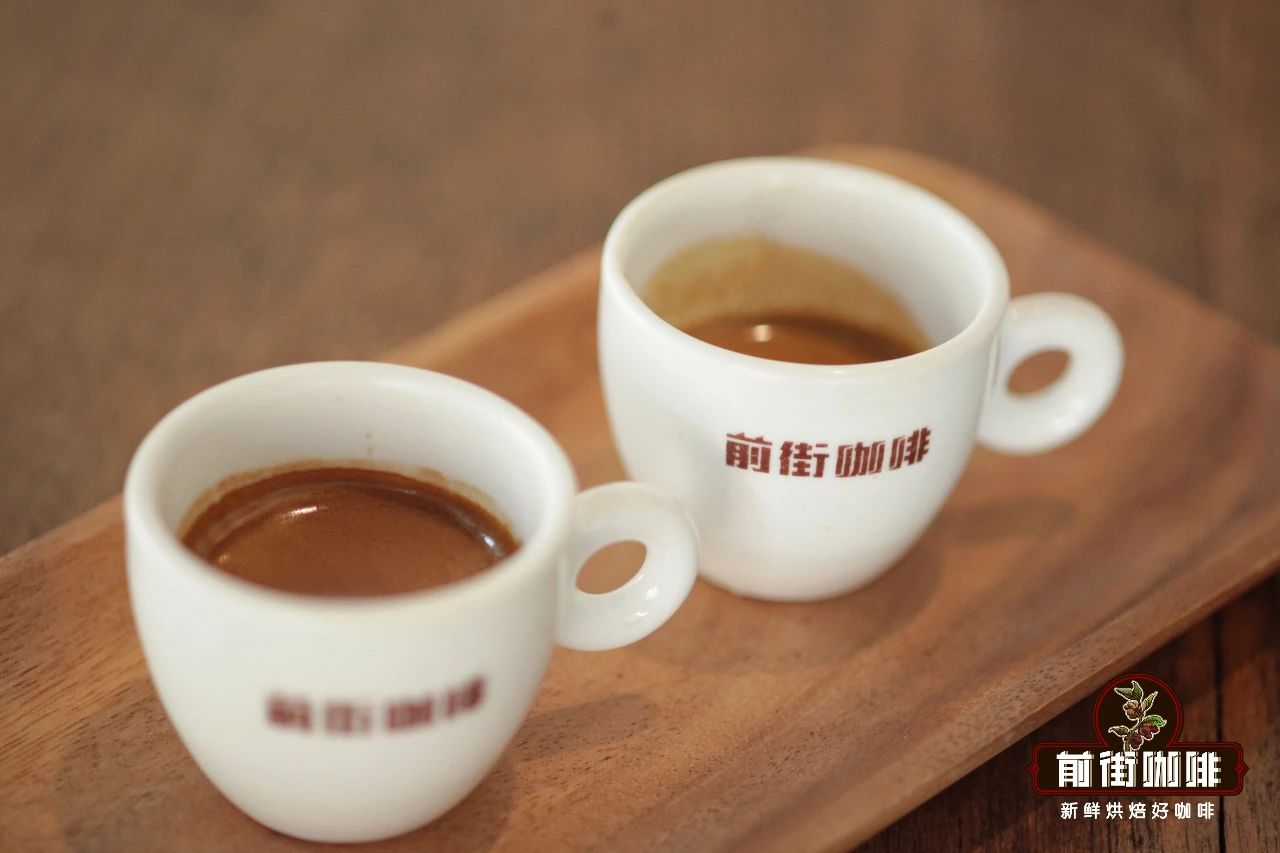
That is exactly what ristretto is. Its shorter extraction is dominated by winey aromatics and berry notes, with caramel-like sweetness, high acidity, and a clean cup of clearly defined sweet-and-sour flavors. Espresso, with its longer extraction, draws out the heavy flavors too — overall showing a whiskey aroma, vanilla cream, and a nutty, caramel finish. The body is full and the flavor rounder and mellower.
FrontStreet Coffee Recommendation
If you're new to pour-over and looking for a dripper that's practical, easy to learn on, and good-looking, the Hario V60 is the classic answer. Designed by Hario — the Tokyo glassware maker founded in 1921 — and refined into its modern form in 2004, the V60 takes its name from its 60-degree cone. That geometry channels water to the center before it drips, extending contact between water and grounds for fuller extraction, while the single large outlet makes flow rate a direct expression of the brewer's technique.
The V60's quick extraction style is perfect for beans with delicate florals and lively acidity. FrontStreet's Yirgacheffe Guodingding, the Ethiopia Huagui with its tropical fruit sweetness, the floral Panama Esmeralda Red Label Geisha, and the raisin-toned Mozart are all excellent choices for this brewer. For darker, low-acid tastes, the FrontStreet PWN Gold Mandheling shows how the same setup can deliver a thick, herbal, dark-chocolate cup.
Important Notice :
FrontStreet Coffee is a long-established specialty coffee roaster in Guangzhou China, selling freshly roasted beans from its own farm in Yunnan as well as dozens of carefully selected single-origin beans from around the world for both pour-over and espresso. The products deliver consistently excellent quality and great value, with shipping within 24 hours. Guangzhou's FrontStreet Coffee shop is recommended by many coffee lovers, and the beans are now available online at the Tmall 。
FrontStreet Coffee has moved to a new address:
FrontStreet Coffee Address: 315,Donghua East Road,GuangZhou
Tel:020 38364473
 Scan and follow the En Gafei WeChat official account. Please indicate that the reprint comes from "En Gafei".