How to Make Coffee with Coffee Beans at Home | Brewing Coffee Guide
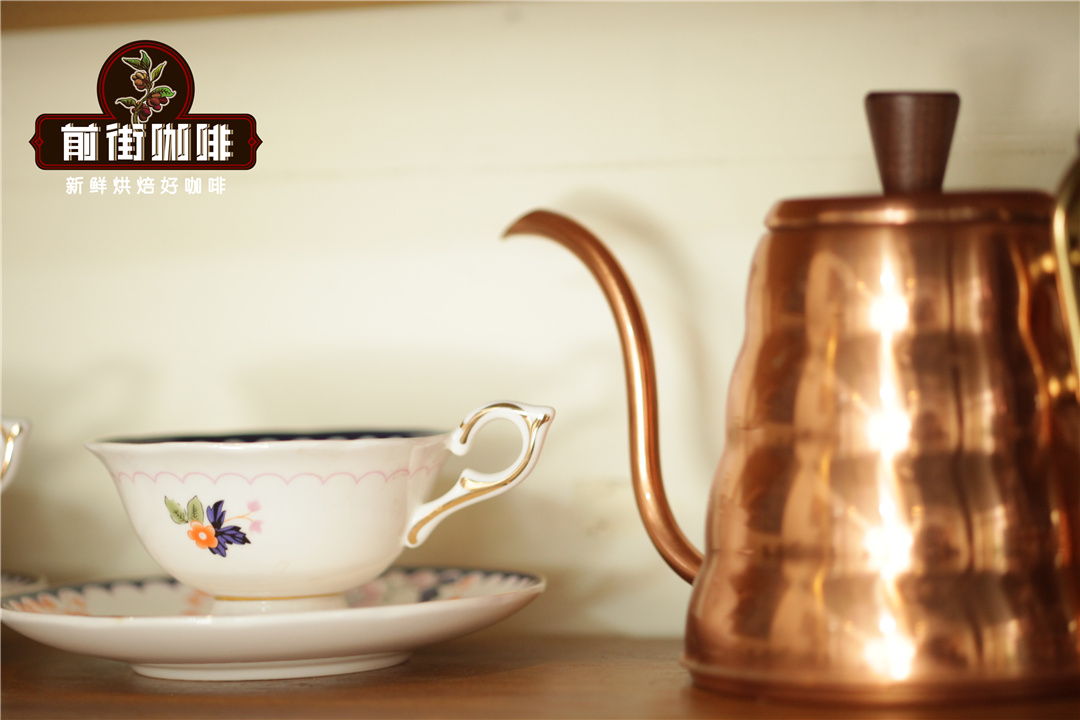
When you sit down at your computer, don't you feel you need a delicious cup of coffee beside you? The coffee slips slowly into your mouth, slightly bitter at first, then gradually revealing a subtle sweetness. So here is FrontStreet Coffee's guide to making coffee beans taste better.
How to Brew Delicious Coffee Beans
Coffee Machines
You can buy a fully automatic coffee machine. Imported fully automatic machines cost over 3,000 yuan, which is quite good for home use. The quality they produce is decent, and you can also create milk foam for cappuccinos, lattes and other milk-based coffees.
If you want to get more experimental, you can buy a home semi-automatic machine for 1,000-2,000 yuan. You can play around with it a little and try some latte art.
Brewing Equipment
Pour-over, Drip
Using filter cups with filter paper or mesh screens is extremely convenient. Generally speaking, American-style coffee makers use the pour-over concept to brew coffee. There are many types of pour-over filter cups on the market — T-type, cone-shaped, V60, clever dripper and more. For pour-over, medium-fine grinding is recommended, with a Fuji ghost grinder set to 3-3.5.
French Press, Tea Infuser
Many people use the French press because it's very simple and you don't have to fuss over details. It suits the "lazy" crowd, who often forget to time their brews and end up with extraction times over 5 minutes. The French press calls for coarse grinding, with a Fuji ghost grinder set to 7.5-8.
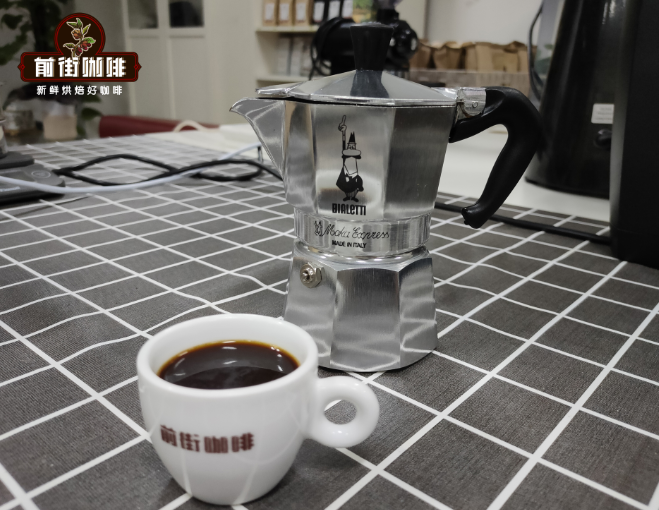
Siphon, AeroPress
People who regularly use a siphon brewer can be considered experts in home coffee. The AeroPress is a relatively new brewing tool; it looks a bit like a large syringe and uses force to shorten the extraction time. It usually takes a medium grind, with a Fuji ghost grinder set to 3.5-4.
Key Points in Coffee Brewing
Water Quality and Temperature
Water temperature affects how much is dissolved out of the coffee. Put simply, higher temperatures dissolve more aromatic substances. Using good filtered water will make your coffee taste better.
Weight of Coffee Beans Each Time
How much coffee to pair with how much water, to get a consistent, delicious ratio. Using a precise electronic scale greatly increases your chances of brewing successfully.
Brewing Time
The longer the brewing time, the longer the coffee steeps in hot water and the stronger the flavor becomes. More substances dissolve from the coffee, so the tasty ones become even tastier and the less tasty ones even less so.
Grind Size
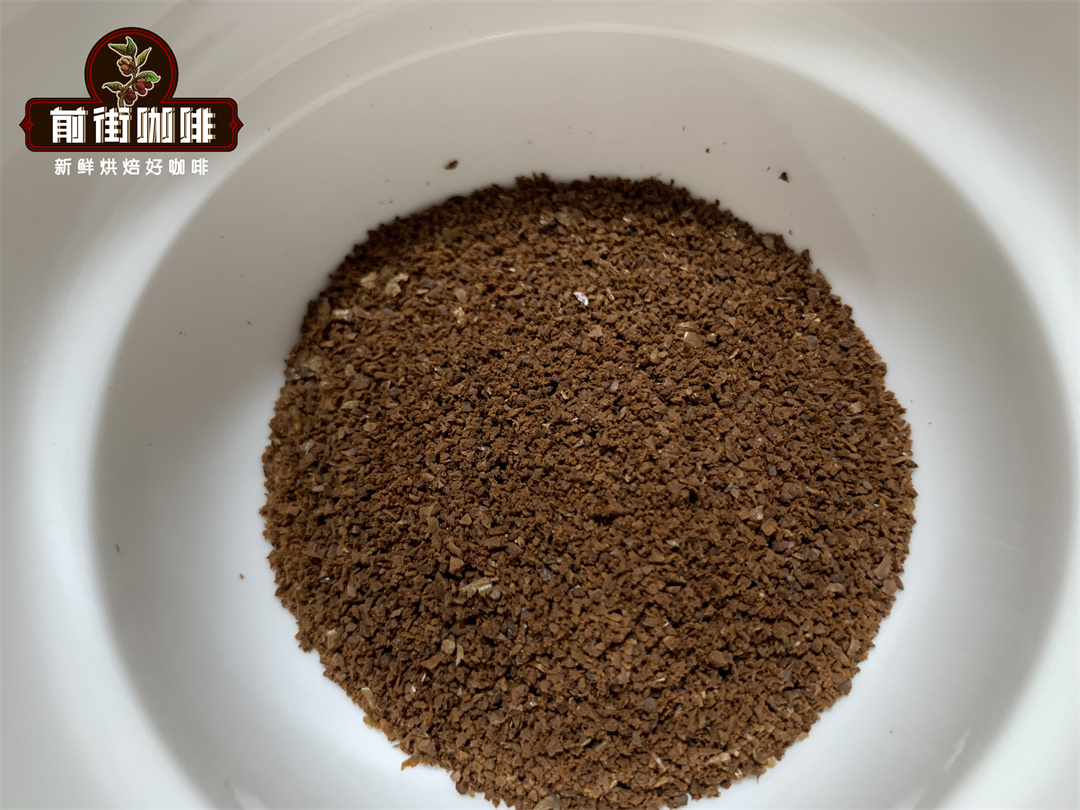
The grind setting must be matched to the brewing method and equipment you're using. Choosing equipment that suits you greatly enhances the pleasure of drinking coffee. Below are several common brewing methods and their appropriate grind settings.
Methods for Storing Coffee
Summer's climate is relatively humid and hot, so you must strictly keep coffee beans away from heat and moisture. The best approach is to store them in sealed containers inside cabinets that are cool and out of sunlight. The very best way to store coffee is to brew it and drink it as soon as possible. When buying coffee beans, choose fresh-roasted beans from cafés, and buy in small amounts to ensure freshness. Home-roasting shops on the market often boast extremely fresh roasting, emphasizing freshly roasted and freshly consumed coffee. In fact, the freshest beans are not necessarily the best-tasting. The optimal drinking window is usually 7 to 15 days after roasting.
The bags stores use to package coffee are best sealed bags with one-way degassing valves. If you store them properly, you'll be surprised how long coffee beans last. Once opened, they should be consumed as soon as possible. Of course, you can also drink them slowly, experiencing the rise and fall of the coffee's flavors as they decline — which is an enjoyment in itself.
How to Choose Coffee Beans
The first point is to pay attention to the natural characteristics of coffee beans. Coffee beans cannot be exposed to strong sunlight and cannot be stored together with volatile substances. These two facts mean beans are best sealed in boxes or jars that keep out light.
The second point is to judge the beans you need by their color. Whether you're a beginner or a longtime coffee-circle veteran, you should be thoroughly familiar with these basics. Coffee beans show different colors depending on roast degree, and the flavor changes accordingly. Lighter-colored beans have a strong acidic taste. As roast degree increases, the acidity gradually fades while bitterness rises step by step. Generally speaking, we divide roast degree into three main categories — light roast, medium roast and dark roast — and these can be divided further into eight sub-categories. From lightest to darkest they are: light roast, cinnamon roast, medium roast, dark roast, city roast, full city roast, French roast and Italian roast, with Italian roast being the darkest.
The third point is to learn to check the expiration date of coffee beans. Coffee beans begin to oxidize after roasting, much like aluminum powder, though not as quickly. They also absorb moisture and odors. So try to choose fresh beans. That said, don't throw away spoiled beans over this trait — using them as a desiccant and deodorizer for the refrigerator or a closet is a good choice, environmentally friendly and pollution-free.
The fourth point is how to tell whether beans can still be used or have spoiled and must be discarded. Besides looking at the color, trust your nose most of all. Fresh beans smell rich with coffee's original fragrance. Stale or over-oxidized beans have a poor aroma or basically no smell at all. In serious cases there may be musty, earthy and iodine smells, and even fermented smells.
The fifth point, and the most practical, is to press them with your hand or taste them. When you squeeze a coffee bean, good beans not only release an overflowing fragrance as they crack but also make a crisp cracking sound. You can go further and put a bean in your mouth and bite it open. If the crack is crisp and short, the beans have not absorbed moisture. Another purpose is to see whether the internal color matches or comes close to the exterior. Coffee that is consistent inside and out has naturally been roasted to a good degree and belongs to high-quality beans. If the inside and outside differ, the roast was too rushed or the heat was poorly controlled, and the taste of coffee made from such beans will suffer.
How to Brew Coffee Beans
1. Grinding Beans
First, grind the coffee beans with a grinder (to the finest grind setting).
If you have a crusher or a soy-milk machine with a crushing function at home, you can use that too, but the result is not ideal and the particles come out relatively coarse. If you don't have these tools, a rolling pin and a board will do. Use a combination of rolling and crushing, but in any case make the particles as small as possible.
2. Making Coffee
If the coffee powder is ground fine enough, use the pour-over method. Place filter paper inside the funnel, put a cup's worth (8-10 g) of coffee powder into the filter bag, taking care to avoid leakage. First wet the coffee powder with warm water, and pre-warm the cup with boiling water, then place it under the funnel. Add an appropriate amount of coffee powder according to how strong you like it.
3. Brewing
Use pure water at about 96 degrees Celsius (it must be pure water, or the taste of the coffee will suffer), and pour evenly in small amounts clockwise over the coffee powder. Once the powder is completely submerged, wait a moment. After the first pour filters into the cup, continue pouring evenly in small amounts clockwise. When the liquid in the cup reaches the amount you want, you can stop — use a counterclockwise pour to finish. (The amount of water should be based on the amount of coffee powder and your personal taste.)
4. Boiling
If the ground particles are still relatively large, then you need to boil them on the stove. Use a clay pot or stainless steel pot, heat it with an appropriate amount of cold water, and be sure to control the heat well. Boil for 2 minutes until the oil foam overflows, then turn to low heat and cook for another half minute. Remove from the heat and let it settle for half a minute, then pour it out, filtering with filter paper as you pour.
5. Seasoning
You can add appropriate amounts of sugar and milk to taste, or drink it straight.
This method is simple and doesn't harm the taste of the coffee, but you must watch the temperature of the brewing water and of the coffee liquid, or the taste will suffer. The beans here are best chosen fresh-roasted and ground fresh when drinking, to ensure the aroma and taste of the coffee.
How to Classify Coffee Bean Grades
Production Method
Washed
After the pulp and pectin are removed by friction with water flow and tools in a water tank, then dried, the result is washed coffee beans, which have uniform quality.
Unwashed
After natural drying in the sun, the pulp and peel are removed with a hulling machine. The quality is unstable.
Bean Shape
Generally speaking, coffee fruit consists of two oval seeds facing each other. The side where they meet is a flat joint surface, hence "flat beans." There are also fruits made of a single round seed, whose taste is no different.
Growing Altitude
By the altitude of the growing site, beans can be divided into three, four, seven and other grades. Generally speaking, high-altitude beans are better quality than low-altitude beans, and because shipping costs are higher, the price is higher too.
Grade Name / Altitude (meters)
Premium Beans: 1,500 and above
Superior Beans: 1,200 to 1,500
Medium Beans: 1,000 to 1,200
Premium Washed Beans: 900 to 1,000
Superior Washed Beans: 760 to 900
Excellent Washed Beans: 610 to 760
Fine Washed Beans: below 610
Quality
Using statistical methods, the types and quantities of impurities in a given sample are converted into percentages (defect counts), which determine the quality category. The smaller the defect count, the higher the quality.
Flavor
The most famous is the unique "Blue Mountain Coffee." Other places, such as Brazil, Haiti, Kenya, Zaire, Colombia and the United States, also have their own flavor-testing methods, and coffee can only be exported after passing flavor tests.
FrontStreet Coffee Recommendation
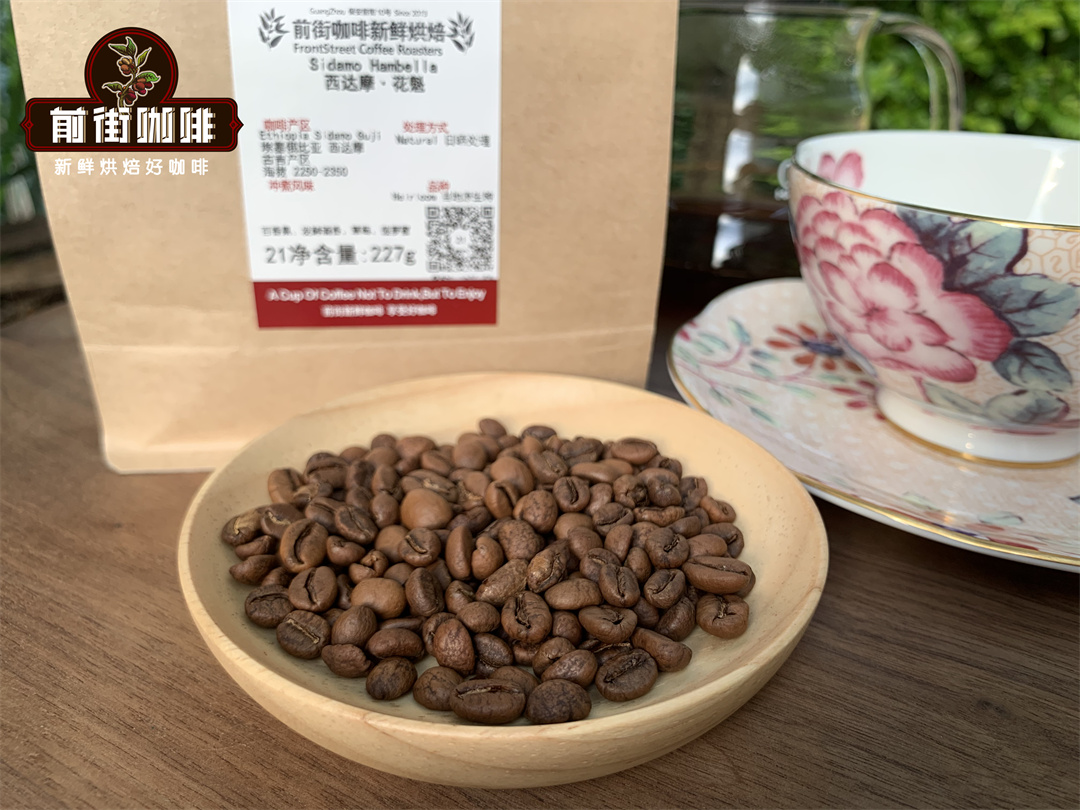
Home brewing equipment ranges widely, and matching the bean to your method makes all the difference. For a French press, which is a full-immersion brewer, a medium or dark roast suits best. FrontStreet PWN Golden Mandheling is the top pick: it undergoes three hand sorts plus one machine sort, the beans are even and bright, and after medium-dark roasting they are large and full of spice, caramel, cedar and dark chocolate aroma, giving a thick, oily, full-bodied French-press cup with very low acidity. If you prefer a fragrant, fruity profile, FrontStreet Strawberry Candy — a Geisha blend made from Costa Rican honey-processed coffee and Panamanian washed Geisha — brews in a French press with rose, citrus, grape and dried blueberry aroma, and with milk it becomes strawberry-fudge-like. For pour-over at a medium-fine grind, FrontStreet Yirgacheffe Gudingding and FrontStreet Brazil Queen Estate cover the light and darker ends respectively.
Important Notice :
FrontStreet Coffee is a long-established specialty coffee roaster in Guangzhou China, selling freshly roasted beans from its own farm in Yunnan as well as dozens of carefully selected single-origin beans from around the world for both pour-over and espresso. The products deliver consistently excellent quality and great value, with shipping within 24 hours. Guangzhou's FrontStreet Coffee shop is recommended by many coffee lovers, and the beans are now available online at the Tmall 。
FrontStreet Coffee has moved to a new address:
FrontStreet Coffee Address: 315,Donghua East Road,GuangZhou
Tel:020 38364473
 Scan and follow the En Gafei WeChat official account. Please indicate that the reprint comes from "En Gafei".