What are the Essentials of Coffee Bean Roasting Various Roasting Methods for Coffee Beans
Understanding Coffee Roasting
When you buy roasted coffee beans, the color and shape tell you a lot. Beans that are plump and evenly colored have usually been roasted properly and are of good quality. You may also notice oil appearing on the surface some time after roasting — though bear in mind that even freshly roasted beans will show surface oil after a dark roast.
Coffee roasting is the process of heating green beans to drive a series of physical and chemical changes inside and outside the bean. Along the way, flavors such as acidity, bitterness, and sweetness develop, body and color form, and pale green beans turn deep brown.
What Shapes Coffee Flavor
Variety and processing method are the main factors behind a coffee's flavor, but the roast has a huge influence too. Coffee is an ingredient, much like anything we cook: the freshness and type of the raw material certainly matter, but the final result comes down to control of the heat. Among roast levels, the biggest flavor gap sits between light and dark roasts. So whenever you are chasing a particular flavor, the roast level is the first thing to look at.
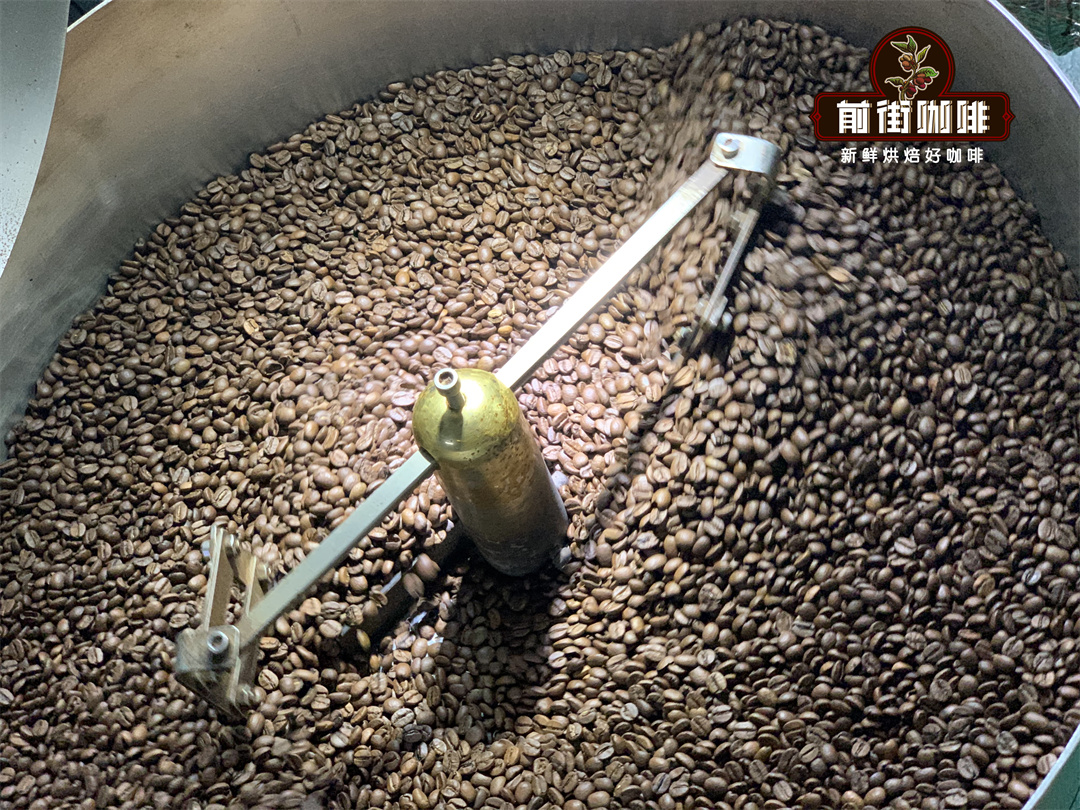
Light Roasts
Light roasts break down further into:
Very Light Roast (LIGHT Roast): The lightest roast of all, sometimes just called "light." The beans show a pale cinnamon color but lack both body and aroma — nearly undrinkable. It is generally used for testing rather than drinking.
Light Roast (CINNAMON Roast): Also known as cinnamon roast, a common level with a cinnamon-colored appearance. The grassy notes are gone, the aroma is respectable, and acidity is prominent. It is a roast often used for American-style coffee.
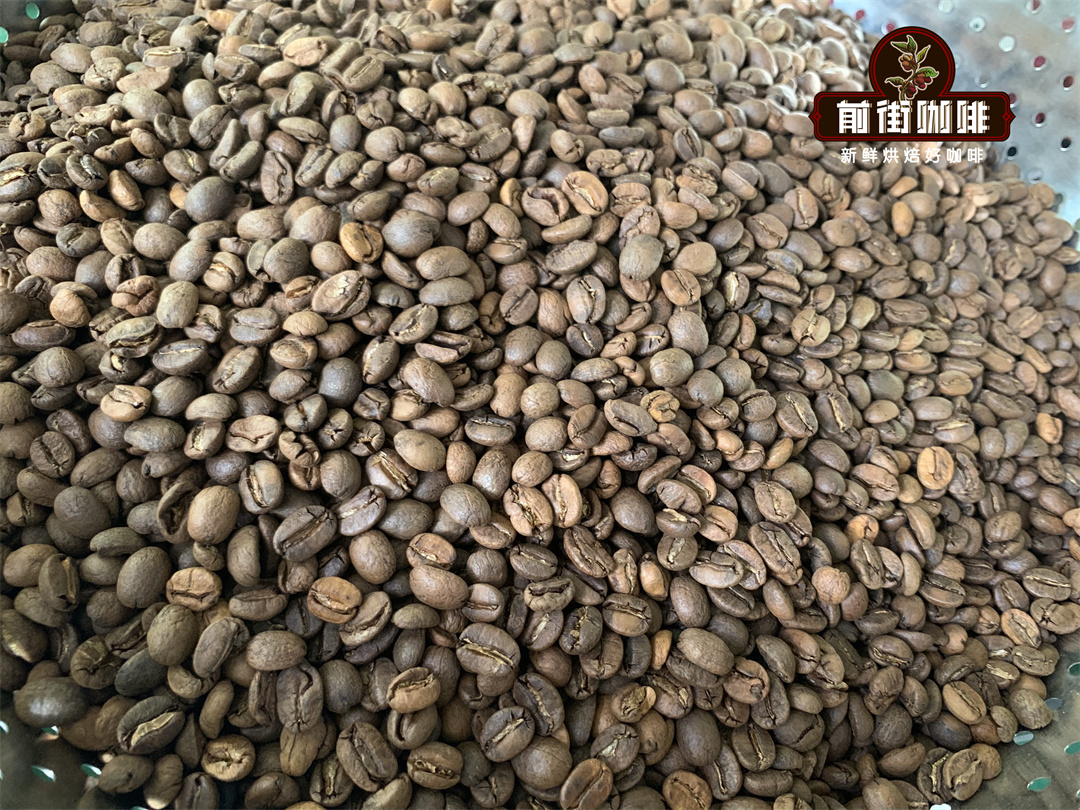
Medium Roasts
Medium Roast (MEDIUM Roast): Another American-style level. Alongside acidity, bitterness begins to appear, giving a pleasant mouthfeel. Aroma, acidity, and body are all moderate, and this roast is often used for blends.
High Roast (HIGH Roast): A shade darker than medium roast, with a slightly dark-tea color developing on the bean surface and bitterness growing stronger. The cup shows acidity balanced by bitterness with excellent aroma, and it is a favorite among Japanese and Northern European coffee drinkers. (Blue Mountain coffee)
City Roast (CITY Roast): The most standard roast, where bitterness and acidity reach equilibrium. Often used for French-style coffee. (Brazil, Colombia)
Dark Roasts
Full-City Roast (FULL-CITY Roast): Slightly darker than city roast, with a considerably deeper color. Bitterness now outweighs acidity. This style is associated with Central and South American roasting and is excellent for iced coffee of all kinds.
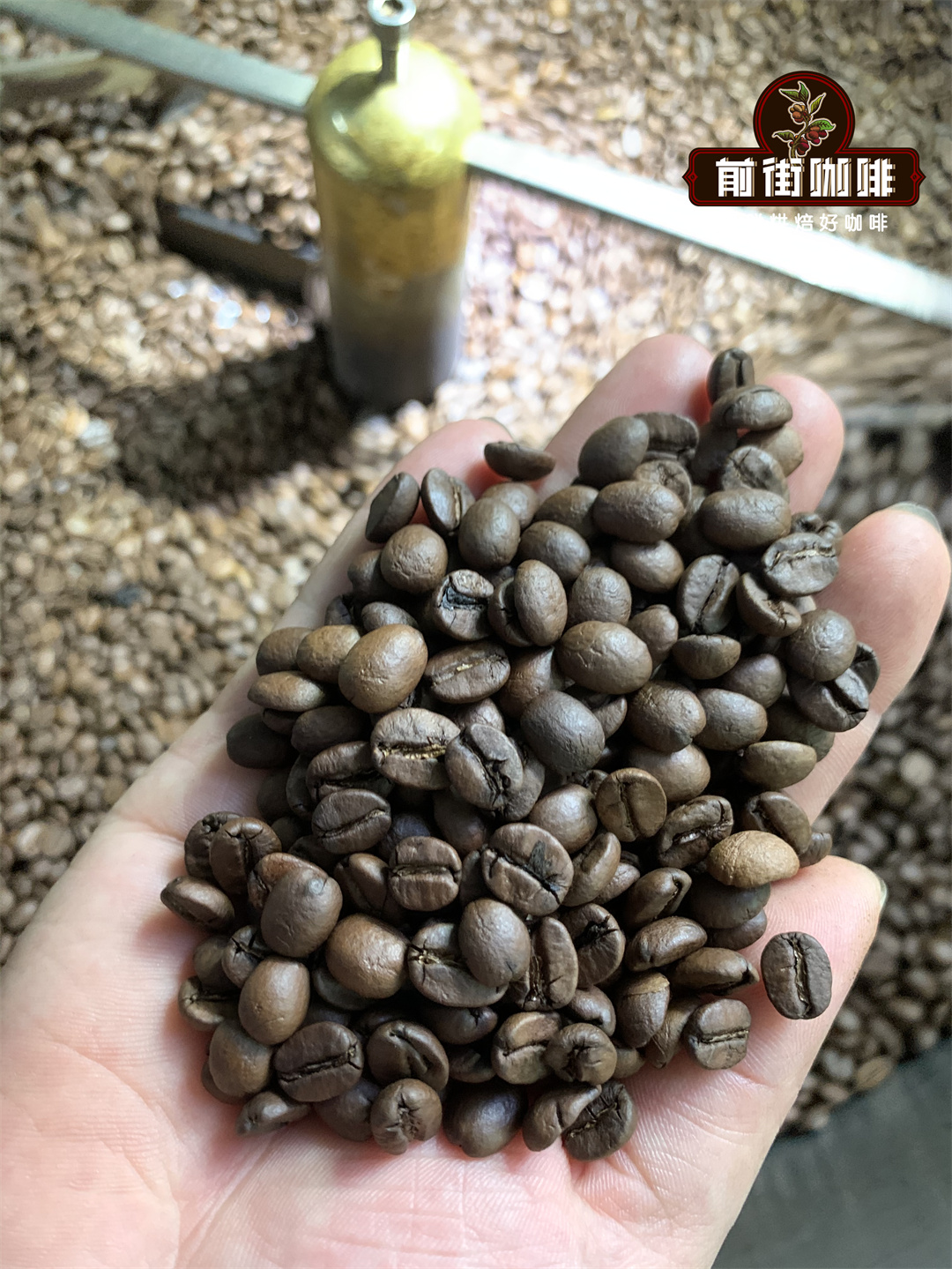
Different roast levels bring different mouthfeels, and flavor preferences are personal. Some drinkers favor medium-roasted beans: rich in taste but not dull, retaining a trace of the bean's own delicate aromatics so that the character of different origins still comes through. If your goal is a bigger caffeine hit to shake off the morning fog, lighter roasts deliver slightly more caffeine. The simplest way to learn what suits you is to brew two pots side by side — one light, one dark — and give yourself the most personal tasting experience there is.
Coffee Roasting Methods
Roasting equipment falls roughly into three categories: direct fire, hot air, and semi-hot air. Each brings different changes to the beans:
Direct Fire Roasting: The drum of a direct-fire roaster is perforated with small holes so the heat source makes direct contact with the beans. That makes heat control harder, but done well, the aroma expression of the finished beans is outstanding.
Hot Air Roasting: A powerful stream of high-temperature air blows through the roaster, tumbling the beans. Heat transfer is the most efficient of the three methods, roasting is faster, and the resulting flavors are cleaner and brighter.
Semi-Hot Air Roasting: Also called semi-direct fire. The drum face exposed to the flame has no holes, but the inner side of the drum is perforated, channeling hot air into the chamber and helping the drum's metal conduct heat so the beans roast evenly. Heat is easier to adjust than with direct fire, and the flavor profile is marked by a rich aftertaste and sweetness.
Compounds Formed During Roasting
You may have heard that roasting produces both volatile and non-volatile compounds. Broadly speaking, volatile compounds are what we smell as aroma, while non-volatile compounds are what we taste as flavor. But what are these substances, exactly?
Volatile compounds are organic substances with high vapor pressure at room temperature. Many form during degradation reactions or in the development stage of the roast. When they evaporate, we catch the coffee's distinctive aroma. The main groups include:
Aldehydes: fruity and green aromas.
Furans: caramel aromas.
Pyrazines: earthy aromas.
Sulfur-containing compounds: including 2-furylmethanethiol. Some of these read as classic "roasted coffee" aroma, though a few are unpleasant on their own — methanethiol, for instance, smells like rotting vegetables.
Guaiacol: smoky and spicy aromas.
Carbon dioxide is a volatile substance that contributes nothing to aroma but does affect body.
For more specialty coffee recommendations, follow FrontStreet Coffee on WeChat (ID: kaixinguoguo0925).
FrontStreet Coffee Recommendation
Three things decide a coffee's final flavor during the roast: acidity, sweetness, and bitterness. The darker the roast, the more bitter and heavy the cup; the lighter, the more acidic and delicate. For anyone chasing balance, medium-roasted beans are the place to start.
If you dislike both sharp acidity and heavy bitterness, try FrontStreet's Brazil Queen Estate coffee. Grown in the world's largest coffee-producing country, it is a local Yellow Bourbon with a quiet, sugared sweetness. A medium roast draws out aromas of creamy peanut, chocolate, toast, and sugarcane, and it works beautifully as a pour-over or through a moka pot or espresso machine.
For a fruitier medium roast, reach for FrontStreet's Strawberry Candy Geisha Blend. It combines two famous origins: honey-processed Costa Rica and washed Panama Geisha. Roasted medium to highlight the best of both, it shows orange blossom, honeyed sweetness, and a rounded, juicy sweetness in the cup — equally good as cold brew, pour-over, or espresso.
FrontStreet's Jamaica Blue Mountain No.1 also deserves a mention. Blue Mountain grows Typica, one of the world's great heirloom Arabica varieties, and the mountain's singular geography is essential to its celebrated balance. The "emperor of coffee" is roasted medium precisely so that its acidity, bitterness, sweetness, and body fuse into one elegant whole — chocolate, roasted nuts, cream, and caramel from the very first sip, a combination no other coffee can match.
Important Notice :
FrontStreet Coffee is a long-established specialty coffee roaster in Guangzhou China, selling freshly roasted beans from its own farm in Yunnan as well as dozens of carefully selected single-origin beans from around the world for both pour-over and espresso. The products deliver consistently excellent quality and great value, with shipping within 24 hours. Guangzhou's FrontStreet Coffee shop is recommended by many coffee lovers, and the beans are now available online at the Tmall 。
FrontStreet Coffee has moved to a new address:
FrontStreet Coffee Address: 315,Donghua East Road,GuangZhou
Tel:020 38364473
 Scan and follow the En Gafei WeChat official account. Please indicate that the reprint comes from "En Gafei".