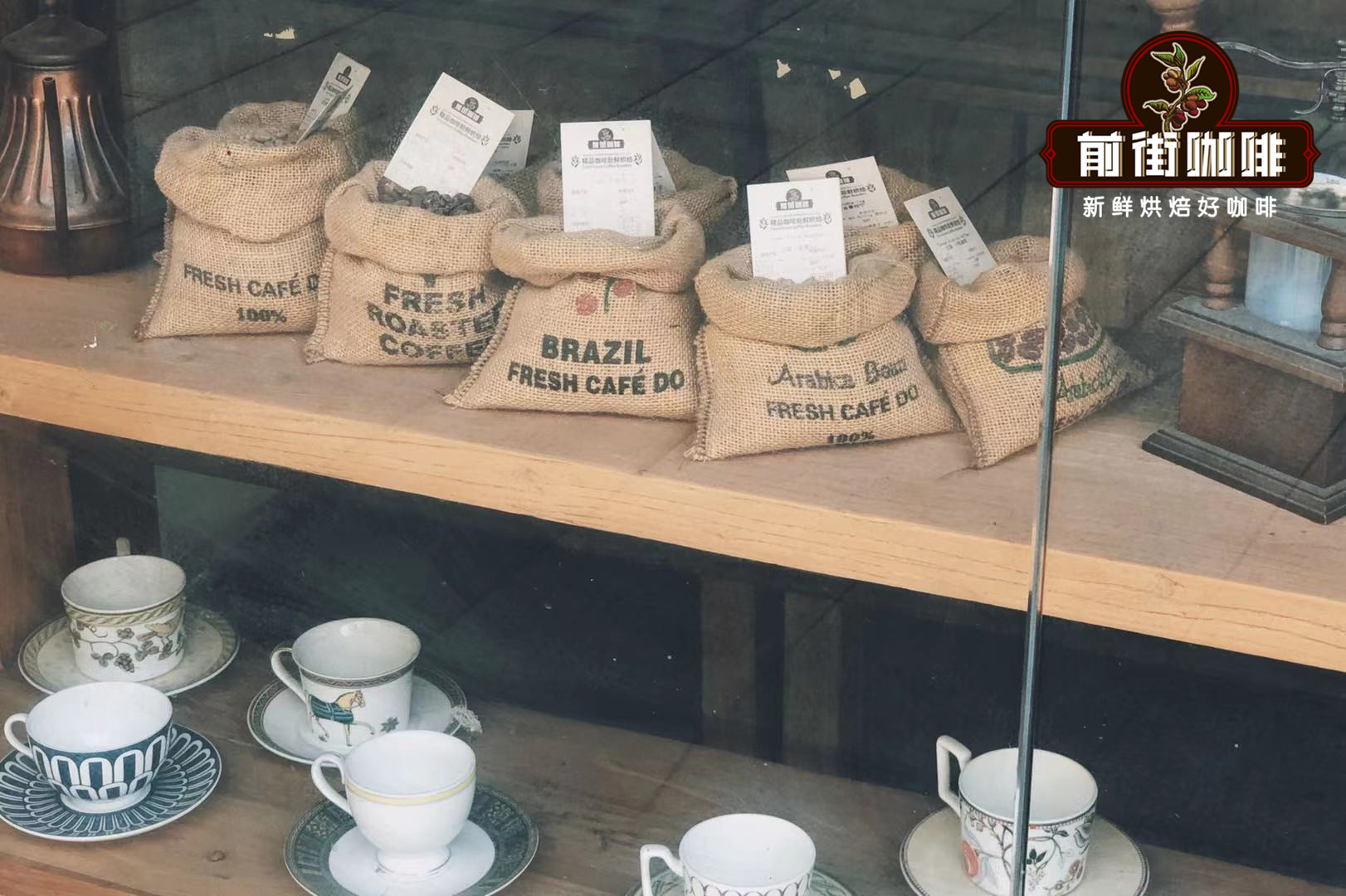
Brazilian Coffee Price Trends and Farmers' Demand for Renegotiation
Professional Coffee Knowledge Exchange
As we all know, Brazil is the world's largest coffee-producing country, with its production volume being 2 to 3 times that of Colombia, the second-largest coffee-producing country. Brazil's influence on coffee prices is truly significant. In 1994, two frost events caused a decline in Brazil's coffee production, leading to a surge in global coffee prices.
Today, coffee farmers in Brazil, the world's largest coffee-producing country, are attempting to renegotiate their sales contracts with exporters and traders to obtain higher prices. This breach of contract behavior has raised concerns within the industry.
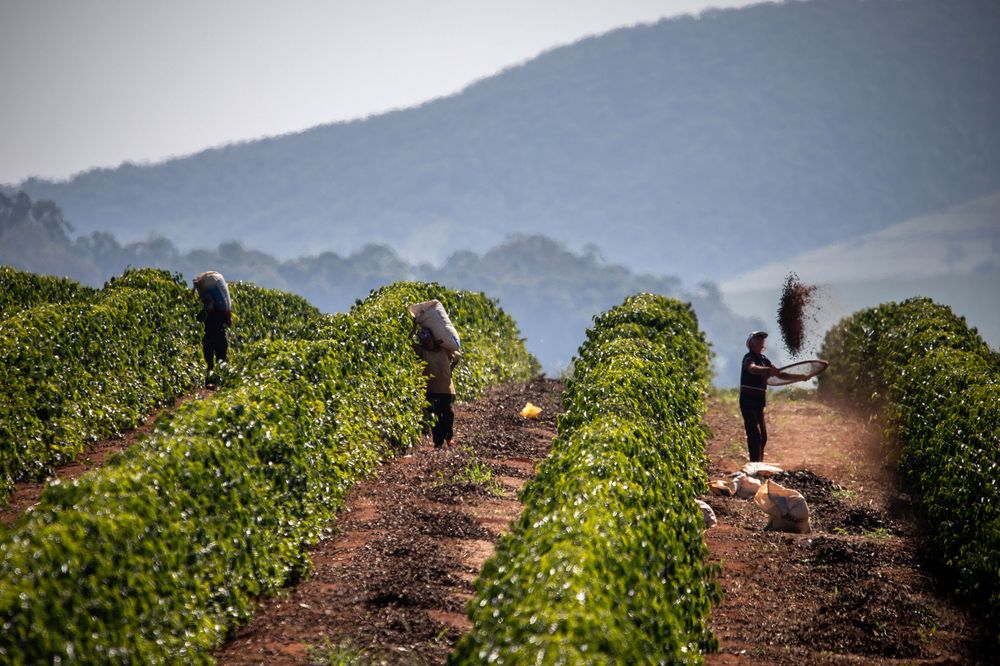
Farmers and their negotiation representatives all want more, a higher figure than what was accepted months ago or even a year ago, they say. Because this year's climate has been drier than usual, coffee production has significantly decreased, and coffee prices have soared as a result.
Other farmers who have delayed delivery are requesting to postpone their shipping time to next year.
According to a Dutch trader from a global trading company: "This breach of contract is a major problem." Farmers who once sold for 450 to 650 Brazilian reais are now demanding 800 Brazilian reais.
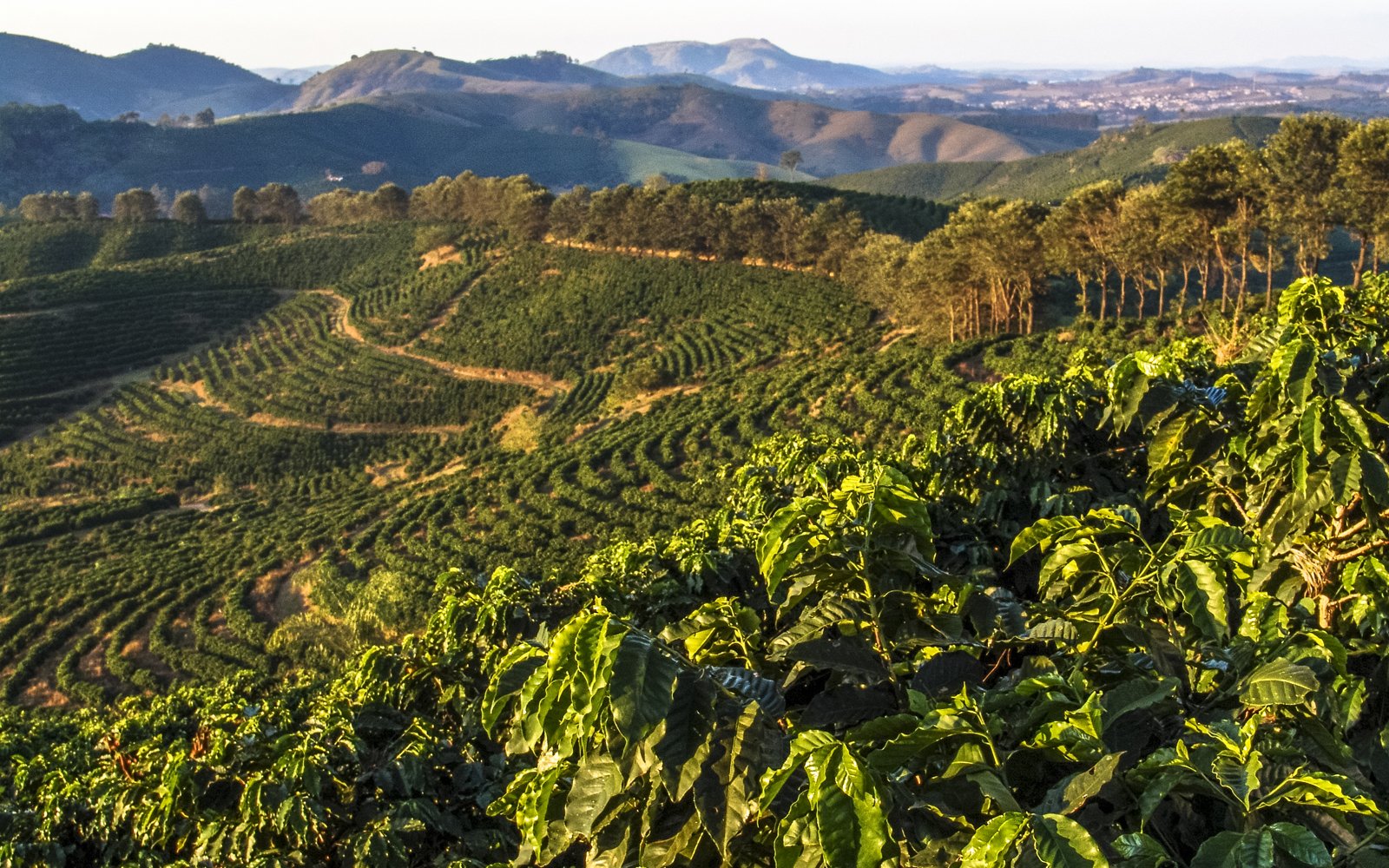
According to sources, the coffee harvest has just begun, and contract breaches have not yet occurred, but they are likely to happen within months. The head of Brazil operations at an international commodity trading company stated that farmers and their legal representatives have called to request renegotiations, while company representatives responded that they cannot change the terms now. If farmers breach their contracts, they will lose approximately 200 Brazilian reais per bag. If international commodity traders now need to pay higher prices for coffee delivery than they did months ago, this means these traders will face huge losses. Even worse, if farmers actually breach their contracts, international commodity traders will have to purchase expensive coffee on the spot market.
Thin Profit Margins
Some traders indicate that because commodity trading profits are typically very small, there is no room for renegotiation with farmers. Moreover, contract breaches will adversely affect coffee growers' credit ratings, creating difficulties for their future loans. Although contract breaches are very rare in the coffee industry, 2014 was an exception when drought in Brazil caused coffee prices to skyrocket.
Coffee exporters trade in thousands of bags, so losses could expand to millions of bags. Due to supply-demand imbalances caused by post-COVID market recovery, Arabica coffee futures have risen nearly 30% since early April, with Arabica coffee prices breaking four-year highs last week.
Sergio Hazan, CEO of Comexim, one of Brazil's largest exporters, stated that they believe some farmers will breach their contracts, but they hope that only a minority will do so.
Renegotiation Requests
Hazan mentioned that since their company has almost no contracts requiring future delivery, they have not yet received requests for renegotiation. He understands, however, that such requests have been made to other companies. Some smaller Brazilian brokers have already received renegotiation requests, but farmers think twice before breaching contracts, worrying about facing buyer resistance.
The Sincal farmers' union defends renegotiation on the grounds of the poor harvest this year. Marco Antonio Jacob, leader of the Sincal farmers' union, stated that they are not encouraging people to breach contracts, but rather giving farmers with insufficient production an opportunity to explain their situation to traders.
FrontStreet Coffee Recommendation
However the market moves, FrontStreet keeps Brazilian coffee on the shelf for its balance and value. FrontStreet's Cerrado pulped natural is a classic Brazilian single origin from the well-known Cerrado region. Medium roasted, it shows creamy peanut, toast, caramel, and hazelnut aromas with a rounded, low-acid cup and a light bitter note.
For a rarer varietal with more fruit, FrontStreet's Queen Estate comes from Mogiana near southern Minas, where fertile red volcanic soil builds full aromas. A Yellow Bourbon, it brings the sugarcane sweetness other regions lack along with fruit and chocolate notes, and it works for pour-over, moka pot, and home espresso machines.
Brazilian beans also anchor FrontStreet's espresso blends, supplying low-acid balance, chocolate and cream aromatics, and a soft sweet-sour-balance that helps keep extraction stable.
Important Notice :
FrontStreet Coffee is a long-established specialty coffee roaster in Guangzhou China, selling freshly roasted beans from its own farm in Yunnan as well as dozens of carefully selected single-origin beans from around the world for both pour-over and espresso. The products deliver consistently excellent quality and great value, with shipping within 24 hours. Guangzhou's FrontStreet Coffee shop is recommended by many coffee lovers, and the beans are now available online at the Tmall 。
FrontStreet Coffee has moved to a new address:
FrontStreet Coffee Address: 315,Donghua East Road,GuangZhou
Tel:020 38364473
 Scan and follow the En Gafei WeChat official account. Please indicate that the reprint comes from "En Gafei".