What do SCAA and COE coffee mean? What are the standard differences between COE and SOE coffee?
What do SCAA and COE stand for in the coffee world, and how do they differ? If you want to drink the very best coffee, it helps to start with the most prestigious, authoritative, and credible specialty coffee competitions on the planet.
Most people entering the coffee industry first run into one apparently authoritative body: the SCAA (Specialty Coffee Association of America). In 2017 it merged with the SCAE (Specialty Coffee Association of Europe) to form the SCA (Specialty Coffee Association), today the largest and most influential coffee organization in the world. The SCA is a non-profit membership organization devoted to coffee knowledge and education, and many of the standards it designed are still used across the industry—green bean evaluation, cupping protocols, water quality guidelines, and the Gold Cup brewing standards among them.
Coffee Quality Institute (CQI)
On the quality-assessment side, another organization deserves mention: CQI, the Coffee Quality Institute. In 1996 the then-SCAA formed a committee to tackle coffee quality and farmer income; that committee became the Specialty Coffee Institute and eventually spun off from the SCAA as today's CQI. The two organizations still cooperate closely. CQI's current CEO, Ted Lingle, is one of the SCAA's founders, the creator of the original flavor wheel, and a former SCAA CEO. CQI matters because it built the certification system for coffee graders: its Q Program is a training track for evaluating coffee quality, and completing its courses and exams earns the credential of Q-Grader. The payoff is a shared language—graders worldwide can describe coffee quality the same way, which makes it far easier to understand one another's assessments. Q-Graders score coffee using the SCA's standard cupping procedures.
CQI's evaluation centers on green bean quality, starting with appearance. Defective beans are scored down or eliminated according to their type and quantity. To get your green beans certified, you send samples to your local ICP (In-Country Partner), which recruits three Q-Graders to assess them. If the lot reaches specialty grade (80 points or above), CQI issues certification and lists the bean's details on its website; if it falls short, you receive a technical report instead.
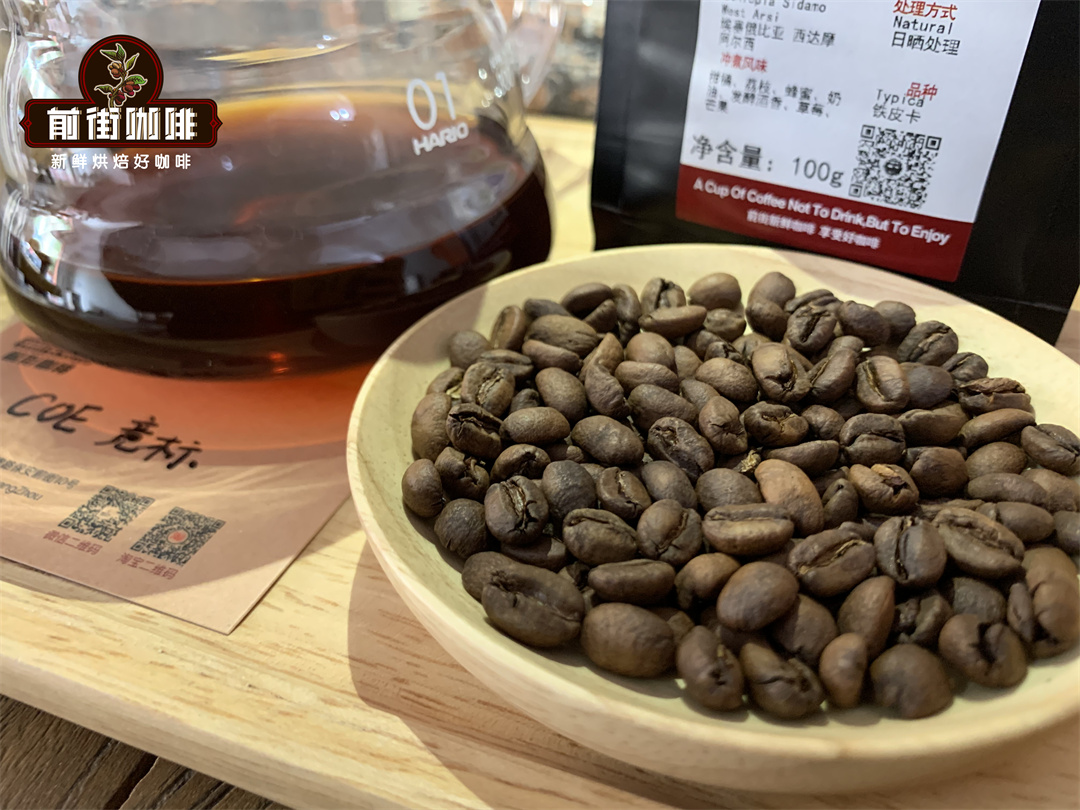
What is COE
If wine has its AOC classification, coffee has COE. You will often hear about "COE-grade beans" and "COE competition estates," and national specialty competitions around the world follow either the CoE or SCAA model—with as many as 10 producing countries using the CoE cupping format as their national contest.
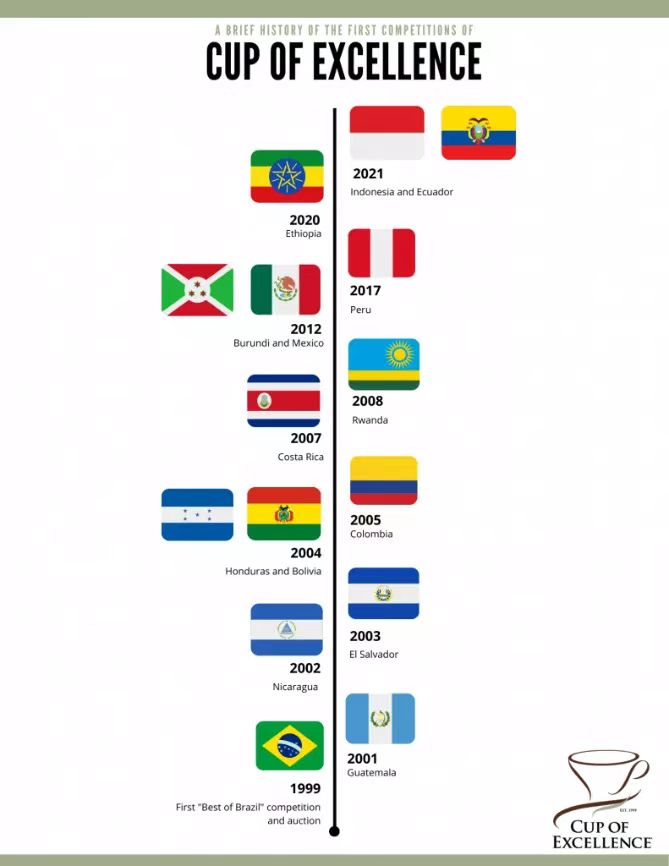
When a coffee bag reads "CoE competition beans," it means the lot came through the CoE competition. CoE stands for Cup of Excellence, and it is one of the most internationally respected coffee rating competitions there is.
The CoE competition runs through 6 rounds judged by two panels of seasoned, professional jurors. Any defect found in a round means immediate elimination. Coffees must score above 86 points to advance, passing through three stages: Pre-Selection, National Jury Week, and International Jury Week. Lots scoring above 87 points and finishing in the top 30 qualify for the CoE auction.
The national jury is made up of local cuppers from the producing country, who evaluate the pre-selected coffees in two further rounds of screening the following week. The final three rounds belong mainly to the international jury—importers, buyers, and cuppers from consuming countries—with two national jurors joining them for those last rounds. The coffees that survive earn the Cup of Excellence award and the right to enter the auction.
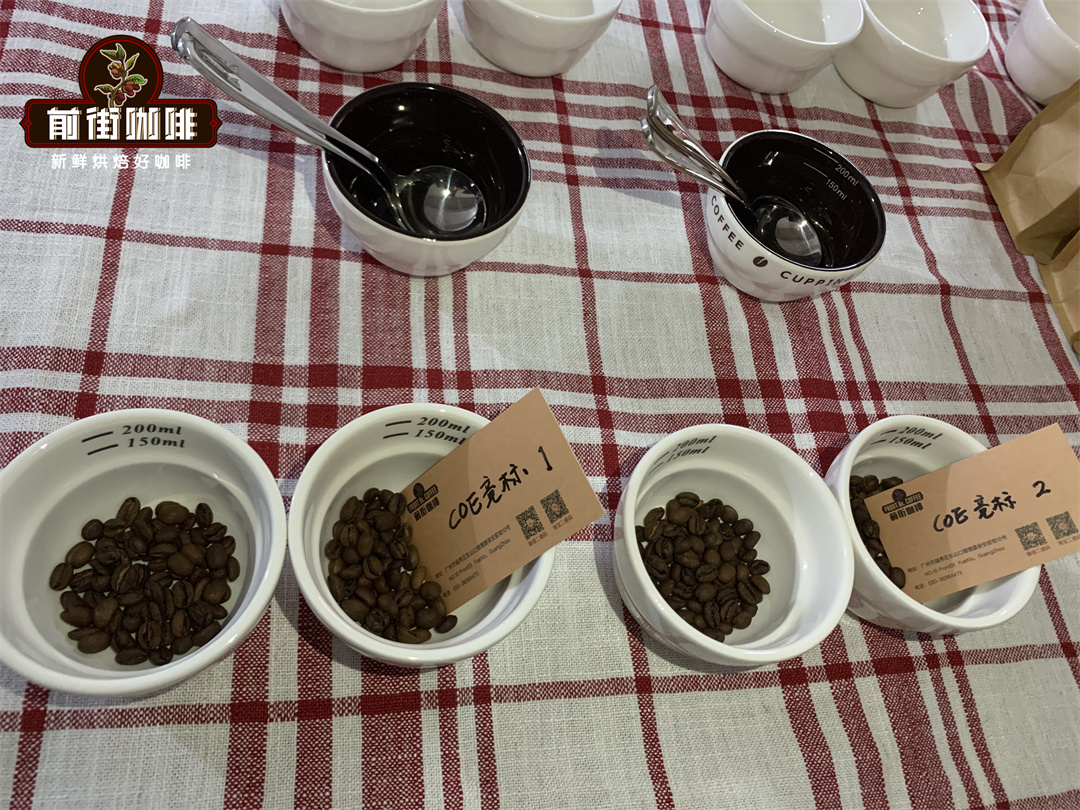
In short, a coffee labeled CoE has survived layer upon layer of screening: only the top 30, each scoring at least 87 points, make it to auction.
With international jurors on the panels, farmers must sit through at least 5 cupping evaluations over the three-week competition, and the top 10 winners face one more round. Beyond the recognition of proven quality, the biggest prize for COE winners is the auction revenue itself—good earnings give farmers the means to keep improving quality, and give consumers more chances to drink great coffee. A genuinely virtuous cycle.
Difference Between COE and SOE
People often confuse COE coffee with SOE coffee, but apart from their similar abbreviations the two have nothing to do with each other. As covered above, COE stands for the internationally renowned green bean competition Cup of Excellence; COE coffee beans are lots that placed in the competition and were sold through its auction. SOE, meanwhile, stands for Single Origin Espresso—single-origin beans used to pull espresso shots.
SOE is really an expression of the specialty coffee trend: using single-origin beans for espresso has become popular as a way to chase better quality and the clearest expression of origin character. So don't mix up SOE with COE.
Differences in Scoring Standards Between SCA and COE
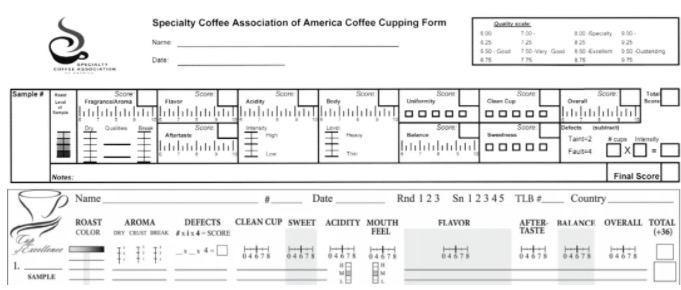
Note that CoE and SCA score coffee differently, and their scoring sheets look nothing alike, so the numbers cannot be compared directly. The SCA system has 10 scoring categories, each rated 6-10, for a total of 100 points.
CoE has 8 scoring categories, each rated 6-8, plus a base score of 36 points, also totaling 100. In CoE, aroma is not scored at all—only described—with its performance folded into the flavor score. CoE also grades sweetness in shades: the intensity, persistence, and type of sweetness all get noted, whereas SCA simply records sweetness as "present" or "absent." Cleanliness is critical in CoE because it is the basic elimination threshold—any defective flavor detected, and a lot is almost certainly out.
The SCA cupping form differentiates beans below 80 points in useful detail, but for top-quality beans it hits a ceiling quickly, since high scores crowd together. CoE, by contrast, targets good beans and pays little attention to commercial-grade coffee under 80 points.
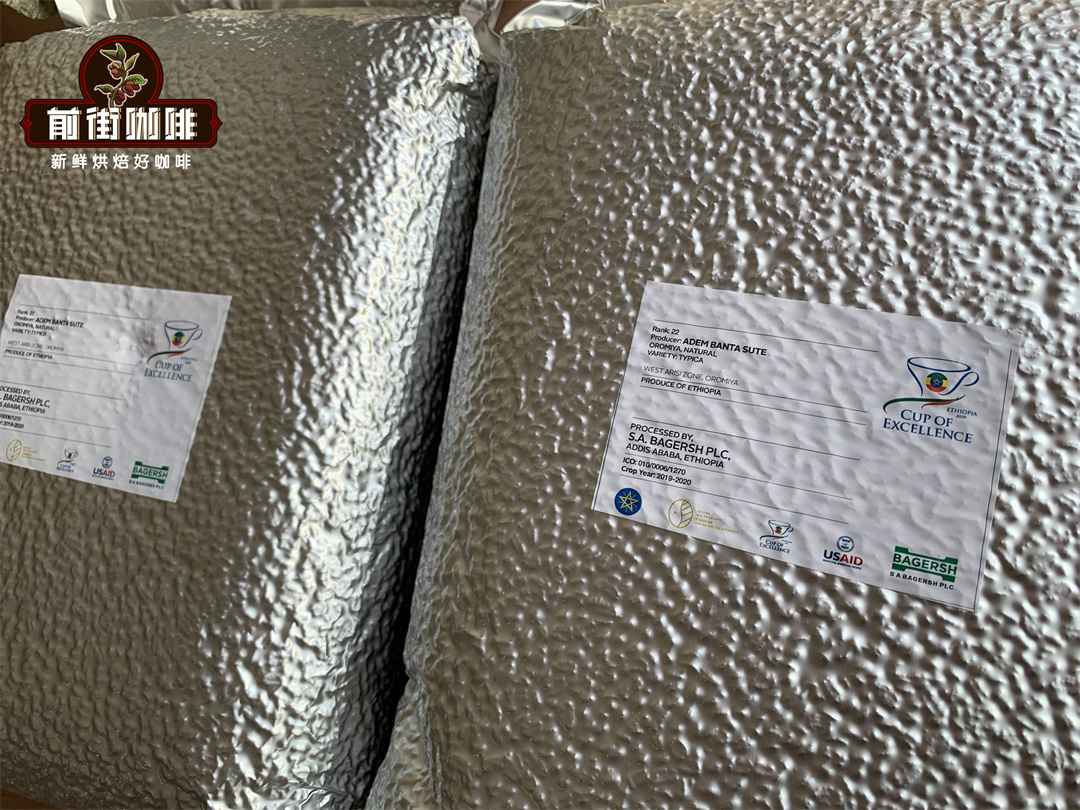
So both SCA and COE are authoritative green bean evaluation bodies, each dedicated to a complete system from cultivation to cup. In Ethiopia's first CoE green bean competition in 2020, FrontStreet Coffee successfully bid for the 22nd-place coffee—a natural-processed Typica from the West Arsi region, grown by Adem Banta Sute, scoring 87.64 points.
The 60-year-old Adem Banta Sute has grown coffee his whole life—and is the father of 28 children. The family lives in Refisa village, Nensebo district, West Arsi, Oromia.
On his 6 hectares of land, Adem Banta Sute produced 4,500 kg of coffee. Before this win, he sold his crop to local merchants.
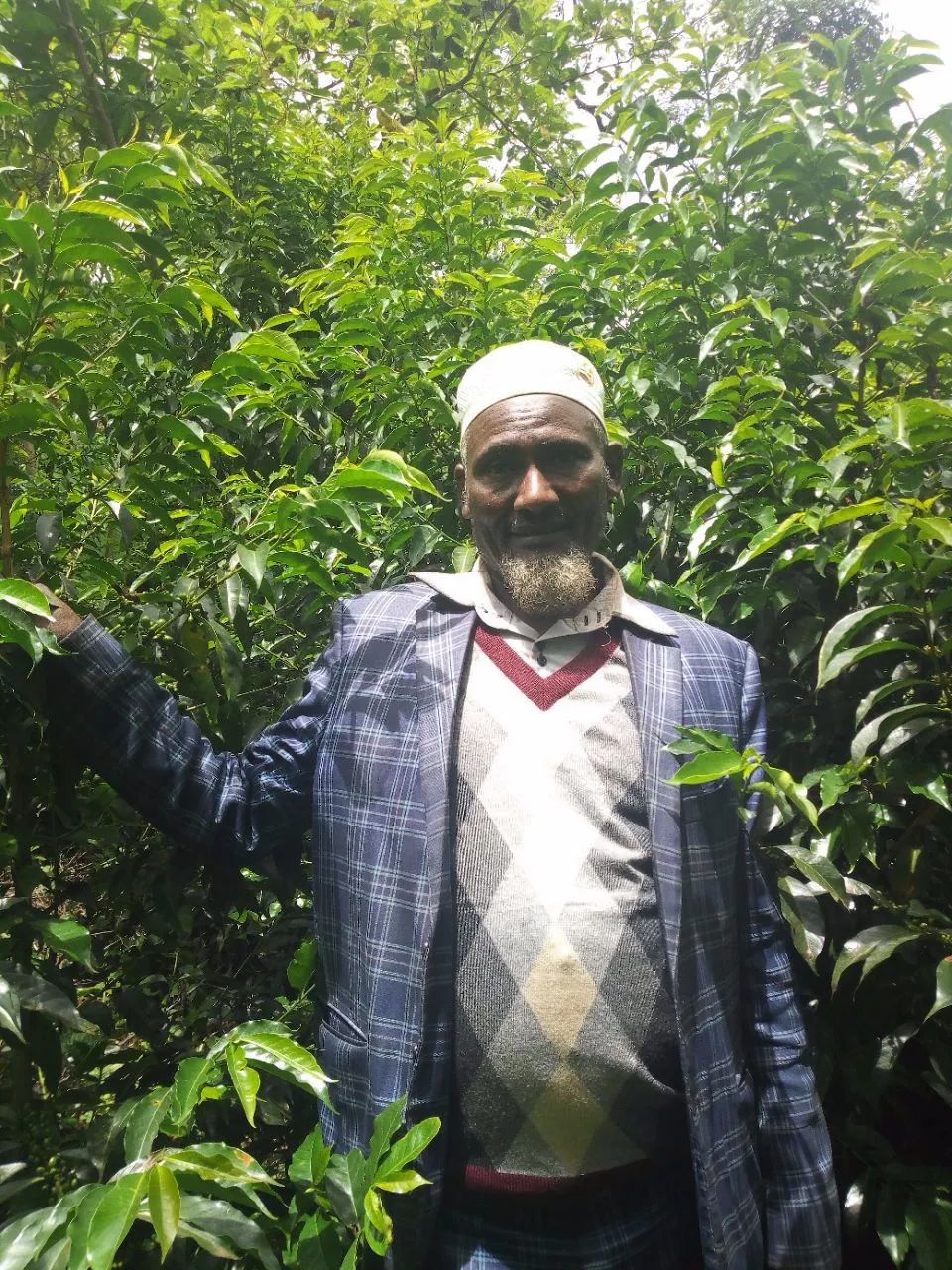
This COE #22 coffee grown by Adem Banta Sute is listed as Typica in the official information. Typica dominated the top 28 entries of the first Ethiopia COE in 2020, followed by 74110, 74158, and Kurme.
It is worth noting that in the official award information for the Ethiopian Cup of Excellence, the variety "Heirloom" is nowhere to be found—replaced instead by Typica, 74100, 74158, or Kurme. Why? Because "Heirloom" is not an accurate variety name in the first place.
As the birthplace of coffee, Ethiopia holds an unimaginable number of native varieties, grown and processed in mixed, hard-to-trace combinations. "Heirloom" simply became the catch-all label for varieties that could not be identified.
Ethiopian varieties generally split into landrace varieties and research varieties released by the Jimma Agricultural Research Center (JARC).
Both 74110 and 74158 are JARC research varieties. In the 1970s, Coffee Cherry Disease (CBD) wreaked havoc and cut Ethiopian production sharply. Hunting for naturally resistant varieties, JARC collected 639 samples between 1973 and 1975 and eventually selected 13 disease-resistant ones, including 74110 and 74158—the "74" in their names marks the year of collection.
This COE #22 coffee was natural-processed. In Ethiopia, over 70% of coffee cherries go through the natural method. Traditionally, smallholder farmers dry cherries in their yards, on rooftops, even by the roadside, because natural is far cheaper than washed processing. That rough handling was one reason early Ethiopian naturals were so inconsistent.
Naturals produced in cooperation with cooperatives and washing stations are far more stable—but doing natural processing well still takes real effort. Until the moisture content drops below 25%, the cherries must be turned by hand every 30-60 minutes to prevent unpleasant over-fermented flavors, which drives labor costs up.
Add in weather risk and longer drying times, and a quality natural demands far more labor and resources. But judging by the scores of the top 28 natural-processed coffees, good natural processing really is a game where risk and reward run together.
Roasting Curve
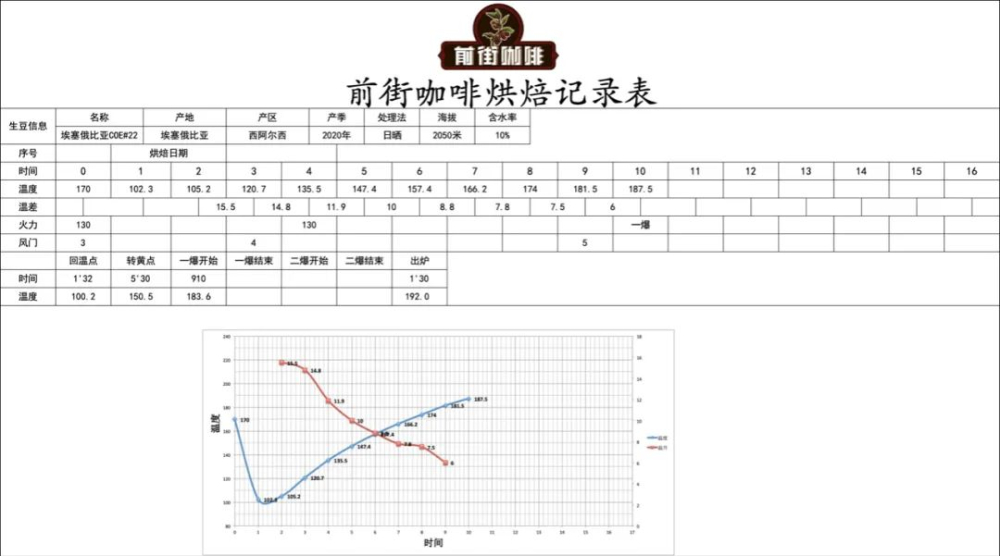
Charge the beans at 170°C drum temperature, heat at 130, damper at 3; turning point at 1'32" with drum temperature at 100.2°C and heat unchanged; at 3 minutes open the damper to 4, and at 4 minutes raise the heat to 140. When drum temperature reaches 150.5°C the bean surface turns yellow, the grassy aroma vanishes completely, and the drying stage begins. At 8'36" the bean surface shows coarse wrinkles and black spots, and the toast aroma clearly shifts into coffee aroma—the prelude to first crack. From here, listen carefully for the crack. First crack starts at 9'10"; develop for 1 minute 30 seconds after first crack and drop the beans at 192.5°C.
Cupping Report

Brewing Recommendations
Filter: V60 #01
Water Temperature: 90-91°C
Dose: 15g
Ratio: 1:15
Grind Size: Medium-fine (80% pass-through on China standard #20 sieve)
Brewing Method: Three-stage pour. Bloom with 30g of water for 30 seconds. At a total pour of 125g, using small circular motions, make a stage break. When the water level drops and the coffee bed is about to surface, pour again to 225g and stop. Once the level drops and the bed is about to surface again, remove the dripper. Total extraction time is 2'00" counted from the start of the bloom.
For professional coffee knowledge exchange and more coffee bean inquiries, please follow Coffee Workshop (WeChat public account: cafe_style)
For more specialty coffee beans, please add FrontStreet Coffee's private WeChat account: kaixinguoguo0925
FrontStreet Coffee Recommendation
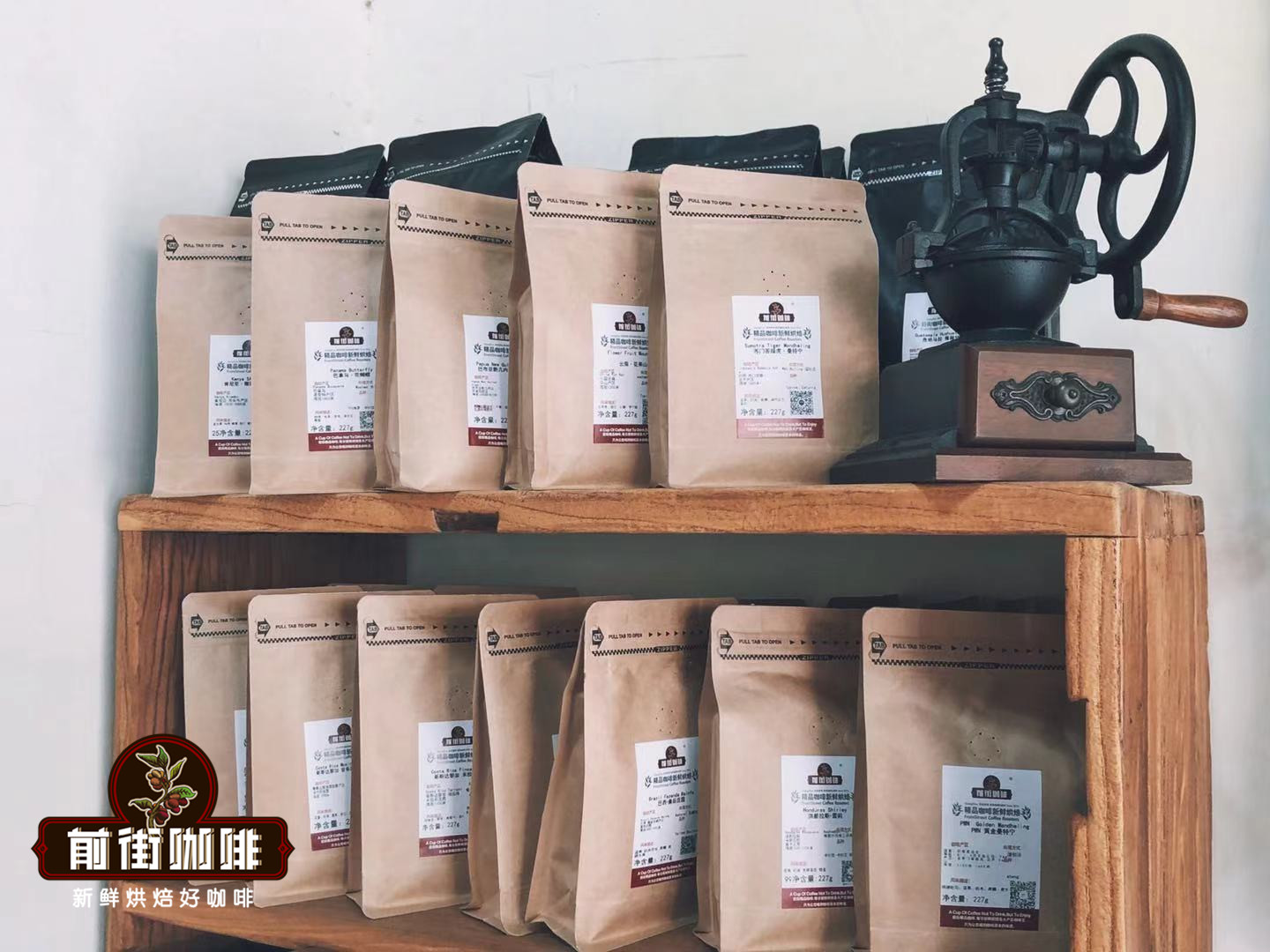
Since we are on the subject of SOE, FrontStreet Coffee's Huakui SOE is a natural starting point. Built on the same Guji natural Huakui prized for its full fermented fruit aroma and the syrupy sweetness only natural processing delivers, it has become a daily driver for many enthusiasts. Roasted medium, the espresso shot shows red berries, a light floral note, and orange, with a crema that carries citrus; the mouthfeel is clean and refreshing, the aroma elegant—ideal for a Huakui americano or flat white.
For a darker, weightier shot, try the FrontStreet PWN Golden Mandheling SOE. A premium grade of Mandheling given three rounds of hand sorting plus machine sorting to drive defects to a minimum, it is roasted medium-dark: pulled as espresso it brings clear spice, herbal, sandalwood, and caramel flavors, a deeply full-bodied cup, and a dark chocolate note on the finish.
And if you want an SOE built for milk drinks, FrontStreet's Brazil Fazenda Rainha SOE fits the bill. Grown at high altitude with a wide day-night temperature swing that concentrates flavor precursors, this Brazilian bean is roasted medium-dark to bring out dense nut, cream, and peanut aromas with a richly sweet chocolate finish. Extracted as espresso it produces thick, handsome crema, and it holds its aroma beautifully in a flat white or latte.
Important Notice :
FrontStreet Coffee is a long-established specialty coffee roaster in Guangzhou China, selling freshly roasted beans from its own farm in Yunnan as well as dozens of carefully selected single-origin beans from around the world for both pour-over and espresso. The products deliver consistently excellent quality and great value, with shipping within 24 hours. Guangzhou's FrontStreet Coffee shop is recommended by many coffee lovers, and the beans are now available online at the Tmall 。
FrontStreet Coffee has moved to a new address:
FrontStreet Coffee Address: 315,Donghua East Road,GuangZhou
Tel:020 38364473
 Scan and follow the En Gafei WeChat official account. Please indicate that the reprint comes from "En Gafei".