COE Coffee Bean Auction: What Do Esmeralda Geisha Red Label and Geisha Village Red Label Mean?
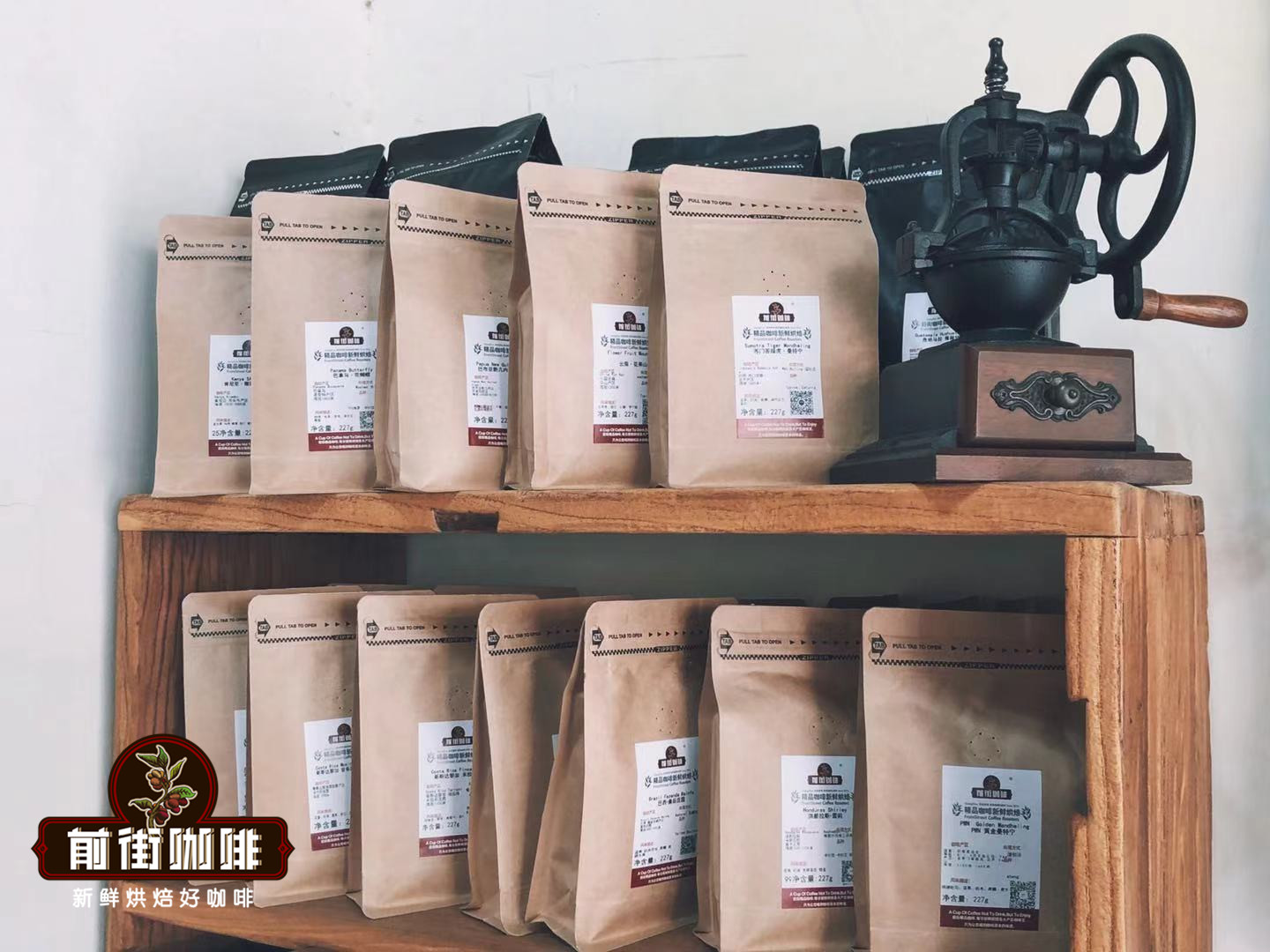
Geisha coffee beans have an extraordinary, legendary history, made famous through Panama's Hacienda La Esmeralda. After winning the championship in 2004, the variety developed rapidly, and today more and more growing regions have begun cultivating Geisha. FrontStreet Coffee believes the flavor profile most representative of Geisha still belongs to Panama's Hacienda La Esmeralda, so FrontStreet Coffee recommends the estate's Red Label or Green Label to customers trying Geisha for the first time.
If Hacienda La Esmeralda represents Panama's Geisha, then Gesha Village represents Ethiopia's. So how do Esmeralda's Geisha and Gesha Village's Red Label differ, and how is each classified?
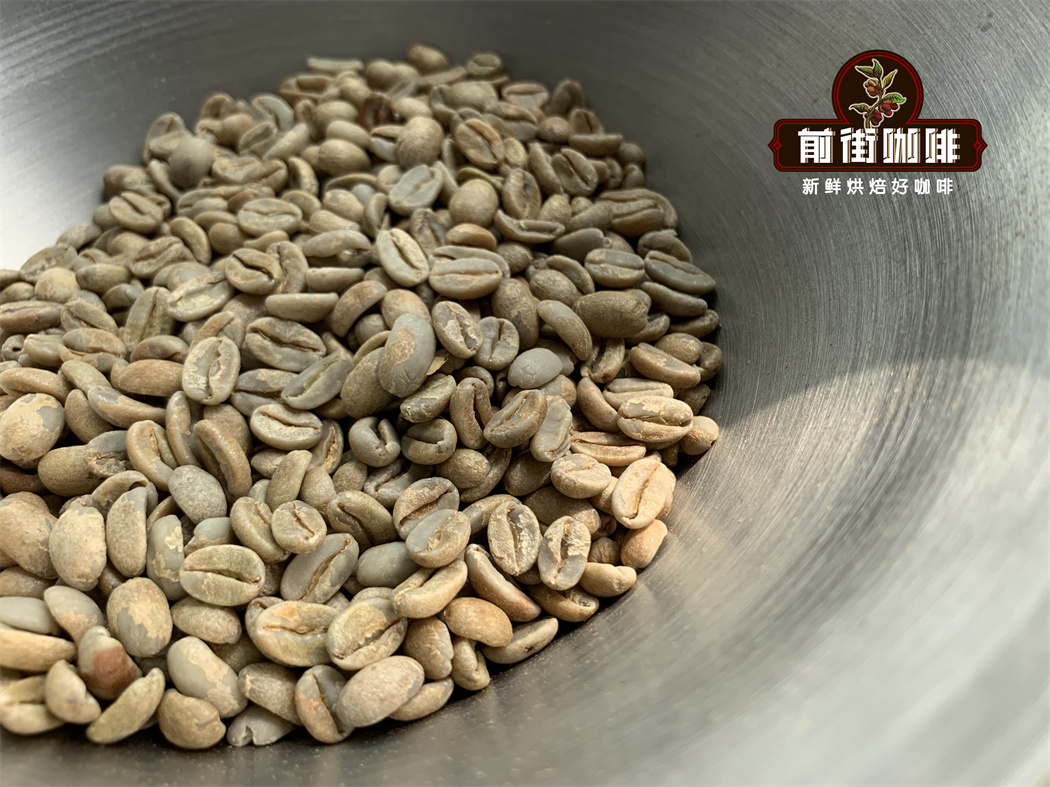
The Geisha variety was discovered in 1931 in the Gesha forest of Ethiopia, then sent to Kenya's Coffee Research Institute, introduced to Uganda and Tanzania in 1936, brought to Costa Rica in 1953, and introduced to Panama in 1970. Initially few people paid Geisha any attention, until Panama's Hacienda La Esmeralda separated it from other varieties in 2003 and won the BOP competition in 2004. Only then did the Geisha variety officially enter everyone's view.
Although Geisha's flavor is delicate, that elegance comes from specific growing conditions. Geisha is quite picky about its environment, requiring higher altitudes, cloud shade or extensive shade trees, and fertile soil. High-altitude Geisha shows distinct floral aromas and delicate, elegant fruit acidity — one of the reasons for its global popularity.

Hacienda La Esmeralda's Geisha Classification
Panama's Hacienda La Esmeralda Geisha is divided into three grades: Auction, Red Label, and Green Label (Blue Label has been discontinued). The estate divides its Geisha plots extremely finely, with three main plots: Jaramillo, Cañas Verdes, and El Velo, each further subdivided. High-quality Geisha comes mainly from the Jaramillo and Cañas Verdes plots.

Auction and Red Label
Esmeralda Special, commonly known as Red Label, represents Hacienda La Esmeralda's premium Geisha apart from the auction batches. These beans are grown above 1,600 meters, with cupping scores no lower than 91 points. Each micro-batch carries detailed traceability information, including plot, altitude, latitude and longitude, tree age, harvest time, and processing method. For example, FrontStreet Coffee's latest Emerald Red Label batch is selected from the Sugar Cane plot, with fruit harvested on February 13th of this year. After 25 days of slow natural drying, it brings rich aromas reminiscent of jasmine, cranberry, passion fruit, citrus, and cinnamon.

Hacienda La Esmeralda's independent auctions feature Red Label batches selected from designated plots for auction. Non-auction Red Labels also circulate on the market today; these are Geisha beans selected from the same plots but not entered in auctions, then sold on. The variety quality is the same, with only pricing differing. This grade of Geisha uses natural or washed processing, with flavors featuring special, bright floral notes and citrus aromas.

Green Label Geisha
Private Collection, commonly known as Green Label, was once a high-quality Geisha batch that did not participate in auctions. Green Label is harvested from mixed Geisha beans from different plots within the two main estates, at altitudes between 1,600-1,800 meters. With its classic citrus-honey notes, it became the preferred choice for many budget-conscious Geisha enthusiasts. Since 2022, Hacienda La Esmeralda has also begun indicating which sub-estate these Green Label beans come from. According to the estate's official website, Green Label Geisha from different plots shows unique flavor directions due to terroir differences. Green Label from the Jaramillo plot carries strong jasmine and rose notes; Cañas Verdes Green Label features richer tropical fruit flavors; and El Velo's Green Label presents lemongrass and floral aromas.

Blue Label Geisha
The Geisha 1500 brand is what we commonly know as Blue Label Geisha. Selected from altitudes of 1,400-1,500 meters, it is a blend from three plots: Jaramillo, Cañas Verdes, and El Velo. The flavors mainly feature subtle floral notes, fruit acidity, and melon sweetness, with a fuller, less weighty mouthfeel. As Hacienda La Esmeralda aimed to strengthen its brand positioning, Blue Label batches were discontinued between 2019-2022, and the Geisha coffee from these regions was sold to a brand company, which launched "Las Rocas," also known as Volcanic Rock Geisha coffee beans — what we recognize as Blue Label.

Gesha Village Coffee Estate
Gesha Village Coffee Estate is located in the Bench Maji region of Ethiopia, covering a total area of 471 hectares, with coffee cultivation reaching 320 hectares. The estate's altitude exceeds 1,900 meters, which lets the coffee trees grow slowly and gives the cherries more time to accumulate nutrients. Gesha Village is divided into 8 plots, each planted with a single variety, so single-plot batches are also single-variety.
Gesha Village cultivates three varieties: Gori Gesha, Gesha 1931, and Illubabor Forest. The first two are both Geisha varieties, while Illubabor Forest is a disease-resistant variety provided by the Ethiopian Research Institute. Gesha Village has a strict internal grading system: Auction, Gold Label, Red Label, Green Label, and CHAKA batches.

Gesha Village's beans are full of complex flavors and very rare, often selected by international competition baristas. Because the estate maintains the local ecological environment and builds good relationships with local residents, the Gesha Village Foundation was established to give back to the community, promoting education through two schools near the estate.
Auction Batches
Accounting for only 3.7% of Gesha Village's annual production, these are the estate's top-tier batches, rigorously selected and available only through the 2018 Gesha Village Coffee Estate Global Auction. The 2018 auction batches had cupping scores ranging from 88.15-92.67 points, further divided into Champion's Reserve and Farm Reserve. Gesha Village 2018 Auction Lot RSV.6, for example, belongs to the auction batch category.
Gold Label Batches
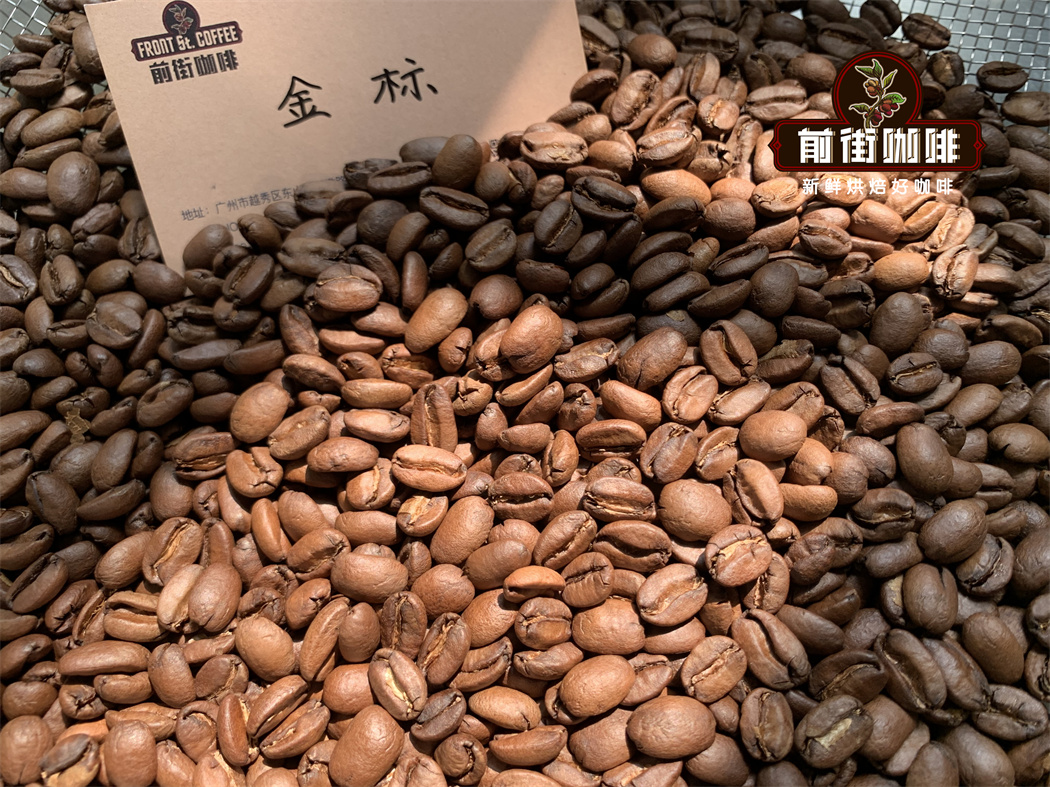
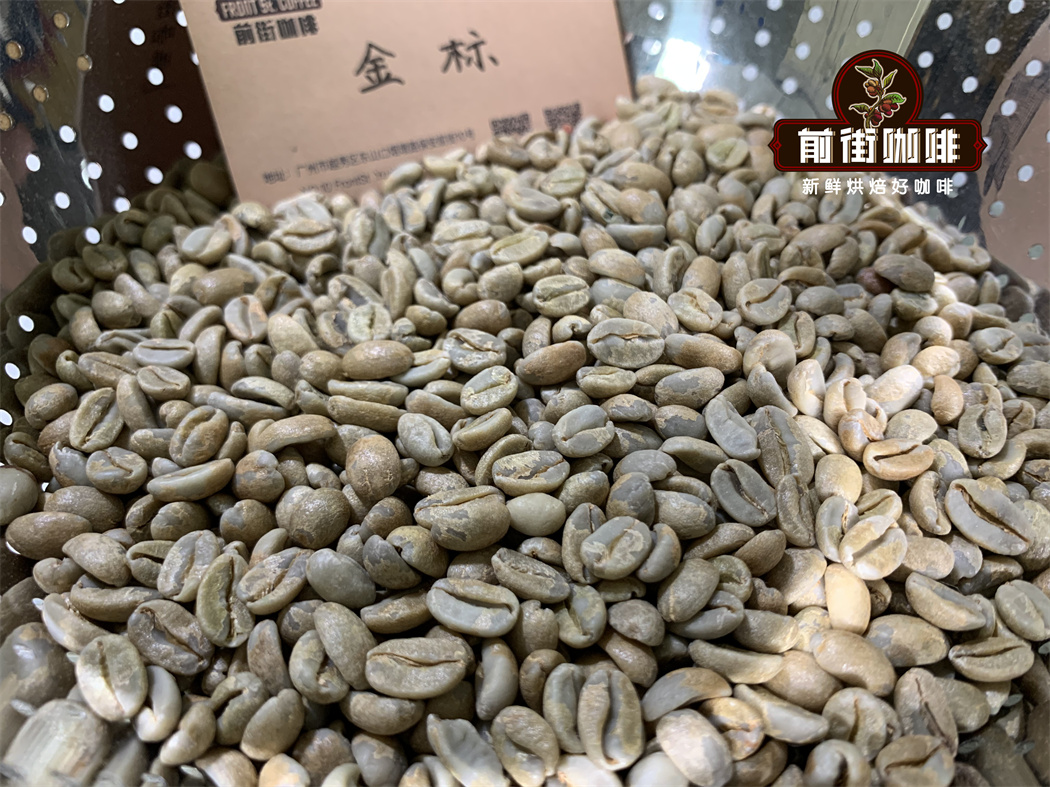
Like the different grades of Geisha at Hacienda La Esmeralda, Gesha Village's Gold Label Geisha also has the English name "Rarities." Put simply, it is the highest-grade non-auction Geisha launched by Gesha Village. The "gold" in Gold Label comes from the background color of the product trademark. According to Gesha Village's official website, this grade of Geisha accounts for only 10% of the entire estate's production. Like Hacienda La Esmeralda's Red Label, each batch comes with plot information for buyers' reference.

The variety of Gesha Village's Gold Label Geisha is called "Gesha 1931." The selection work at Gesha Village was led by Willem Boot. Because genetic comparison technology was lacking at the time, estate owner Adam found two Geisha varieties in the vast Gesha area by referencing Panama Geisha's plant morphology and flavor performance. One had flavors remarkably similar to Hacienda La Esmeralda's Geisha, so it was named "Gesha 1931," symbolizing the year 1931 when Geisha was discovered.
Red Label Batches
Red Label batches account for about 15% of Gesha Village's annual production, featuring fully traceable batches with cupping scores exceeding 88 points (SCA standard). They possess typical Gesha Village flavors, with slightly less intensity and complexity than the Gold Label, making them highly cost-effective single-origin lots. The Gesha Village Red Label on FrontStreet Coffee's menu belongs to the Gori Gesha variety. It was found by estate owner Adam in the nearby Gori forest, who thought it looked very similar to Geisha plants, so he brought it back for cultivation and named it Gori Gesha. Compared with Hacienda La Esmeralda's T2722, it is therefore closer to the original Ethiopian Geisha variety.

Green Label Batches
Green Label batches come from single plots and are single-variety batches at Gesha Village Coffee Estate. Each batch number provides complete traceability information, including farm plot name, coffee variety, and processing date.

CHAKA Batches
CHAKA batches mix coffee from all plots of the estate and the entire production season. CHAKA comes in both natural and washed processing, containing the three coffee varieties from Gesha Village: Gesha 1931, Gori Gesha, and Illubabor. Unlike other batches at Gesha Village, CHAKA blends all plots and annual production seasons of the estate's Geisha beans, containing the three Geisha varieties cultivated at Gesha Village: Gesha 1931, Gori Gesha, and Illubabor.

This coffee comes in two processing styles: washed and natural. FrontStreet Coffee acquired the naturally processed batch. Through cupping, FrontStreet Coffee found Gesha Village's CHAKA presenting flavors of flowers, citrus, berries, cream, oolong tea, and sugarcane.
FrontStreet Coffee Recommendation
When it comes to tasting Geisha, FrontStreet Coffee's top pick is the Emerald Red Label — officially "Esmeralda Special." It is grown at 1,600-1,800 meters, and every batch must cup above 90 points and comes from a single small plot with its own lot number, so you can chase the subtle differences that suit your taste. FrontStreet's current Red Label is a natural lot: after slow drying it shows rich aromas of jasmine, cranberry, passion fruit, citrus, and cinnamon, and it is the most representative expression of Panama Geisha.
If you want to explore Ethiopia's Geisha instead, FrontStreet's Gesha Village Gold Label is the estate's top non-auction tier — the "Rarities" line, made from the Gesha 1931 variety and accounting for only about 10% of production. For a more accessible entry, the Gesha Village Red Label belongs to the Gori Gesha variety, fully traceable, scoring above 88 points on the SCA scale, and offering typical Gesha Village character at a friendlier price. For newcomers who just want a taste of "Geisha flavor," FrontStreet's Boquete Geisha from Panama is entry-level, delivering the classic citrus-honey elegance, oolong-tea smoothness, and delicate fruit acidity. Geisha is best brewed as pour-over: FrontStreet suggests 15g of coffee in a small Hario V60, a 1:16 ratio, water at 91°C, and a grind around fine caster sugar (about 78% pass-through on the Chinese standard No. 20 sieve).
Important Notice :
FrontStreet Coffee is a long-established specialty coffee roaster in Guangzhou China, selling freshly roasted beans from its own farm in Yunnan as well as dozens of carefully selected single-origin beans from around the world for both pour-over and espresso. The products deliver consistently excellent quality and great value, with shipping within 24 hours. Guangzhou's FrontStreet Coffee shop is recommended by many coffee lovers, and the beans are now available online at the Tmall 。
FrontStreet Coffee has moved to a new address:
FrontStreet Coffee Address: 315,Donghua East Road,GuangZhou
Tel:020 38364473
 Scan and follow the En Gafei WeChat official account. Please indicate that the reprint comes from "En Gafei".