How to Enjoy Gesha Village Gold Label Gesha Coffee Beans & Flavor Characteristics of Ethiopian Gesha Varieties
When it comes to specialty coffee, Gesha is a variety that cannot be overlooked. Not only is it often hailed as "the Hermes of the coffee world," but at FrontStreet Coffee each Gesha lot consistently captures customers' attention. Many newcomers have heard of Gesha long before tasting it, sitting at the bar and quizzing FrontStreet Coffee's baristas about what makes these beans special - and the baristas patiently answer every question. Among the coffees FrontStreet Coffee offers are Gesha beans from Gesha Village in Ethiopia.
Customers often ask why higher altitude leads to better coffee, and Gesha beans provide the clearest answer. Gesha is exceptionally picky about its growing environment: it demands high altitudes, and the higher the altitude, the better the quality. Today, FrontStreet Coffee walks you through the flavor characteristics of its Gesha Village coffees.

Gesha: The Ethiopian Coffee Heritage
Gesha belongs to the Ethiopian coffee lineage. It was discovered in the Gesha forest of Ethiopia in 1931 and then sent to the Coffee Research Institute in Kenya. In 1936 it was introduced to Uganda and Tanzania. In 1953 Costa Rica took it in, and Panama began growing Gesha in the 1970s, when Mr. Francisco Serracin of the Tumbaco farm obtained seeds from CATIE in Costa Rica. Nearly half a century later it made a stunning debut, defeating perennial champions like Bourbon, Caturra, Catuai, and Typica and sweeping the top prize at the Panama national cupping competition three years in a row.
FrontStreet Coffee's Ethiopian Gesha Village Gesha Coffee
Ethiopia is said to be the birthplace of Gesha. Last century, Gesha seeds were carried out of the depths of local primary forests and eventually made their way to Panama, becoming the coffee that amazed the world around 2000.

Gesha Village Estate lies in western Ethiopia, in the Bench Maji region, surrounded by dense jungle. The location is beautiful and the climate pleasant, with ancient, vast forests visible from high vantage points. The estate's owners, Adam and Rachel, spent three years searching for the perfect site, guided by locals to the very forest where Gesha originated - a two-day drive from the capital, Addis Ababa.
Gesha Village Estate covers roughly 471 hectares, with about 320 hectares planted in coffee on reddish-brown loam soil at a density of about 7,000 trees per hectare. One plot is named "Oma," after a respected and beloved religious leader. Gesha Village beans are complex and extremely rare, often chosen by international competing baristas for competitions. Out of a commitment to the local ecology and good relations with residents, the estate founded the Gesha Village Foundation, supporting educational development through two schools near the farm.

Gesha Village Grading System
Gesha Village Estate runs a strict internal grading system consisting of Auction, Gold Label, Red Label, Green Label, and Chaka batches.
Auction Batches
Auction batches account for only 3.7% of Gesha Village's annual production. They are the estate's most rigorously selected top-tier lots, available only through the 2018 Gesha Village Estate Global Auction, with cupping scores ranging from 88.15 to 92.67 points. They are further divided into Champion's Reserve and Farm Reserve; Gesha Village 2018 Auction Lot RSV.6, for example, belongs to this tier.

Gold Label Batches
Gold Label batches make up about 10% of Gesha Village Estate's annual production. They feature complex flavors and are extremely rare - the finest coffees at the estate after the auction lots. Many baristas choose Gold Label for competition use, and quality-driven roasters procure them as well. Each batch is fully traceable, with prominent flavors and high complexity.
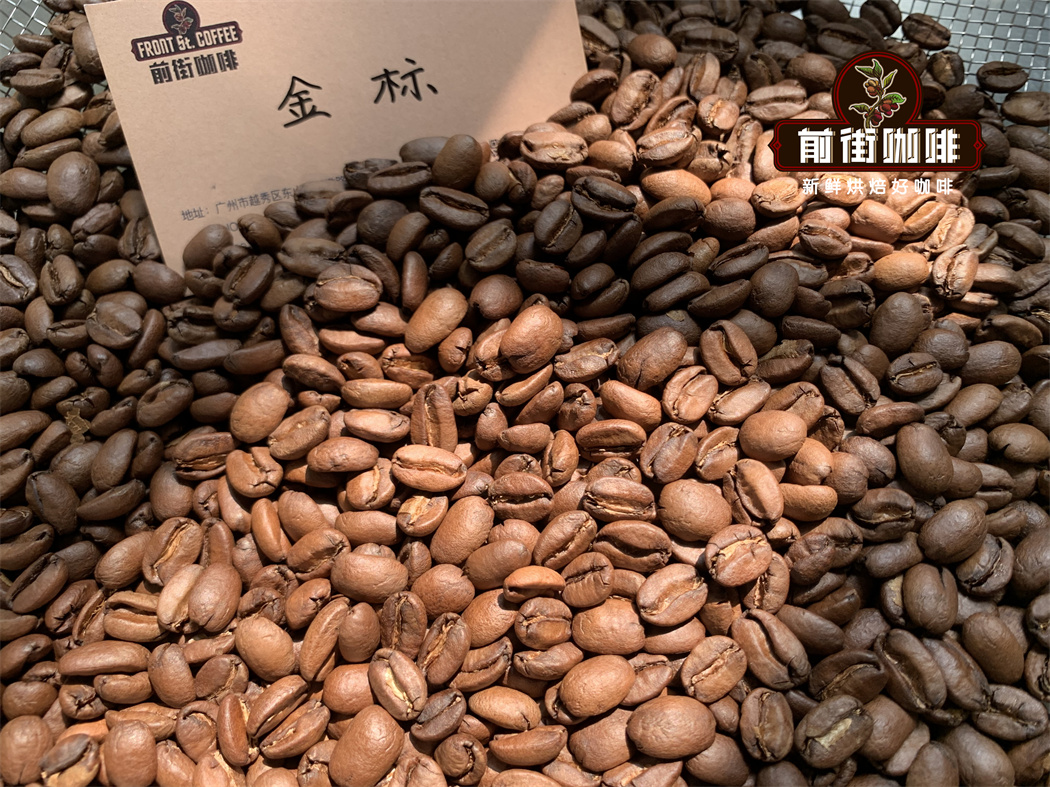
FrontStreet Coffee · Gesha Village Oma 059 Batch
Grade: Rarities (Gold) Label
Processing Method: Natural (32 days)
Variety: Gesha 1931
Country: Ethiopia
Region: Bench Maji
Altitude: 1,931-2,040 meters
Brewing Flavor: Fermented wine aroma, citrus and kumquat acidity, a full-bodied berry-juice mouthfeel

Red Label Batches
Red Label batches account for about 15% of Gesha Village Estate's annual production. These are fully traceable lots, cupping above 88 points on the SCA scale, with typical Gesha Village flavors. Their flavor intensity and complexity sit slightly below Gold Label, making them single-origin lots with excellent value for money.

FrontStreet Coffee · Gesha Village Red Label Gesha
Region: Bench Maji
Altitude: 1,909-2,069 meters
Variety: Gori Gesha
Processing: Natural
Brewing Flavor: Coconut, licorice, cream, chocolate, toffee, citrus, almond, strawberry, with a fermented aroma. Overall the profile is well balanced, with a rich mouthfeel and prominent nutty notes.

Green Label Batches
Green Label batches come from single plots and single varieties at Gesha Village Estate. Each Green Label batch number carries complete traceability information, including the plot name, the coffee variety, and the processing date.

CHAKA Batches
Chaka batches blend coffee from all plots across the estate's entire production season. They come in both natural and washed processing and contain all three of Gesha Village's varieties: Gesha 1931, Gori Gesha, and Illubabor.

Gori Gesha (GG)
This variety replicates the genetic diversity found within the Gori Gesha coffee forest.

Gesha 1931 (G31)
Composed of combinations of different forest varieties, it is very similar to Panama Gesha, selected by observing plant morphology, bean appearance, screen size, and cupping flavor.

Illubabor Forest 1974 (IF)
Discovered during a 1974 expedition to the Illubabor Forest, it was later developed by the Ethiopian research center into a disease-resistant variety.
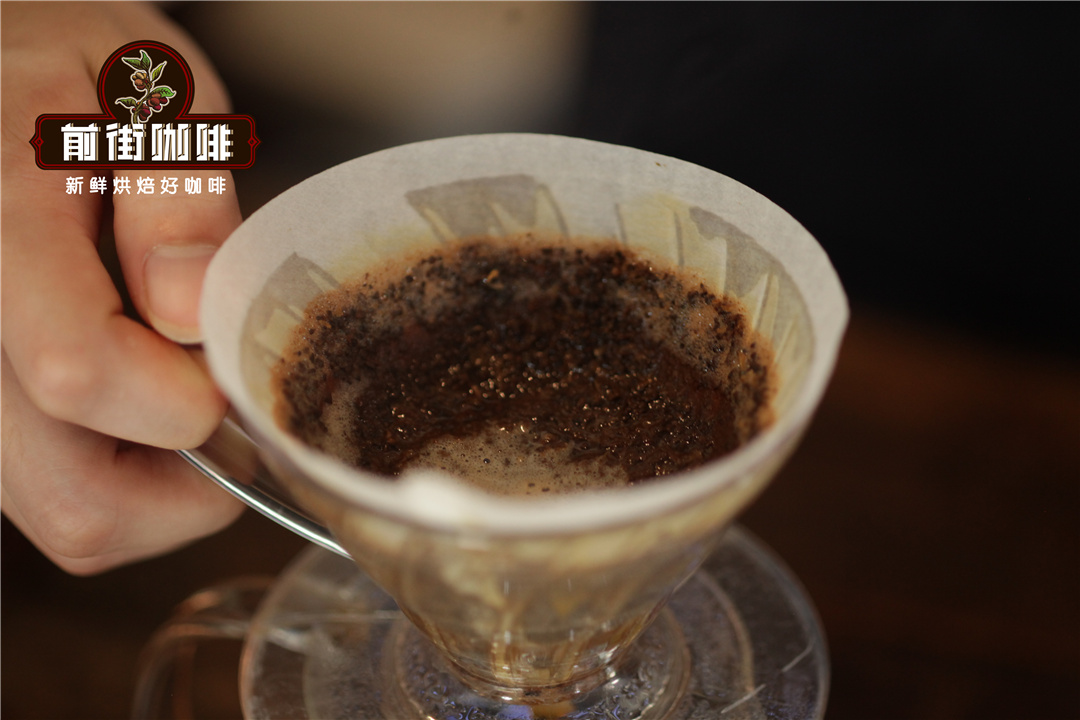
FrontStreet Coffee Brewing Parameters
Water Temperature: 90-91°C
Grind Size: BG#6m (fine-sugar size)
Coffee-to-Water Ratio: 1:15
Coffee Dose: 15 grams
FrontStreet Coffee Brewing Technique
First infusion: pour 30g of water for a 30-second bloom. Then pour 95g (the scale will read about 125g), completing the pour in about 1 minute. When the water level drops to two-thirds of the coffee bed, pour the remaining 100g (the scale will read about 225g), finishing the pour at about 1 minute 40 seconds. Drip filtration completes between 1'55'' and 2'00'' - remove the filter cone and the extraction is done.
FrontStreet Coffee Recommendation
If Gesha Village is the deep end, there are approachable ways in. Newcomers who want a first taste of the legendary "Gesha flavor" should start with the entry-level FrontStreet Boquete Gesha from Panama: an affordable way to experience classic high-grown Panamanian Gesha, with its orange-blossom honeyed sweetness, oolong-tea texture, and delicate fruit acidity. For the pinnacle, the FrontStreet Esmeralda Red Label Gesha (Esmeralda Special, grown at 1,600-1,800 meters and cupping above 90 points per lot) and the more budget-friendly Esmeralda Green Label Gesha (Private Collection, blended across plots) showcase the finest of Panama's famous estate.
In Ethiopia, the entry-level FrontStreet Genlana Estate Gesha is roasted medium-light, revealing bright citrus acidity, an elegant ginger-flower aroma, the full sweetness of ripe fruit, and Gesha's signature refined finish. To step up to estate-grade Ethiopian Gesha, choose the FrontStreet Gesha Village Gold Label (a Gesha 1931 with meticulous natural processing) or the Red Label (Gori Gesha) - large-estate consistency and strict quality control make both must-try pour-overs for advancing players. Gesha is a medium-light roast with a hard, dense bean that can clog the dripper, so FrontStreet Coffee suggests a grind at 78% pass-through on a #20 sieve (about fine sugar), water at 91°C, 15g of coffee in a small Hario V60 at a 1:16 ratio, and a three-pour method blooming 30g for 30 seconds before building up to 225g in about 2 minutes 10 seconds to 2 minutes 20 seconds.
Important Notice :
FrontStreet Coffee is a long-established specialty coffee roaster in Guangzhou China, selling freshly roasted beans from its own farm in Yunnan as well as dozens of carefully selected single-origin beans from around the world for both pour-over and espresso. The products deliver consistently excellent quality and great value, with shipping within 24 hours. Guangzhou's FrontStreet Coffee shop is recommended by many coffee lovers, and the beans are now available online at the Tmall 。
FrontStreet Coffee has moved to a new address:
FrontStreet Coffee Address: 315,Donghua East Road,GuangZhou
Tel:020 38364473
 Scan and follow the En Gafei WeChat official account. Please indicate that the reprint comes from "En Gafei".