Guatemala Coffee Regions with Volcanic Geological Soil | Flavor Characteristics & Brewing Suggestions
Professional Coffee Knowledge Exchange
For more coffee bean information, follow Coffee Workshop.
Introduction to Guatemala Coffee
Guatemala boasts tropical rainforests, volcanic geological soil, and diverse microclimates, which give Guatemalan coffee beans elegant, lively acidity, clean flavors without impurities, and well-defined layers. FrontStreet Coffee recently sourced several different Guatemalan coffees for cupping and evaluation, aiming to compare varieties, understand the differences between producing regions, build a database, and select the beans that best represent Guatemala's regional flavors for its shelves.
Geographical Information
Guatemala sits centrally between North and South America, holding an important position in Central America. As a country with numerous volcanoes, its growing regions enjoy exceptional conditions for coffee. The volcanoes provide fertile soil and rich minerals, which combine with Guatemala's many microclimates and favorable natural conditions such as altitude.
Guatemalan coffee is typically grown at average altitudes above 1500m, and the high elevations make it easy to produce extremely hard beans. FrontStreet Coffee believes Guatemalan beans have elegant, lively acidity, clean flavors without impurities, and well-defined layers. Green apple acidity, berry aroma, the fresh fragrance of jasmine, the citrusy aroma of orange peel, and the sweet aroma of chocolate lead the profile, with a distinctive smoky note in the aftertaste.
Growing Regions
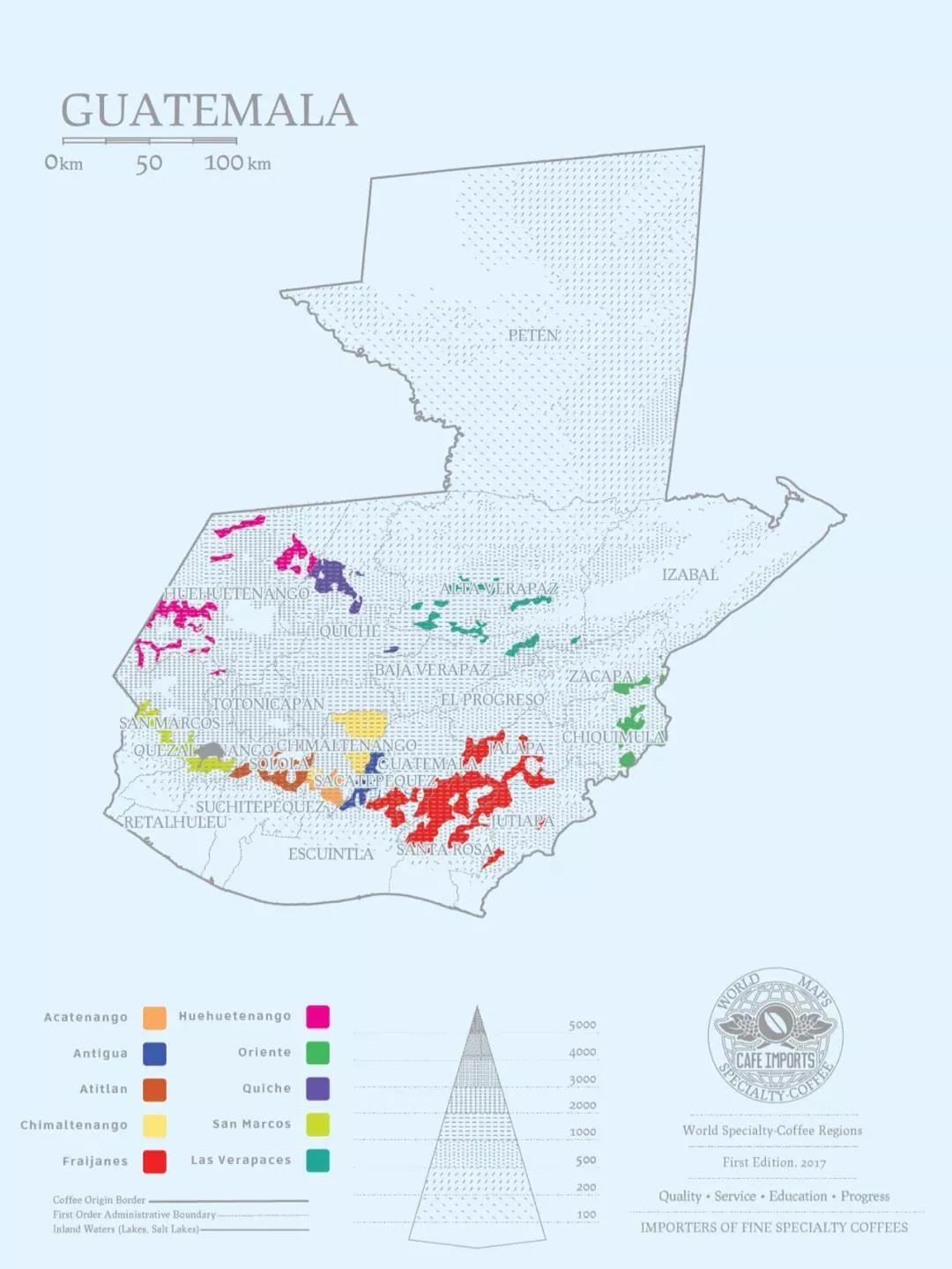
Guatemala has eight major growing regions, divided into five volcanic regions and three non-volcanic ones. The non-volcanic regions are Huehuetenango, Cobán, and Nuevo Oriente. The volcanic regions are Atitlán, Antigua, Acatenango Valley, San Marcos, and Fraijanes Plateau.
Huehuetenango
The Huehuetenango region lies in the northwestern highlands of Guatemala, with growing altitudes reaching 1800-2100 meters—the highest-altitude coffee-growing region in the country, known for producing excellent quality beans. Because Guatemala has numerous rivers and lakes, Huehuetenango enjoys rich mountains and water resources, with a dry climate but abundant water. The region also has complete water infrastructure, so coffee is mostly processed with the washed method. Harvest period: January-April.
Cobán
The Cobán rainforest region is markedly different from Guatemala's other coffee-growing areas. This zone is shrouded in clouds and mist year-round, with abundant rainfall and a cool climate. The local soil contains limestone and clay. Influenced by the Atlantic basin and the tropical jungle climate extending northward, most coffee here grows on gently rolling hills. The coffee characteristics differ distinctly from other regions in Guatemala. The beans are full-bodied with bright, subtle acidity and a faint wine-like fragrance. Altitude: 1300-1500m. Harvest period: December to March of the following year.
Nuevo Oriente
With abundant rainfall and year-round shade from cloud cover, Nuevo Oriente's climate resembles Cobán with only minor differences. Formerly a volcanic region, its soil contains metamorphic rock, and the abundant metamorphic rock balances the soil's minerals. Coffee cultivation here is also quite different from Guatemala's typical volcanic regions: Nuevo Oriente coffee grows in volcanic soil but without volcanic activity during the growing period. Nuevo Oriente is Guatemala's newest coffee-growing region, characterized by aromatic quality, noticeable acidity, and quite good texture. The growing altitude here is 1300-1700 meters, and the soil is metamorphic rock and clay. Harvest period: December to March of the following year.
Atitlán
One of Guatemala's four major volcanic coffee regions. Atitlán's soil is among the most fertile in organic matter. Ninety percent of the coffee grows along extremely steep slopes that extend all the way to Lake Atitlán, the largest and most famous of Guatemala's many volcanic lakes. Coffee from this region is fragrant and rich, with intoxicating aromas, sweet-acidic flavors, and full-bodied beans. Growing altitude: 1500-1700 meters. Harvest period: December to March of the following year.
Acatenango
Located west of Antigua, with a maximum altitude reaching 2000m. Winter temperatures are low, but the slopes facing the Pacific welcome warm sea breezes, which prevent frost and bring abundant moisture. The coffee flavor here resembles Antigua's, with slightly lower fruit acidity—the biggest difference between this region and Antigua.
San Marcos
This is the warmest coffee-growing area in Guatemala. It has abundant rainfall, the longest rainy season, and the earliest flowering period. The rainy season peaks from June to September, sometimes with torrential downpours, and some areas receive up to 197 inches of annual rainfall. The coffee here has noticeable acidity, full body, and a clear, light floral fragrance. Growing altitude: 1400-1800 meters. Harvest period: December to March of the following year.
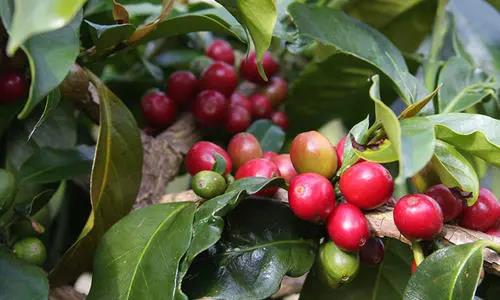
Fraijanes Plateau
The volcanic altitude here is quite high, and the soil contains rich pumice. Fraijanes Plateau is still an active volcanic zone, so its coffee shares characteristics with Antigua. But abundant rainfall, high and variable humidity, and large temperature differences give Fraijanes Plateau a very different flavor profile. Its coffee carries quite elegant aromas, a mild yet rich overall texture, and a special, pleasant acidity. Growing altitude: 1400-1800 meters. The soil here is volcanic pumice, with a plateau climate. Harvest period: December to February of the following year.
Coffee Varieties
Guatemala primarily grows Bourbon, Typica, Caturra, and Catuai.
Bourbon
Bourbon is a natural variant of Typica. When the cherries ripen they turn wine-red, and the beans are relatively round. Bourbon grown at high altitudes typically has better aroma and bright acidity, with wine-like flavors on the palate.
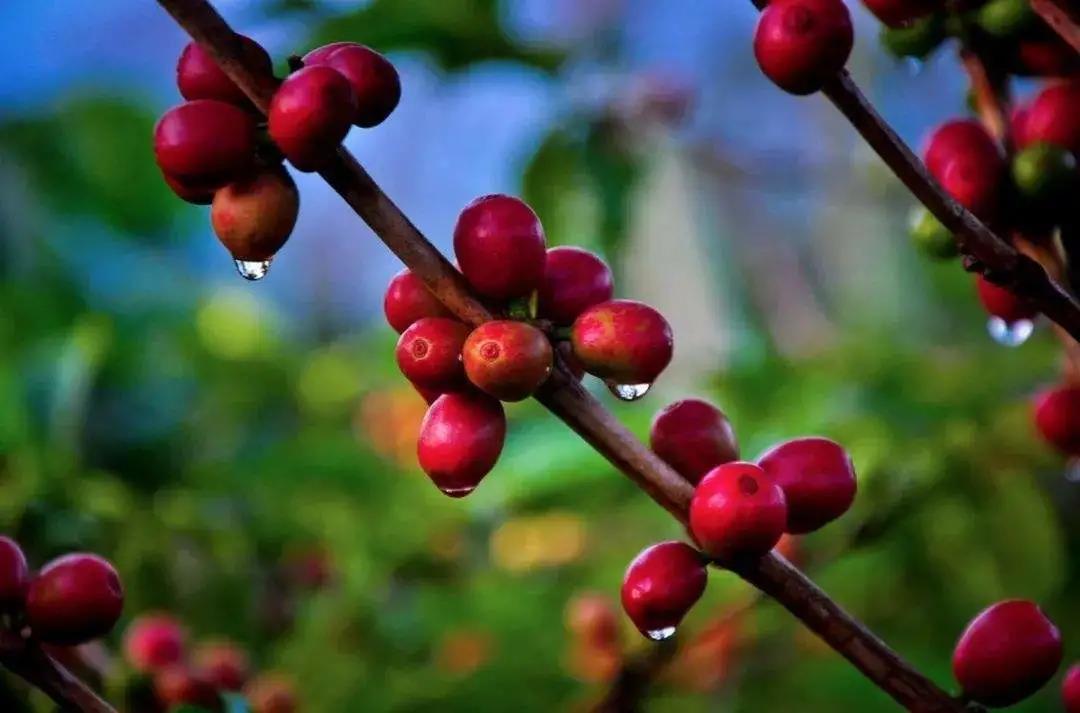
Typica
Typica shows excellent flavor and is recognized as a specialty coffee variety, but yields are extremely low and it's susceptible to rust, requiring more intensive management. Typica coffee originates from southeastern Ethiopia and Sudan and is the most widely cultivated coffee variety in the Western Hemisphere. The plants are relatively robust but not tolerant of strong light. Typica's top leaves are bronze-colored, which earned it the name "bronze-top coffee."
Caturra
Caturra is a natural variant of Bourbon, discovered in Brazil in 1937. Its plant is shorter than Bourbon's and more compact. Because of its Bourbon heritage, it has relatively weak disease resistance but higher yields than Bourbon. Although discovered in Brazil, Caturra isn't suited to growing there, so it was never cultivated on a large scale in Brazil. Instead, it became widely popular across Central and South America, with large-scale cultivation in countries like Colombia, Costa Rica, and Nicaragua.
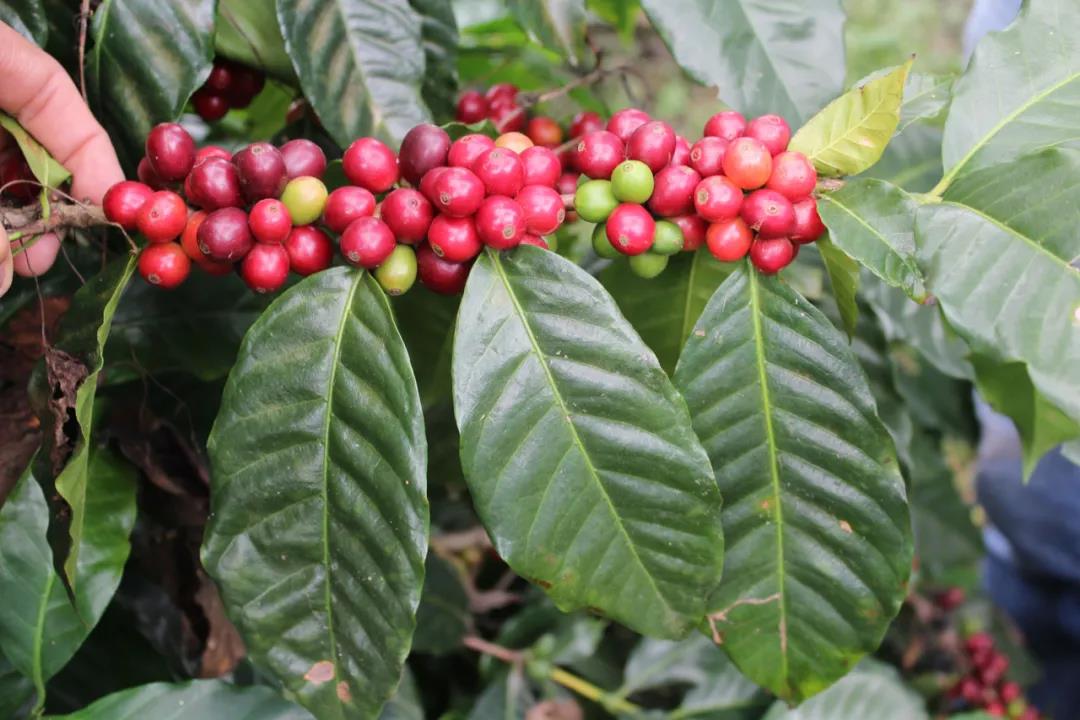
Catuai
Catuai is a variety artificially hybridized from Caturra and Mundo Novo. Catuai inherits Caturra's compact plant structure and doesn't require shade, making it easy to grow and convenient to harvest. It also resists natural disasters better than Mundo Novo. In flavor, it has good acidity. Catuai generally comes in both red and yellow fruit types.
Coffee Processing Methods
Guatemalan coffee beans are primarily processed with the washed method.
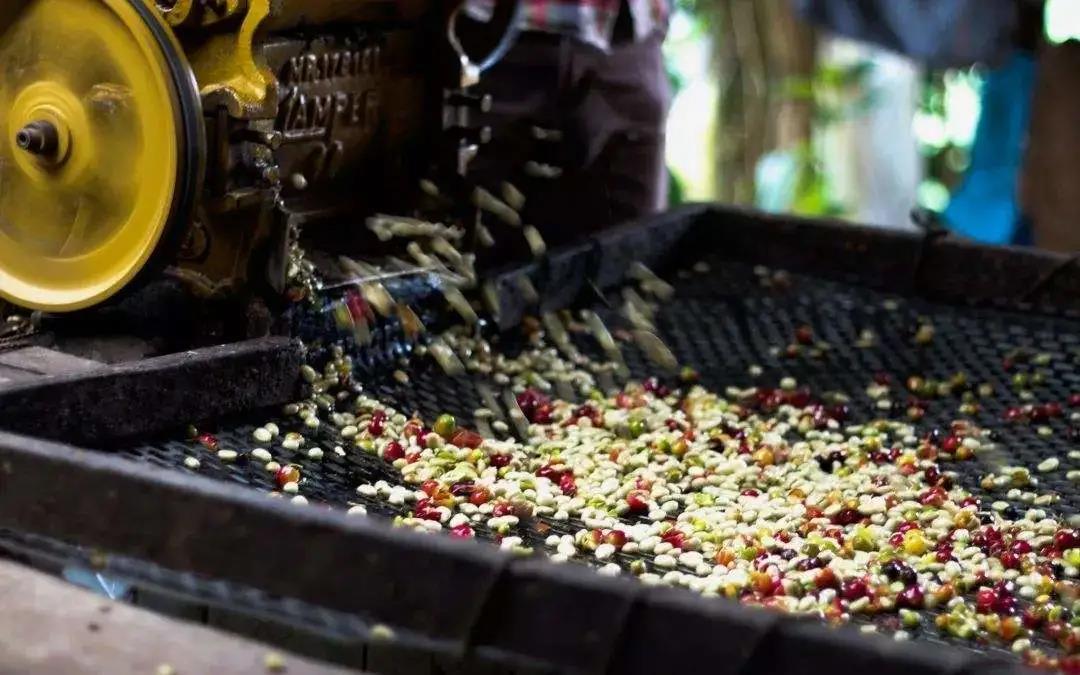
Washed Processing Steps:
1. Screen and remove impurities mixed in with the coffee cherries.
2. Remove the coffee pulp and outer skin.
3. Send to fermentation tanks for 18-36 hours of fermentation to remove the mucilage layer attached to the parchment.
4. Clean thoroughly before drying.
Through cupping and comparing several Guatemalan coffees, FrontStreet Coffee found that the Flor de Antigua from the Antigua region best represents the flavor profile of Guatemala's growing regions.
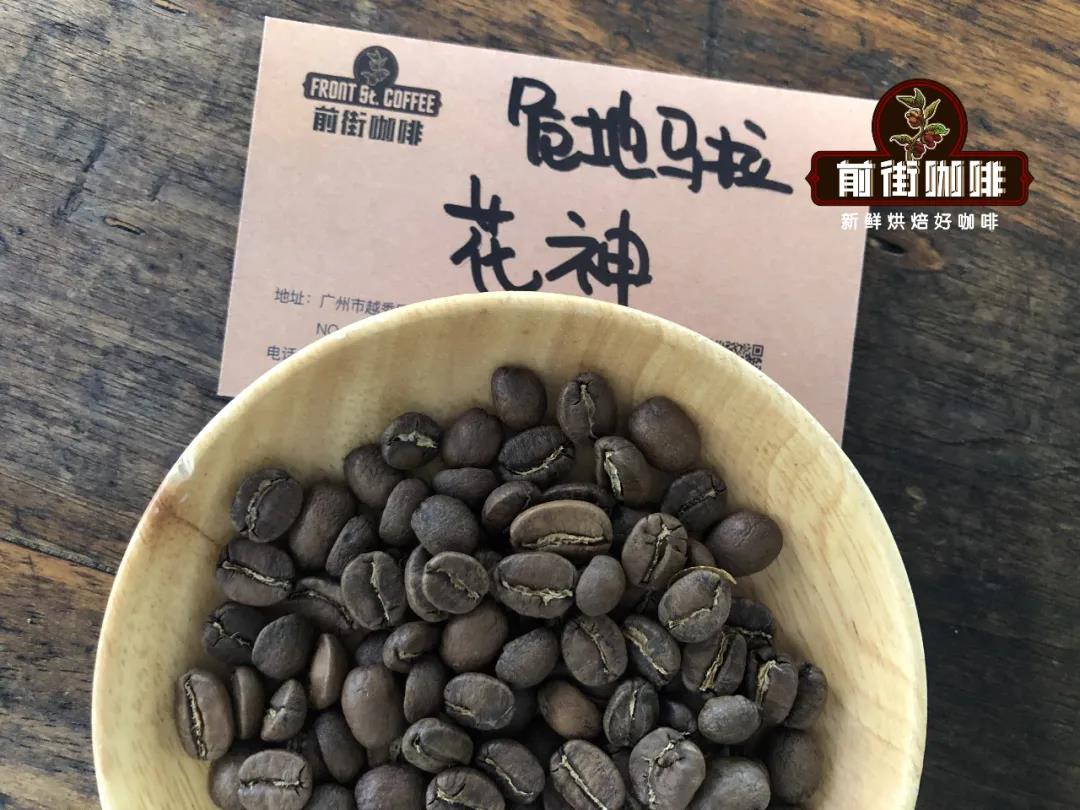
Region: Antigua Region
Altitude: 1200-1600m
Varieties: Bourbon, Caturra
Processing Method: Washed Processing
Grade: SHB
FrontStreet Coffee's Roasting Recommendations
This batch of Flor de Antigua that FrontStreet Coffee sourced consists of Bourbon and Caturra. Bourbon is a natural variant of Typica, ranking alongside Typica as an ancient, high-quality variety. Its beans are slightly smaller and rounder than Typica's. Caturra is a natural variant of Bourbon, with fresh lemon-citrus acidity, though slightly less sweet than Typica and Bourbon. FrontStreet Coffee's roaster decided on a medium-light roast for these beans.
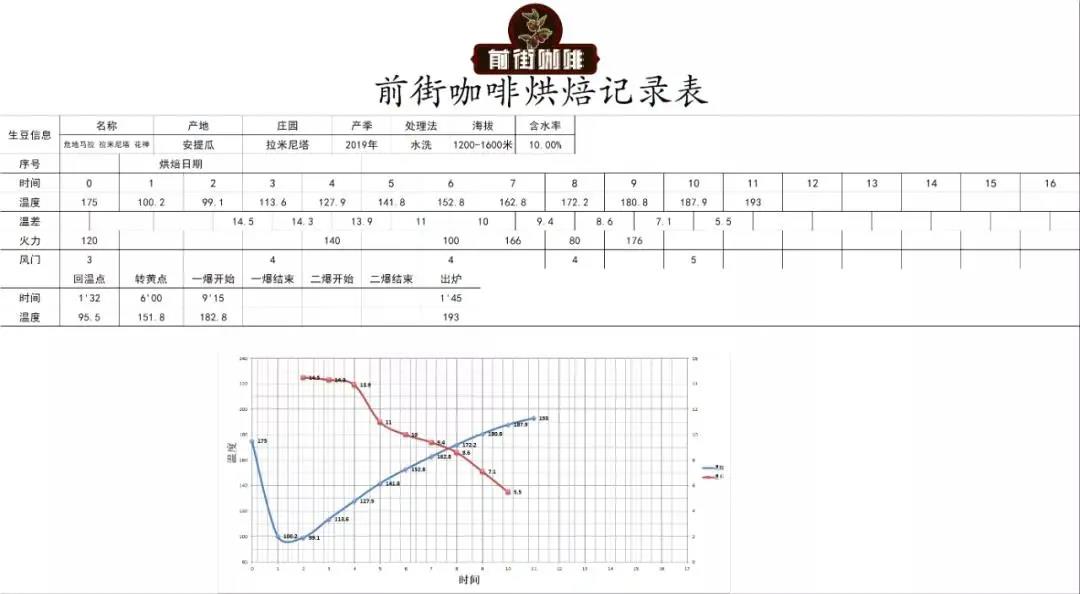
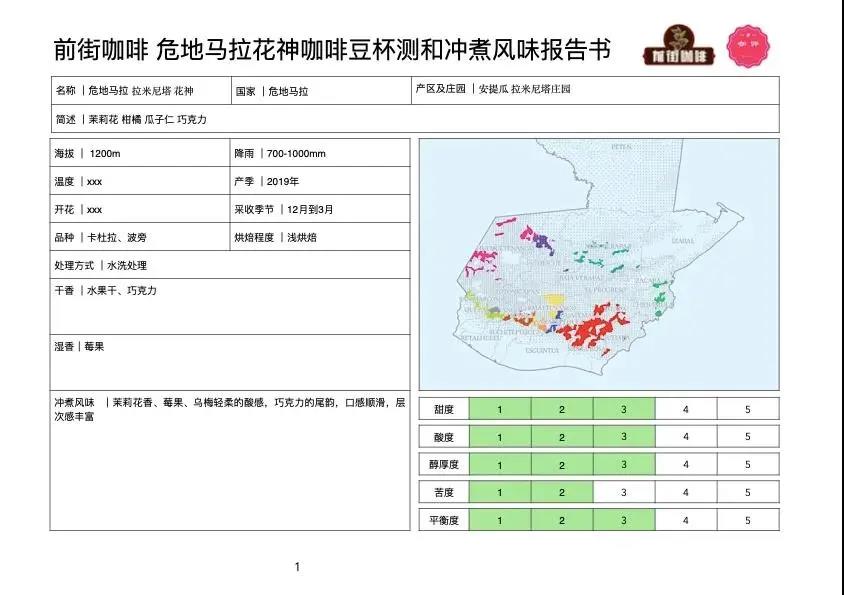
FrontStreet Coffee's Cupping Report
FrontStreet Coffee's Brewing Guide
Dripper: Hario V60
Water Temperature: 90-91°C
Grind Size: Fine sugar size / 20-mesh sieve with 80% pass-through
Coffee-to-Water Ratio: 1:15
Coffee Dose: 15 grams
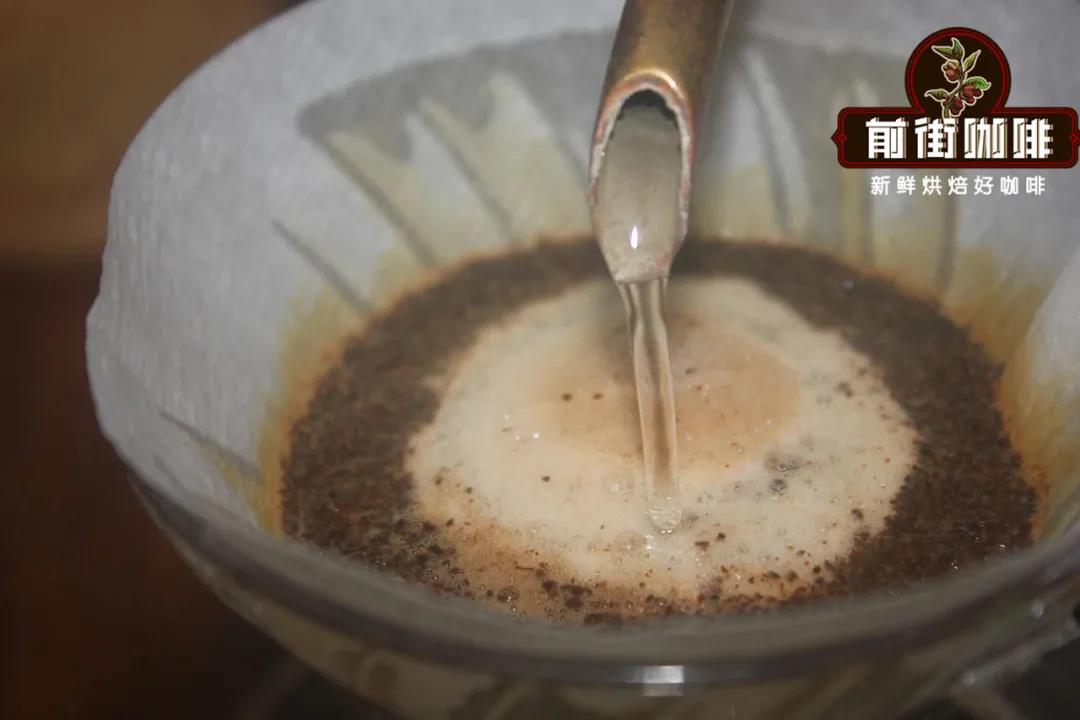
FrontStreet Coffee uses a segmented extraction, a three-stage pour: 30g of water for a 30-second bloom, followed by a small circular pour to 125g, then waiting for the water level to drop before slowly pouring again at an even speed, keeping the water level from rising too high, and stopping at 225g. Total extraction time is 2 minutes and 3 seconds, including the bloom.
Brewing Flavor: Berry acidity, citrus, light chocolate, rich layering, smooth mouthfeel.
For more specialty coffee beans, reach out to FrontStreet Coffee.
FrontStreet Coffee Recommendation
If Guatemala's elegant fruit acidity and clean, layered cup are what you love, FrontStreet Coffee's light-roasted floral and fruity lots are a natural match. The Washed Yirgacheffe Gudingding is an easy entry point—vivid citrus, berry, and floral notes over a green-tea-like sweetness, with acidity that's soft and bright rather than sharp. The Natural Huakui pushes further into tropical territory, with strawberry, passion fruit, jackfruit, and lychee aromas, pronounced sweetness, and very little bitterness.
For something with the same vivid acidity but a more distinctive edge, try FrontStreet Coffee's Kenya Little Tomato from Kenya's Sika region. Grown at 1550-1750 meters on the classic SL28 and SL34 varieties, it uses Kenya's signature 72-hour double washed fermentation and a light roast to preserve the lively acidity and layered fruit. The dry aroma already shows cherry tomato and florals; on the palate you get clean cherry tomato and smoked plum, bright and solid acidity like fresh juice, a sweet mid-palate with snow pear and black plum, and a long, clean finish of brown sugar and green tea.
These floral-fruity coffees reward pour-over, and the same approach works across them: a V60 with 15g of coffee, a 1:15 ratio, and water at 90-91°C, ground to fine-sugar size. Pour 30g for a 30-second bloom, then a slow circular pour to 125g, and once the bed drops to two-thirds, continue to 225g. Total brew time should land around 2:00 to 2:10.
Important Notice :
FrontStreet Coffee is a long-established specialty coffee roaster in Guangzhou China, selling freshly roasted beans from its own farm in Yunnan as well as dozens of carefully selected single-origin beans from around the world for both pour-over and espresso. The products deliver consistently excellent quality and great value, with shipping within 24 hours. Guangzhou's FrontStreet Coffee shop is recommended by many coffee lovers, and the beans are now available online at the Tmall 。
FrontStreet Coffee has moved to a new address:
FrontStreet Coffee Address: 315,Donghua East Road,GuangZhou
Tel:020 38364473
 Scan and follow the En Gafei WeChat official account. Please indicate that the reprint comes from "En Gafei".