Exquisite High-Quality Indonesian Coffee with Floral Notes: Flavor Profile from the Toraja Coffee Region in Sulawesi, Indonesia

Indonesian coffee is prized by connoisseurs for its herbaceous, spicy, and rich low-acid character. But that description does not fit every Indonesian bean. Coffee from Sulawesi Island, unlike coffee from Sumatra, shows brighter acidity and far more clearly defined layers of flavor.
Sulawesi Island
Sulawesi was once known as Celebes. It is one of the oldest islands in the archipelago, with exposed rock formations dating back millions of years. The coffee-growing districts are covered by yellow-red podzolic soils, which often hide several clay-rich horizons beneath the surface and carry a high iron content. The island's best-known producing area is Toraja, in the highlands of South Sulawesi.
Toraja
Toraja is not a place name, a city, or a variety. It is the name of an ethnic group skilled at coffee cultivation who live in the central mountain region of Sulawesi, and it is also the name given to the island's signature beans. The Toraja are a minority people settled in the TANAH TORAJA area of central Sulawesi, and they still keep many of their original customs and traditions alive: boat-shaped houses and hanging coffins. Legend holds that they descend from an invading people who absorbed or wiped out the original inhabitants when they ruled the island, before being pushed out by Muslim Indonesians and withdrawing from the coast to settle in the highlands. Fierce and war-like, they built their villages on easily defended high ground to avoid conflict with neighboring groups.
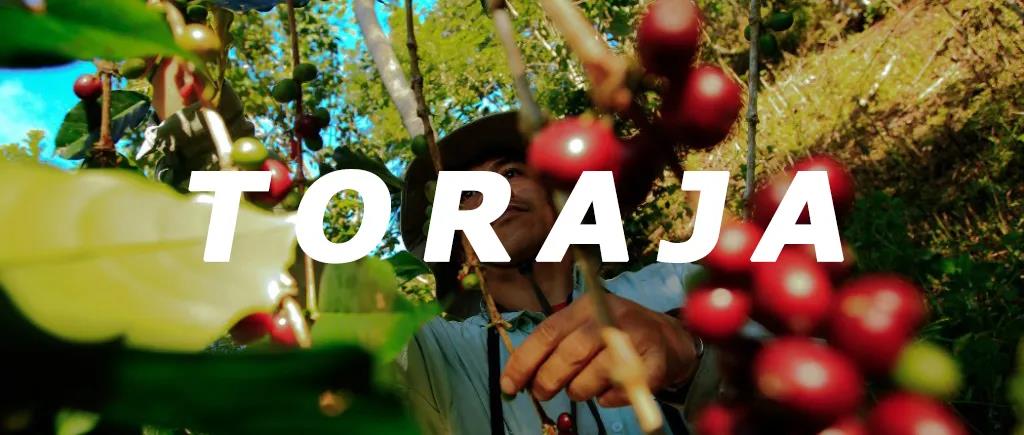
Coffee grown in Toraja is among the rarest specialty beans in the world. Annual production is only about 1,000 metric tons, spread across the rugged slopes of central and southwestern Sulawesi at altitudes of roughly 1,200 m. Planting and harvesting are hard work, and the average yield reaches only 300 kg per hectare. Semi-washed processing is the method most commonly used on Sulawesi. The island also produces a great deal of Robusta, and the Toraja name is the one most often used to represent Sulawesi coffee as a whole. Sulawesi Toraja specialty beans show bright acidity, distinct layers, and rich caramel sweetness, while the herbaceous, spicy, and heavy notes are far more restrained, with a faint floral lift.
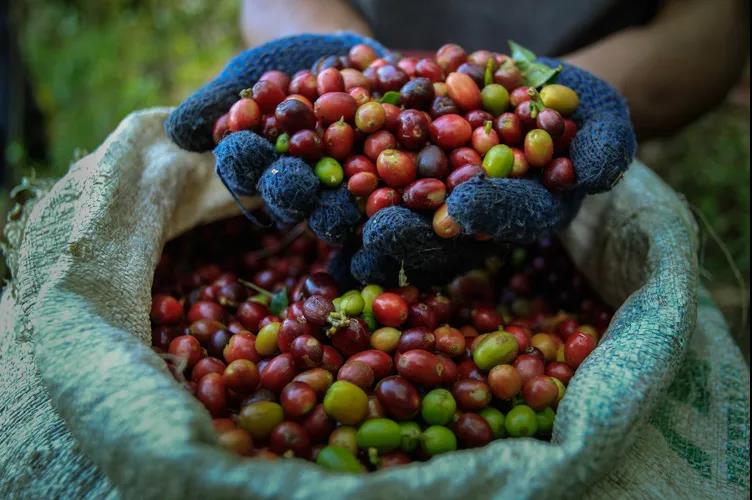
Toraja is home to three famous estates: Pt kapal Api, with 2,000 hectares of coffee gardens; CSR, with 1,100 hectares of coffee fields; and Toarco Jaya, the estate of Japan's Key Coffee company, with 700 hectares of coffee gardens. In other words, Toraja coffee is even more precious than Gold Mandheling.
Semi-Washed Processing
Because transport in the highlands is extremely difficult, most Toraja beans are processed by the farmers themselves. They use hand-cranked depulpers to strip the pulp from the harvested cherries, soak the depulped fruit in water basins, pack it into plastic bags to ferment, and finally dry the beans in parchment.
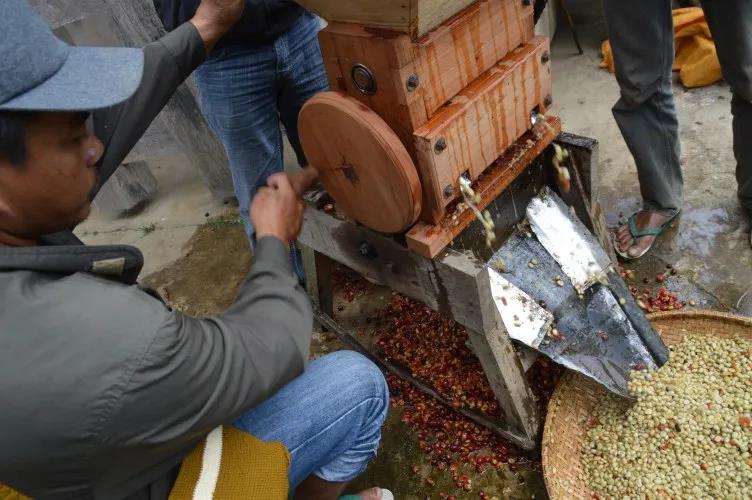
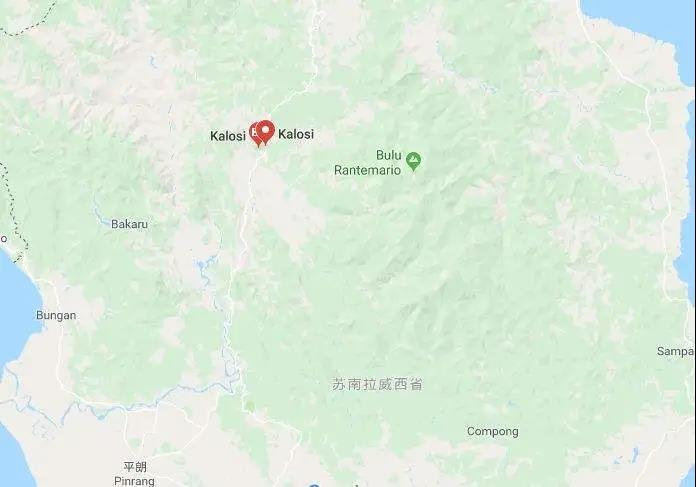
Once dried to a moisture content of 11-13%, the beans are carried down from the growing areas to Kalosi, where they are sold on to intermediaries or to processing plants for further refining. This is why Kalosi has become an important coffee distribution center, and why Toraja coffee is sometimes called Kalosi coffee.
FrontStreet Coffee Roasting Recommendations
Beyond the visibly dark green color of Toraja raw beans, the cup shows low acidity, a thick body, and gentle, lingering fruit notes that set Sulawesi Toraja apart from Sumatra Mandheling.
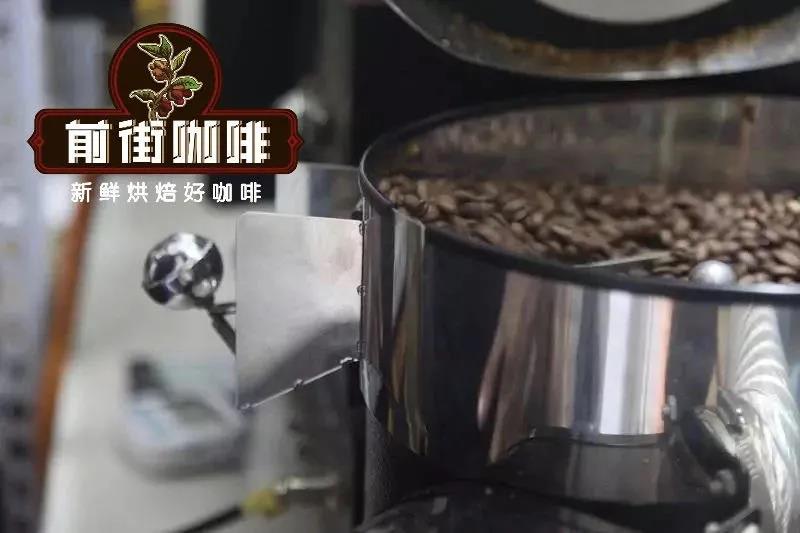
Within that gentle acidity there is the charm of ripe grapes, a clean yet solid mouthfeel, and an overwhelming caramel sweetness that lingers on the palate. FrontStreet Coffee's barista recommends a medium roast for Sulawesi beans.
FrontStreet Coffee Brewing Recommendations
Filter: V60#01
Water temperature: 90-91°C
Coffee dose: 15g
Coffee-to-water ratio: 1:15
Grind size: medium-fine (80% pass-through on a Chinese standard #20 sieve)

FrontStreet Coffee's three-stage extraction: pour 30g of water for a 30-second bloom, then keep pouring in a small circular motion up to 125g (about 1'00" on the timer); when the water level drops and is about to expose the coffee bed, pour on to 225g and stop (about 1'50" on the timer); when the water level drops and is about to expose the bed again, remove the dripper. Total extraction time is 2'00"-2'10", timed from the start of the bloom.
FrontStreet Coffee Recommendation
If this brighter, layered style of Indonesian coffee appeals to you, FrontStreet Coffee's Sumatran range is the natural next step. The FrontStreet PWN Golden Mandheling is wet-hulled and triple hand-sorted to G1, then roasted medium-dark, delivering sandalwood, herbal, spice, roasted hazelnut, caramel, and dark chocolate notes over a clean, full body with a long finish. For an everyday cup with the same low-acid depth, the FrontStreet Lintong Mandheling layers caramel, dark chocolate, and toasted bread on a thick, mellow mouthfeel. Together they show the earthy, spice-laced side of Indonesia that Sulawesi Toraja refines into something gentler and more floral.
Important Notice :
FrontStreet Coffee is a long-established specialty coffee roaster in Guangzhou China, selling freshly roasted beans from its own farm in Yunnan as well as dozens of carefully selected single-origin beans from around the world for both pour-over and espresso. The products deliver consistently excellent quality and great value, with shipping within 24 hours. Guangzhou's FrontStreet Coffee shop is recommended by many coffee lovers, and the beans are now available online at the Tmall 。
FrontStreet Coffee has moved to a new address:
FrontStreet Coffee Address: 315,Donghua East Road,GuangZhou
Tel:020 38364473
 Scan and follow the En Gafei WeChat official account. Please indicate that the reprint comes from "En Gafei".