Coffee Growing Characteristics and History of Guatemala's San Marcos Region, Guatemala Coffee Flavor Profile Description
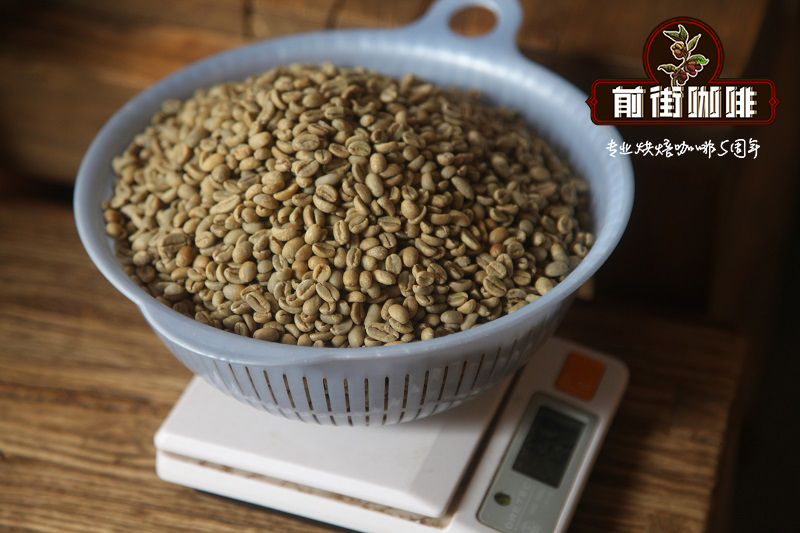
Guatemala is renowned for producing high-quality coffee. It is one of the most climatically diverse regions in the world, and its rich volcanic soil is exceptionally well suited to coffee cultivation.
Guatemala has eight coffee-producing regions, and San Marcos is the oldest of them, known for abundant rainfall and a warm climate. Let us look at this region, its coffee profile and the processing methods commonly used there.
Microclimate Zone
Sitting in the western highlands of the country, San Marcos is known in Guatemala as "the place where volcanoes awaken." It is home to Tajumulco, the highest volcano in Central America, as well as several others.
The hilly terrain and moisture from the Pacific Ocean create pleasant microclimates. With Guatemala's two highest volcanoes, Tajumulco and Tacana, along the southern Pacific coast and the Sierra Madre de Chiapas range, San Marcos stands out among regions for the variety of its climate conditions.
The rainy season here begins in mid-April and continues into mid-November, which means coffee plants in San Marcos flower earlier than in other regions. Humidity ranges between 70-80%, with elevations spanning 4,600-6,000 feet, and coffee is cultivated between 1,300 and 1,800 meters.
Unique Acidity of San Marcos Coffee
Coffee from this region shows pronounced acidity and a pleasant body with delicate floral notes. Compared with coffees from Huehuetenango and Antigua, those from San Marcos are often overlooked. Thanks to the region's high altitude, abundant rainfall and the rich minerals built up in the soil over centuries of volcanic ash, however, San Marcos coffee is celebrated for its distinctive acidity.
San Marcos coffees display refined floral aromatics in both fragrance and flavor, a trait attributed to the Pacific Ocean's influence and the region's unique microclimate.
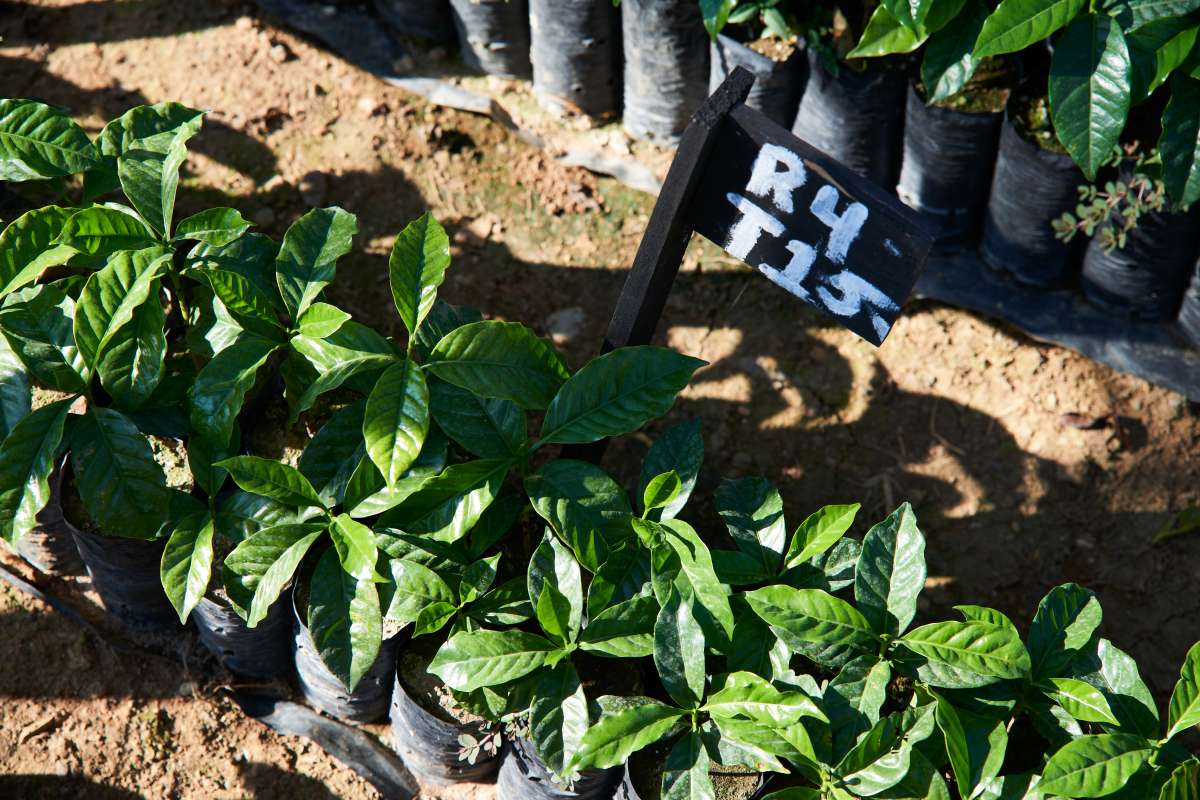
The varieties cultivated here include Bourbon, Caturra and Catuai as specialty beans, while commercial varieties such as Robusta, Villa Sarchi and Icatu are also grown.
Coffee Production and Processing in San Marcos
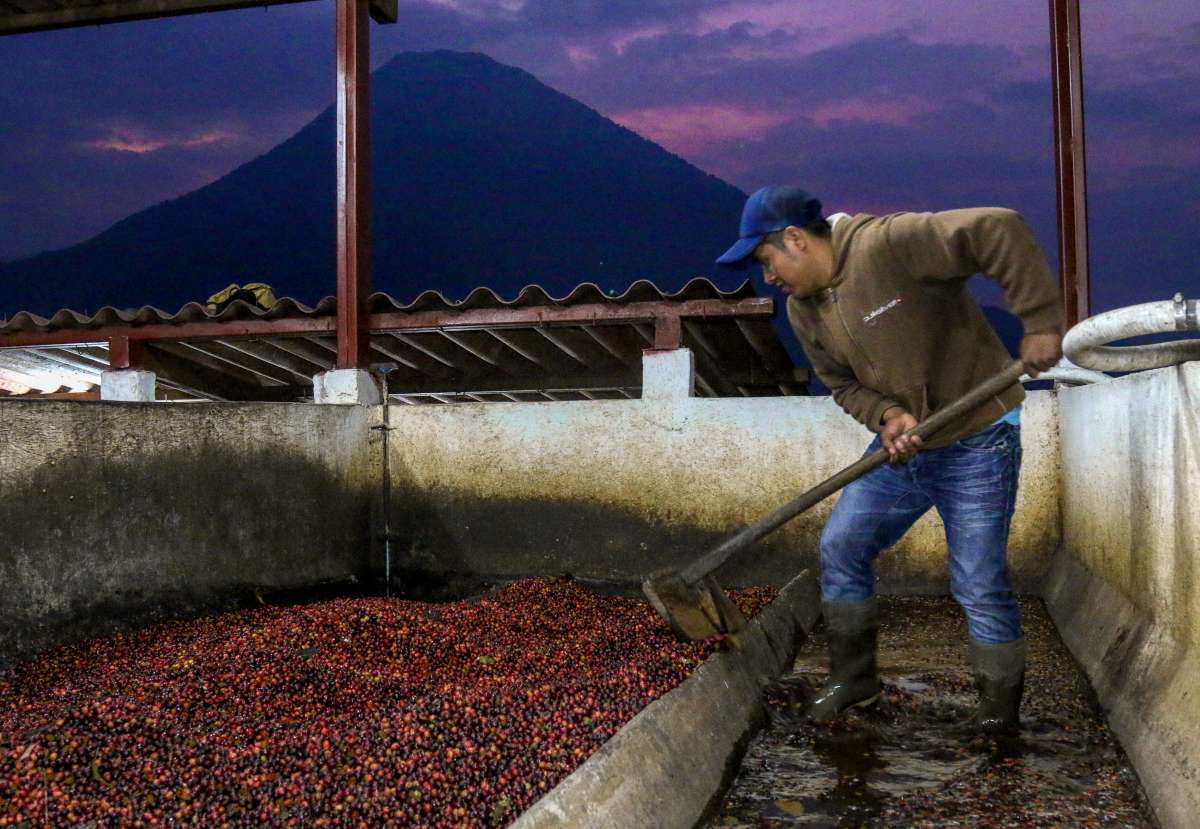
As in most of Guatemala, coffee farms in San Marcos are small, and hand-picked coffee is the standard. According to Anacafe's Green Book, 98% of Guatemala's coffee is shade-grown, and most coffee from this region is washed Arabica.
The washed method highlights the coffee's acidity. Shade cultivation lets the beans mature more slowly, developing sweeter, more complex flavors, and it also supports a more diverse ecosystem.
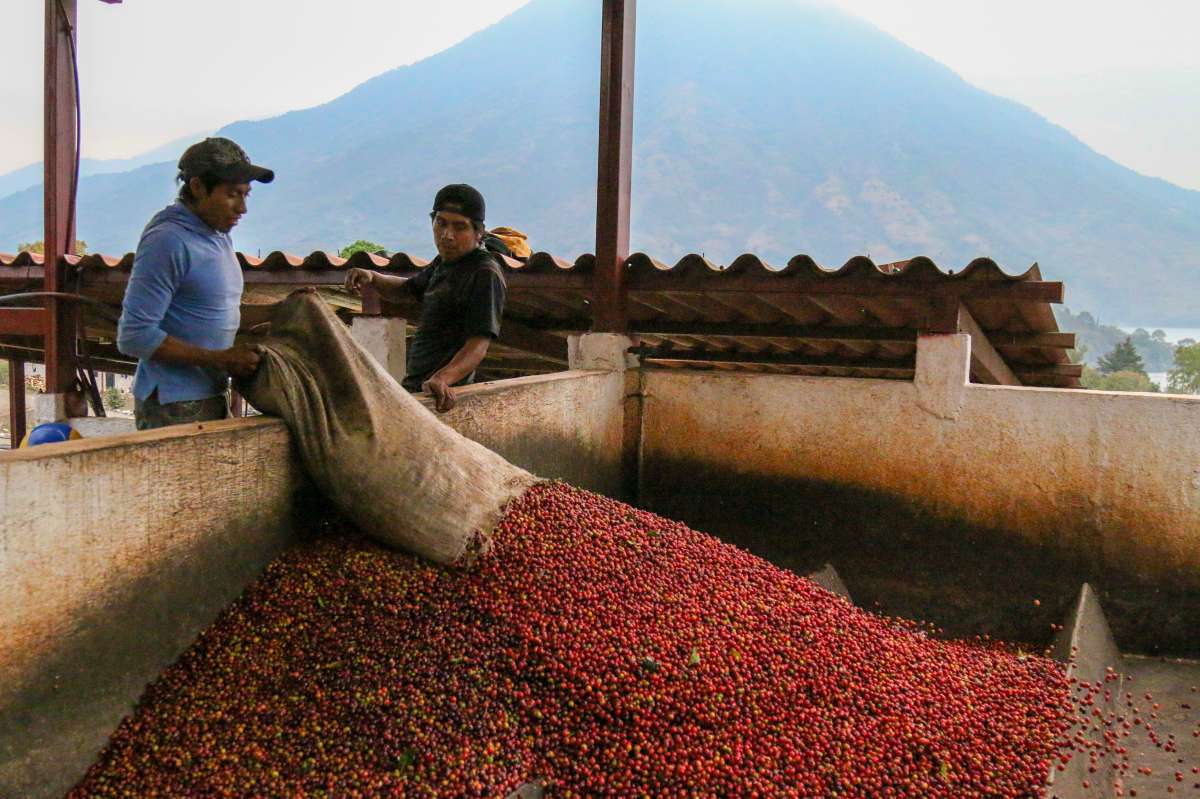
Most of the producers we work with focus on shade-grown, fully washed coffee. The coffee we source from two major producers in the region emphasizes the use of local spring water for depulping, followed by drying on patios or in low-heat mechanical dryers, depending on how long the rainy season runs.
Rainfall during harvest is unpredictable, so it is normal for producers here to finish drying their coffee in mechanical dryers.
Guatemala also produces small quantities of other processing types. While natural and honey processed coffees are not as popular in Guatemala as in other Central American countries such as Costa Rica, those methods do create distinctive cup profiles with pineapple and blueberry notes. FrontStreet Coffee expects these processing types to gain popularity in the future.
FrontStreet Coffee Recommendation
San Marcos's calling card is its refined floral aromatics, so if that delicate quality is what you enjoy, the FrontStreet Gudingding Cooperative is a natural next step. This washed Yirgacheffe is known for white flowers and bright citrus acidity, finishing with the soft sweetness of honey and a green-tea aftertaste.
If you would rather follow the floral thread toward more fruit, the FrontStreet sun-dried Huakui adds creamy strawberry, orange blossom and tropical notes of guava and mango, giving the same floral elegance a juicier, layered body.
And for a floral, fruit-forward cup with a honeyed lift, the FrontStreet Strawberry Candy blends Costa Rican honey-processed coffee with washed Panama Geisha, so you get delicate rose-like aromatics, orange, ripe blueberry and a hint of almond, and it works as a pour-over, a cold brew or a Moka pot coffee.
Important Notice :
FrontStreet Coffee is a long-established specialty coffee roaster in Guangzhou China, selling freshly roasted beans from its own farm in Yunnan as well as dozens of carefully selected single-origin beans from around the world for both pour-over and espresso. The products deliver consistently excellent quality and great value, with shipping within 24 hours. Guangzhou's FrontStreet Coffee shop is recommended by many coffee lovers, and the beans are now available online at the Tmall 。
FrontStreet Coffee has moved to a new address:
FrontStreet Coffee Address: 315,Donghua East Road,GuangZhou
Tel:020 38364473
 Scan and follow the En Gafei WeChat official account. Please indicate that the reprint comes from "En Gafei".