What is the Quality of AnaSora Farm Coffee in Ethiopia's Guji Region - Characteristics of Premium Natural Processing
The wild berry and cream flavors of Sidamo coffee beans continue to win over enthusiasts, and the Guji region of Sidamo is especially known for producing high-quality specialty coffee. In recent years, whether at Ethiopian national or African continental competitions, Guji has consistently appeared on the winners' list. Hambella Flower Queen and Uraga washed coffee, both on FrontStreet Coffee's bean list, are examples: Flower Queen won the 2017 TOH Ethiopia natural category championship, while the 2020 TOH washed category champion came from Guji's Uraga region. This clearly proves the outstanding quality of coffee from Guji.
Guji coffee boasts rich floral and fruit aromas and has recently drawn enthusiastic attention from coffee lovers worldwide. As early as 2010, the Ethiopia Commodity Exchange (ECX) established Guji as an independent region, separate from Sidamo. The Ethiopian government has shown strong interest in developing regions with distinct flavors, with Yirgacheffe as a prime example. Today, Guji has become a key focus for Ethiopia, with more and more Guji coffees making a name for themselves internationally.
Recently, a coffee with rich white peach oolong flavors has become wildly popular, appearing in virtually every specialty coffee shop and earning a reputation comparable to Flower Queen. FrontStreet Coffee's bean list now carries this fruit-forward coffee that so many people love. Those curious about new things tend to pursue novel flavors, and when they hear that this white peach oolong coffee comes from Ethiopia's Guji region, many are surprised—after all, flavors this prominent usually come from South America.
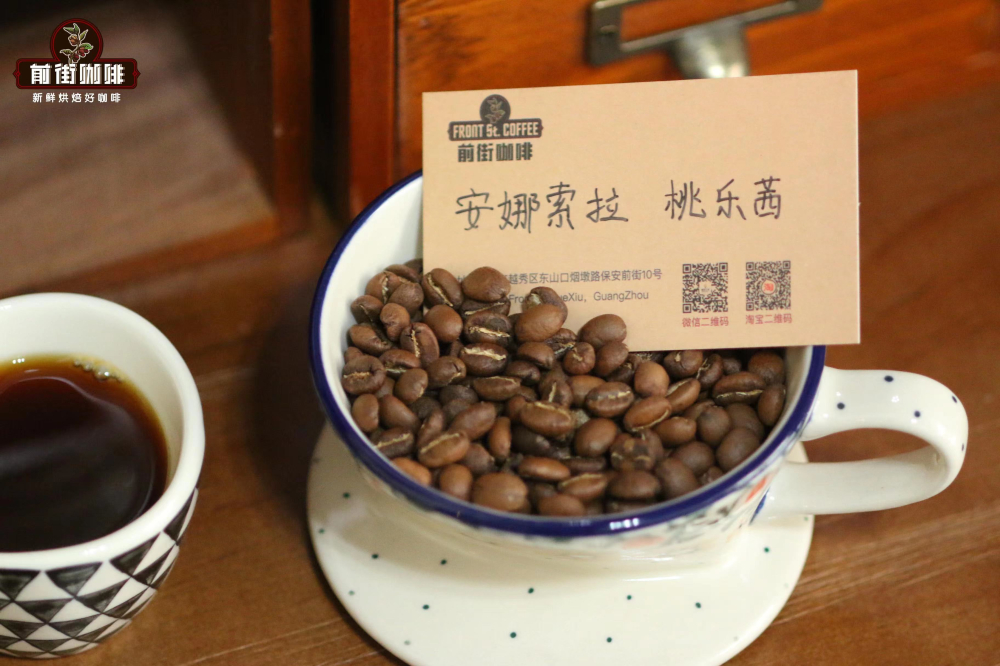
FrontStreet Coffee Ethiopia White Peach Oolong Dorothy Coffee Bean
- Region: Guji
- Estate: Ana Sora
- Altitude: 1900-2350 meters
- Variety: Local heirloom varieties
- Processing: Enzyme-washed
- Grade: G1
- Harvest: 2021
Dorothy beans are produced at Ana Sora Estate, near Buku village, where Flower Queen coffee is made, and close to Yirgacheffe town. Ana Sora Coffee Estate was established in 2010, covering 250 hectares, with 150 hectares dedicated to coffee. Unlike many of Ethiopia's coffee cooperatives, Ana Sora is privately owned and is now managed by second-generation operator Israel Degfa, who learned about coffee production from a young age—from his father's cooperative experience and his mother's work selling raw beans at the station.
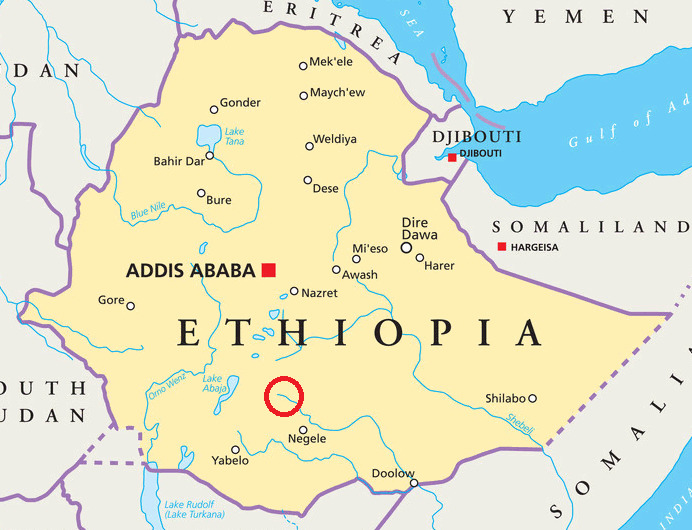
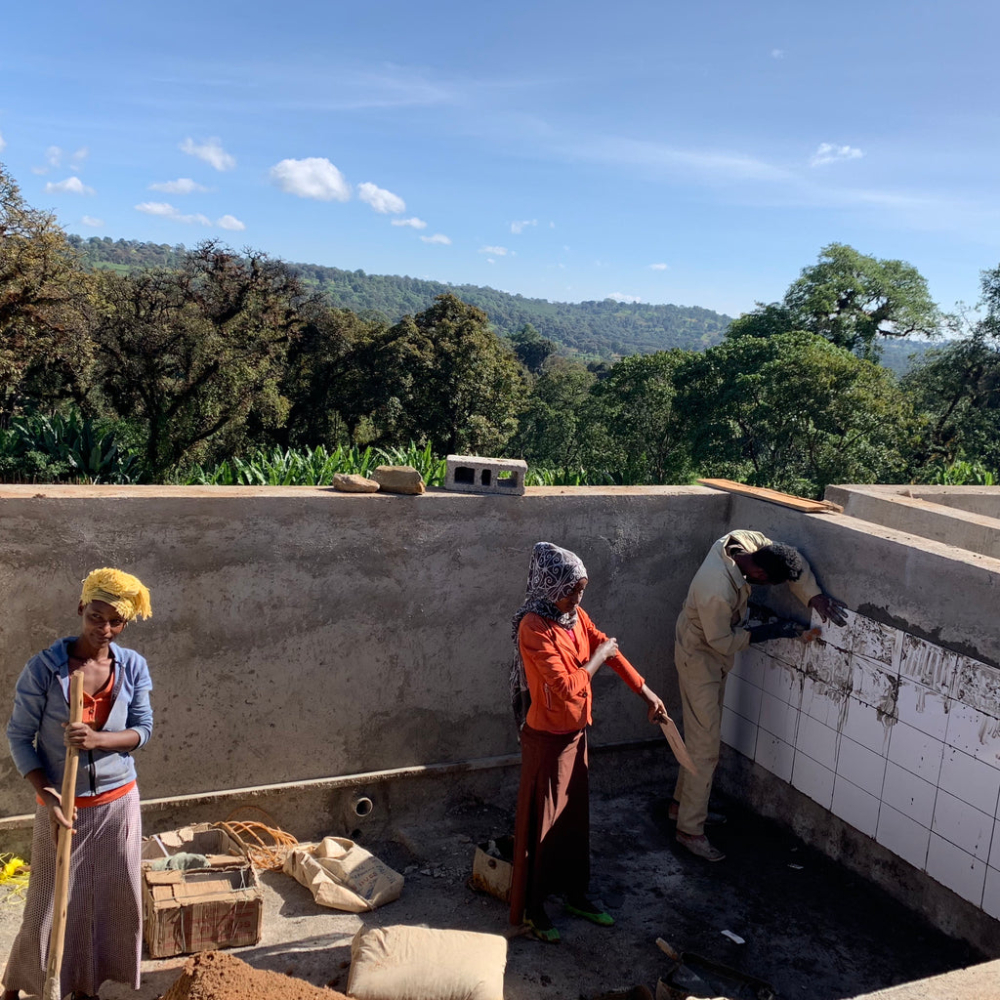
This young plantation produced only sun-dried coffee until 2018, when a washing station was built. Because the estate lies close to the Turo River, it was able to use that advantage to establish a raw-bean washing facility, with the water for washing also drawn from the river. As a result, Ana Sora's beans are among the few estate-style washed coffees in Ethiopia that are produced and sold directly by the estate itself.
Because the estate sits in high-altitude mountains between 1900 and 2350 meters, where vehicle access is difficult, the coffee is surrounded by crops such as acacia trees, Cordia africana, leguminous trees, and false banana trees, which provide shade or nutrients to the nearby coffee trees—helping to create Ana Sora's sweet, tangy cup.
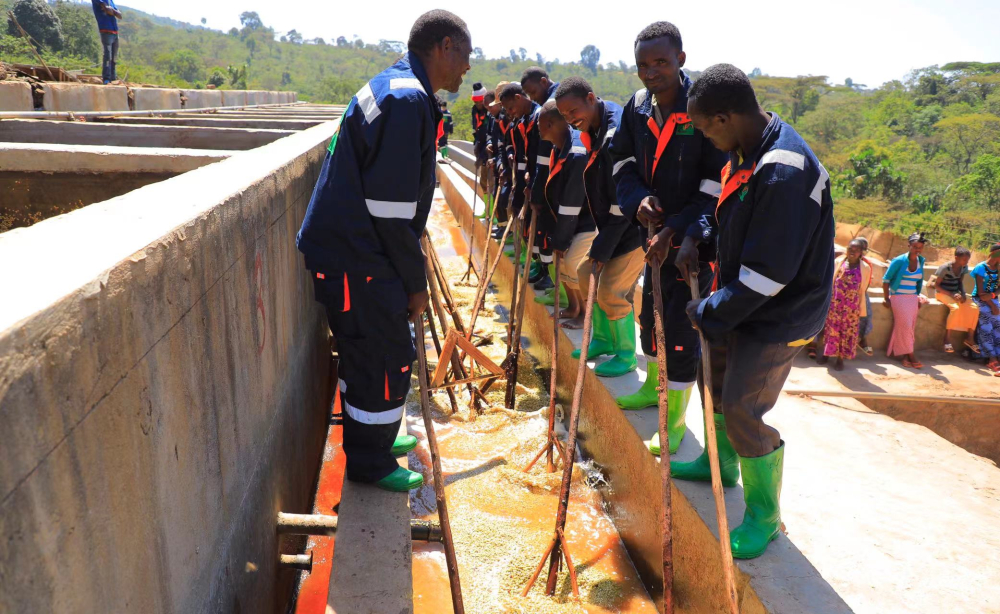
This tea-like coffee uses enzyme washing. After farmers pick ripe red cherries, they pass them through a pulper to remove the skin. The parchment beans, with mucilage and some pulp intact, are then placed in a sealed container with enzymes for 24 hours of fermentation. The fermented parchment is then soaked in water pools for 48 hours, stirred, and washed to remove the sticky mucilage layer. After thorough cleaning, the beans are spread evenly on drying beds for sun-drying.
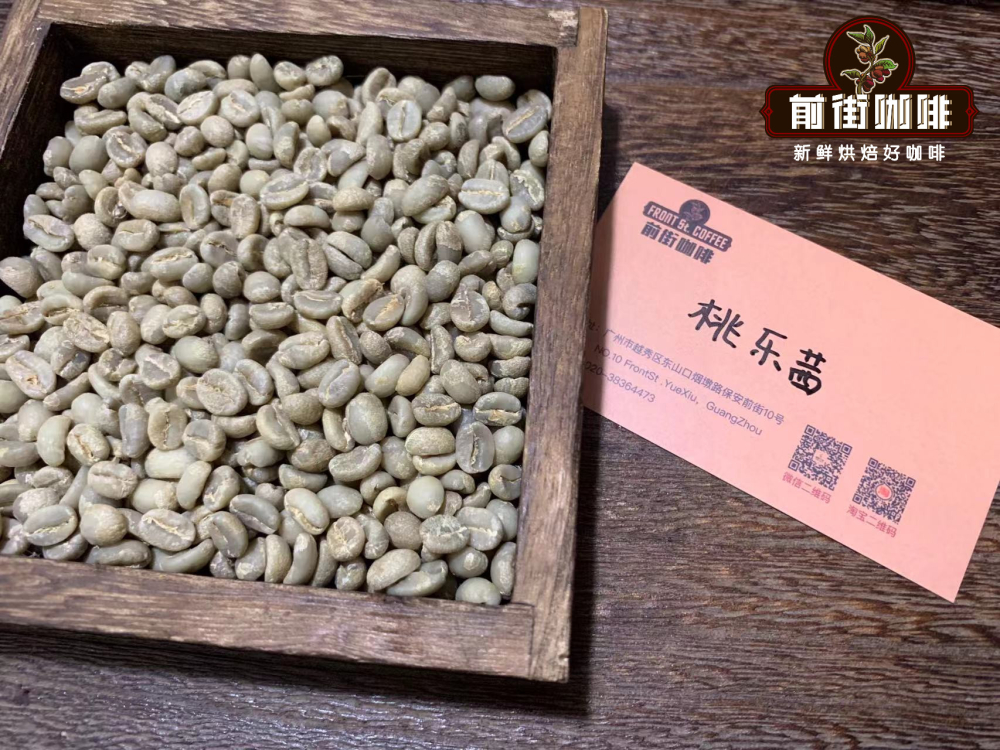
When FrontStreet Coffee's roaster received the raw beans, they observed that Dorothy beans vary in particle size and show a light green color. Instrument testing put the moisture content at 10.2 percent. During roasting, given the uneven particle size typical of local heirloom varieties, the roaster slowed the roasting rhythm. To preserve more acidity, a bright mouthfeel, and rich aroma, a medium-light roast level was chosen.
After FrontStreet Coffee's barista received the roasted Dorothy beans, cupping revealed subtle floral notes, a rich and prominent peach aroma, citrus-like acidity, and a lingering sweet aftertaste reminiscent of oolong tea. The overall impression is remarkably close to drinking white peach oolong tea.
Brewing Recommendations
Because this bean is lightly roasted, its solubles dissolve more slowly when the grounds meet water, so the following approach works best:
- Finer grind size: FrontStreet Coffee uses an EK43s grinder, and after grinding achieves an 80 percent pass rate on a Chinese standard #20 sieve. A finer grind increases the surface area of the grounds in contact with hot water, speeding up extraction.
- Higher water temperature: When brewing medium and medium-light roasted beans, FrontStreet Coffee uses water between 90-93°C. With other parameters held constant, raising the water temperature increases both the amount and the rate of extraction.
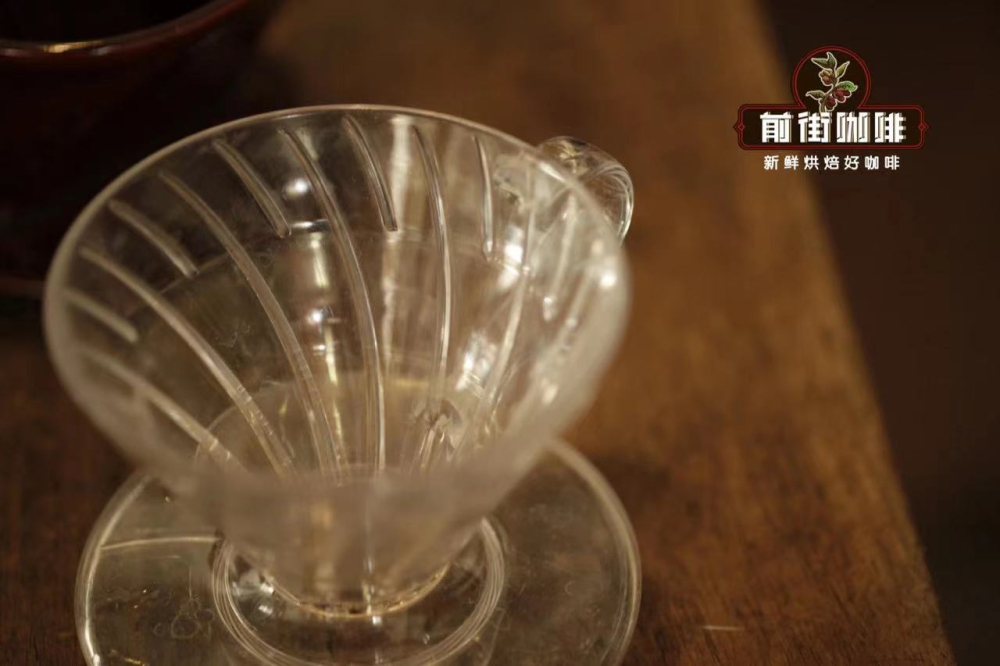
- Faster-flowing dripper: For pour-over, FrontStreet Coffee uses only KONO and Hario V60 drippers, choosing the V60 for medium-light and medium roasts. With a higher temperature and finer grind, it extracts as thoroughly as possible. The V60's 12 long and 12 short ribs lift the filter paper and guide the flow, minimizing the risk of over-extraction from the heat and fine grind.
Brewing Parameters
- Dripper: Hario V60
- Water Temperature: 91°C
- Coffee Dose: 15 grams
- Ratio: 1:15
- Grind Size: Chinese standard #20 sieve, 80 percent pass rate
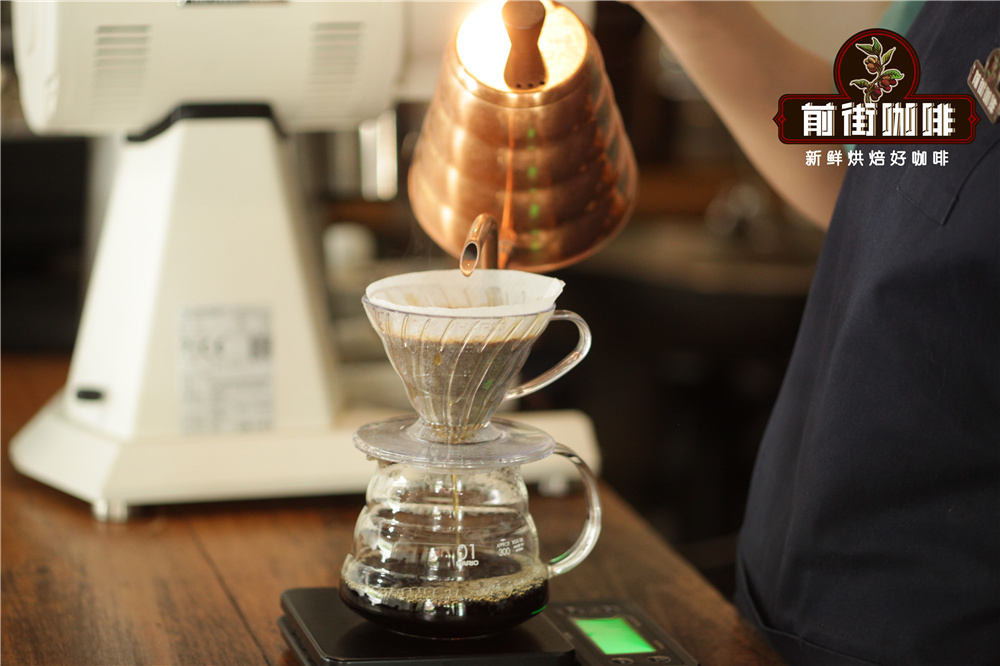
Pour 15 grams of grounds into the dripper and level them. Starting from the center, pour 30 grams of hot water in a circular motion for a 30-second bloom. After blooming, continue with a small stream from the center, slowly circling to 125 grams for the second stage. When the water level in the dripper drops to just above the coffee bed, continue circular pouring to 225 grams. Total extraction time is about 2 minutes.
For more coffee-bean information, follow Coffee Workshop (WeChat public account: cafe_style).
For professional coffee knowledge exchange, add WeChat ID: kaixinguoguo0925.
FrontStreet Coffee Recommendation
If the white peach oolong character of Ana Sora's washed Guji appeals to you, FrontStreet Coffee's Yirgacheffe and Guji coffees share that same floral-citrus elegance. FrontStreet Washed Yirgacheffe is the classic everyday cup, known for white jasmine, bright citrus and lemon acidity, and a tea-like body, making it a fine introduction to the region.
To move into small-lot territory, FrontStreet Gedeb comes from the cooperative in the Woka area at the southeastern edge of Yirgacheffe, with traditional washed processing that yields citrus and lemon tones and elegant white florals. If you prefer natural-process sweetness, FrontStreet Red Cherry is a fully ripe natural lot with tropical fruit aroma, berry-juice body, honeyed sweetness, and a creamy smoothness.
Important Notice :
FrontStreet Coffee is a long-established specialty coffee roaster in Guangzhou China, selling freshly roasted beans from its own farm in Yunnan as well as dozens of carefully selected single-origin beans from around the world for both pour-over and espresso. The products deliver consistently excellent quality and great value, with shipping within 24 hours. Guangzhou's FrontStreet Coffee shop is recommended by many coffee lovers, and the beans are now available online at the Tmall 。
FrontStreet Coffee has moved to a new address:
FrontStreet Coffee Address: 315,Donghua East Road,GuangZhou
Tel:020 38364473
 Scan and follow the En Gafei WeChat official account. Please indicate that the reprint comes from "En Gafei".