Honduras Coffee Bean Varieties Characteristics and Stories Honduras Coffee Industry Development Growing Regions

When FrontStreet Coffee first introduced its Honduras Sherry Barrel coffee beans, plenty of customers came to them out of sheer curiosity. After tasting, they would all exclaim: "Wow, it really does taste of wine!"
Honduras is a mountainous country in Central America, bordered by Guatemala, El Salvador and Nicaragua and set between the Pacific Ocean and the Caribbean Sea. It was originally home to indigenous peoples; during the Age of Exploration, Columbus landed here and named it Honduras, a word that originally meant "depths" or "abyss."

Honduras is the most mountainous country in Central America, with more than three-quarters of its territory made up of mountains and plateaus. Ranges run from west to east, with volcanic plateaus inland, many intermontane valleys and coastal plains. The country sits inside the coffee belt, with an average annual temperature of 23°C and abundant rainfall of between 1300 and 2300 millimetres a year.
Cultivation History
Coffee is a central part of Honduras' economy and history. According to FrontStreet Coffee, Honduran coffee production has ranked first in Central America since 2011, displacing the long-standing dominance of its neighbour Guatemala. Coffee growing here began only at the end of the 19th century, with a handful of small plantations. Although Honduras' soil and climate resembled those of neighbouring producers such as Guatemala, Nicaragua and Costa Rica, the lack of transport links between growing areas and ports held the industry back.
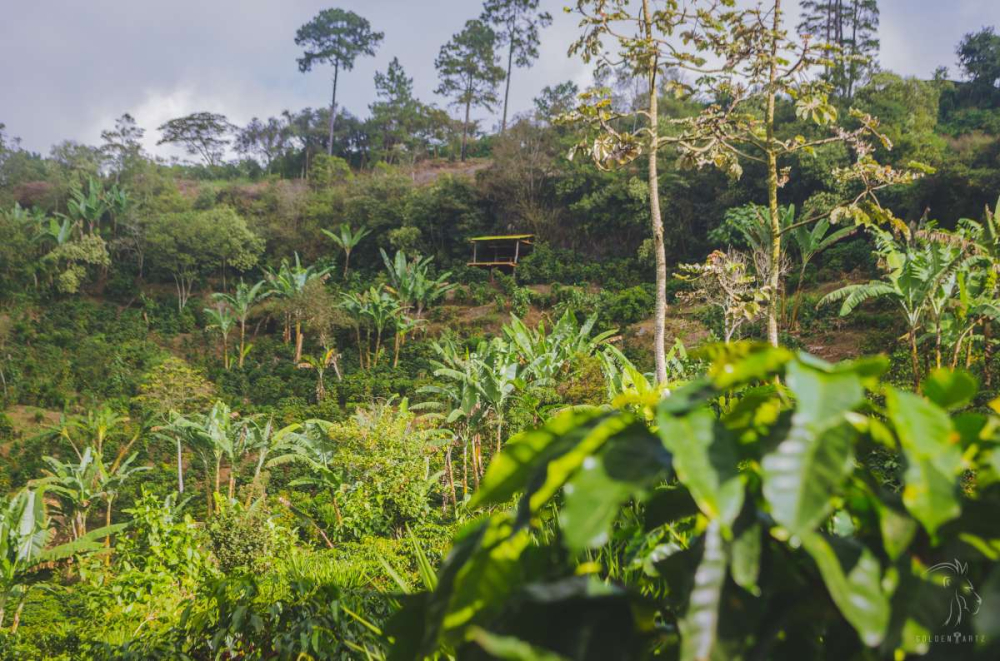
For many years Honduras was best known for bananas. By 1929 fruit made up more than 80% of the country's total exports, and banana growing enjoyed preferential treatment in taxes, land and transport. Even so, production declined. It was not until the 1960s that coffee cultivation began to gather momentum. With support from the United States and Honduran governments, rising international demand and population growth, growers received help on several fronts and the industry developed further. In the 1970s the Honduran government created the Honduran Coffee Institute (IHCAFE) to develop local production, promote better techniques and offer loans to farmers. In the 1980s and 1990s, national legislation was passed to encourage and guarantee production. That combined support turned Honduras from a country that supplied only its own market into an origin whose flavours now reach drinkers around the world.
Cultivation Regions
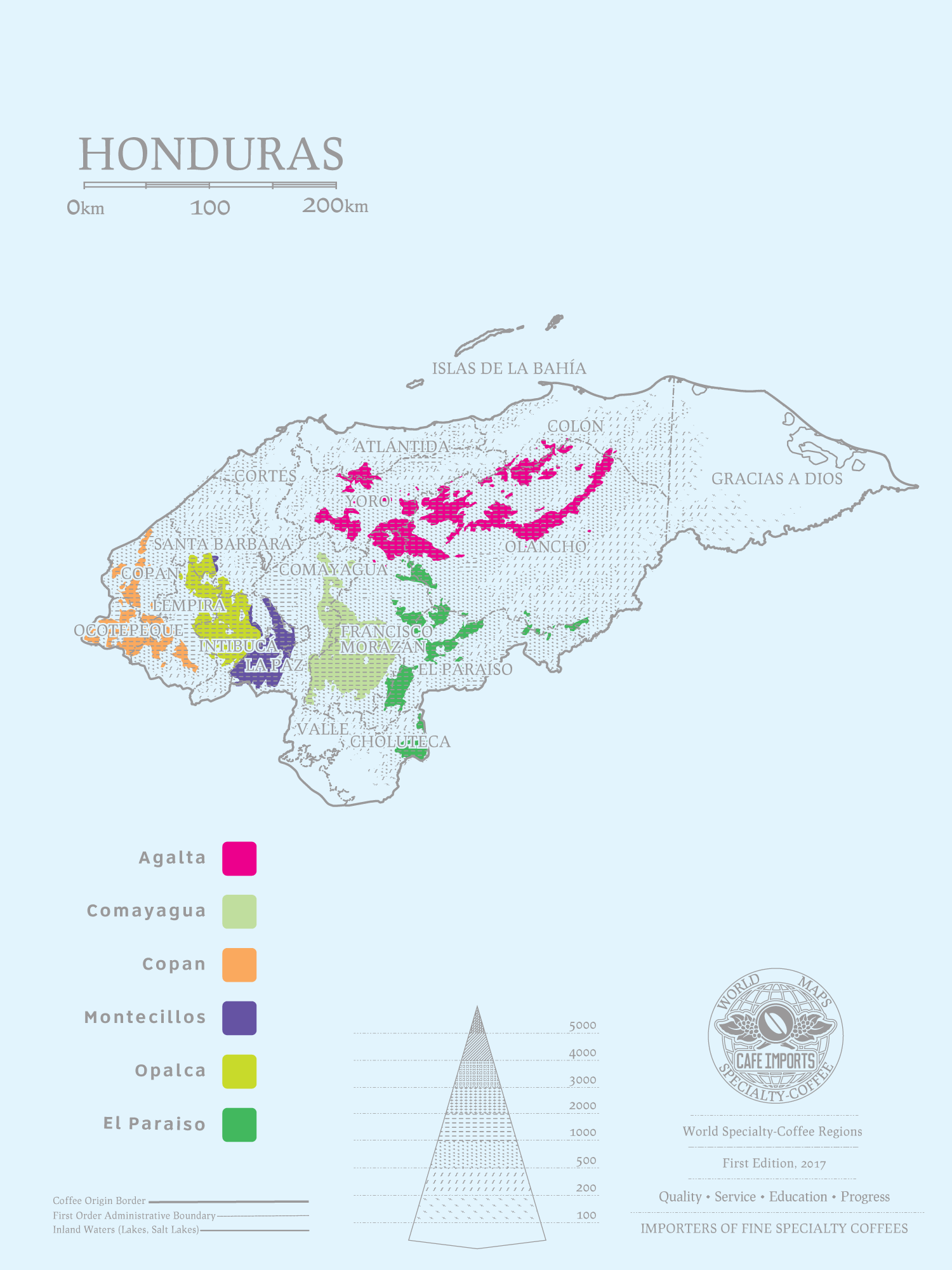
Honduras has six coffee cultivation regions, mainly in the west and south: Copán, Opalaca, Montecillos, Comayagua, Agalta and El Paraíso.
Copán
The Copán region is Honduras' most famous coffee area, in the west of the country on the Guatemalan border. It sits at 1000-1500m, with wide temperature and humidity swings and minimum temperatures down to 11.5°C, making it the coldest region in the country. Common varieties here are Bourbon, Caturra and Catuai.
Coffee from Copán shows strong chocolate flavours, combined with honey and caramel sweetness and citrus notes. The texture is both robust and delicate, with a long, balanced aftertaste.
Opalaca
The Opalaca region lies east of Copán, with cultivation between 1100-1500m. Common varieties include Bourbon, Catuai and Typica.
FrontStreet Coffee finds the flavour from this region quite striking and somewhat African in style: tropical fruit, grape and berry notes, with delicate acidity and a very balanced aftertaste.
Montecillos
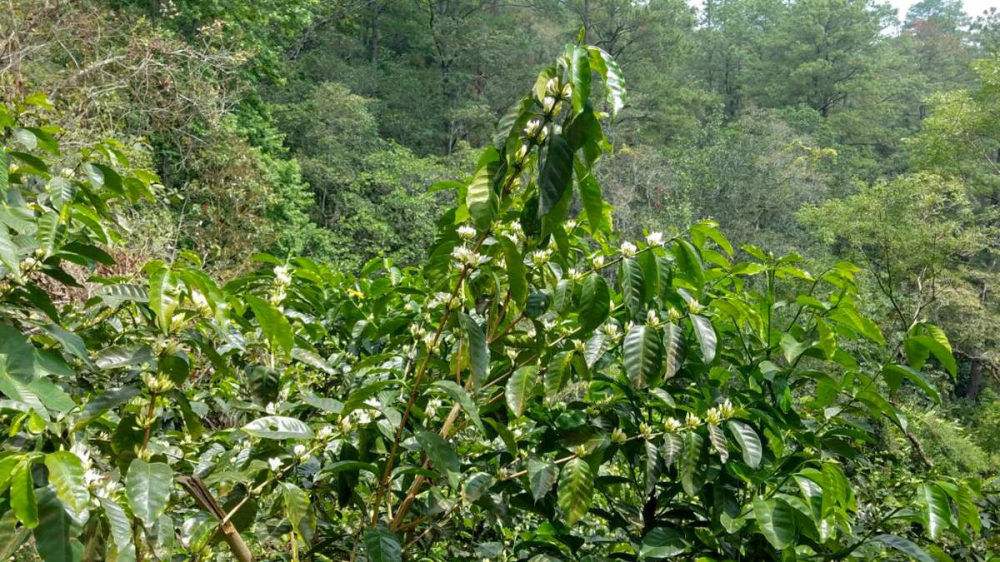
The Montecillos region borders El Salvador in southwestern Honduras, with cultivation between 1200m-1600m. Low nighttime temperatures let the cherry mature more slowly, so the seed inside absorbs more nutrients and builds sweetness. Coffee from here is full of rich fruit and sweet aromas, paired with lemon and floral notes. Lemon and fruit aromas are its key signatures, especially peach and orange, with lively bright acidity, a velvety texture and a persistent aftertaste.
Comayagua
This region lies in central Honduras, with cultivation between 1000-1500m. Common varieties include Typica, Bourbon, Pacas and other hybrids.
Coffee from Comayagua is primarily lemon-flavoured with an obvious sweet fruit aroma and a creamier texture, carrying citrus sweetness and giving off sweet and chocolate notes.
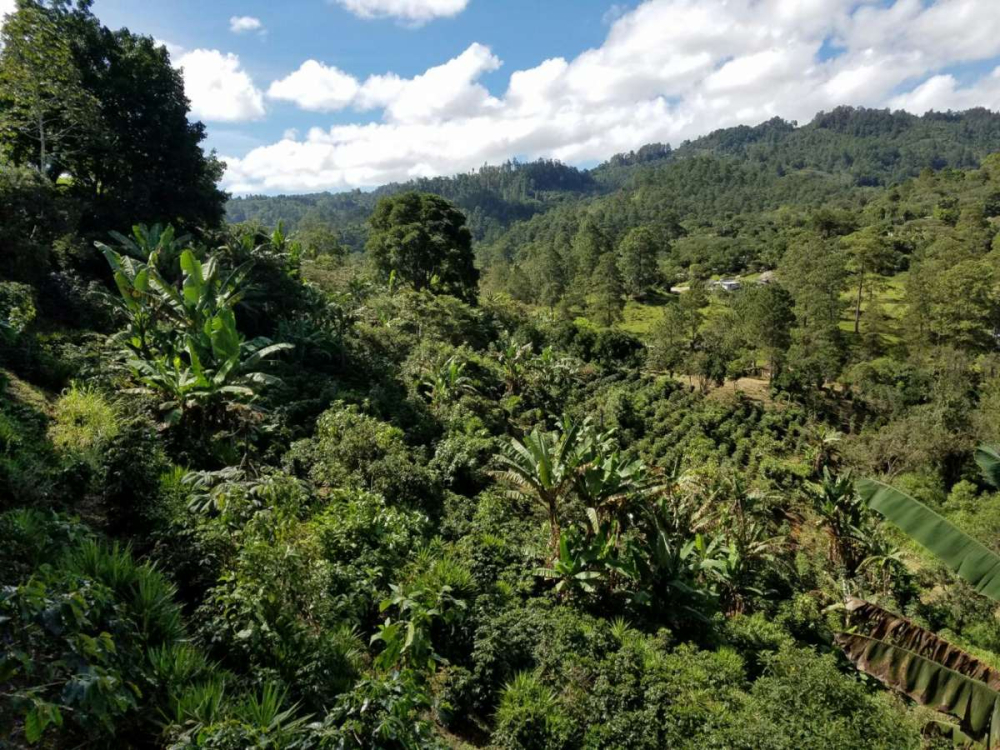
Agalta
The Agalta region is in southeastern Honduras, with cultivation between 1100m-1400m. Common varieties include Bourbon, Caturra and Typica.
Coffee from Agalta often carries tropical fruit notes alongside caramel and chocolate aromas, with distinct but delicate acidity and a sweet aftertaste.
El Paraíso
The El Paraíso region lies in southern Honduras on the Nicaraguan border, with cultivation between 1000-1400m.
Coffee from this region is characterised by gentle fruity acidity, caramel aroma and a balanced mouthfeel.

Varieties
Most coffee grown in Honduras is Arabica, primarily Caturra and Catuai, both common across Central America. Caturra is a natural mutation of Bourbon, while Catuai is a hybrid of Caturra and Mundo Novo. Both suit Central American conditions well and deliver good acidity and flavour.
Pacas is another main variety in Honduras, discovered as a natural Bourbon mutation in El Salvador. Like Caturra, Pacas has a more compact plant form and yields more than Bourbon.
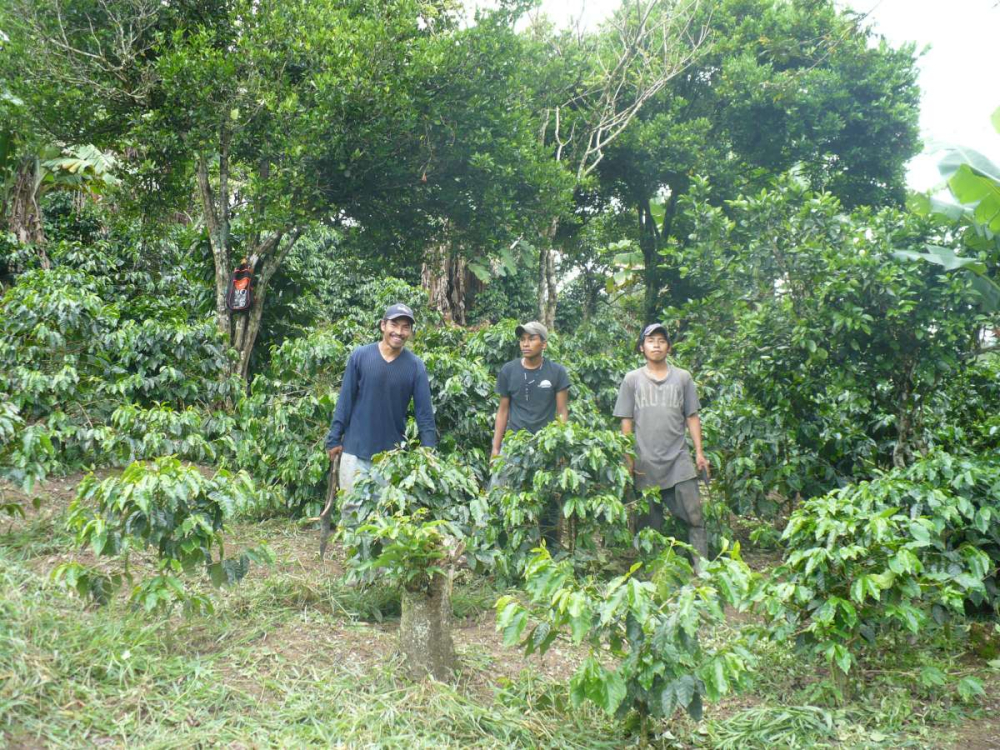
FrontStreet Coffee currently carries two Honduran coffees on its menu, both from the same estate and both barrel fermented, but in different types of barrel. Sherry uses whisky barrel fermentation, while Litchilan uses brandy barrel fermentation.
FrontStreet Coffee Honduras Sherry
Region: Marcala, Honduras
Estate: Moca Estate
Elevation: 1500-1700m
Varieties: Caturra, Catuai, Pacas
Processing: Fine washed whisky barrel fermentation
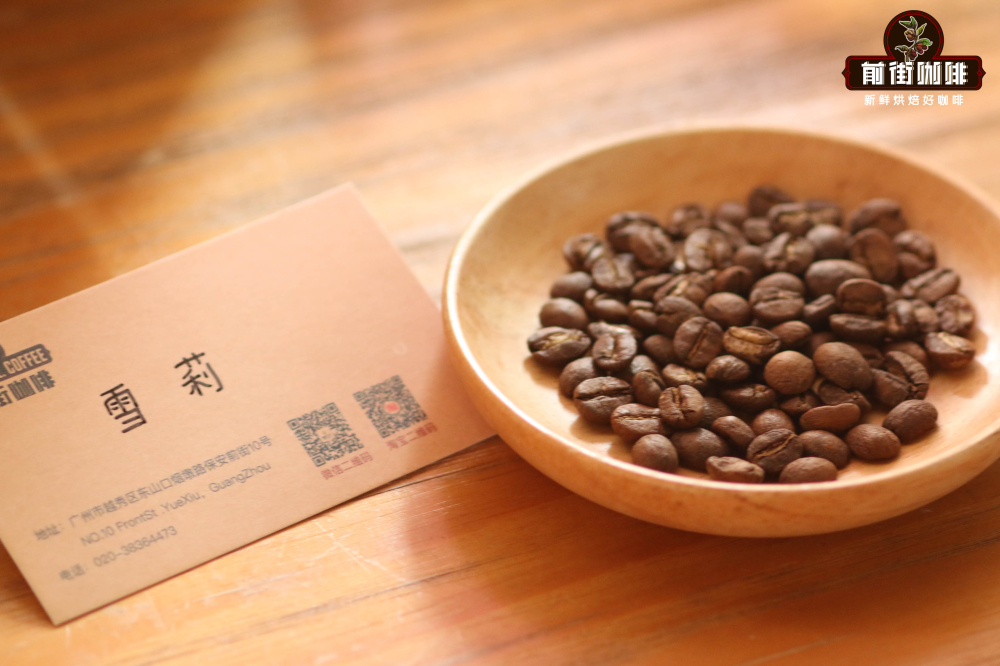
FrontStreet Coffee Honduras Litchilan
Region: Marcala, Honduras
Estate: Moca Estate
Elevation: 1500-1700m
Varieties: Caturra, Catuai
Processing: Washed + brandy barrel fermentation
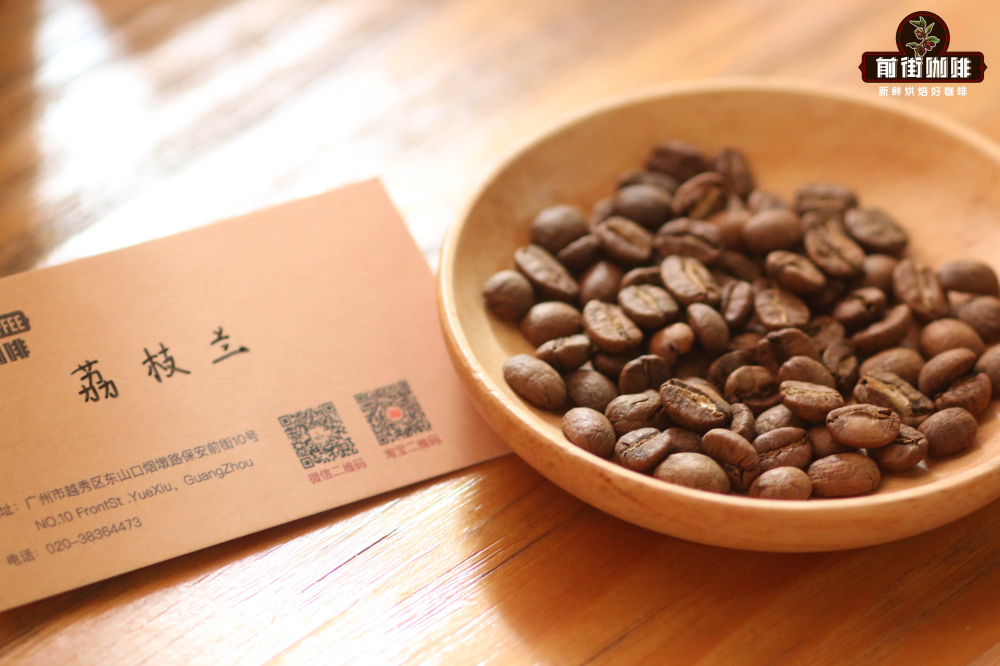
Both lots undergo barrel fermentation and therefore both carry rich wine-like notes, but because the barrels differ, the wine character differs too.
Barrel Fermentation Processing
According to FrontStreet Coffee, Honduran barrel fermentation begins with harvesting the cherry and giving it a fine wash, after which the beans go into brandy oak barrels for low-temperature fermentation of 30-40 days at approximately 15°C-20°C, followed by shade drying.
Brewing Recommendations
Dripper: Hario V60#01
Water Temperature: 90°C
Coffee Amount: 15 grams
Coffee-to-Water Ratio: 1:15
Grind Size: 80% pass-through through standard #20 sieve
Brewing Method: bloom with 30g of water for 30 seconds, then pour in small circular motions to 125g, continue pouring to 225g when the water level drops low enough to expose the coffee bed, and remove the dripper at the same point (timing starts from the bloom). Extraction time: 2'00".
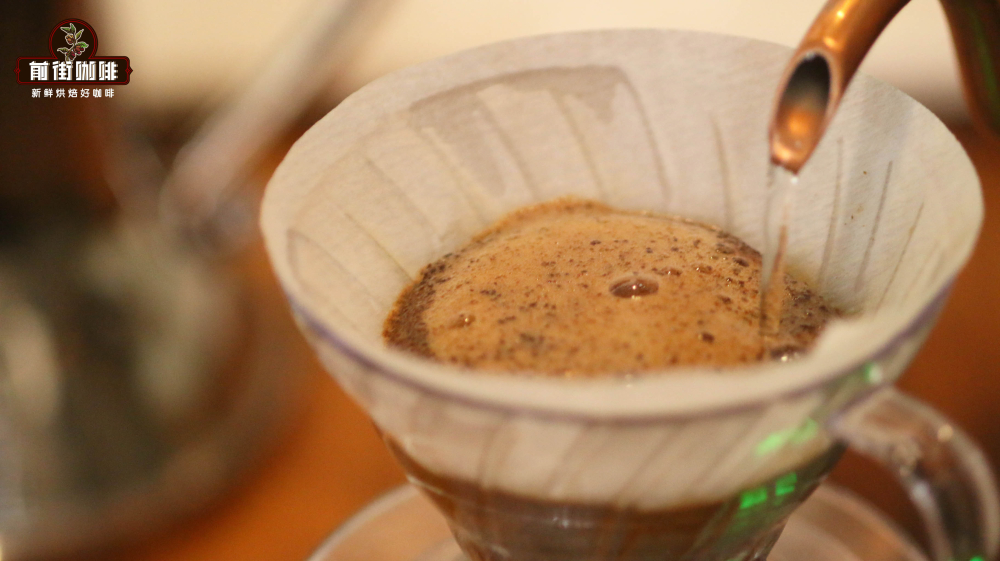
The V60's structure has three defining features: the 60° conical shape, clockwise spiral ribs, and a single drain hole. The ribs hold the filter paper away from the dripper wall, and together with the single hole they help water flow through quickly.
Brewing Flavors
Sherry: aromas of vanilla and cream, with whisky, berries, almonds and dark chocolate on the palate, and a maple syrup sweetness in the aftertaste.
Litchilan: cream, dark chocolate, honey, lychee and brandy, with a relatively full body and noticeable sweetness. As the cup cools, the wine character becomes more apparent.
FrontStreet Coffee Recommendation
FrontStreet Honduras Washed Caturra is the clearest way to taste the country's own character before the barrels come into play. Caturra is the most common variety in Honduras, and this lot is medium roasted, giving a balanced profile of nuts, brown sugar, chocolate and berries. Honduras is not only the largest coffee producer in Central America — counting washed Arabica alone, it is the world's second-largest producer of washed Arabica. Its classic specialty profile blends brown sugar and caramel with a trace of tropical fruit and berry; some tasters also describe apricot and chocolate. The country has around 280000 hectares of coffee, mostly smallholdings of under 3.5 hectares, which together account for 60% of national production.
FrontStreet Honduras Sherry comes from the Moca Estate in Marcala at 1500-1700m, built on Caturra, Catuai and Pacas that receive a fine wash before fermentation in whisky barrels. Expect aromas of vanilla and cream, then whisky, berries, almonds and dark chocolate on the palate, finishing with maple syrup sweetness.
FrontStreet Honduras Litchilan draws on the same estate and altitude but ferments in brandy barrels with a washed base of Caturra and Catuai. The cup shows cream, dark chocolate, honey, lychee and brandy, with a fuller body and clear sweetness; the wine note grows more pronounced as the coffee cools. Both are brewed the same way at FrontStreet — Hario V60#01, 90°C, 15g at a 1:15 ratio, a 30-second bloom with 30g of water, then pours to 125g and 225g, finishing around 2'00".
Important Notice :
FrontStreet Coffee is a long-established specialty coffee roaster in Guangzhou China, selling freshly roasted beans from its own farm in Yunnan as well as dozens of carefully selected single-origin beans from around the world for both pour-over and espresso. The products deliver consistently excellent quality and great value, with shipping within 24 hours. Guangzhou's FrontStreet Coffee shop is recommended by many coffee lovers, and the beans are now available online at the Tmall 。
FrontStreet Coffee has moved to a new address:
FrontStreet Coffee Address: 315,Donghua East Road,GuangZhou
Tel:020 38364473
 Scan and follow the En Gafei WeChat official account. Please indicate that the reprint comes from "En Gafei".