Yemen Coffee: Processing Methods in Yemen Coffee Regions and the Aroma and Flavor of Pour-Over Yemen Mocha Coffee

When Yemeni coffee comes up, people immediately think of rich, wild-flavored natural-processed beans. Yemeni farmers have carried on the cultivation methods handed down by their ancestors since ancient times. Yemen's rugged terrain makes farming difficult and rainfall is scarce, so growers mostly plant coffee on terraces or in low-lying pockets of land.
Yemen
According to FrontStreet Coffee's research, Yemen has one of the longest histories of coffee cultivation in the world, and its influence on coffee's global spread has been profound. After coffee was first discovered in Ethiopia, devout Muslims and spice merchants from the Arabian Peninsula carried it to Yemen.
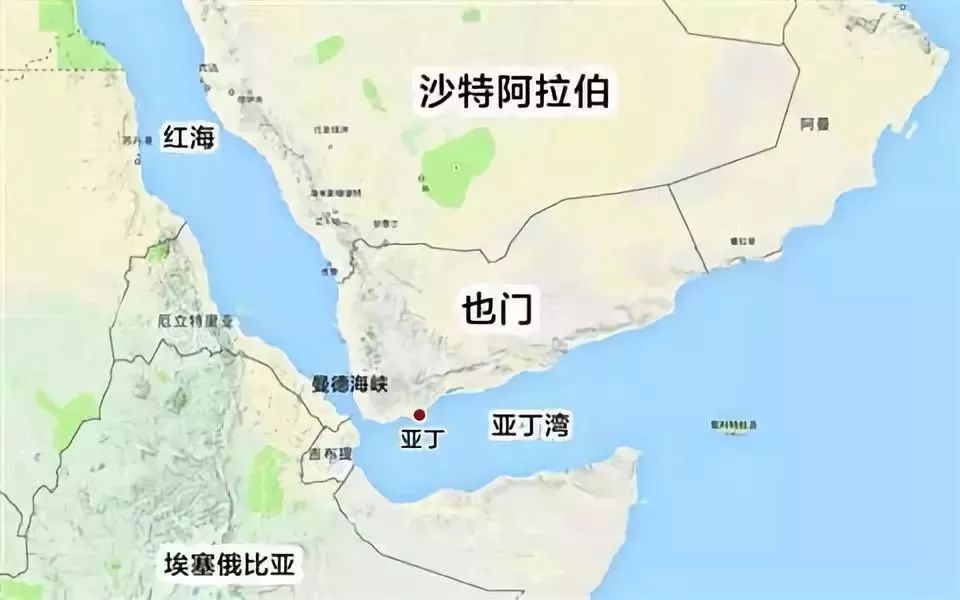
Coffee was first transplanted into Yemeni soil in the 17th century. The Arabs not only drank coffee themselves but traded it with Europe, attempting to monopolize the market — and it was along those trade routes that coffee gradually became known and accepted by more people. By the mid-17th century, the Dutch had transplanted Yemeni coffee to Java Island, began developing cultivation there, and subsequently spread coffee to other countries.
Legend has it that Shadhili, the Islamic father of Yemeni Mocha, drew on the tea culture of China's Ming Dynasty to develop coffee into a stimulating beverage. Since Islam prohibits alcohol, coffee offered people a new alternative lifestyle, and its popularity spread widely. Regrettably, Yemen's coffee culture is no longer what it was. There are many reasons — natural disasters, drought, severe pest infestations, high cultivation costs, the low price of cheap imported coffee, and farmers' preference for growing the more profitable khat plant — all of which together have shaped the state of Yemen's coffee industry today.
Yemen Coffee Processing Method (Traditional Natural Processing)
Yemen is the only coffee-producing region in the world that uses natural processing exclusively for all of its beans. Its traditional, water-saving method has not changed since Europeans fell in love with wild Mocha in the 17th century — a consequence of Yemen's extremely dry climate, where coffee is grown mainly in the central highlands and annual rainfall falls far below what arabica ideally needs.
Though Yemeni coffee grows on steep slopes with little rain, poor soil, and insufficient sunlight, those harsh conditions produced the irreplaceable Yemeni Mocha. Its main producing regions include Sanani, Mattari, and Isma'ili.
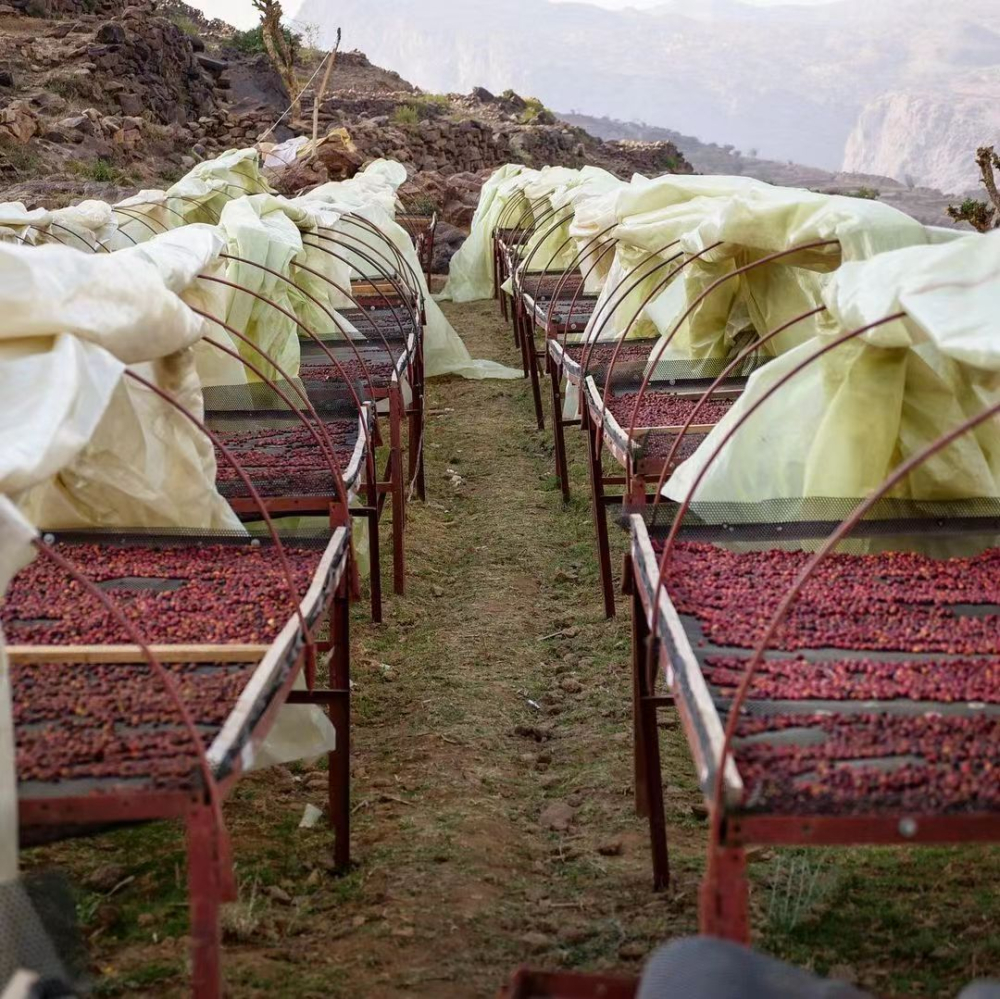
The Mattari region lies in the highlands west of the capital, at elevations between 2000-2400 meters — the highest-altitude coffee region in Yemen, and also the most remote, with inconvenient transport. Farmers often have to wait a while after harvest before they can move the coffee out. The water-scarce environment has made it impossible to introduce more advanced washed processing, which only intensifies the wild aroma of Yemeni coffee. Yemen has thus become the best choice for tasting ancient flavors.
Across Yemen's central highlands, mountains rise and fall in rugged, steep terrain. Smallholders plant in a scattered fashion — on steep slopes, terraces, or cliffsides — and the varying water, soil, and microclimates yield different aromatic components.
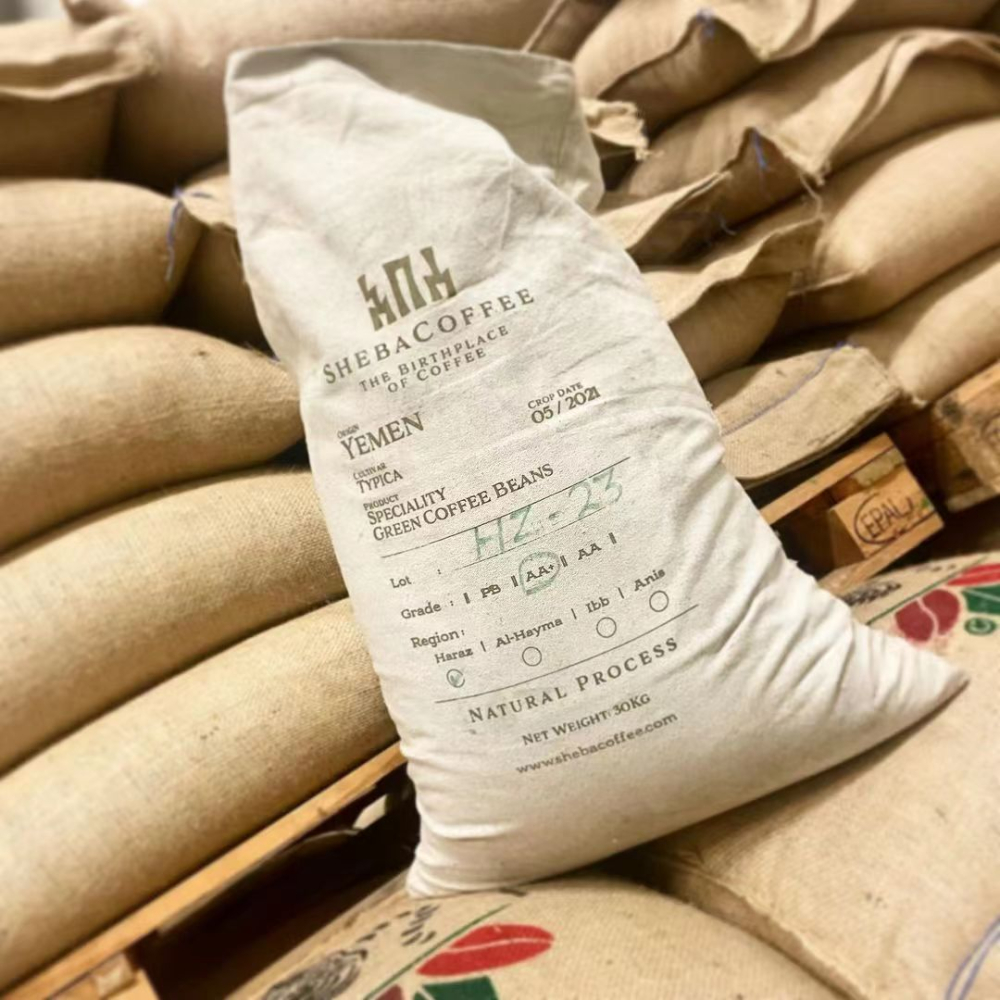
Yemeni farmers' natural process is relatively crude compared with Ethiopia's refined naturals: beans are simply spread on rooftops to dry. This is the main reason for Yemeni coffee's particularly intense wild flavor. The ancient method involves hand-harvesting fully ripe cherries, drying them directly with regular turning for even drying, and after about twenty days removing the outer pulp and skin to extract the beans.
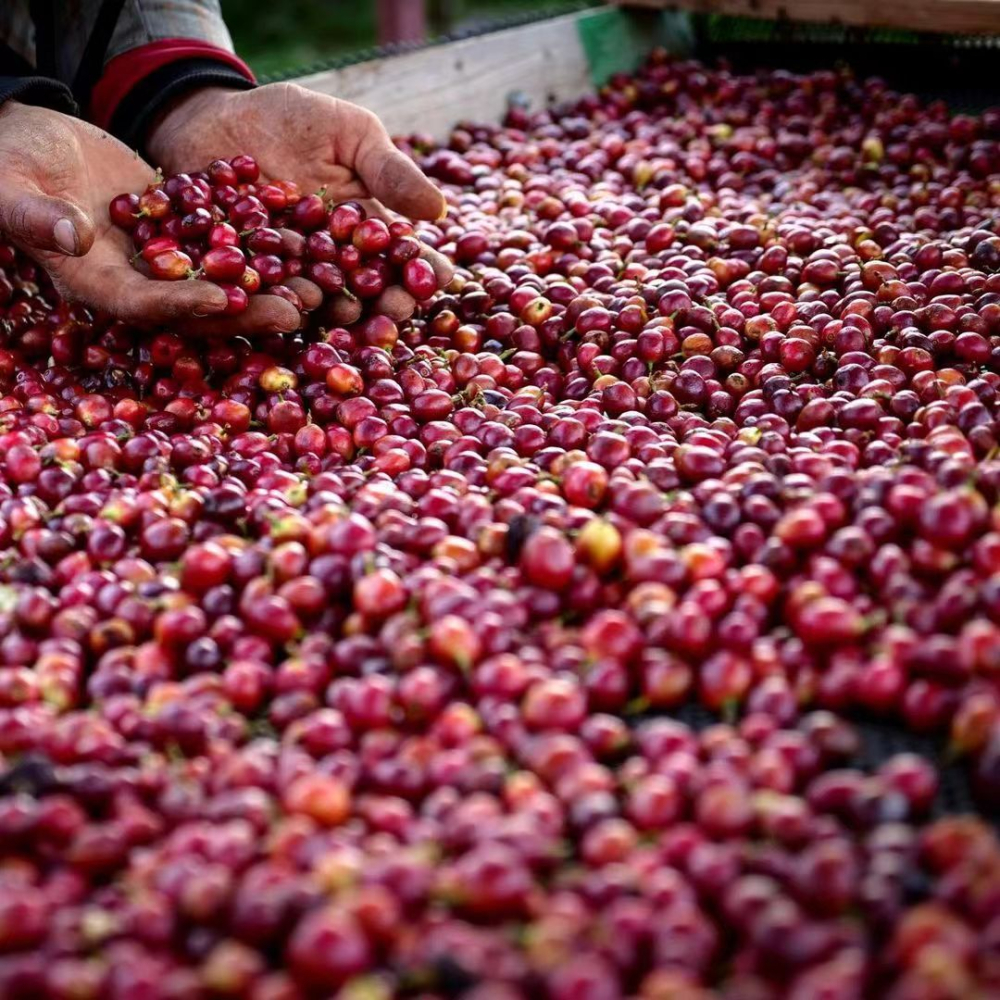
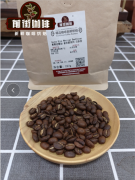
The Yemeni Mocha sold by FrontStreet Coffee comes from the Mattari region. Yemeni coffee is rich, complex, wild, and full-bodied, with strong fermentation notes and low acidity. Given its unpredictable rainfall, Yemeni coffee is unpredictable too — it is no exaggeration to call it the most singular coffee in the world.
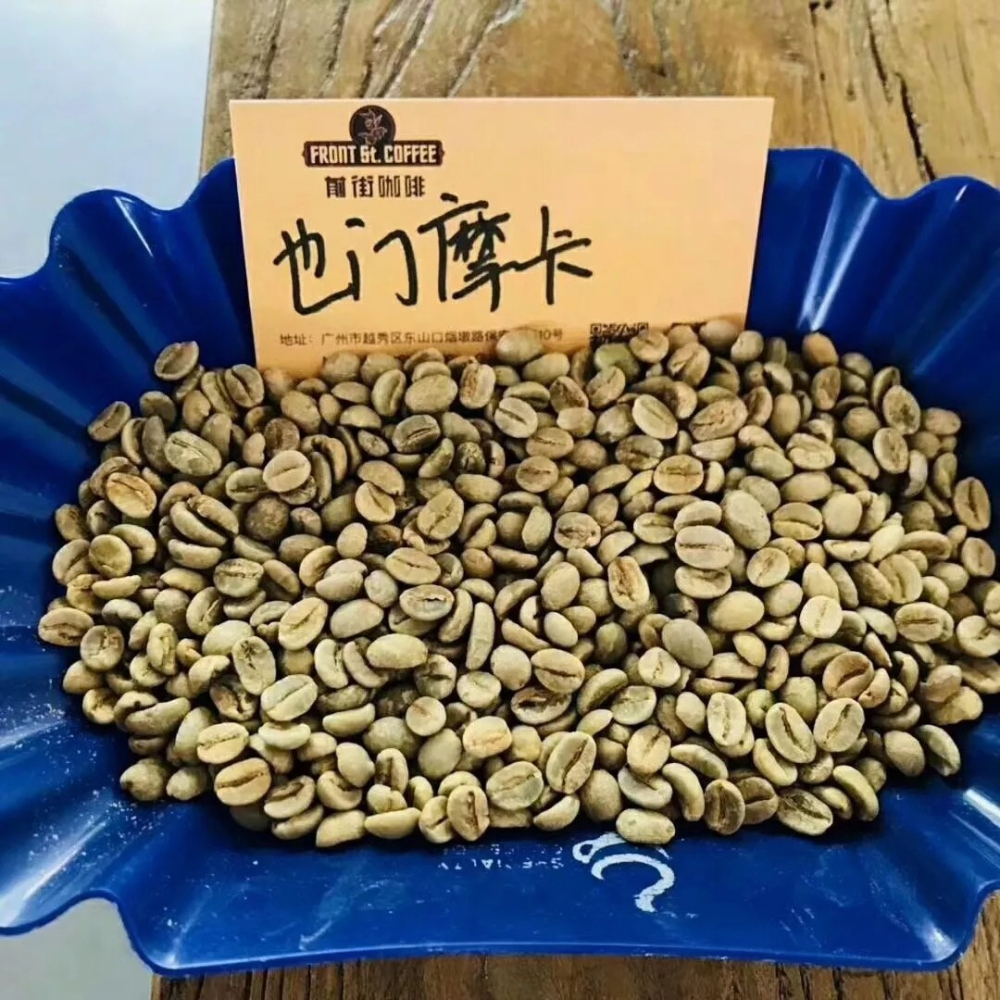
FrontStreet Coffee: Yemen Mocha Mattari Coffee Beans
Region: Mattari
Altitude: 2000-2400 meters
Varieties: Typica, Bourbon
Processing: Natural Process
Flavor: Balanced, chocolate, long-lasting finish, caramel sweetness
FrontStreet Coffee's Brewing Parameters for Yemen Mocha Mattari
Dripper: KONO
Water Temperature: 88-90°C
Coffee-to-Water Ratio: 1:15
Grind Size: Medium-fine grind (73% pass-through rate with China #20 standard sieve)

The brew uses a three-stage extraction. Bloom with twice the water to coffee — that is, 30g of water for 30 seconds. When the water level drops to just before exposing the coffee bed, continue pouring in small circles until reaching 125g, then pause. When the level drops again to just before exposing the bed, pour on until 225g and stop. (Timing starts at the beginning of the bloom.) Extraction time is 2 minutes. The technique should be kept as consistent as possible across brews.

Characteristics of Yemeni Coffee Beans
Unground, the beans give off a peanut-like aroma; after grinding, they release a caramel-like sweetness. Slurping reveals a richly layered, intense dark chocolate flavor, with a hint of grape acidity in the finish. The aftertaste is long-lasting, mouth-watering, sweet, and round — and as the cup cools, spicy and berry flavors emerge.
FrontStreet Coffee Recommendation
Ethiopia is one of the world's most famous specialty coffee origins — and as the birthplace of coffee, it holds countless heirloom varieties, a treasure land in the eyes of coffee lovers.
For a first taste, choose the entry-level FrontStreet Washed Yirgacheffe: clear jasmine florals and bright citrus acidity, exactly what baristas mean by the classic Yirgacheffe profile. Yirgacheffe itself is a small town in southern Ethiopia where spring-like, misty, cool, and humid conditions let thousands of coffee trees thrive — producing a light, elegant, tea-like cup reminiscent of a clean lemon tea.
Ethiopian coffee is mostly grown by smallholders who send harvested cherries to village-based washing stations and sell under the processing team's name, which is why so many cooperative coffees exist — FrontStreet Gotting Cooperative, FrontStreet Worka Cooperative, FrontStreet Konga Cooperative. The Gotting Cooperative sits in the Worka region at Yirgacheffe's southeastern tip; once part of the Worka Cooperative under the Yirgacheffe Coffee Farmers Cooperative Union (YCFCU), it became independent in 2012 with roughly 300 member farmers as the world's coffee hunters sought out single-origin lots. Because the pulp is stripped before drying, FrontStreet Gotting shows especially clear, delicate flavors: citrus and lemon tones with elegant white florals.
For a natural-processed counterpart, the FrontStreet Red Cherry Project natural lot is sorted for damaged or moldy cherries first, then sun-dried for two weeks until the pulp's sugars infuse the beans and moisture falls to 12%; the hardened pulp, mucilage, and pods are then scraped off by machine, and the beans pass density and color checks plus hand sorting — yielding beans of singular cleanliness and rich, captivating fruit. Flavor: peach, cocoa, honey, lemon.
And for the boldest expression, the FrontStreet natural Huakui comes from the Hambella region of Guji, Sidamo — a 200-hectare farm using traditional natural processing, with ripe cherries sun-dried for 21 days on raised beds, turned constantly for even drying and hand-sorted every three to five days. A medium-light roast brings a light fermented wine aroma, florals, citrus, and mango — richer and more complex, with honey sweetness, cocoa undertones, a touch of spice, and a full body with a persistent finish.
Important Notice :
FrontStreet Coffee is a long-established specialty coffee roaster in Guangzhou China, selling freshly roasted beans from its own farm in Yunnan as well as dozens of carefully selected single-origin beans from around the world for both pour-over and espresso. The products deliver consistently excellent quality and great value, with shipping within 24 hours. Guangzhou's FrontStreet Coffee shop is recommended by many coffee lovers, and the beans are now available online at the Tmall 。
FrontStreet Coffee has moved to a new address:
FrontStreet Coffee Address: 315,Donghua East Road,GuangZhou
Tel:020 38364473
 Scan and follow the En Gafei WeChat official account. Please indicate that the reprint comes from "En Gafei".