About Cold Drip Coffee Ratios, Time, and Brewing Methods: Which Coffee Beans Are Best for Cold Drip and Cold Brew?

For more premium coffee knowledge, please follow our official WeChat account: FrontStreet Coffee
In the height of summer, iced coffee is one of the best ways to beat the heat. Walking into a coffee shop, you may wonder why cold drip coffee costs far more than a regular iced coffee. Cold drip is not just iced coffee with a fancier name — its time-consuming extraction and exceptionally sweet, mellow flavor are exactly what make it worth the price.
What is Cold Drip Coffee?
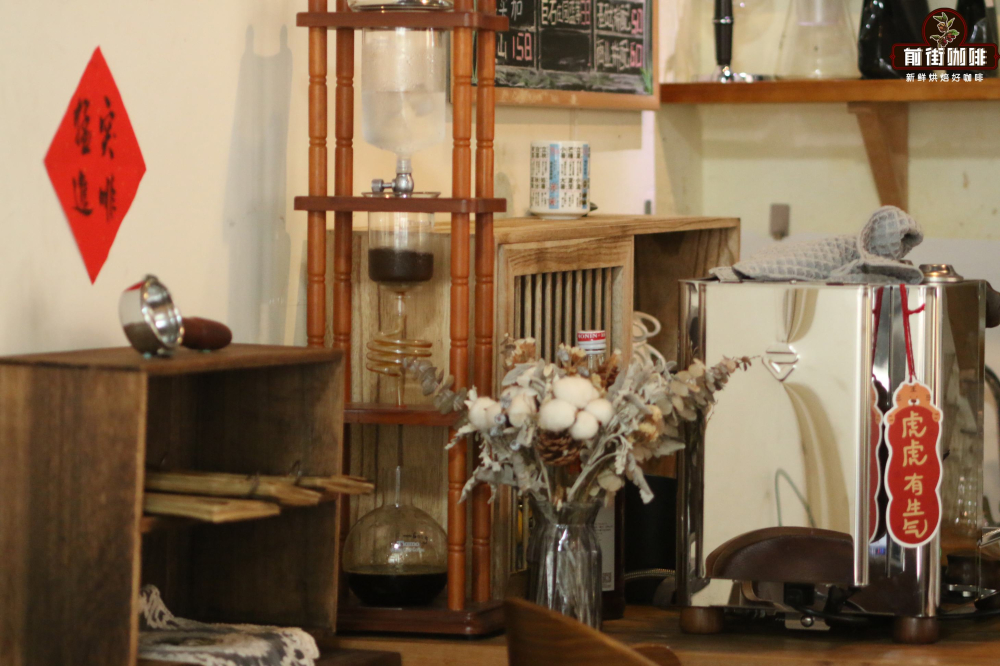
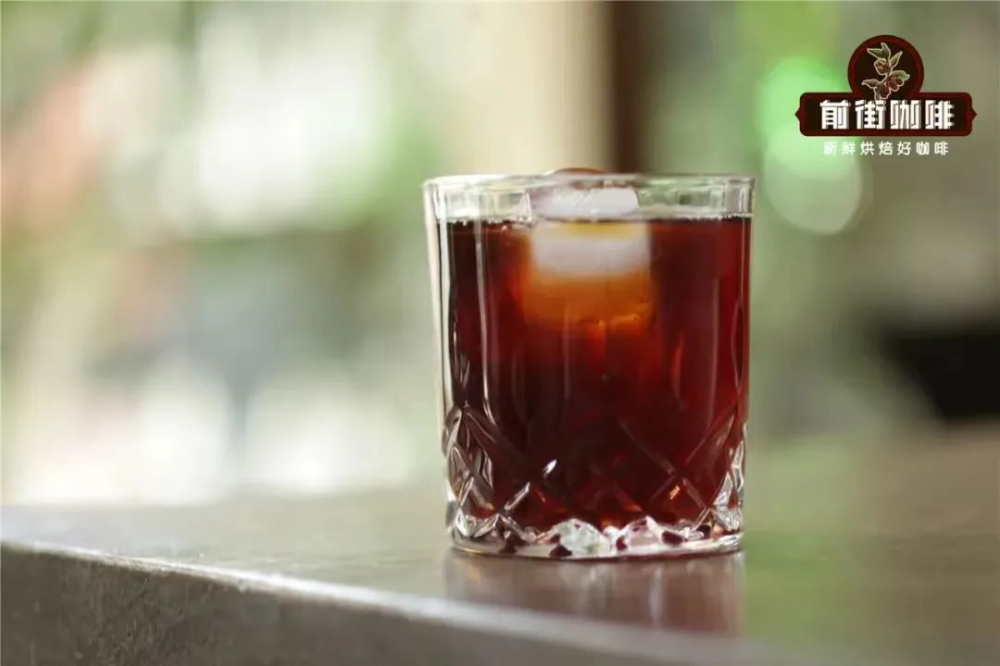
Cold drip coffee is an extraction method that uses ice water for drip filtration. Water temperature changes the taste dramatically: at low temperatures the astringent compounds in coffee barely dissolve, producing a cup that is rich without astringency, mellow without bitterness, and round on the palate — which is why it is the first choice for serious iced coffee.
The Origin and Principles of Cold Drip Coffee
First, let's untangle three terms:
Cold drip coffee;
Cold brew coffee;
Dutch Coffee.
Simply put, Dutch coffee is an umbrella term: both cold drip and cold brew belong to the Dutch coffee family, which is defined as brewing coffee grounds with cold water.
"In the 1600s, Dutch sailors hauling coffee from the then-colony of Indonesia back to Europe supposedly devised cold drip coffee because there was no hot water aboard ship and they couldn't drink hot coffee. The cold-water extract tasted smooth and fragrant, loved not only by the sailors but by the public at large."

That is the origin story you most often hear — but it was in fact invented by Japanese coffee industry people to promote cold drip towers, one of their marketing devices.
In reality, Western countries, the Netherlands included, favor not the Japanese drip style (ice water falling drop by drop) but the immersion method we call cold brew, in which grounds steep in cold water for a long time. And the West has no tradition of "Dutch Coffee" — the label was bolted on later by marketers who had heard the Japanese origin story.
Basic Principles of Cold Drip Towers
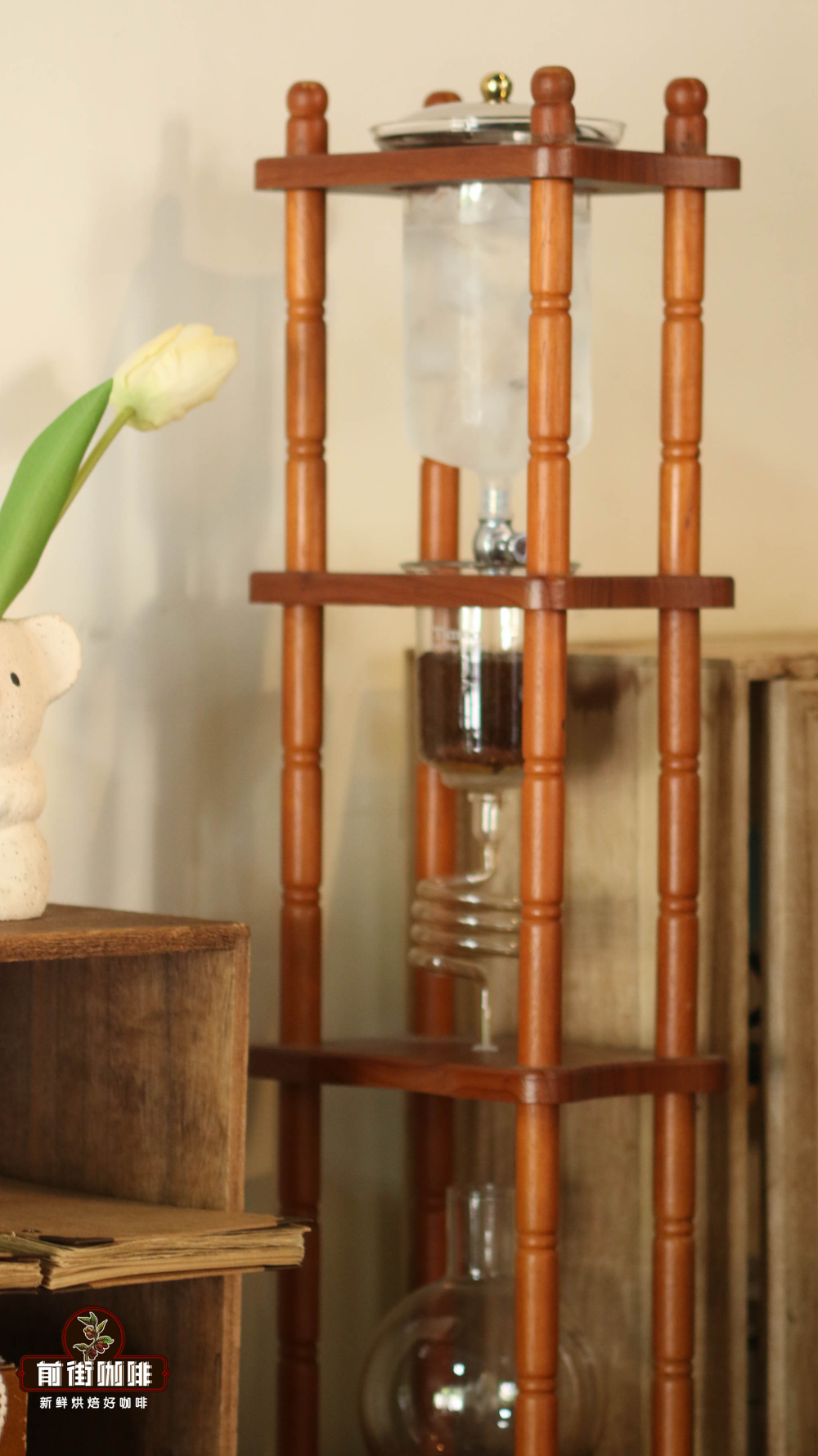
Cold drip coffee is enjoyed after cold storage and maturation, which is why it is also called "the wine among coffees." The upper, middle, and lower chambers of the tower hold, in order, ice water at near zero degrees, the coffee grounds, and the finished drip — a continuous, multi-stage extraction.
Even two batches extracted under identical conditions will taste markedly different depending on their maturation time. As cold drip matures, the molecules of its dissolved compounds grow larger, so the coffee becomes smoother than when first extracted. The same batch rested one day, one week, or ten days will show different flavors and aromas — and everyone's preferred resting window differs.
The Optimal Tasting Period for Cold Drip Coffee
Based on FrontStreet Coffee's daily experience making and selling cold drip, the best flavor falls within 24–72 hours after the run is finished and the coffee refrigerated. Beyond 72 hours the body may still improve and fill out, but the aroma steadily fades. We therefore recommend drinking it within 72 hours of extraction.
Recommended Coffee Beans for Cold Drip
Cold drip extracts at low temperature, and low temperatures suppress the heavy molecular compounds. A dark-roasted bean that is rich and sweet as a hot pour-over can turn thin and flat as a cold drip. That is why light-medium to medium roasts suit cold drip best.
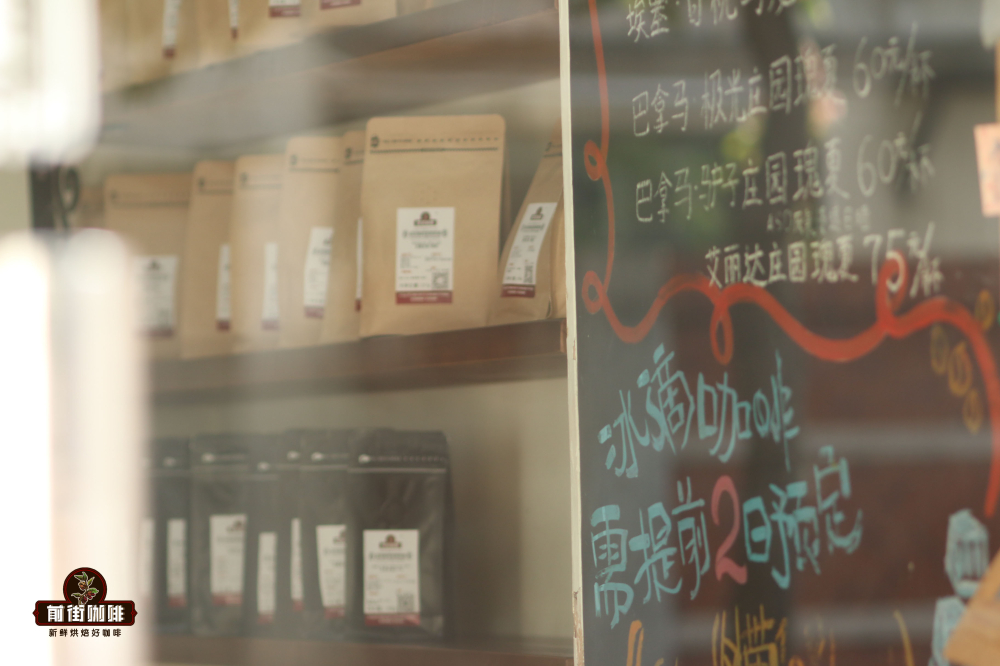
Beans at these roast levels retain more of the small and medium molecular acids and sugars. Long, cold extraction releases them fully, giving a coffee that is fresh and clean yet full and rich in the mouth.
FrontStreet Coffee's shops always make cold drip from freshly roasted beans — only fresh roasts carry abundant flavor and aroma. Every bean FrontStreet Coffee sells ships within five days of roasting.
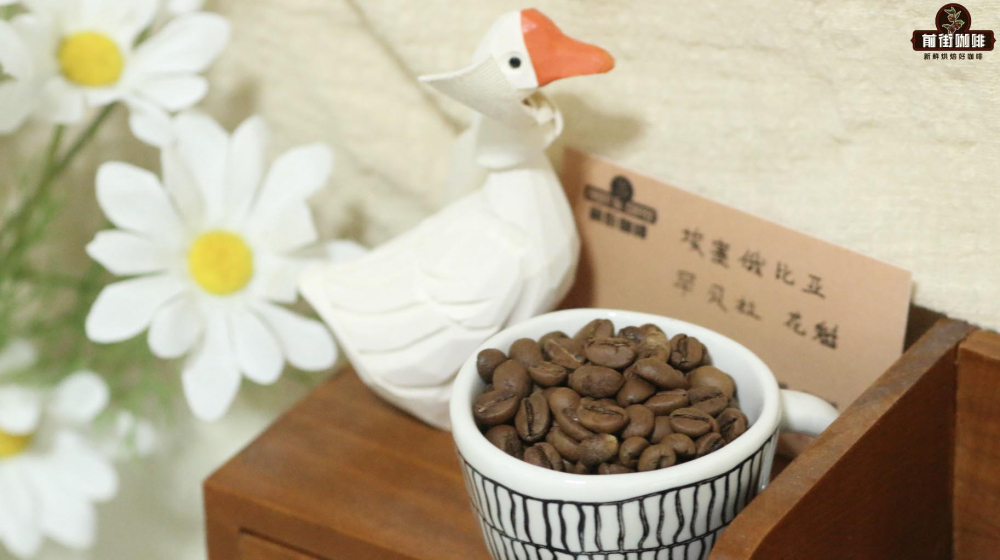
For cold drip we recommend the light-roasted "FrontStreet Coffee Ethiopia Natural Guji," which shows a full mixed-berry juiciness, pleasant sweetness, a slight winey fermentation note, and a tea-like aftertaste.
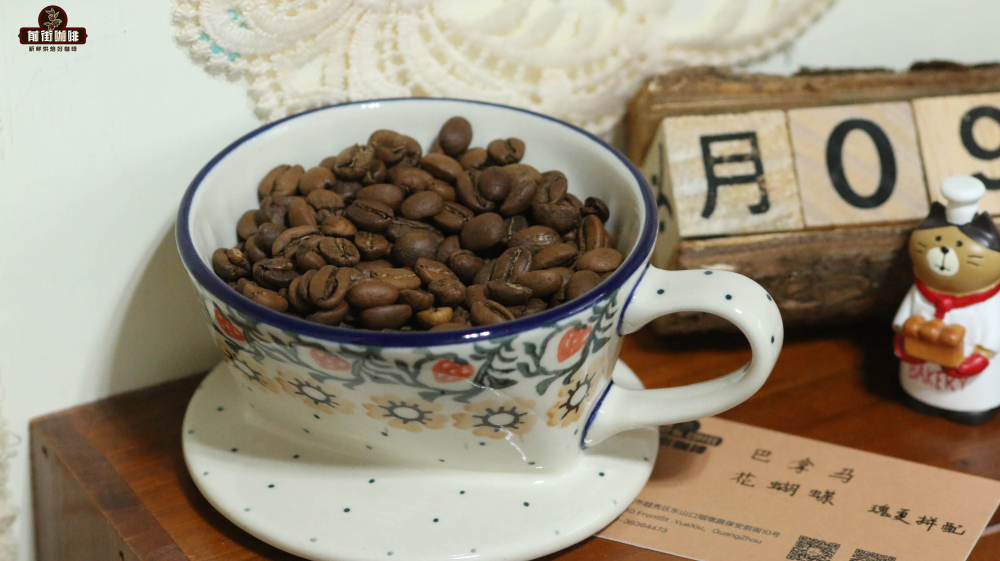
Alternatively, use the medium-roasted "FrontStreet Coffee Panama Geisha," with its white-flower fragrance, clean citrus acidity, caramel sweetness like roasted sweet potato, and a green-tea finish.
Steps to Make Cold Drip Coffee at Home
1) Load the grounds into the middle chamber
Because cold drip cannot draw out the abundant aromatic compounds that hot water can — especially the large-molecular aromatics prominent in medium-dark roasts, which barely dissolve in ice water — choose light to medium roasts with rich floral and fruit aromas, noticeable acidity, or winey notes.
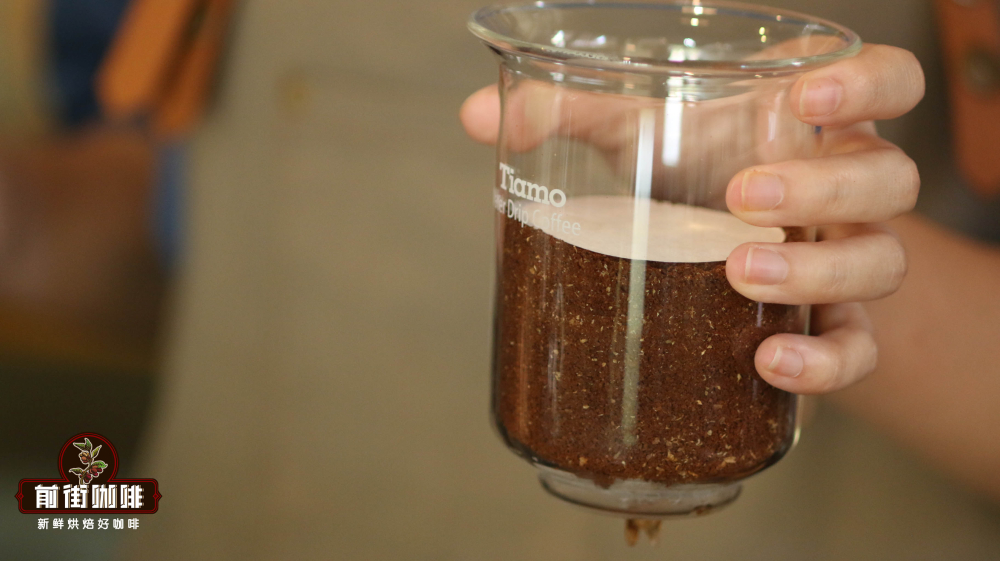
Grind to a medium-fineness (75% passing through a China No. 20 standard sieve, about the texture of fine sugar). After loading the grounds, lay a circular filter disc on the surface to distribute the water flow.
2) Fill the upper chamber with ice
Use an ice-water mixture below 5°C for the drip. Important: pre-wet the grounds completely before starting, so channeling doesn't send the droplets through only part of the bed.
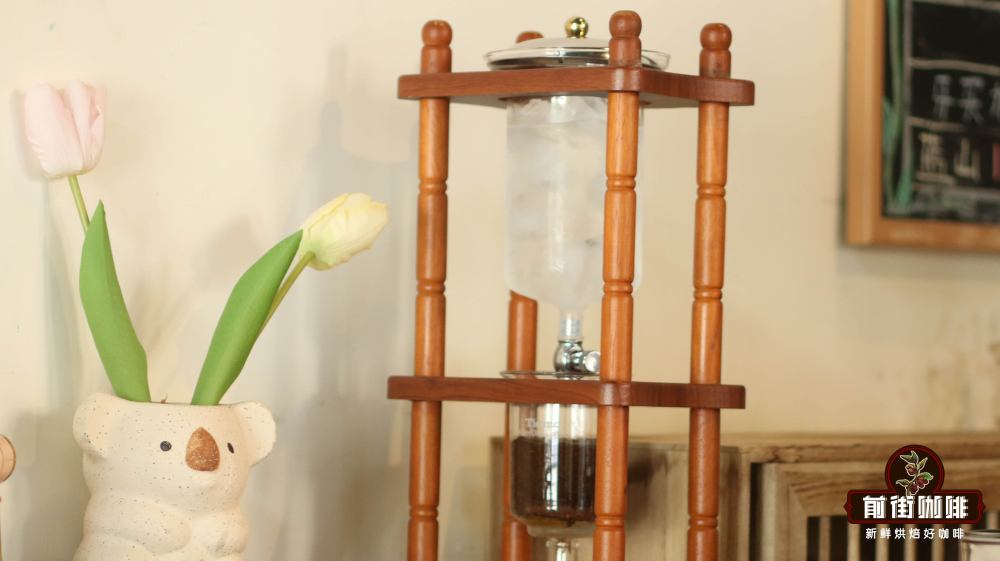
3) Control the drip rate
Drip rate is the make-or-break variable. Too fast and the extraction is weak — a thin, aromaless cup; too slow and the coffee ferments, turning sour or winy. FrontStreet Coffee's trials point to an optimal rate: 7 drops every 10 seconds.

4) The extraction ratio
The water-to-coffee ratio for cold drip is about 1:8 to 1:10. With 100 g of grounds, the ice + water in the upper chamber should total roughly 800–1,000 g (ice-to-water ratio 1:1 recommended).
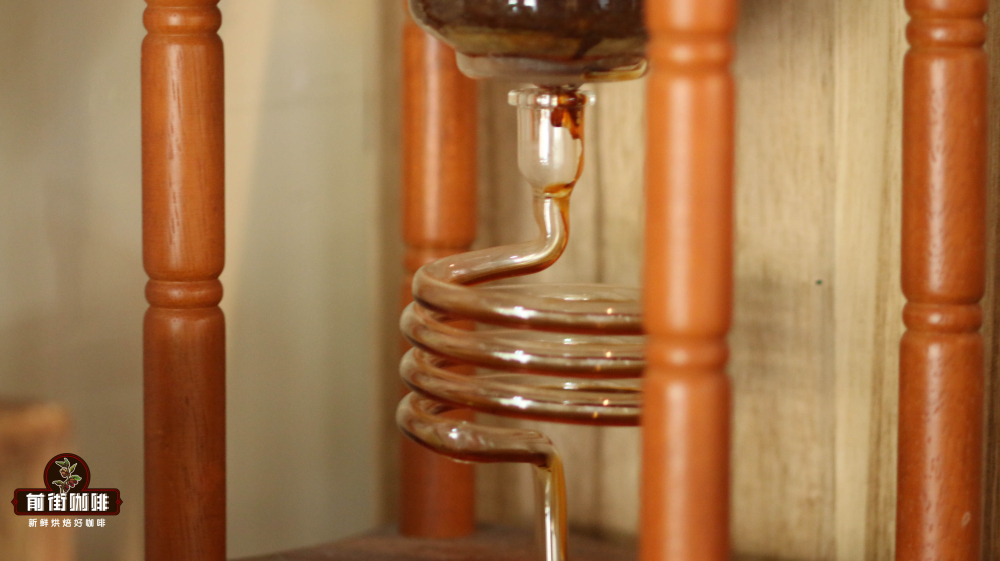
5) Wait
Patience is the defining feature of cold drip. Depending on the amount of grounds and ice, expect 3.5–12 hours!

6) Refrigerate and store
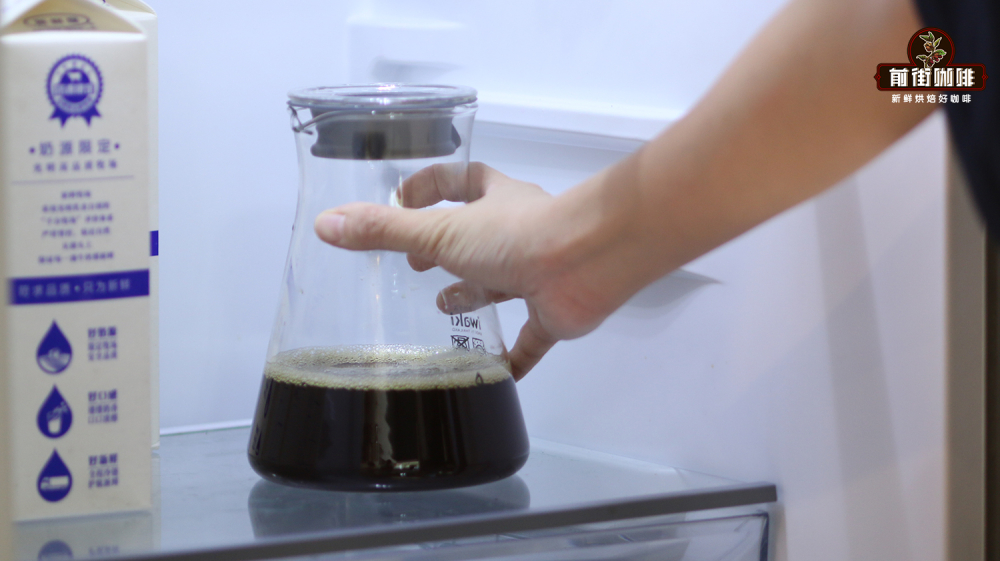
Once the run is finished, transfer the coffee to a clean, tightly sealed glass jar and rest it in the refrigerator. This maturation deepens the aroma, sweetness, and fermentation character.
FrontStreet Coffee Recommendation
Any coffee lover has almost certainly tasted Indonesian coffee, and the archipelago's best growing regions are Java, Sumatra, and Sulawesi — three islands that anchor three great coffee traditions. Mandheling from northern Sumatra shows moderate acidity and an intensely heavy fragrance; Java grows Arabica of its own distinct style; and Sulawesi, plump-beaned and deeply aromatic, is 90% Robusta by output. FrontStreet Coffee's Indonesia lineup covers all three characters.
The flagship is FrontStreet Coffee's wet-hulled Mandheling, from the Lake Toba area of the Lintong region. Because wet-hulled coffee is hulled while still half-dry, the green beans dry fully exposed to the air, producing the classic woody, spicy notes of the style. Roasted medium-dark, it is low in acidity and thick on the palate, with rich caramel, dark chocolate, and toasted-bread aromas and a long, sweet finish — made for lovers of strong coffee.
For the top tier, choose FrontStreet Coffee's PWN Golden Mandheling. PWN is a trading house that buys only premium Mandheling lots and produces exclusively specialty grade; "Golden Mandheling" is its signature product. Every batch is screened to strict standards for density, size, shape, and color — one machine pass plus one manual pass to remove defects — yielding whole, even, luminous beans with the earthy and grassy notes stripped away. Legend says the beans glitter gold in the sun, hence the name. Freshly roasted, it offers sandalwood, herbs, spice, roasted hazelnut, caramel, and dark chocolate in a clean, mellow, aromatic, deeply layered cup — as fine a gift as it is a daily drink.
If you prefer espresso, FrontStreet Coffee's classic blend is the heir of the Mandheling tradition: in the era before light-roast acidity took over, Mandheling was considered the richest coffee in the world and the backbone of Italian-style blends. The celebrated "Mamba" blend paired Mandheling with Brazil, marrying the former's wildness to the latter's smoothness, with nutty sweetness tempering Mandheling's strong bitterness and herbal edge. FrontStreet Coffee's version adds a touch of Robusta and roasts dark, pushing black-chocolate, nut, and caramel aromas to the max — so forgiving that even a beginner can pull a genuine Mandheling-style shot, and a superb choice alongside any cold drip you brew at home.
Important Notice :
FrontStreet Coffee is a long-established specialty coffee roaster in Guangzhou China, selling freshly roasted beans from its own farm in Yunnan as well as dozens of carefully selected single-origin beans from around the world for both pour-over and espresso. The products deliver consistently excellent quality and great value, with shipping within 24 hours. Guangzhou's FrontStreet Coffee shop is recommended by many coffee lovers, and the beans are now available online at the Tmall 。
FrontStreet Coffee has moved to a new address:
FrontStreet Coffee Address: 315,Donghua East Road,GuangZhou
Tel:020 38364473
 Scan and follow the En Gafei WeChat official account. Please indicate that the reprint comes from "En Gafei".