Bourbon Coffee Beans Introduction - What Variety is Bourbon Coffee? Is Brazilian Bourbon Coffee Delicious?

For more specialty coffee knowledge, follow our WeChat official account: FrontStreet Coffee
As we all know, the third wave of coffee brought specialty coffee with it, and its development taught people to pay attention to growing regions, varieties, and processing methods. Why do varieties matter? FrontStreet Coffee's baristas often tell customers that coffee is, at heart, a plant — an agricultural crop, a fruit. Variety differences directly affect yield, disease resistance, and flavor.

Take apples: green apples have green skin, a harder texture, and a more tart taste; crystal-red Fuji apples are flatter or columnar, with smoother skins carrying more wax and less bloom, firm to the bite, juicy and fragrant, with balanced sweetness and acidity...
Coffee is no exception to such everyday comparisons — the most representative example being Arabica versus Robusta. At the species level, coffee divides mainly into Arabica, Robusta, and Liberica, and today's global beans are mostly Arabica and Robusta. Arabica is more sought after in the market thanks to its lower chlorogenic acid content and more refined flavors. Robusta resists disease and pests better and yields far more, but its cup is bitter and less refined, so it is generally used in commercial coffee where flavor is not the priority.
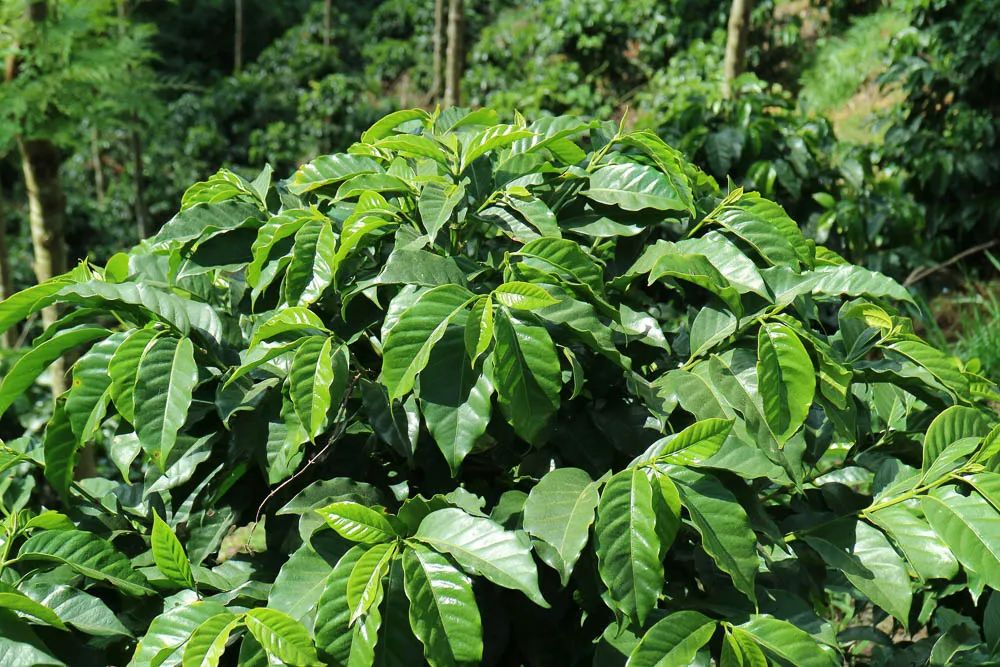
Coffee Varieties in the Specialty Coffee World
But in specialty coffee, "variety" means more than Arabica — Arabica and Robusta are species. What matters more is distinguishing the varieties beneath the species: what we mean in daily life by names like Typica, Bourbon, and Gesha.
Though all Arabica, different varieties deliver different tastes, yields, and more — Caturra is high-yielding, Gesha refined. When discussing varieties, FrontStreet Coffee believes you cannot skip the two earliest of all: Typica, and today's subject, Bourbon.

The Origin of the Bourbon Variety
In the 18th century, the French carried round coffee beans from Yemen to Réunion Island, then still known as Bourbon Island — hence the name. Bourbon took root there and gradually adapted to the local environment. Yet despite this early introduction, the variety did not spread widely until before the mid-19th century.
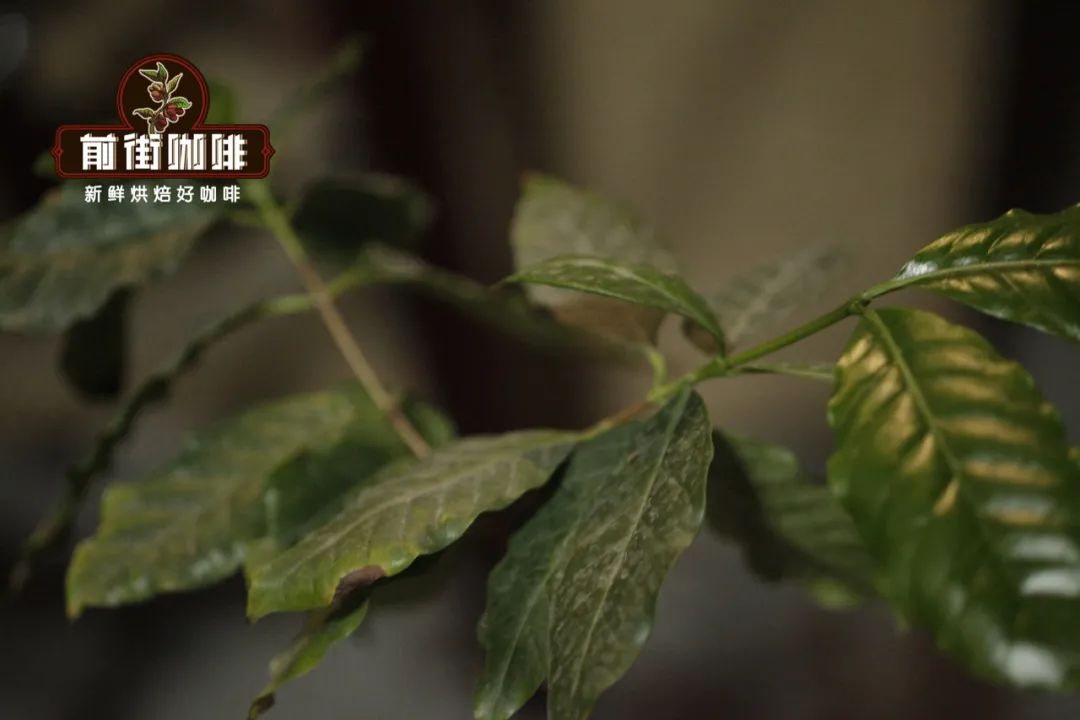
Then in 1860, Bourbon was introduced to Brazil, and from there spread rapidly across Central and South America — countries that still grow and produce Bourbon today.
Color Variations of the Bourbon Variety
Many people have heard of Bourbon's color variations: Red Bourbon, Yellow Bourbon, Pink Bourbon. Red Bourbon is the most common, because under normal conditions coffee fruit ripens from unripe green to light yellow, then orange, showing red at the optimal picking moment, and finally dark purple when overripe.

Trained pickers read the fruit's color and harvest the day's highest-quality cherries. Unripe fruit — whose beans haven't accumulated enough nutrients — can't develop refined flavors, while overripe fruit easily picks up over-fermented, yeasty notes. One of FrontStreet Coffee's Yirgacheffe coffees comes from the Red Cherry Project, which buys all-red, fully ripe cherries at higher prices — raising farmer incomes and bean quality at once, a genuine win-win.
Back on track: Red Bourbon is named for its red fruit, and the same logic applies to Yellow and Pink Bourbon. Yellow Bourbon is generally considered a hybrid of Red Bourbon and other varieties, its fruit ripening yellow. It was first discovered in Brazil, which remains the main producer. Besides the yellow fruit, Yellow Bourbon yields relatively little and tolerates neither wind nor rain well, so it has never been widely cultivated.

Pink Bourbon is rarer still — a hybrid of Red and Yellow Bourbon whose pink fruit depends on recessive genes that are easily disturbed, making the pink appearance hard to maintain.

How Does Bourbon Coffee Taste?
To find Bourbon's true taste, FrontStreet Coffee believes you should start with Brazil. Though Bourbon spread across Central and South America, its weaknesses sealed its fate of being replaced. Bourbon and Typica — the two oldest Arabica varieties — have poor disease and pest resistance and low yields; perhaps their only merit is excellent cup quality. So many Central and South American countries prefer Bourbon's natural mutations like Caturra, or other more resistant, higher-yielding varieties.

At the same time, since Brazil was Bourbon's first stop in the Americas, FrontStreet Coffee considers Brazil's Bourbon the most representative — more representative, note, not necessarily the best. One of FrontStreet Coffee's most recommended Brazilian beans in recent years is a Yellow Bourbon from Queen's Farm in the Mogiana region, processed naturally, tasting of distinct nutty notes and cream.
Besides Queen's Farm's Yellow Bourbon, FrontStreet Coffee also carries a Red Bourbon from the Southern Minas region, processed by the pulped natural method, with nutty and chocolate notes and a caramel aftertaste.
Comparing the two Brazilian Bourbons, it's not hard to see that the variety's base notes are nutty, with a distinct, very pleasant sweetness.
FrontStreet Coffee Recommendation
The two coffees described above sit on FrontStreet Coffee's own shelf. The Queen Estate (Rainha) Yellow Bourbon grows in Mogiana, near southern Minas, where fertile red volcanic soil feeds the cherries and split farm management — part traditional, part modern — keeps quality rising. The rare Yellow Bourbon mutation yields about 30% more than Typica, with short round beans and an orange-yellow ripe fruit. Brewed by pour-over, moka pot, or home espresso machine, it shows a sugarcane sweetness uncommon in other origins, alongside fruit and chocolate flavors — rich, mellow, and gently sweet.
The Red Bourbon counterpart is FrontStreet Coffee's semi-washed (pulped natural) Cerrado lot, the classic Brazilian everyday single origin. Roasted medium, it pours out cream-and-peanut, toasted bread, caramel, and hazelnut aromas, with a round, non-acidic body and a light bitter edge — at home in pour-over, moka pot, espresso SOE, siphon, or French press.
Bourbon's low acidity, balance, and friendly price also make Brazilian coffee the backbone of FrontStreet Coffee's espresso blends: the crema-rich Classic blend, the nut-forward Premium blend, the barista-recommended Dark Cocoa blend, and FrontStreet Coffee's Commercial Blend designed for cafés. The Brazilian component brings chocolate and cream aromatics, a soft sweet-sour-bitter balance, and the extraction stability that blends rely on every day.
Important Notice :
FrontStreet Coffee is a long-established specialty coffee roaster in Guangzhou China, selling freshly roasted beans from its own farm in Yunnan as well as dozens of carefully selected single-origin beans from around the world for both pour-over and espresso. The products deliver consistently excellent quality and great value, with shipping within 24 hours. Guangzhou's FrontStreet Coffee shop is recommended by many coffee lovers, and the beans are now available online at the Tmall 。
FrontStreet Coffee has moved to a new address:
FrontStreet Coffee Address: 315,Donghua East Road,GuangZhou
Tel:020 38364473
 Scan and follow the En Gafei WeChat official account. Please indicate that the reprint comes from "En Gafei".