
Cold Drip Coffee Brewing Ratios, Taste, and Flavor Characteristics - Coffee Bean Grind Size and Water-to-Coffee Ratio for Cold Drip

For more specialty coffee knowledge, please follow: FrontStreet Coffee
Summer's Essential: Cold Brew vs. Iced Drip Coffee
The cicadas drone on endlessly as the dog days of summer arrive. Heat waves roll through the streets, and even the household taps run with hot water. At FrontStreet Coffee, our barista had barely opened the door when customers rushed in asking whether we had cold brew coffee. To get through the hottest forty days of the year, life without a refreshing cup of iced coffee would be unbearable.
"Cold brew coffee" sounds cool and invigorating, but when FrontStreet Coffee's barista asked customers what actually sets ice drip coffee apart from cold brew coffee, no one could answer. So next, FrontStreet Coffee will explain what ice drip coffee is, what cold brew coffee is, and how to make a great cup of iced coffee at home.

Understanding Ice Drip Coffee
As summer arrives, more and more coffee shops are putting ice drip coffee back on their menus. So what is ice drip coffee? Ice drip coffee is made by letting an ice-water mixture drip drop by drop onto coffee grounds. Because the extraction is extremely slow - typically taking 6 to 12 hours - ice drip coffee tends to be relatively expensive.
On FrontStreet Coffee's menu, due to equipment limitations, the cold brew category only offers ice drip coffee. And because the equipment for making it is so elaborate, many people are discouraged from attempting ice drip coffee at home.

FrontStreet Coffee's ice drip setup sits right next to the espresso machine. The apparatus consists of five main parts: the water container, the adjustment valve, the coffee grounds cup, the serpentine tube, and the coffee vessel. Each has its own role: the water container holds the ice-water mixture, the adjustment valve controls the dripping speed, the grounds cup holds the coffee, the serpentine tube lets you watch the color of the extracting coffee, and the bottom vessel collects the finished brew.
FrontStreet Coffee's Ice Drip Coffee Method
FrontStreet Coffee's step-by-step process for ice drip coffee is as follows:
- Coffee Amount: 60g
- Coffee-to-Water Ratio: 1:10
- Grind Size: 85% pass-through rate on the China standard #20 sieve
- Time: 6-8 hours
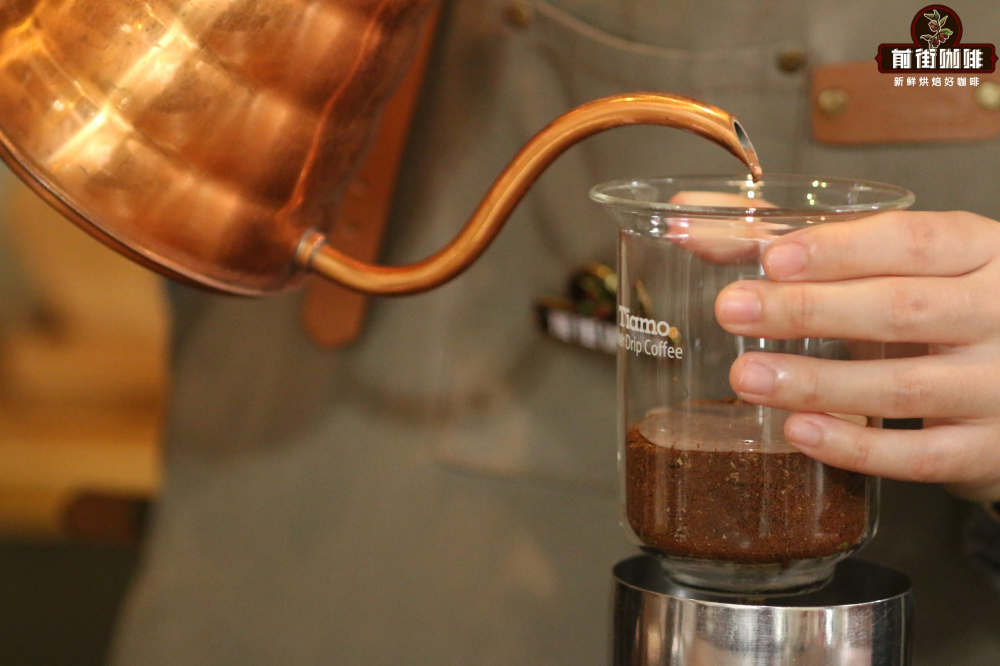
- Remove the grounds cup, wet the bottom, and place the filter paper so it clings tightly
- Pour the 60g of ground coffee into the grounds cup, level the surface, and place a circular filter paper on top
- Pour a small amount of ice water or room-temperature water to wet the coffee grounds
- Fill the water container with an appropriate amount of the ice-water mixture
- Adjust the valve to a rate of 5 drops every 10 seconds
- Once extraction is complete, transfer the coffee to a sealable container and refrigerate overnight before drinking
Given the cost of the equipment and the time it demands, many people aren't keen on making ice drip coffee at home. But that's no reason to give up on cold brew coffee altogether.

Cold Brew Coffee: The Accessible Alternative
Even without specialized ice drip equipment at home, there's no excuse for skipping cold brew coffee. Taken literally, cold brew coffee is coffee extracted from grounds using low-temperature water. Under this definition, ice drip coffee is one type of cold brew coffee - and immersion cold brew is another.
In other words, enjoying refreshing coffee at home is remarkably easy. Next, FrontStreet Coffee will walk you through how to make cold brew coffee.
FrontStreet Coffee's Cold Brew Method
FrontStreet Coffee's step-by-step process for cold brew coffee is as follows:
- Coffee Amount: 60g
- Coffee-to-Water Ratio: 1:10
- Time: 8-12 hours
- Grind Size: 85% pass-through rate on the China standard #20 sieve

- Choose a sealable container
- Pour the ground coffee into the container
- Add room-temperature water at the 1:10 coffee-to-water ratio
- Refrigerate for 8-12 hours
- Remove and filter
- Seal the filtered coffee and refrigerate for another 12 hours before drinking
About Grind Size
Because cold brew coffee uses much lower water temperatures than the roughly 90°C typical of pour-over, and because low-temperature water extracts far more slowly due to reduced molecular exchange, you need more than just a longer extraction time: the coffee must also be ground finer to increase the contact surface area between water and coffee particles, drawing out as many of the desirable flavor compounds as possible.
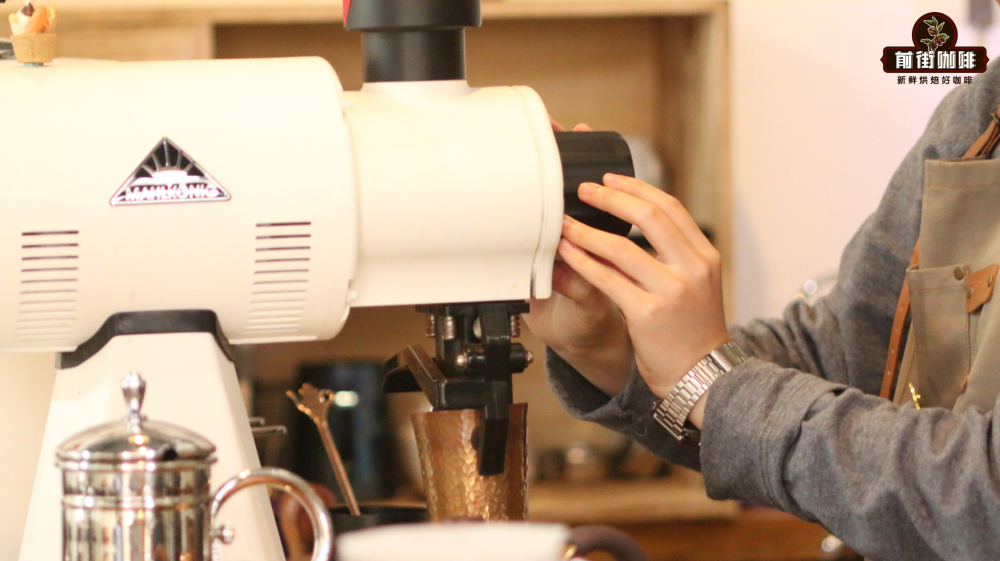
But if the grounds are too fine, too many flavor compounds come through, including unpleasant bitter ones; if they're too coarse, the flavors turn muddy and the cup feels thin. After repeated experiments, FrontStreet Coffee found that a grind with an 85% pass-through rate on the China standard #20 sieve is ideal.

About Coffee-to-Water Ratio
Different strokes for different folks. Since every coffee drinker has their own idea of the right strength - some like it bold, others prefer it light - FrontStreet Coffee typically brews ice drip coffee at a 1:10 ratio and serves it over ice. If you like your coffee strong, drink it right away; if you prefer it lighter, let the ice melt slowly and the dilution will soften the concentration as you go.
About Coffee Beans
Because cold brew coffee extracts slowly at low temperatures, more small-molecule compounds such as florals and fruit acids dissolve out of the beans, while large-molecule compounds like the tannins that cause bitterness are hard to extract. On top of that, the finished brew undergoes 12 hours of cold fermentation in the refrigerator, giving it a distinct fermented note and the natural sweetness of the beans themselves, with a viscous, smooth, and refreshing texture.
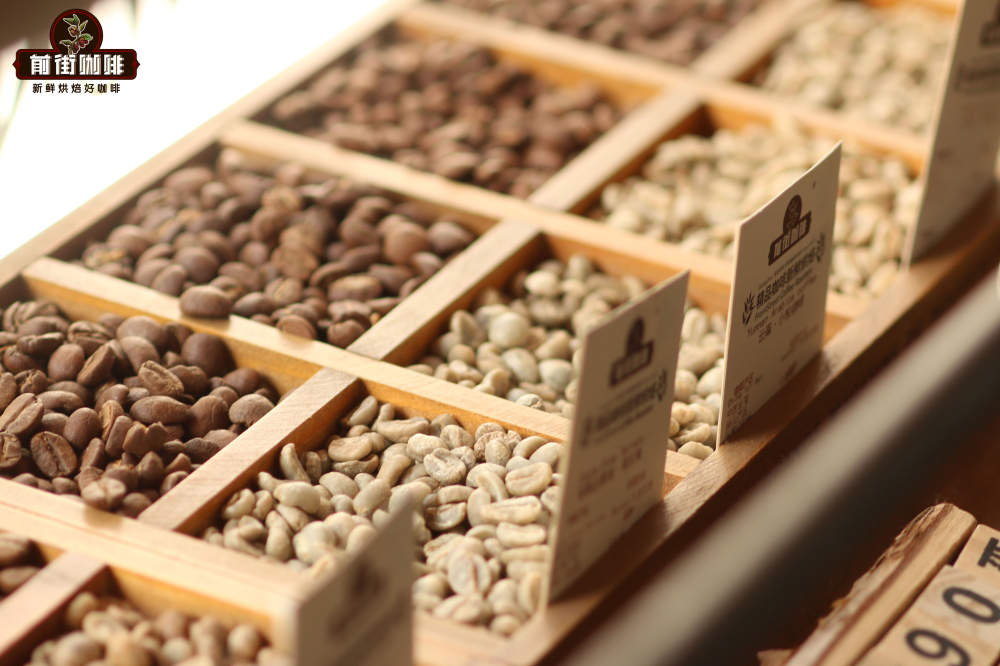
That's why FrontStreet Coffee usually picks beans with bright acidity or distinctive flavors for cold brew. Among these, Kenyan and Honduras Sherry coffee beans are excellent choices.

Recommended Coffee Beans
FrontStreet Coffee: Kenya Small Tomato Coffee Beans
- Region: Thika, Kenya
- Processing Station: Asali Honey Processing Station
- Altitude: 1550-1750 meters
- Varieties: SL28, SL34
- Processing Method: K72 washed process
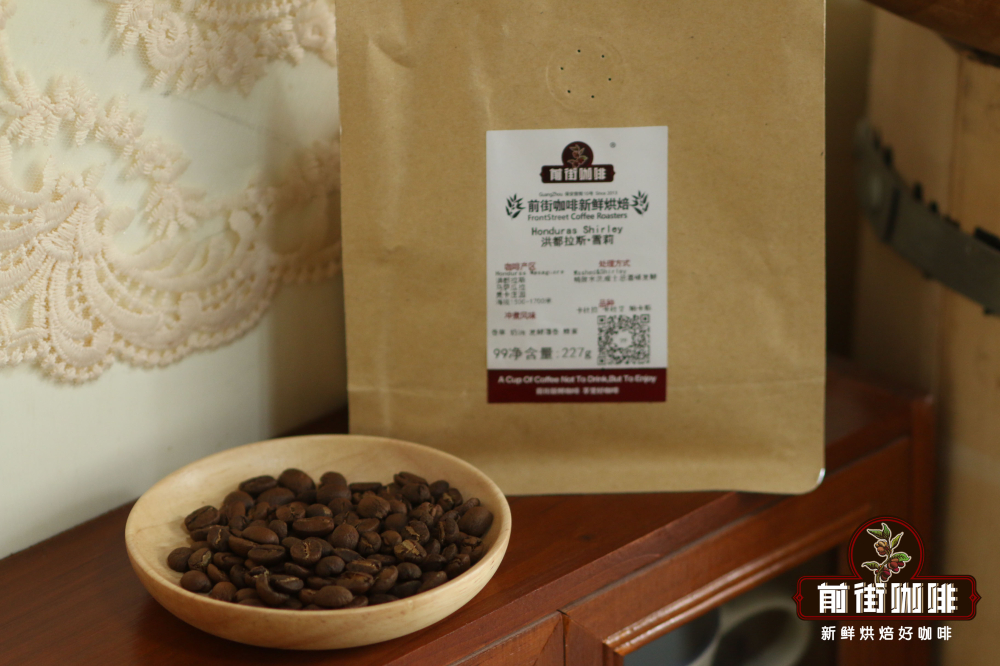
FrontStreet Coffee: Honduras Sherry Coffee Beans
- Region: Marcala, Honduras
- Estate: Finca Moca
- Altitude: 1500-1700 meters
- Varieties: Caturra, Catuai, Pacas
- Processing Method: Fine washed & whiskey barrel fermentation
Flavor Profiles
FrontStreet Coffee's ice drip coffee made with Kenyan beans delivers plum, cherry tomato, and caramel flavors, with an overall sweet-tart profile that is wonderfully refreshing - perfect for quenching thirst and cutting through richness on a scorching summer day.

FrontStreet Coffee's ice drip coffee made with Sherry beans carries rich notes of vanilla, cream, and oak barrel, deepened by the long cold fermentation into something reminiscent of a sherry whiskey - truly one of a kind.
FrontStreet Coffee Recommendation
Beyond the Kenya and Sherry picks above, FrontStreet Coffee's cold-brew-specific lineup has a few more gems worth exploring. If you love floral, fruit-forward iced coffee, grab FrontStreet Coffee's natural Huakui. It comes from Ethiopia, the birthplace of coffee, and because the beans are natural-processed - dried inside the fruit, where they absorb a wealth of sweet aromatic compounds - it brews into a cold brew full of magnolia, creamy strawberry, dried mango, guava, and black tea nuances. Since cold brewing amplifies floral and fruity tones while muting woody and roasted notes, a light-to-medium roast like this shows the style at its best.
For a genuinely juicy cup, FrontStreet Coffee's Kenya Small Tomato remains the first choice - the cherry tomato, snow pear, black plum, and dried plum sweetness comes through vividly under cold extraction, with low bitterness and full, rounded acidity that turns wonderfully crisp over ice. If you're drawn to FrontStreet Coffee's Colombia Pink Bourbon (with its passion fruit, grape, apricot, and dried-fruit sweetness) but find the price steep, blend it 1:2 with FrontStreet Coffee's Costa Rica Tarrazu: you'll still taste the Pink Bourbon's florals and fruit alongside the Tarrazu's clean citrus acidity, at a far friendlier cost per liter.
Finally, for an everyday workhorse, you can't go wrong with FrontStreet Coffee's washed Yirgacheffe Guodingding Cooperative lot (from the Worka area). Washed Yirgacheffe brings a clean, bright sweet-tart character, and its budget-friendly, versatile profile works equally well for pour-over, siphon, French press, or cold brew. Brewed as cold brew, it produces a remarkably sweet cup of berries, layered fruit, and honey.
Important Notice :
FrontStreet Coffee is a long-established specialty coffee roaster in Guangzhou China, selling freshly roasted beans from its own farm in Yunnan as well as dozens of carefully selected single-origin beans from around the world for both pour-over and espresso. The products deliver consistently excellent quality and great value, with shipping within 24 hours. Guangzhou's FrontStreet Coffee shop is recommended by many coffee lovers, and the beans are now available online at the Tmall 。
FrontStreet Coffee has moved to a new address:
FrontStreet Coffee Address: 315,Donghua East Road,GuangZhou
Tel:020 38364473
 Scan and follow the En Gafei WeChat official account. Please indicate that the reprint comes from "En Gafei".

