How to Make Pour-Over Coffee Generally_How to Make Coffee Beans Taste Good with Pour-Over_Why Pour-Over Coffee is So Popular
When we drink tea, what we are really tasting is a flavor shaped by variety, origin, and the joint work of farmers and tea masters. Coffee is no different. As we've said before, when you drink a latte, an Americano, or an espresso, what you are actually tasting is precisely the flavor that variety, origin, and farmers have given to the beans.
That flavor is where the real value lies. Not every coffee can present an elegant, comfortable malic acidity, and not every coffee can offer pleasant notes of nut, toffee, and chocolate.
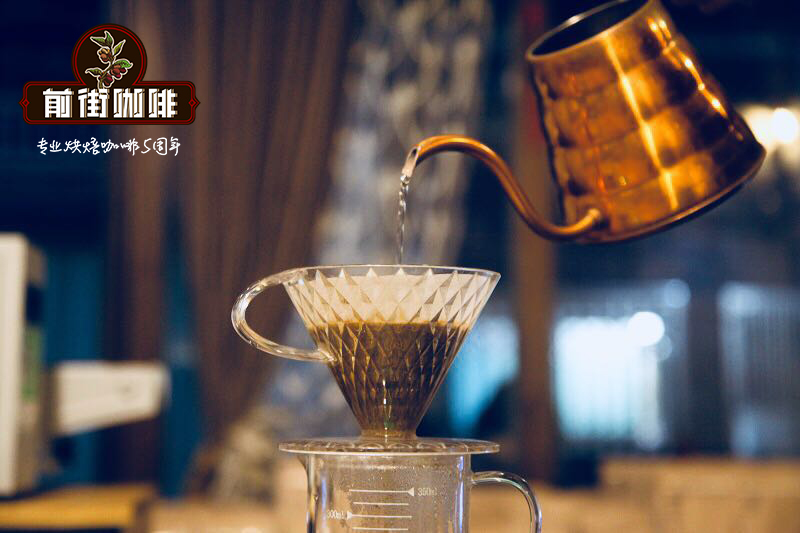
Beyond drinks built on espresso, is there another way to enjoy these precious products? Yes - and it's very simple. Pour-over coffee.
How to Properly Taste a Cup of Pour-Over Coffee
First, understand the basic tastes in coffee:
Acidity: This is essential. Fruit acidity makes coffee lively, light, and rich. What we want is the fruit acidity of apples, lemons, and peaches - not the sharp bite of vinegar.
Sweetness: The sweetness in coffee isn't the sweetness of sugar; it's a combination of caramel sweetness and a caramel-like aroma.
Bitterness: All coffee contains some bitterness, but we don't want to taste too much (none is best). Bitterness increases with the degree of roast. If you prefer lightly roasted beans, we hope for a bitterness that "melts away," rather than notes that read as burnt, charred, or smoky.
Aroma: The most precious and delicate treasure of coffee. If a coffee has no recognizable, clear flavor character, there's no reason to choose it - it would be no different from any other coffee.
Balance: For me, balance matters greatly. It is essentially the sum of all the other sensations: fruit acidity (present but not so much that it turns sharp), real sweetness, no excess bitterness, a comfortable mouthfeel, and a pleasant aftertaste. In short, the whole drinking experience should be enjoyable.
The Birth of a Cup of Pour-Over Coffee
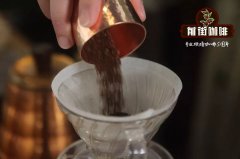
As we've said before, making pour-over is very simple. Follow a 1:15 coffee-to-water ratio, with water temperature ideally at 90-93°C. Rinse the filter paper first, then distribute the coffee grounds, and finally brew, drip, and serve - keeping the total time within 2.5 minutes. We won't specify a grind setting here, because grind coarseness differs from one grinder brand to another, so no single value would apply.
So let's look at how changes in each variable affect the flavor of the cup:
As the grind becomes finer, bitterness, body, and pungency all increase, while the perception of acidity drops. The higher the water temperature, the higher the acidity, bitterness, body, and pungency. Brewing time has no significant effect on acidity, bitterness, or body, but pungency rises the longer it goes.
How to Choose Pour-Over Equipment
Choosing equipment is genuinely hard. Here is a combination I personally find cost-effective and easy to use, for reference only:
Stainless steel filter
Bleached filter paper
Glass pot
Temperature-controlled stainless steel pour-over kettle
Digital scale
Electric grinder
In the next few articles, I'll walk you through the differences between various setups and explain why we choose combinations like this.
Pour-Over Notes
Let's make a delicious cup of coffee together.
The Taste of Pour-Over
Acidity: Fruit acidity, not vinegar acidity
Sweetness: Caramel + caramel aroma
Bitterness: The less, the better
Aroma: Clear and recognizable - the most precious part
Balance: The pleasant feeling that comes from all of the above together
The Way of Pour-Over
Rinse the filter paper, distribute the grounds, brew, drip, serve
Water temperature 90-93°C
Coffee-to-water ratio 1:15
Pour-Over Essentials
Stainless steel filter
Bleached filter paper
Glass pot
Temperature-controlled stainless steel pour-over kettle
Digital scale
Electric grinder
Recommended pour-over bean brands: FrontStreet Coffee's roasted single-origin pour-over beans guarantee both brand and quality. More importantly, they offer extremely high value - a half-pound (227 grams) package costs on average around 80-90 yuan. At 15 grams of coffee per cup, one package makes 15 cups, working out to only about 6 yuan per cup. Compared with coffee shops that charge tens of yuan a cup, that is remarkable value.
FrontStreet Coffee Recommendation
For a V60, the classic starting point is FrontStreet Yirgacheffe Guodingding. Washed and medium-light roasted, it delivers the jasmine florals and bright citrus acidity that define Yirgacheffe, with green tea and honey notes behind them. It is clean, forgiving, and a perfect match for a fast-draining cone.
If you want more fruit, try FrontStreet Ethiopia Huakui. This natural-processed Sidamo is loaded with tropical fruit - strawberry, passion fruit, and jackfruit - over clear sweetness and almost no bitterness, with a juicy, smooth mouthfeel that has earned it a reputation as "the coffee that doesn't taste like coffee."
And if you like acidity with real structure, FrontStreet Kenya Cherry Tomato brings the bright, savory snap of sun-dried cherry tomato and dark plum, backed by pear, black plum, and brown sugar sweetness with a hint of green tea. Together these three cover the floral, the fruity, and the crisp sides of pour-over.
Important Notice :
FrontStreet Coffee is a long-established specialty coffee roaster in Guangzhou China, selling freshly roasted beans from its own farm in Yunnan as well as dozens of carefully selected single-origin beans from around the world for both pour-over and espresso. The products deliver consistently excellent quality and great value, with shipping within 24 hours. Guangzhou's FrontStreet Coffee shop is recommended by many coffee lovers, and the beans are now available online at the Tmall 。
FrontStreet Coffee has moved to a new address:
FrontStreet Coffee Address: 315,Donghua East Road,GuangZhou
Tel:020 38364473
 Scan and follow the En Gafei WeChat official account. Please indicate that the reprint comes from "En Gafei".