What Water Temperature for Pour-Over Coffee_How to Make Pour-Over Coffee Beans_How Much Water for 15g of Pour-Over Coffee Beans
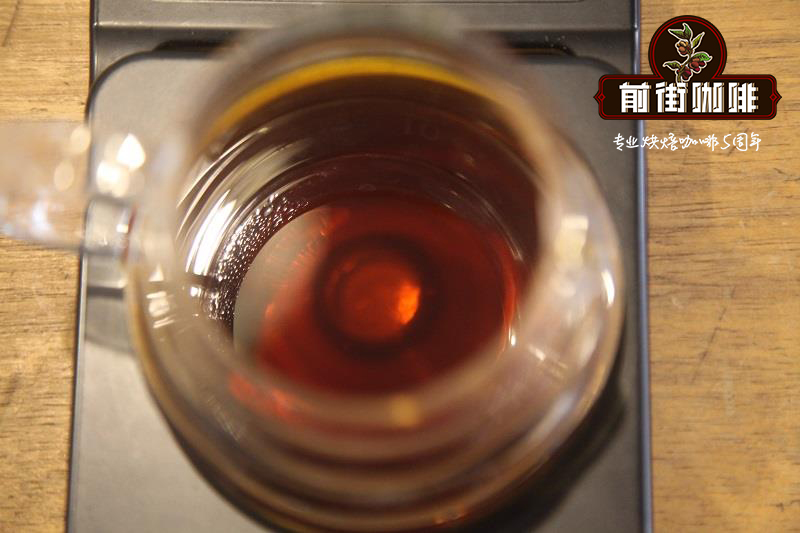
The Importance of Water Temperature in Pour-Over Coffee
Almost every pour-over enthusiast owns a thermometer, and describing a brew to fellow coffee people always seems to start with the water temperature. That alone tells you how important the variable is.
How Important Is It?
Why does temperature matter so much, and how should you choose it? Let's dig in.
Extraction Temperature vs. Drinking Temperature
First, separate two concepts that are often blurred. Drinking temperature matters mainly for palatability. Pour-over water is generally above 80°C at the kettle, but the coffee reaches the guest at around 60°C—hot but not tongue-scalding. As you sip, the cup cools, letting you follow how the coffee's character shifts from hot to warm to room temperature, even iced—each stage shows a different side of the coffee.
We will cover drinking temperature another time. Here we mean extraction temperature: the temperature at which water pulls soluble compounds out of the grounds.
One Dial, Endless Flavors
Given a fixed bag of beans, roast level, grind size, technique, and extraction yield all shape the cup—but water temperature is the most intuitive adjustment you have. Different temperatures produce coffees with genuinely different flavor presentations.
Ever heard of Golden Cup extraction theory?
We have covered cold brew before: the same grounds steeped in cold water versus hot water dissolve different compounds and yield entirely different cups. Hot water behaves the same way across its range—at 80°C versus 98°C, the dissolution speed and extraction ratio of each compound differ, so the final flavor changes with the mix of what gets dissolved.
How to Choose
For experts, there is no universal number.
As one seasoned brewer put it: "Water temperature should be considered together with roast level, freshness, grind size... Take 92°C as a reference, then fine-tune against everything else until the cup is 'delicious.' But 'delicious' differs from person to person—the thermometer is mostly a tool for recording your own data."
In other words, if you want a coffee to express a particular side of itself, you adjust the whole system—temperature included. High temperature pairs with short contact time and coarse grind; low temperature pairs with long time and fine grind. The variables constrain each other, and every brewer eventually settles on a familiar baseline temperature.
For most enthusiasts, though, the reliable entry method is simple: match temperature to roast level, then adjust up or down by taste. Based on FrontStreet's own experience and reference values shared by experts, the rough guidelines are:
Temperature Guidelines
Light roast beans: 92°C
Medium roast beans: 86-88°C
Dark roast beans: 82°C
The logic: light roasts hold highly active, easily dissolved compounds, and their small-molecule aromatics are volatile. Higher temperatures dissolve more flavor quickly, before those delicate notes are lost—let the big molecules hog the extraction and the cup turns thin.
With medium roasts, the right temperature and time let you extract selectively: lower temperatures emphasize acidity, higher ones emphasize bitterness—but watch carefully for over-extraction.
Dark roasts need cooler water for pour-over (many Japanese cafes brew dark-roast pour-overs this way). Their large-molecule compounds are stable and slow—think of it as a mature, unhurried character: you cannot rush it, only coax it out with gentle heat. Low temperature plus a longer extraction preserves the best of what is there.
Still Sounds Abstract?
Then let's go brew some coffee!
FrontStreet Coffee Recommendation
If you are setting up your first pour-over kit, most experienced brewers will point you at the Hario V60. Hario has made heatproof glass in Tokyo since 1921; in 2004 it redesigned the V60 into its modern form—named for the 60-degree cone—and released it the next year. The cone funnels water to the center for extended contact, and the single large outlet puts flow control entirely in your hands, which is exactly why temperature and pour discipline matter so much in this dripper. Pair it with the right beans for your preferred roast:
- Light roast at 92°C — FrontStreet Kenya Cherry Tomato: A washed Kenya from Thika, 1550-1750 meters, SL28 and SL34 varieties, 72-hour double fermentation. Roasted light, it delivers bright cherry-tomato and dark-plum acidity with fresh-pressed-juice fullness, snow pear and black plum sweetness, and a clean yellow-sugar finish.
- Medium roast at 86-88°C — FrontStreet Jamaica Blue Mountain No.1: Neither sharply fruity nor heavy-bitter—just superbly balanced. Cream, caramel, chocolate, nuts, honey, and a trace of fruit, smooth and round with a clean, lingering finish. Often called the specialty coffee almost anyone can love.
- Dark roast at 82°C — FrontStreet Brazil Queen Estate: Low acidity, deeply balanced, with rich nut and cocoa aroma and clear caramel sweetness. Smooth and mellow whether you pour-over, press it as espresso, or brew it in a moka pot—a benchmark everyday coffee with outstanding crema.
Whatever you brew, remember the pairing rule: hot and fast for light, cool and patient for dark—then let your palate, not the thermometer, have the final word.
Important Notice :
FrontStreet Coffee is a long-established specialty coffee roaster in Guangzhou China, selling freshly roasted beans from its own farm in Yunnan as well as dozens of carefully selected single-origin beans from around the world for both pour-over and espresso. The products deliver consistently excellent quality and great value, with shipping within 24 hours. Guangzhou's FrontStreet Coffee shop is recommended by many coffee lovers, and the beans are now available online at the Tmall 。
FrontStreet Coffee has moved to a new address:
FrontStreet Coffee Address: 315,Donghua East Road,GuangZhou
Tel:020 38364473
 Scan and follow the En Gafei WeChat official account. Please indicate that the reprint comes from "En Gafei".