[Yunnan Coffee Origin Program] Why Does FrontStreet Coffee Choose This Most Difficult Path?
Checking the weather forecast on my phone, I saw that Yunnan was due for more than a week of rain starting in two days. So I once again set out on that familiar road I have traveled so many times over the past few years - to plant the second batch of Arabica coffee.
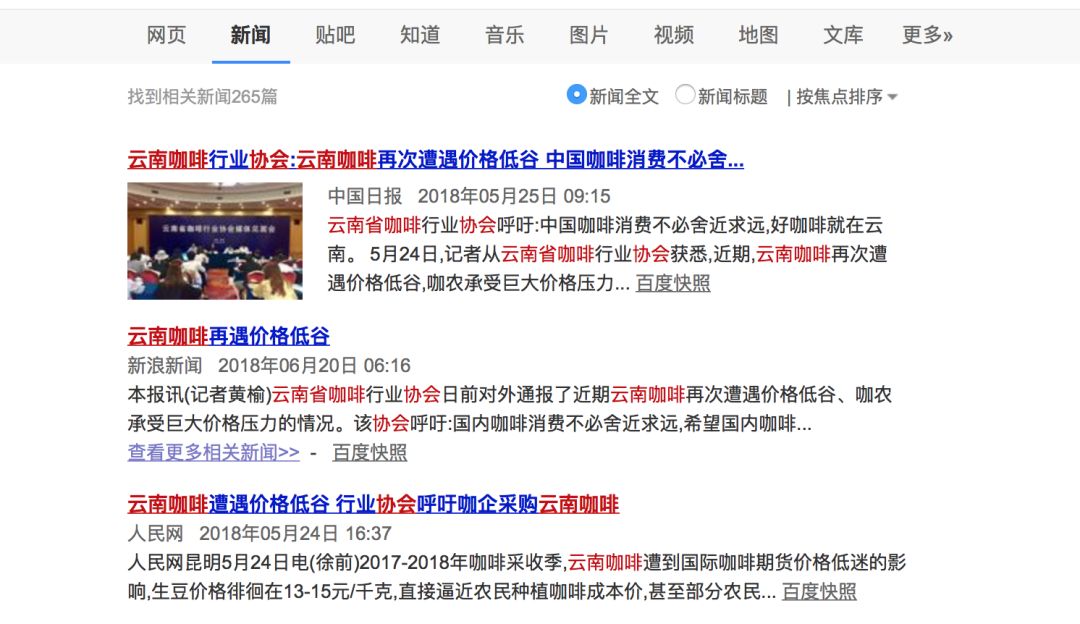
During these days in Yunnan, I caught up with several farmers I know, and every one of them brought up recent coffee prices. Things are just as the Yunnan Coffee Industry Association said at its May 25 press conference: Yunnan coffee is once again sliding into a price downturn.
On March 18, I published a Q&A piece, "Why I Question Q-Graders," and it stirred up controversy. Plenty of Q-Graders will tell you Yunnan specialty coffee is getting better year after year, yet none could explain why prices keep falling - even as this year's Red Label auction set new price records. One fan commented: "The editor is so ambitious - come to Yunnan and grow coffee yourself." I didn't reply at the time, because we were still on the road.
FrontStreet Coffee has been roasting for about five years; we have been involved in coffee cultivation for five and a half - yes, half a year longer than we've been roasting. FrontStreet began life as "Dazhen Coffee," a name chosen because we originally intended to grow coffee in a Guangdong village called Dazhen. After we raised Catimor seedlings to 20 cm, half a year passed before we finally understood the proper relationship and order of three elements: variety, altitude, and processing. Choose the right variety, plant it at a suitable altitude, and once it matures, experiment with the processing methods that best express its flavors - that, I believe, is the only logical chain for specialty coffee to develop a true sense of place. It is also exactly the work Yunnan's agriculture department has been leading lately: building a flavor map of Yunnan specialty coffee, defining what its regional flavors should be.
So we abandoned the Guangdong plan. Our original roasting shop had opened on Bao'an Front Street, and we renamed "Dazhen Coffee" to "FrontStreet Coffee." From Front Street, we kept roasting while pushing forward on cultivation - visiting institutions with deep expertise in coffee agriculture, including the Tropical Agricultural Science Research Institute that houses the Ministry of Agriculture's coffee germplasm repository, and a handful of farmers growing specialty lots. There we learned why Yunnan doesn't grow the mainstream specialty varieties like Typica and Bourbon, and by a stroke of luck we found land suitable for planting.
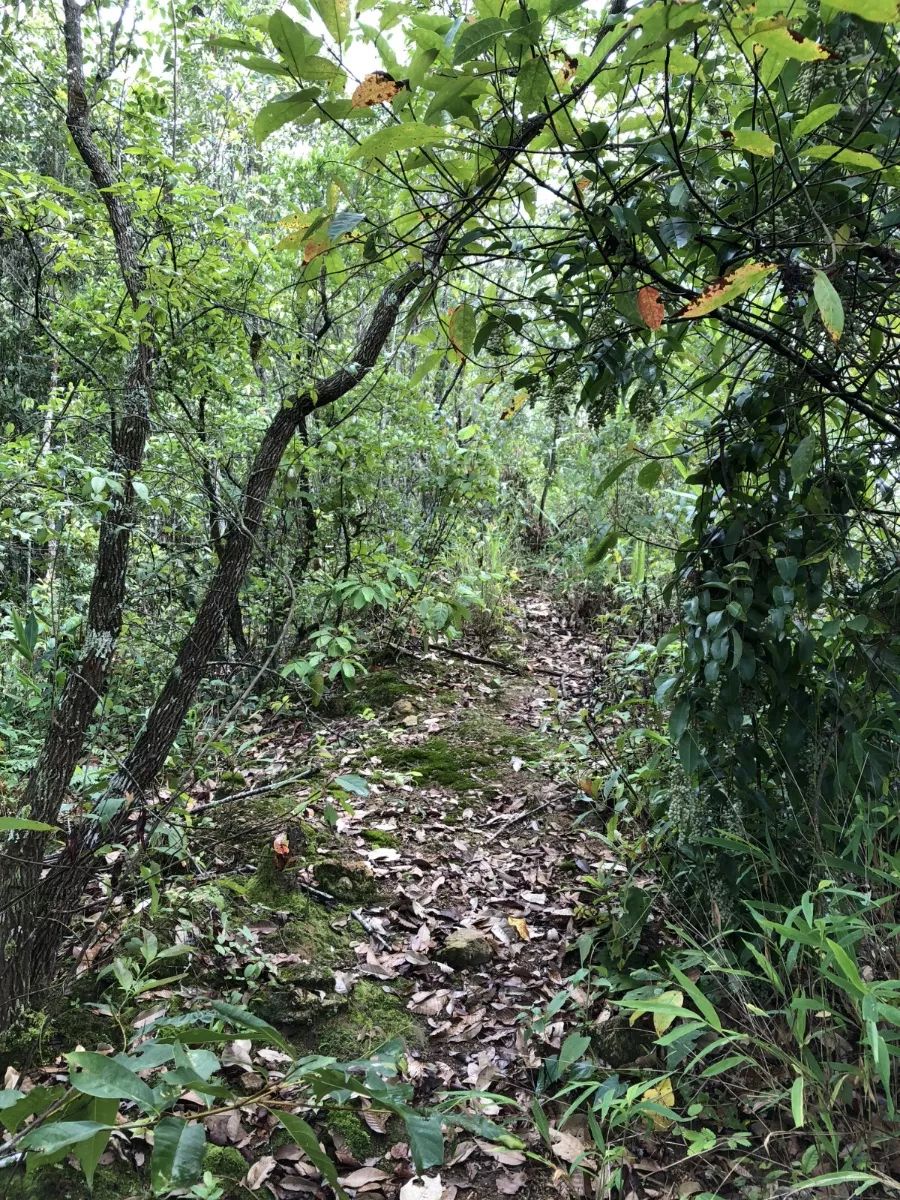
If all we wanted was a ready-made estate of our own, that would be easy enough. Yunnan farmers have long been reluctant to grow coffee because the labor cost of picking per kilogram exceeds the selling price; unless a family has spare hands, even ripe cherry goes unpicked. The shortcut would be to buy a small plot from a farmer right before harvest, then experiment with natural and honey processing - and two or three months later, you have "Yunnan specialty coffee." We don't know whether that controversial approach is right, just as a former director of the Yunnan Coffee association once wrote: "The current situation - over a million acres of Catimor in Yunnan - is the main problem we urgently need to transform. Debate is a good thing, but we can't negate all the work done so far." In that fog of uncertainty, FrontStreet Coffee deliberately chose the hardest path: selecting high altitude, cultivating Arabica varieties, and farming them properly.
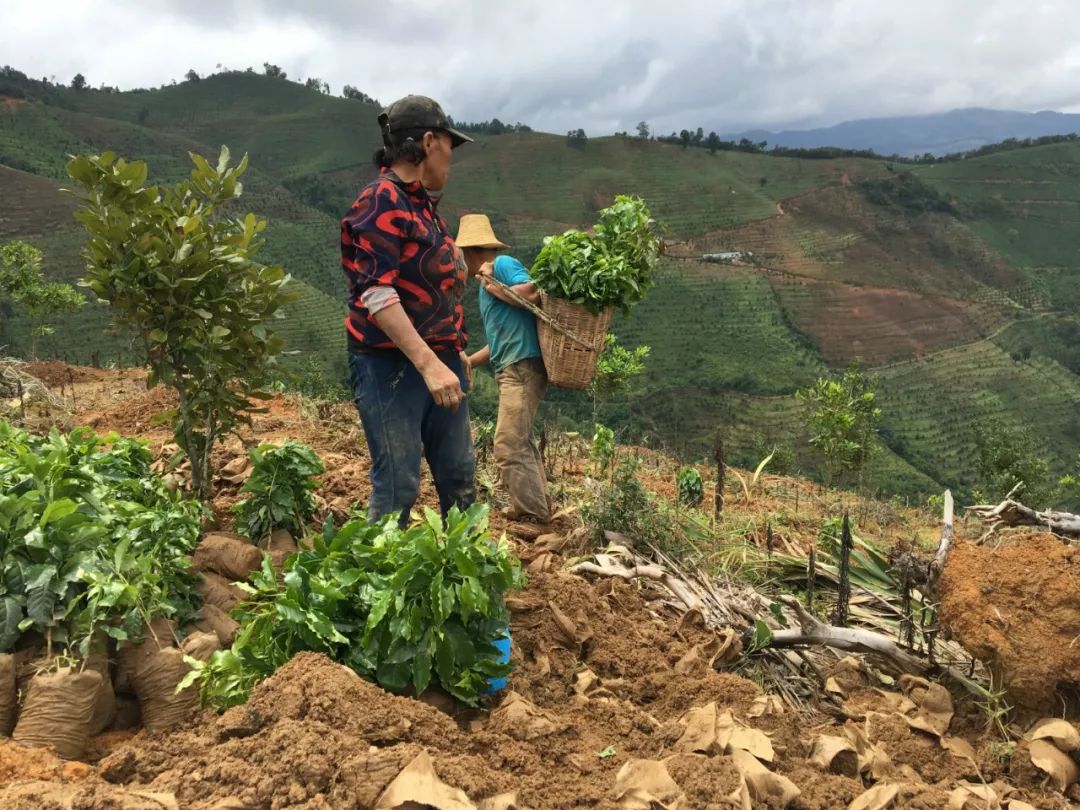
Yunnan doesn't really have four seasons - only wet and dry - and most of the coffee belt faces the same conditions. That is also the fundamental reason some regions lean on natural processing. June marks the start of the rainy season in the growing areas; the next three to four months are essentially all rain, which makes this the ideal planting window. Only seedlings planted now, with several months of rainfall behind them, can develop root systems deep enough to survive the first half-year dry season.
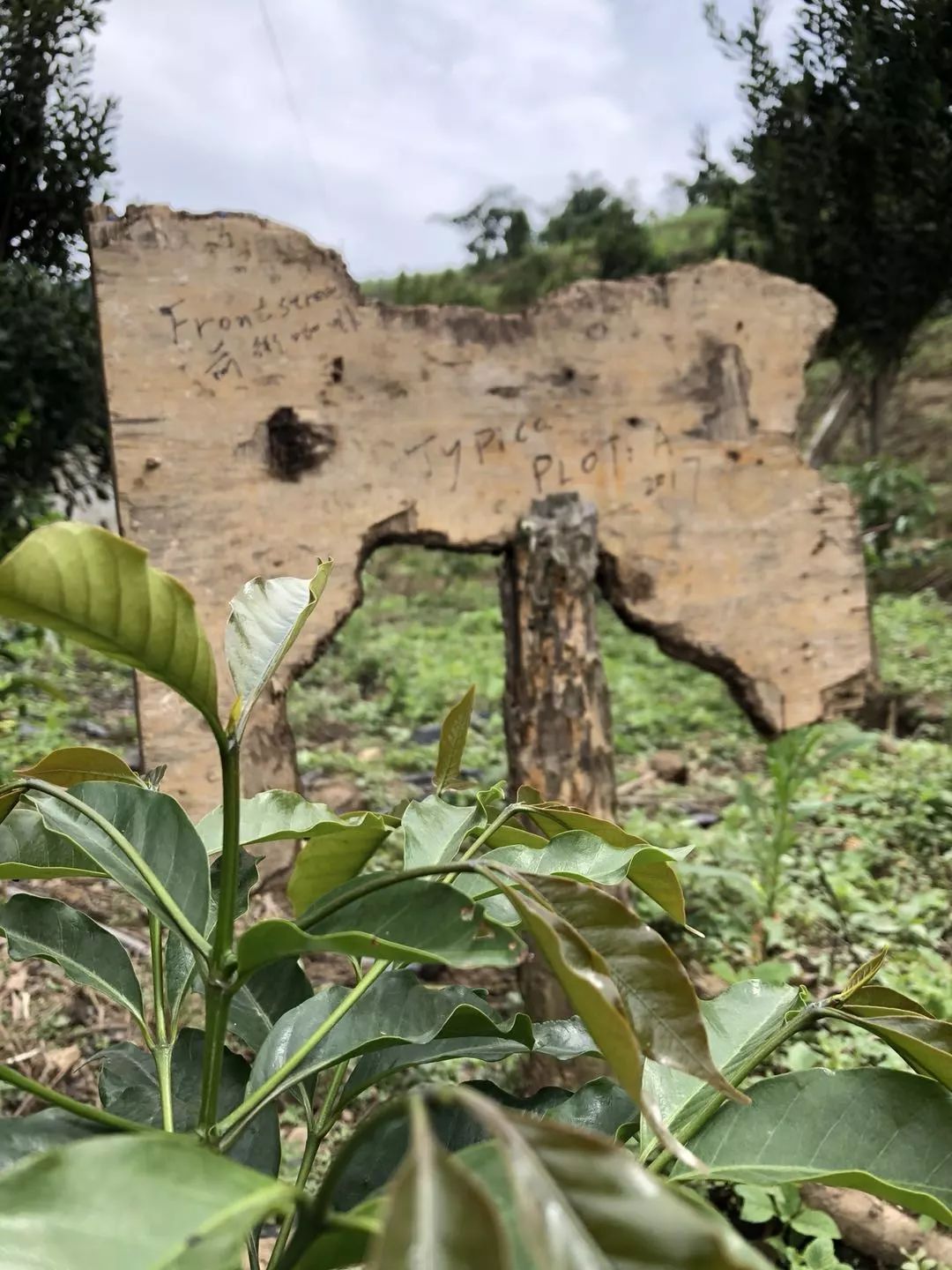
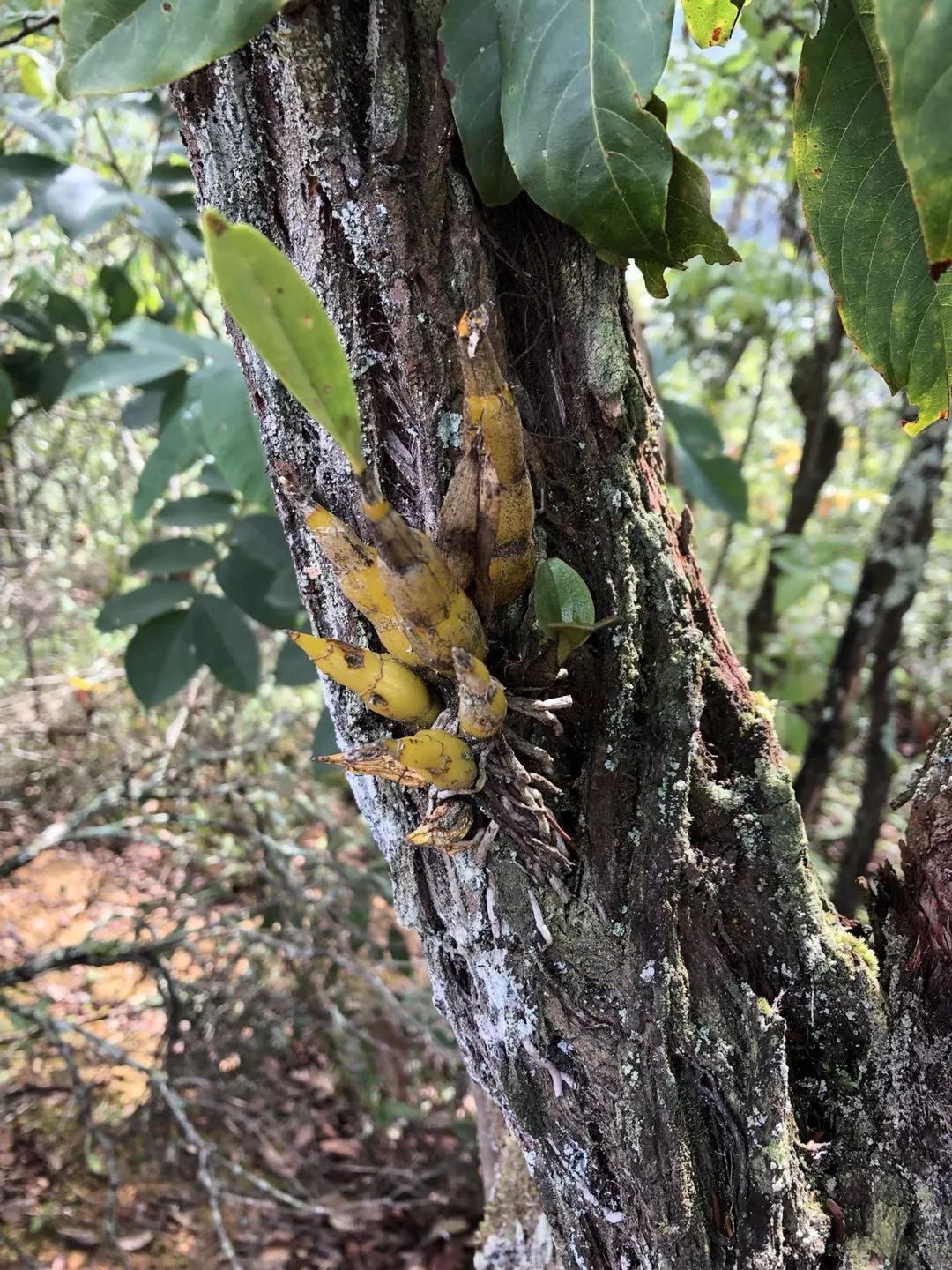
The seedlings we chose for this batch are Typica, recognizable by their copper-colored new leaves. Typica yields are very low - only a third of Catimor's - which is partly why it commands higher prices. Typica and Bourbon are also highly susceptible to coffee leaf rust, one more reason farmers shy away from Arabica varieties.
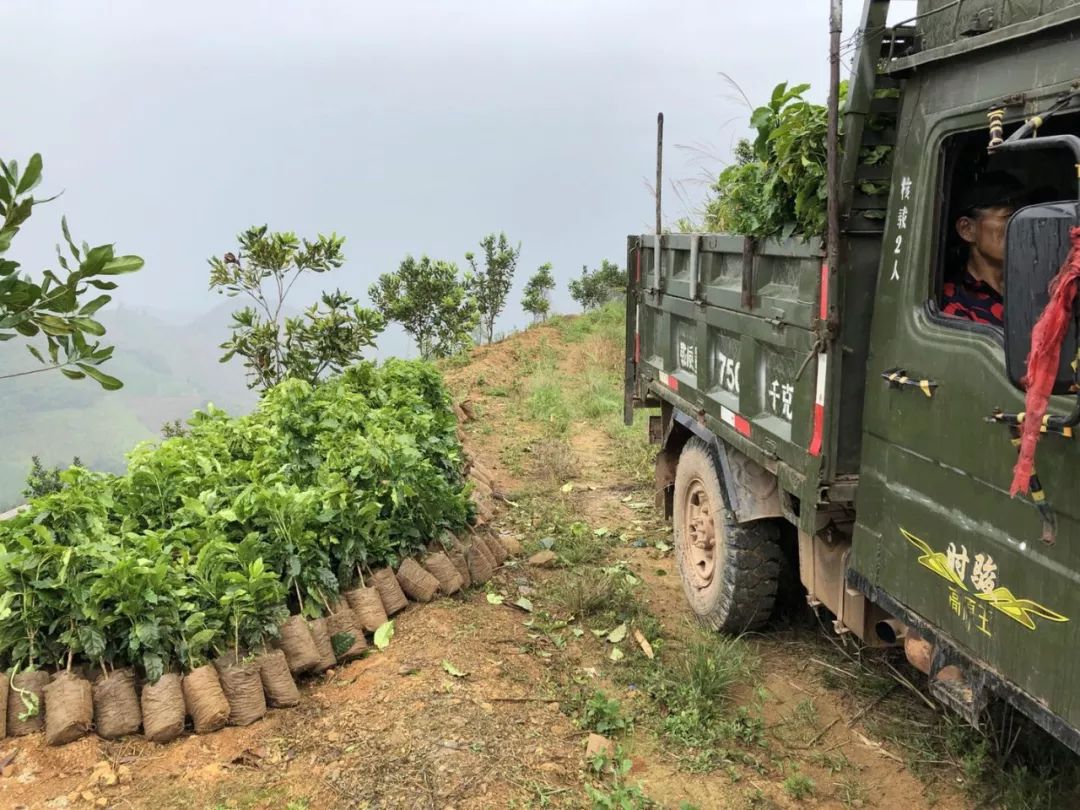
Given the time pressure, and to give this planting the best possible start, we prepared the seedlings in the nursery a full year ahead. That is normally done within a month or two after the previous harvest, and over the following year we carefully manage water and fertilizer to keep growth from running away - maximizing germination rates while keeping taproots from growing so long they would have to be cut at transplanting.
As for the coffee garden itself: beyond meeting altitude requirements, we want our coffee to grow in natural, comfortable conditions - among clouds, mixed plantings, and a living ecosystem. Because there is one more key difference between Arabica and Catimor: one fears direct sun, and the other doesn't.
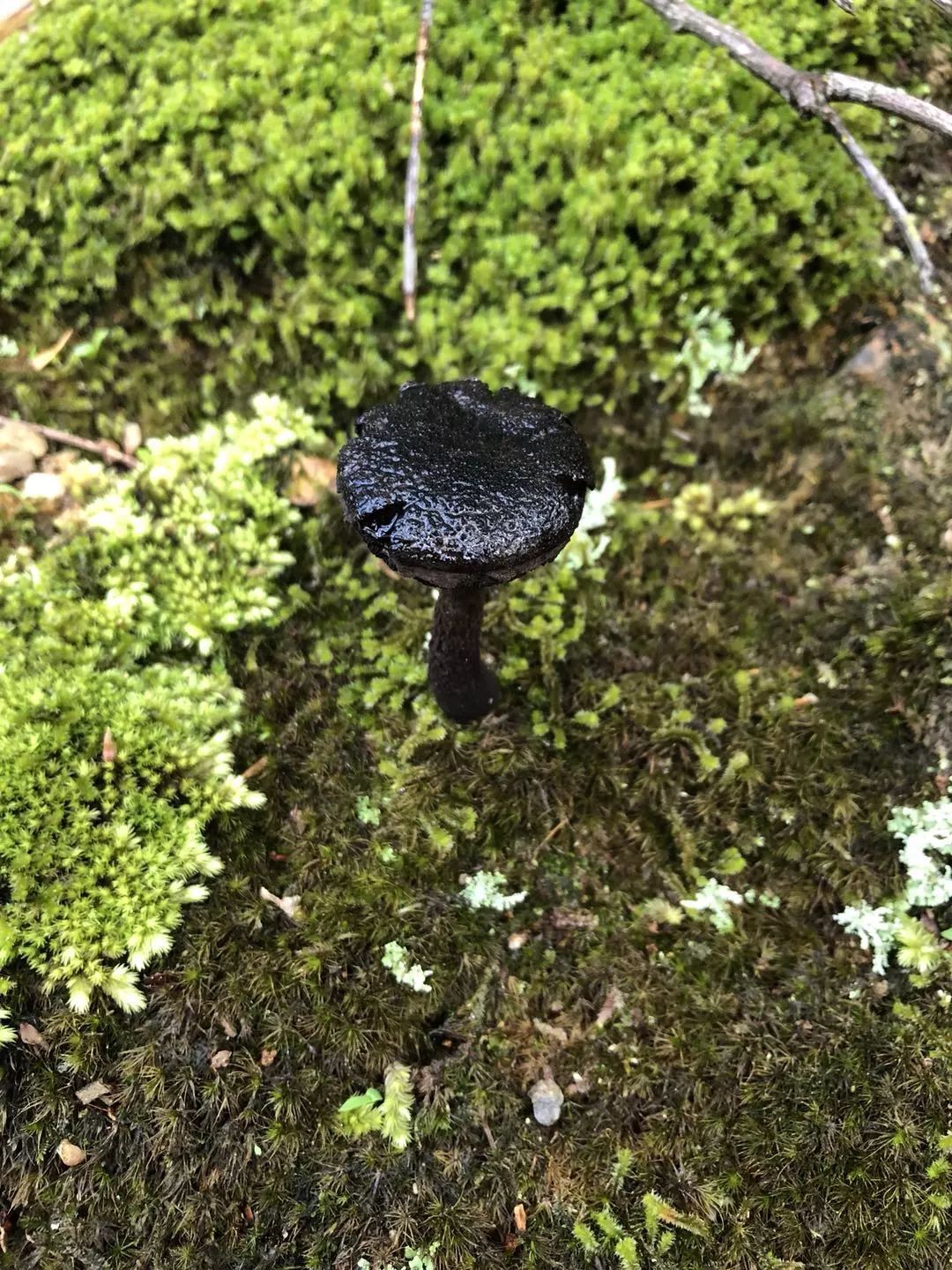
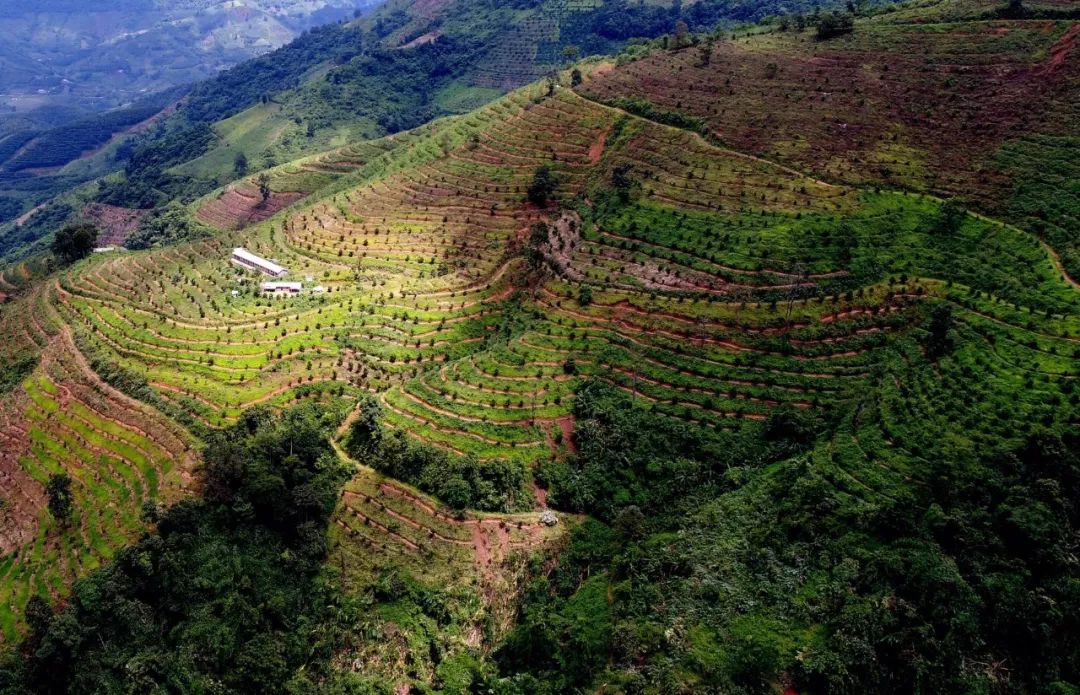
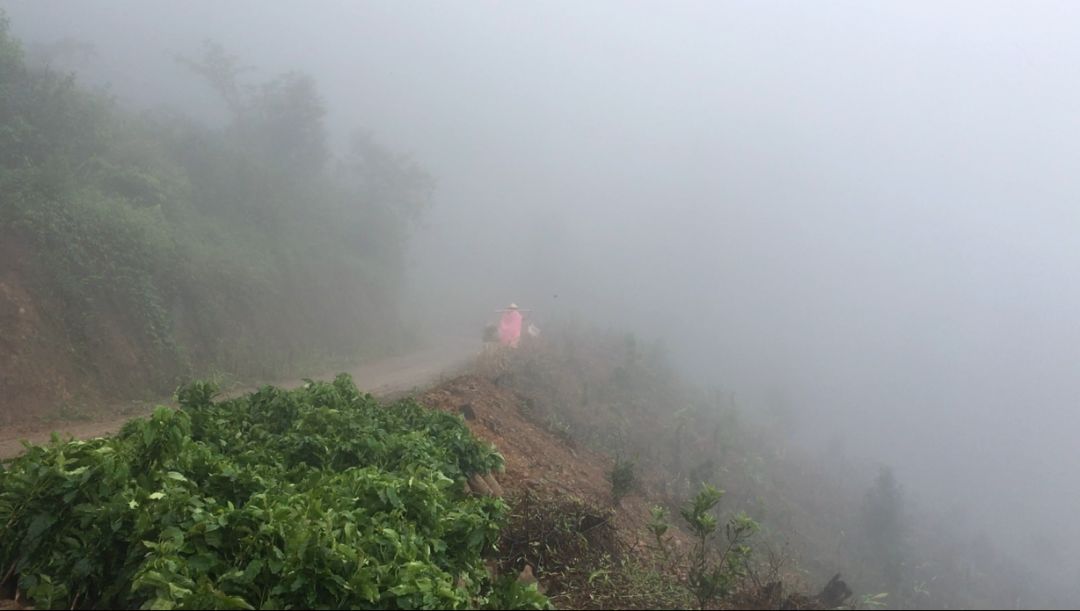
Beyond the planting season, timing matters at every scale. You only truly understand the rainy season when you visit the fields during it: sun for a few minutes, then half an hour of rain. If the plantation is big enough and you tour it without rain gear, your clothes will cycle from wet to dry and back again several times before you return.
One second it looks like this:
And the next second, this:
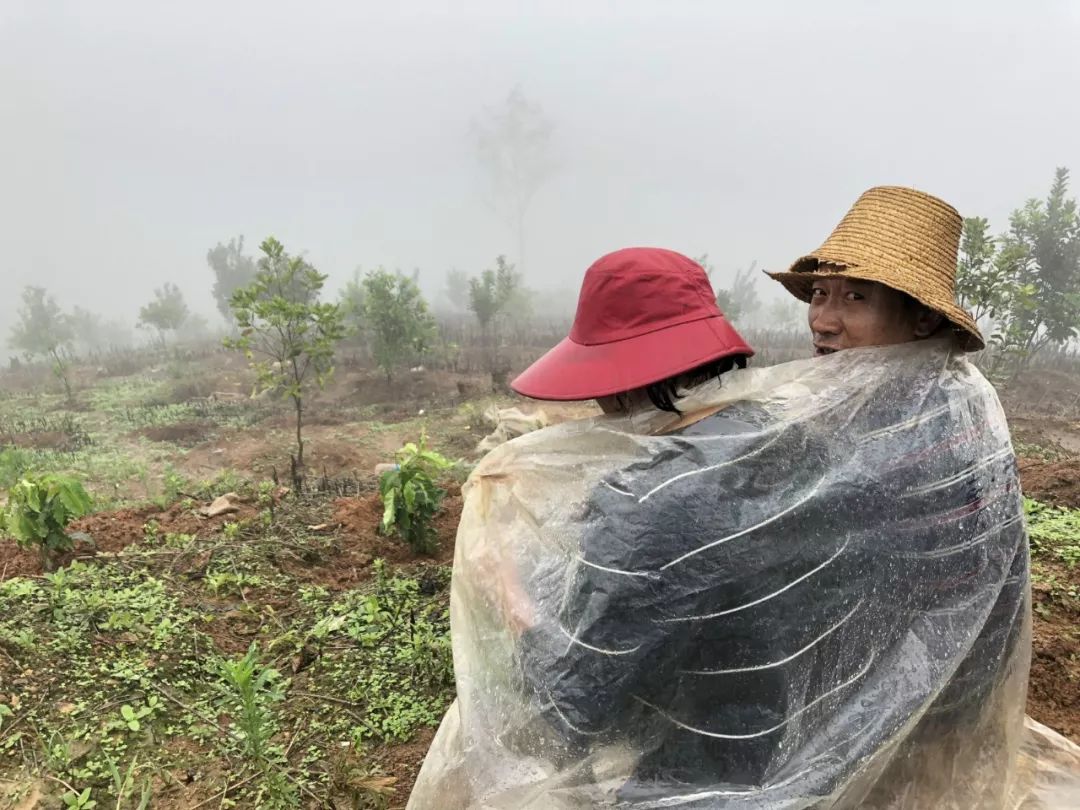
For most of the morning we are practically living in the clouds. And clouds come in many varieties - this kind:
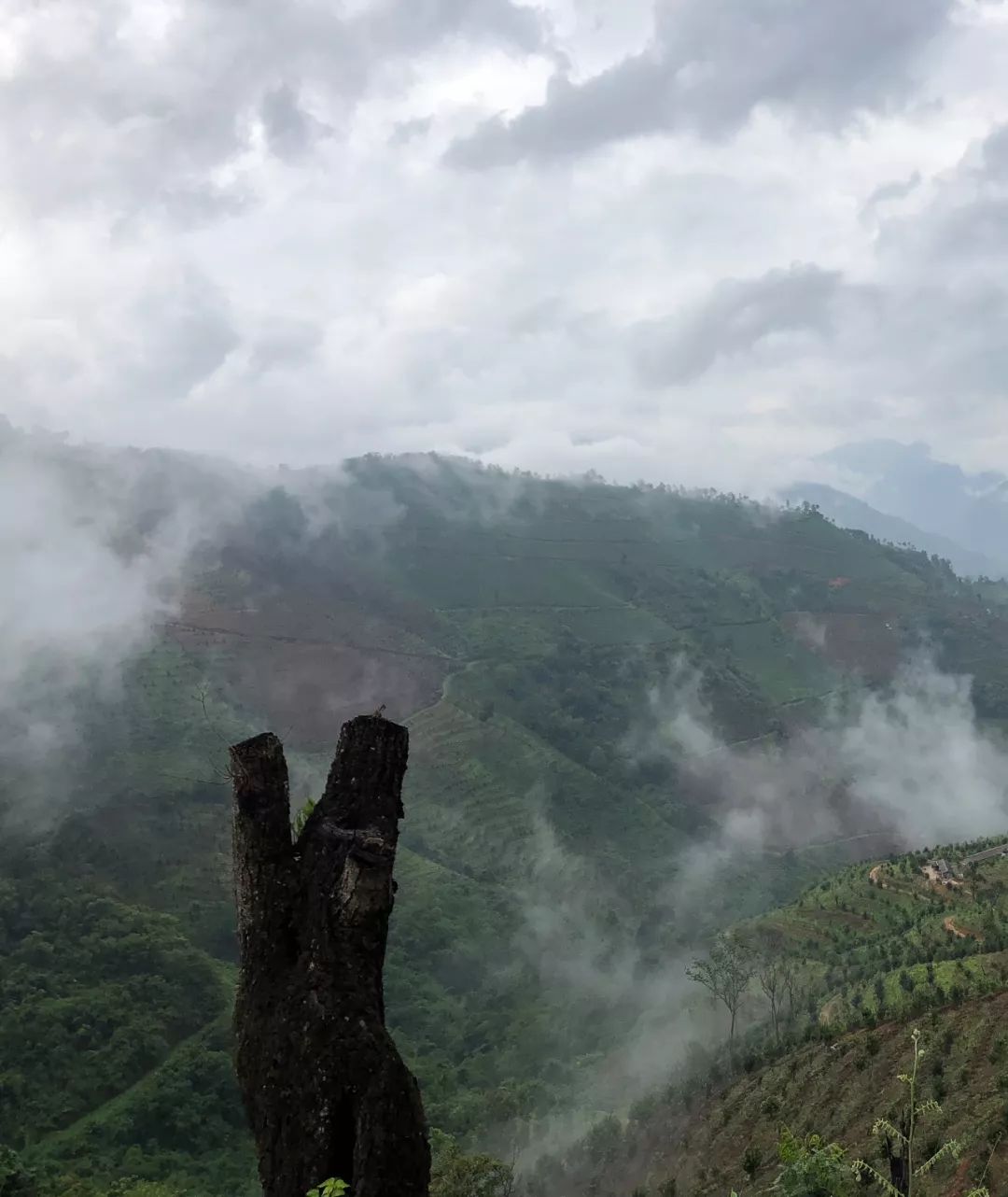
This kind:
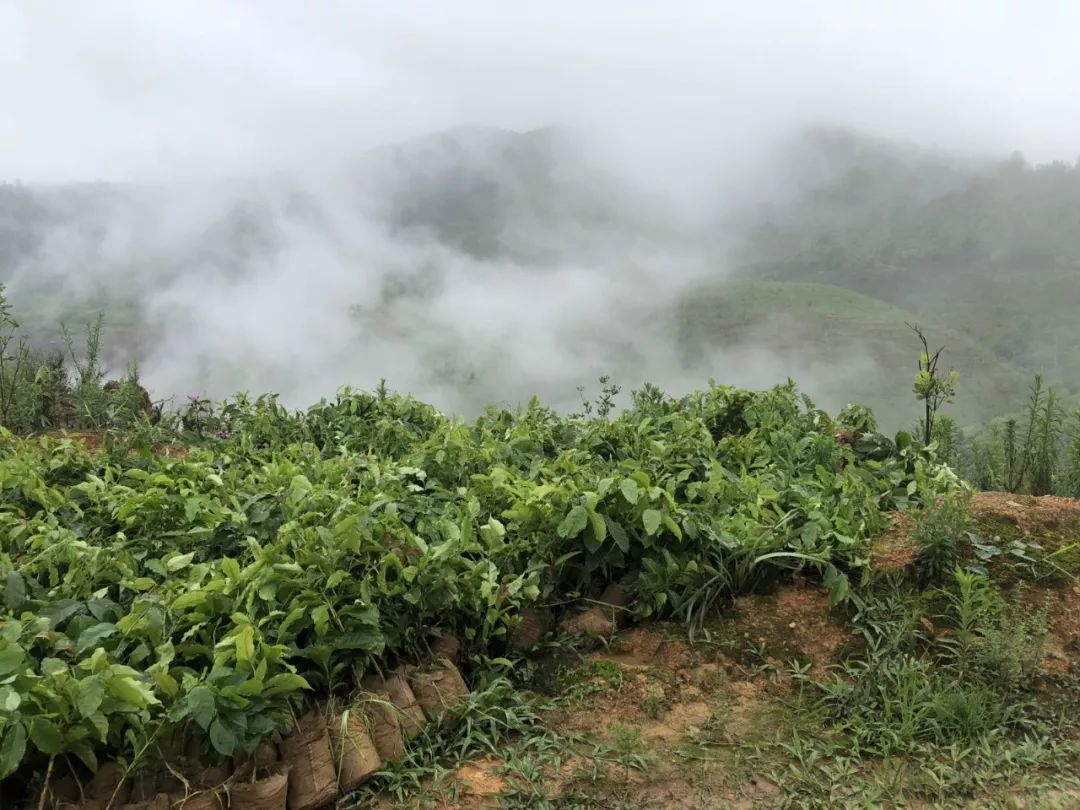
And this kind:
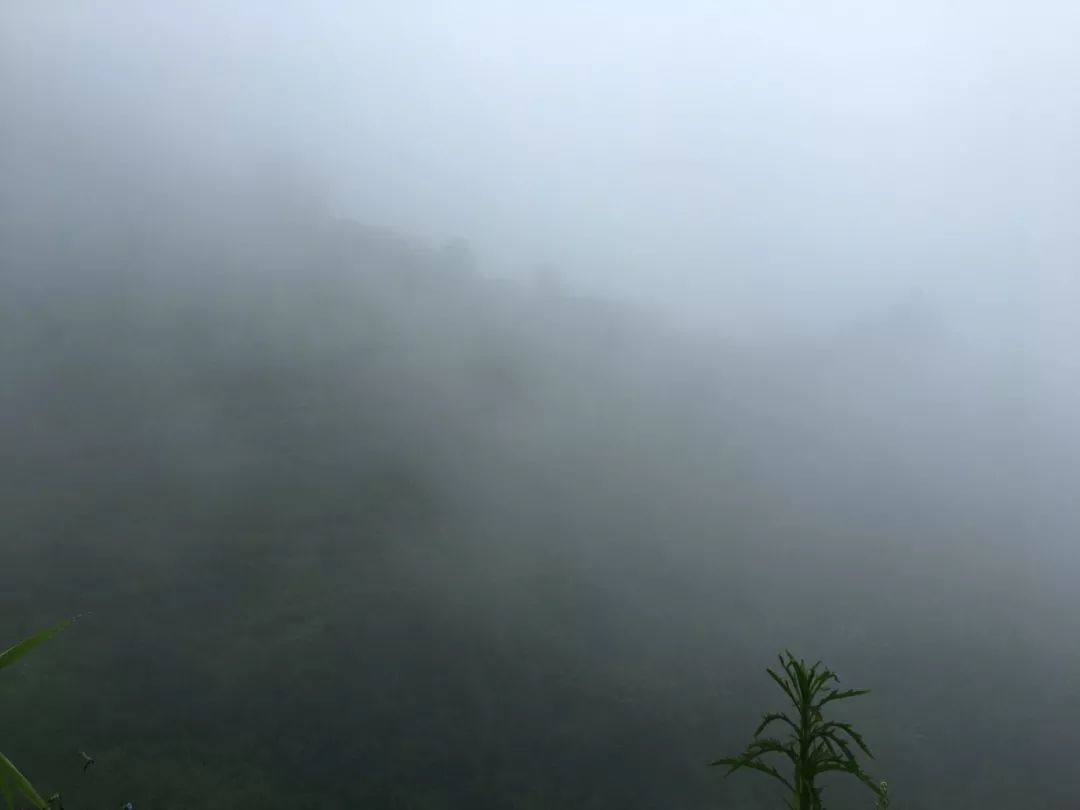
By the end of the day, we haven't actually planted many seedlings.
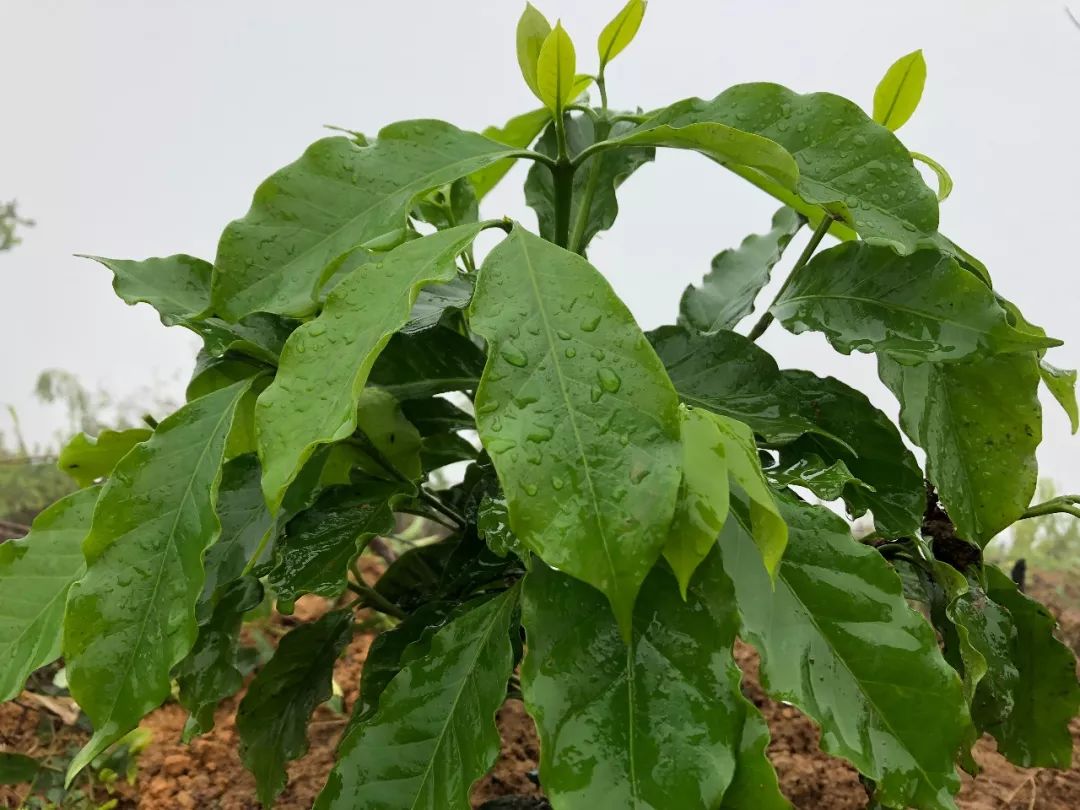
But the enthusiasm never fades, because we know that in two years these plants will bear fruit - just as the seedlings we put in the ground two years ago are flowering and fruiting now.
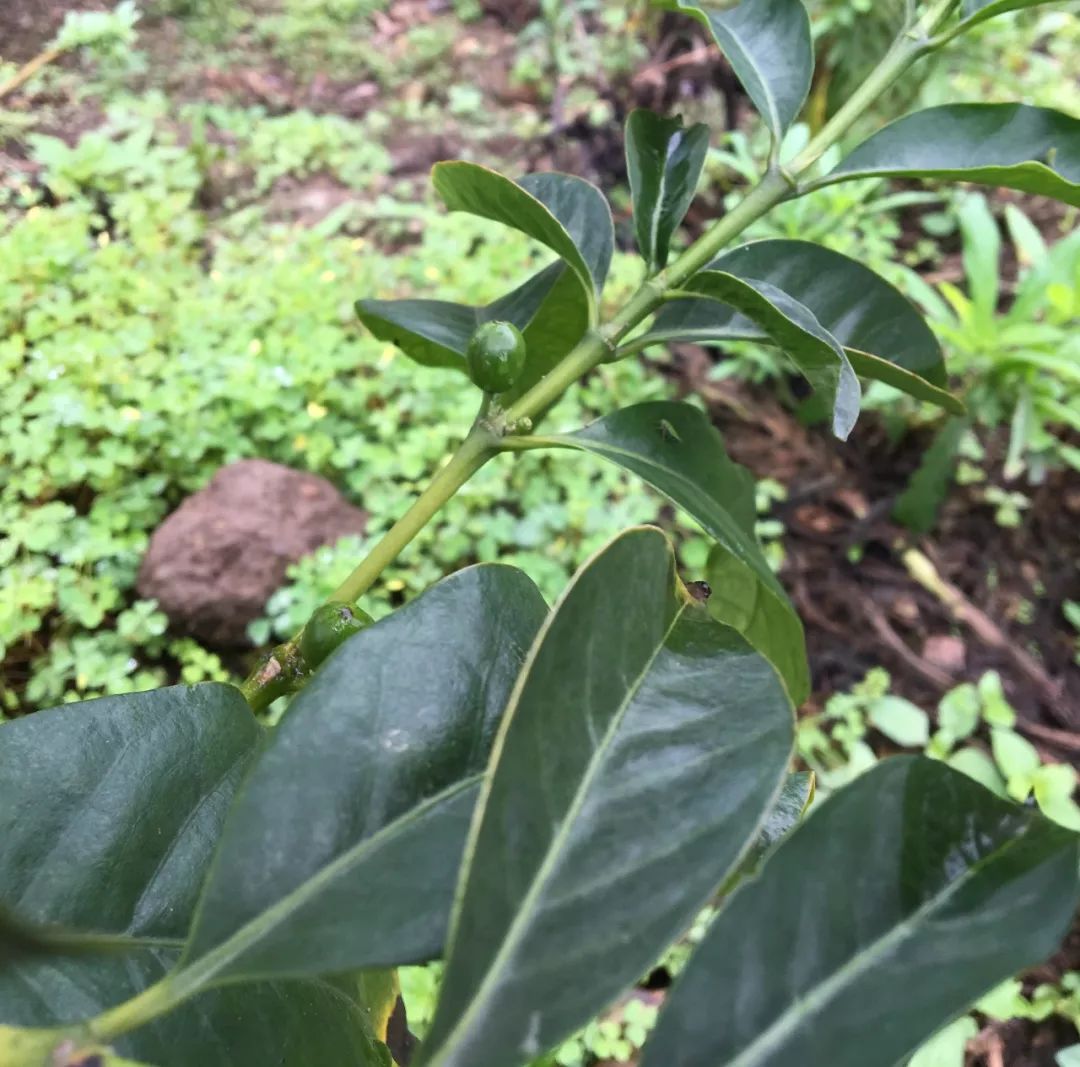
And yet this is not even the hardest part. Coffee takes three to four years after planting to bear fruit; then come the processing trials, and finally replication at scale. Fastest case, five years to a basic goal. Most importantly, multiple plots must show a similar style and base character, so that a seasoned coffee drinker can take one sip and say: "Ah - this is Yunnan specialty coffee." Perhaps this is only the beginning, out here in wind and rain. Even after these foundational five years, all we can honestly claim is that we have grown Arabica coffee with careful variety selection. Nothing guarantees great specialty coffee will follow. I firmly believe nothing worthwhile comes easy. After several more rounds of variety selection and refined processing experiments once the trees fruit, several more years will pass.
The Crossroads of Yunnan Specialty Coffee
The specialty path is not impossibly hard, but it is not easy either. Yunnan's transition from commodity to specialty coffee has actually run into a dead end: Catimor is too cheap, selling at roughly 15-20 yuan per kilogram as commercial grade - barely enough to cover picking and fertilizer - so farmers see no reason to maintain it. Typica and Bourbon yield less, get sick more easily, and cost far more to manage, demanding a longer exploration before anything unique appears - assuming it appears at all. On one side, farmers have little awareness of specialty coffee; on the other, even those who do will balk at cutting down mature trees and waiting years for new ones to produce.
Converting washed Catimor into red-cherry honey-processed Catimor might lift prices somewhat - provided the still-immature market accepts it. Yunnan coffee prices have kept falling these past few months despite all the praise for improving quality, and that says it all. According to the CQI, the body that certifies Q-Graders, 857 of the 5,842 Q-Graders worldwide are in mainland China - yet across 2017 and 2018, only two Chinese specialty coffees were actually submitted to CQI for scoring.
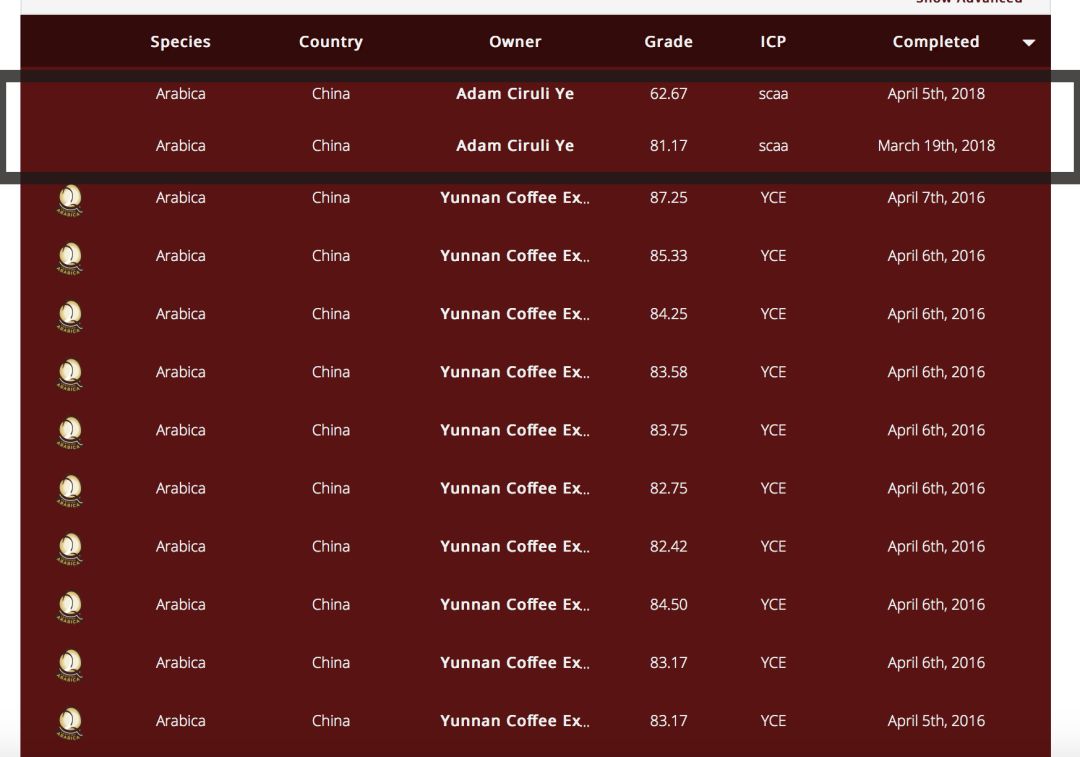
Someone always has to walk the hard road first. Trying offers hope; not trying leaves a void forever.
FrontStreet Coffee Recommendation
If this story has you curious about what FrontStreet's Yunnan adventure actually tastes like, start with FrontStreet Coffee's 2013 Yunnan Natural Typica - grown on the estate founded in 2013 from the very Typica trees described above. Using only fully ripe red cherries and the most traditional natural processing, roasted medium for balance, it offers dark berry tones, caramel sweetness, chocolate, a hint of dried apricot, and a black-tea finish.
For an easier first step into Chinese coffee, FrontStreet Coffee's Yunnan Arabica from Baoshan is washed and roasted medium, showing soft nut and chocolate sweetness with a touch of plum acidity at a friendly price - and if you prefer your Yunnan in espresso form, FrontStreet Coffee's Black Cocoa Blend (Yunnan arabica with Brazil Cerrado) delivers balanced nuts, brown sugar, and chocolate in both americano and latte.
Important Notice :
FrontStreet Coffee is a long-established specialty coffee roaster in Guangzhou China, selling freshly roasted beans from its own farm in Yunnan as well as dozens of carefully selected single-origin beans from around the world for both pour-over and espresso. The products deliver consistently excellent quality and great value, with shipping within 24 hours. Guangzhou's FrontStreet Coffee shop is recommended by many coffee lovers, and the beans are now available online at the Tmall 。
FrontStreet Coffee has moved to a new address:
FrontStreet Coffee Address: 315,Donghua East Road,GuangZhou
Tel:020 38364473
 Scan and follow the En Gafei WeChat official account. Please indicate that the reprint comes from "En Gafei".