Golden Mandheling Pour-Over Coffee Tutorial - SCAA Standard Brewing Method and Parameters
FrontStreet Golden Mandheling is the most full-bodied and distinctly bitter bean on our menu, and the top recommendation for guests who love rich, bitter coffee. When we serve pour-over, guests often ask about our brewing parameters — so in this article, FrontStreet Coffee explains how to brew FrontStreet Golden Mandheling to bring out that authentic Mandheling character.
What Is Mandheling Flavor?
Ever since Dutch colonists introduced coffee to Indonesia in 1699, coffee has been a primary economic crop for local farmers. Traditional natural processing, however, takes too long for beans to reach merchants in sellable time — both natural and washed methods require at least 2-3 weeks of drying. Worse, Indonesia's islands are constantly hit by wind and rain with very high humidity, so beans often mold and spoil before they finish drying.
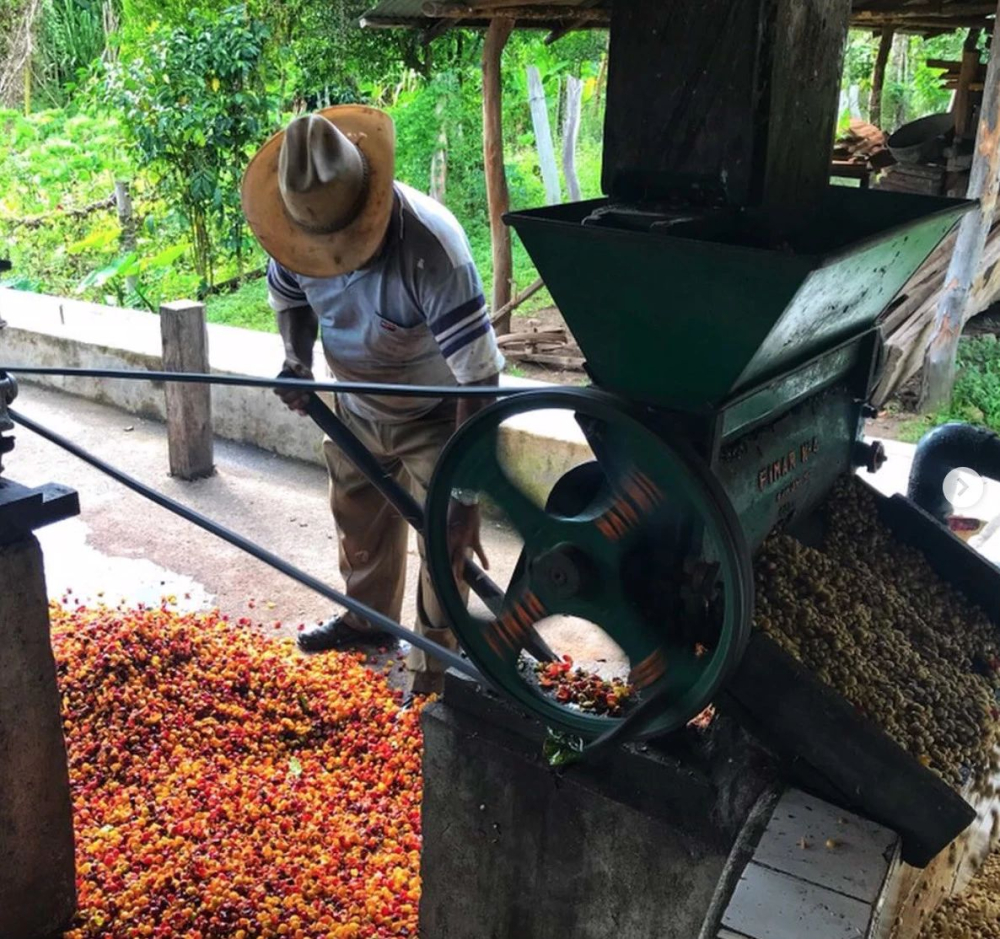
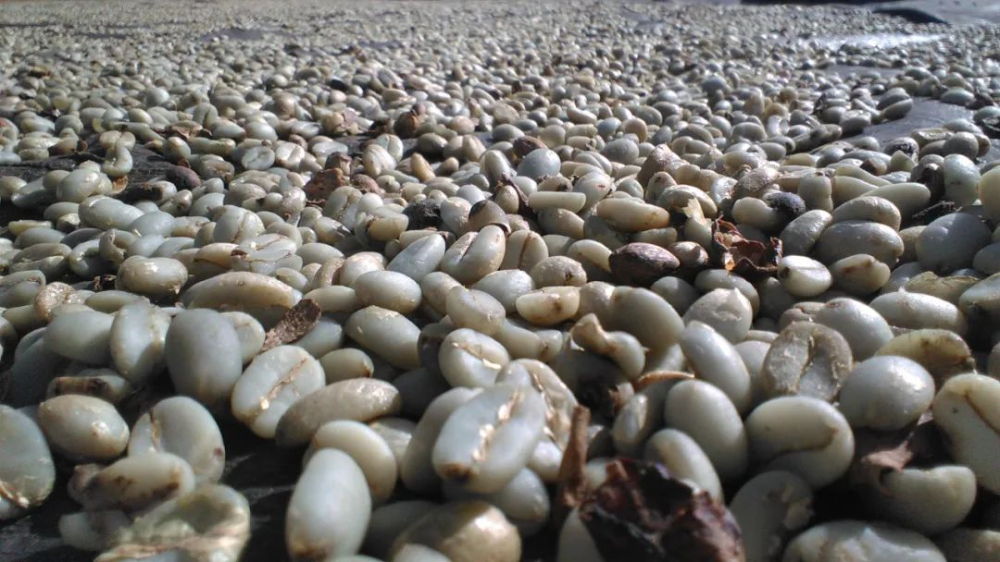
Wet hulling starts like the washed process: Indonesians remove the pulp from the cherries and ferment them in water for 3 hours. After the mucilage is washed away, the parchment coffee dries briefly for 2-3 days. Once moisture falls to 20-24% — a semi-soft, semi-hard state — the hulling machine strips the parchment, and drying continues until the coffee reaches 13% moisture, when it can be packaged.
The hulling machine's considerable friction tears the parchment from the green beans; the same agitation easily crushes or bruises the beans, particularly at the ends, forming small gaps that create "elephant beans." These "naked beans," stripped of their parchment, dry very quickly — and are exposed directly to the humid air, where all sorts of microorganisms thrive. That is what gives Indonesian coffee its unique woody, spicy, herbal aromas: what we call "Mandheling flavor."
If that Southeast Asian character intrigues you but you haven't yet tasted our Mandheling, start small: the wet-hulled FrontStreet Coffee Indonesian Lintong Mandheling daily beans present the classic flavors and are easy to try at home. If you're an experienced coffee lover chasing Mandheling's exceptional aromatics, FrontStreet Golden Mandheling is the one for you.
What Are the Characteristics of FrontStreet Golden Mandheling?
FrontStreet Golden Mandheling on our bean list is the exclusive signature product of Indonesia's PWN company. Because PWN registered the "Golden Mandheling" trademark early on, only Mandheling produced by PWN may be called "Golden Mandheling."
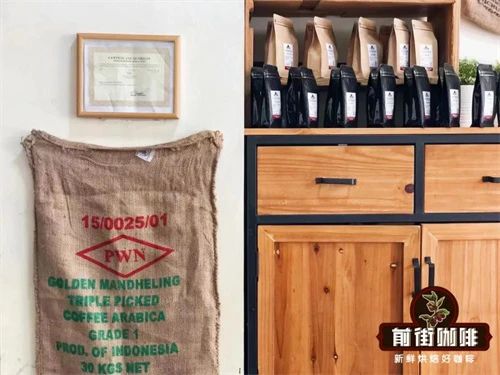
Its hallmark is the multiple screenings of the green beans, which produce very high overall quality and, in turn, excellent clarity in the cup. PWN buys Mandheling above 18 mesh, at G1 grade — fewer than 3 defective beans in a 300g sample, the highest grade of Indonesian green coffee — then strictly applies 1 machine selection plus 3 manual selections, ensuring uniform color, shape, and size across the beans.
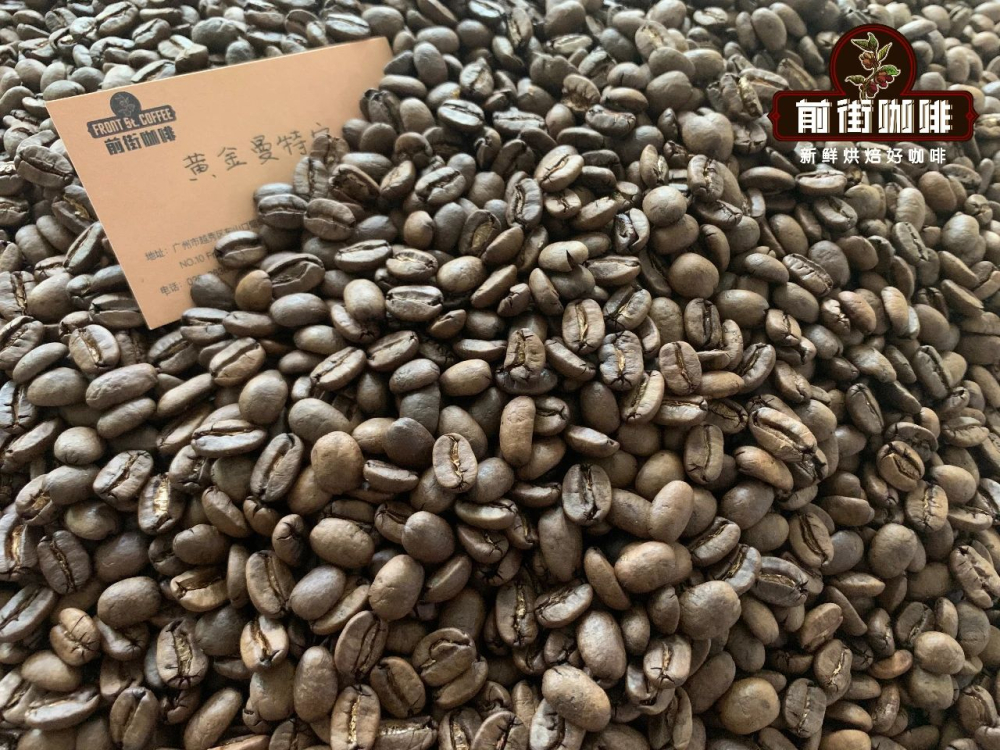
After we acquire PWN's Golden Mandheling, we roast it medium-dark to present Mandheling's classic caramelized character. The freshly roasted coffee is cupped first by our own team. In the dry aroma, FrontStreet Golden Mandheling reveals cedar, nuts, spices, and herbs; with hot water added, licorice and caramel emerge. The taste shows dark chocolate, cocoa, nuts, and spice — clean overall, with a clear sweet aftertaste and high body. With flavors that rich, pour-over is naturally our chosen way to brew it. Below, the key parameters.
Pour-Over Grind Size
Grind size is one of the key factors shaping coffee flavor. Once beans are ground and meet hot water, they release large amounts of water-soluble flavor compounds. With the same steeping time, smaller particles extract more, larger ones less. Simply put: the coarser the grind, the mellower the cup; the finer, the more intense.
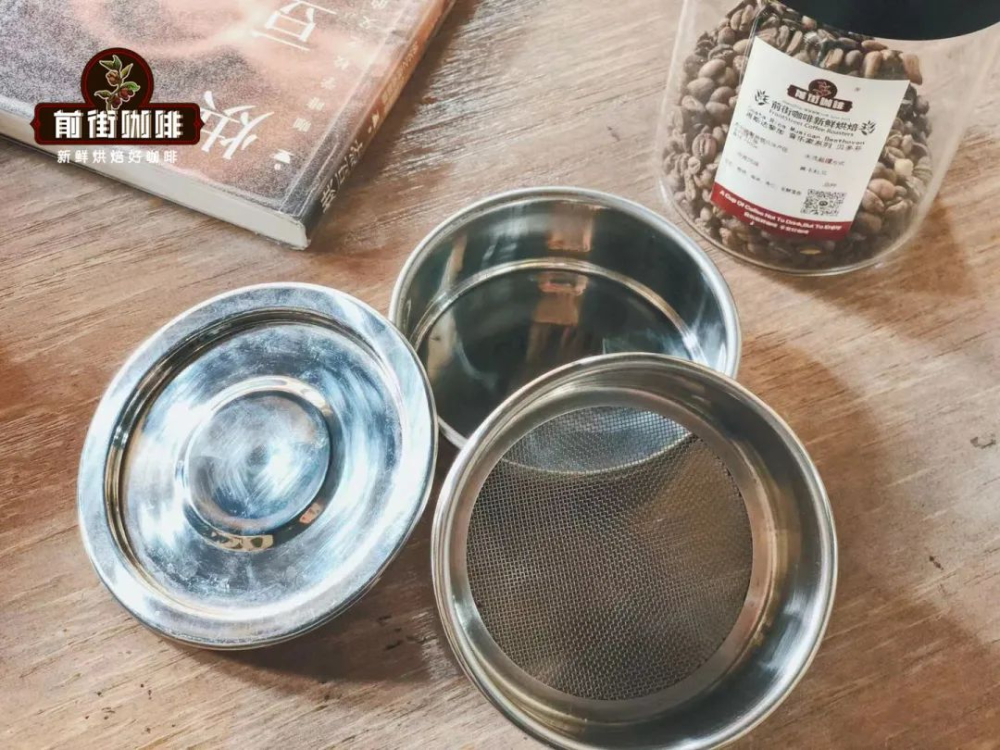
Our tool for calibrating grind is China's #20 standard sieve (0.85mm). For medium-light roasts we consistently target a 75-80% sieve pass rate; for medium-dark roasts, 70-75%. Compared with light-roasted coffee, the internal structure of medium-dark Mandheling is looser, so it absorbs water better and releases large-molecule bitter compounds more easily. To avoid over-extraction, we choose a 75% pass rate through the #20 sieve.
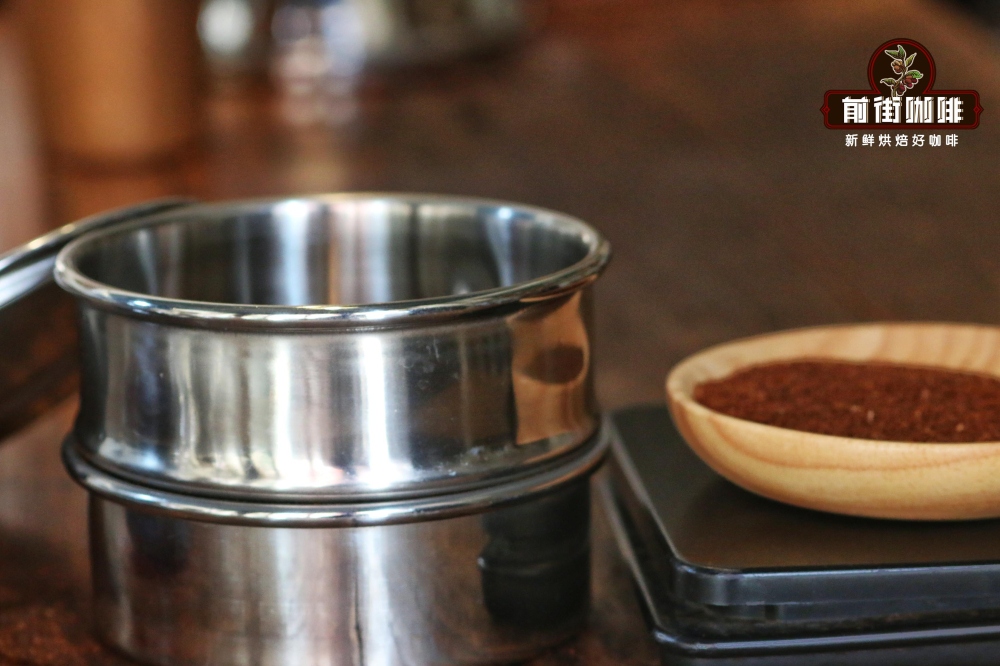
To use it: weigh 10 grams of beans, grind at the estimated setting, place the grounds in the upper sieve, and shake vigorously. Particles smaller than 0.85mm fall to the lower layer. Weigh the coffee collected below and divide by 10 grams to get the pass rate. Below target means the grind is too coarse — adjust finer; above target means too fine — adjust coarser.
Pour-Over Water Temperature
Water temperature works much like grind size: the hotter the water, the higher the extraction efficiency, the more compounds released, and the higher the concentration. Near-boiling water easily pulls out unpleasant bitter and astringent substances. So for medium-dark roasts we use different parameters than for light ones — their greater caramelization makes large-molecule bitters easier to release, so we lower the temperature slightly. Light roasts brew at 91-93°C; for medium-dark roasts, we recommend 87-88°C.

Dripper
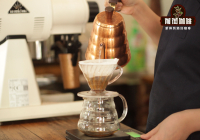
If you follow our brewing suggestions, you know we reach for the KONO dripper whenever a bean's body is the point. Look at the KONO's shape: ribs only in the middle and lower sections, with a smooth curved surface above. Wet the dripper and the filter paper fits flush against it, restricting the coffee's degassing during extraction. Hot water lingers longer in the dripper, the extraction rate rises, concentration climbs, and the flavor turns richer and fuller. The KONO also suits other full-bodied beans like our Brazil Fazenda Rainha and Jamaica Blue Mountain No. 1.
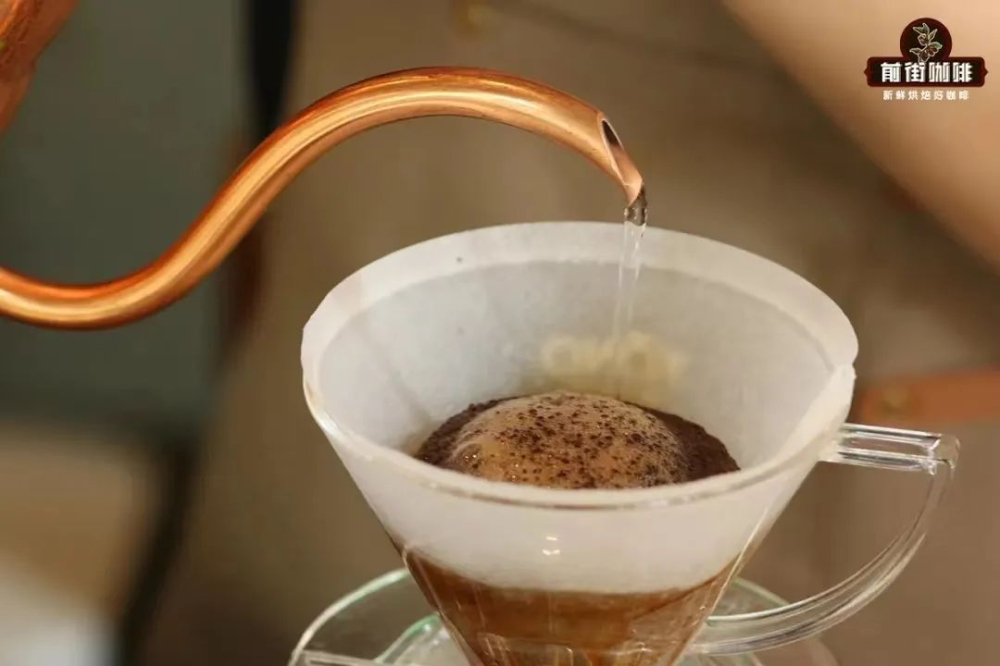
Segmented Pouring
If you're a beginner with limited control over your water flow, segmented pouring is the simplest, most forgiving method. Say your total brew time is 2 minutes: if the initial pour ran long, later pours simply speed up; if the initial pour ran fast, slow it down with a smaller stream.
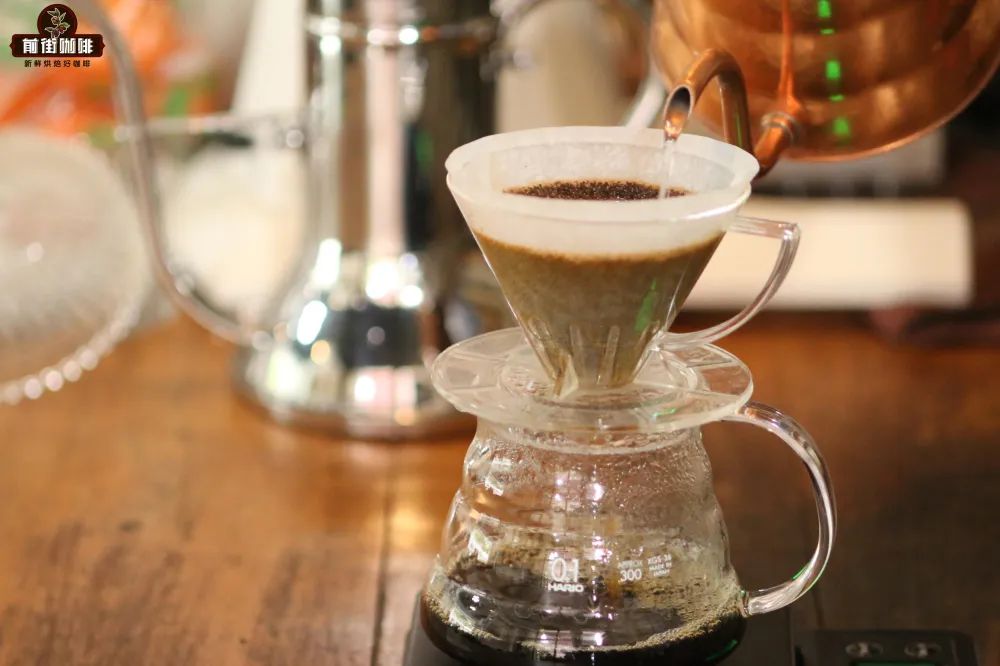
We generally use three-stage pouring at a 1:15 coffee-to-water ratio. For 1-2 servings, that's 15 grams of coffee and 225 grams of total water.
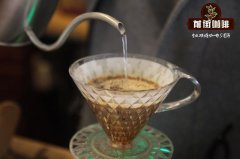
The first stage gently pours 30 grams to bloom, for 30 seconds. The second pours to about 125 grams, evenly and steadily in outward circles. Then wait for the coffee liquid to drop, and at the halfway point pour the final stage up to 225 grams. Let the coffee finish draining — total extraction time is generally around 2 minutes.
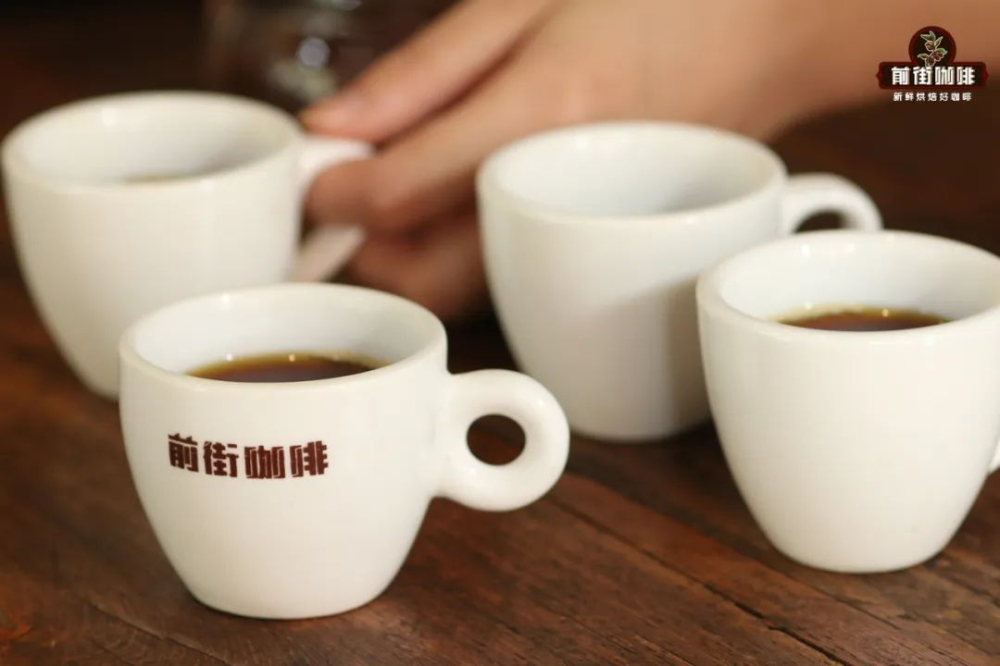
Poured this way, our PWN Golden Mandheling shows a solid mouthfeel with more intense aromas of fir, spice, dark chocolate, and roasted hazelnut — a clean aftertaste, a full and substantial flavor, and the sweetness of caramel with a lingering finish.
FrontStreet Coffee Recommendation
More on Mandheling from our house notes:
FrontStreet Coffee PWN Golden Mandheling
Among all Mandheling beans, Golden Mandheling is the one that satisfies the most demanding coffee lovers. Ours comes from Indonesia's PWN company, whose famously strict standards define the product: beans selected at screen size 18 and above, fewer than 3 defective beans per 300-gram sample of green coffee to meet the top G1 grade, and three rounds of hand sorting on top of machine sorting to remove every remaining defect — lifting both the cup's cleanliness and its sweetness. Those standards also explain the limited supply: most Golden Mandheling ships to the Japanese and American markets, and only a small amount of the genuine article reaches other markets each year. On our product pages you can see the Golden Mandheling certificates and the PWN-stamped bags — that's what separates our PWN Golden Mandheling from impostors.
FrontStreet Coffee Lintong Mandheling
Traditional Mandheling country lies around Lake Toba in North Sumatra's Lintong region, where diverse plant life, suitable altitudes, wet-hulled processing, and local microbial fermentation create the signature profile: intense aroma, heavy body, powerful flavor. Lintong Mandheling is fragrant and full, sweetly bitter, bold on entry with clove and woody aromatics; roasted medium-dark it stays low in acidity, with spice and mint notes and a strong, lasting, thick sweetness. It also pulls rich crema as espresso — intense, with prominent caramel fragrance.
Why Wet-Hulled Coffee Tastes the Way It Does
Indonesia is unlike most coffee origins: humidity runs 70–90% all year, typhoons are frequent, and annual rainfall can top 2,000mm. Sun-drying for the two to three weeks African naturals need is impossible, and fully washed processing costs more time, labor, and water than smallholders can afford. Hence Sumatra's homegrown answer — wet-hulling. The cherry is depulped and rinsed, and while the beans are still half-dry, machines strip the parchment away, exposing the green bean to the air to speed drying. The cost: the bare beans absorb yeasts and fungi from the air, the source of Mandheling's one-of-a-kind wild flavor.
FrontStreet Coffee Classic Blend
For Mandheling flavor in your espresso machine, our most-ordered answer is the Classic Blend: Brazilian coffee's creamy, nutty character layered with medium-dark roasted Mandheling, so butter, roasted chestnut, and caramel stand out, while the Mandheling raises the body and adds sandalwood, herbal, and spice notes. A small dose of Robusta boosts the crema — latte art or a layered Dirty, both effortless.
FrontStreet Coffee's Mandheling Pour-Over Recipe
Beyond the parameters above, our house recipe for Mandheling uses 87–88°C water, 15g of coffee, a 1:15 ratio, and a coarse-sugar grind, poured in three stages: 30ml to saturate the bed and let the coffee de-gas; 100ml to lift the bed and wash the golden crema across the surface; then a gentle center pour of 95ml to raise the sweetness. The cup shows a thick, mellow body with caramel sweetness and chocolate and nut flavors.
Important Notice :
FrontStreet Coffee is a long-established specialty coffee roaster in Guangzhou China, selling freshly roasted beans from its own farm in Yunnan as well as dozens of carefully selected single-origin beans from around the world for both pour-over and espresso. The products deliver consistently excellent quality and great value, with shipping within 24 hours. Guangzhou's FrontStreet Coffee shop is recommended by many coffee lovers, and the beans are now available online at the Tmall 。
FrontStreet Coffee has moved to a new address:
FrontStreet Coffee Address: 315,Donghua East Road,GuangZhou
Tel:020 38364473
 Scan and follow the En Gafei WeChat official account. Please indicate that the reprint comes from "En Gafei".