Distinguishing Natural Yirgacheffe from Washed Yirgacheffe - How Processing Methods Affect Brewing Parameters
Today's featured coffee is Yirgacheffe. Natural-process Yirgacheffe and washed-process Yirgacheffe are the most common versions, and because their processing differs, the way you brew them differs too.
Visual Differences Between Natural and Washed Coffee Beans
Observation from the Silver Skin
The washed process typically removes the silver skin from the beans during processing, giving them a particular luster. The dry process (natural) only removes the coffee husk, leaving the silver skin completely intact.
Green Bean Differences
Washed green beans are generally blue-green in color, while natural-process green beans are yellow-green.
When we roast and heat the beans, dry-processed beans shed much more silver skin, while washed beans shed considerably less.
When you examine the center crease of roasted beans, a good amount of white silver skin remaining usually points to a washed-process coffee.
Silver Skin (Chaff)
Inside the parchment layer there is an even thinner membrane wrapping the bean. Because of its lustrous, silver-tinged color, people habitually call it the "silver skin."
This layer falls off during roasting. When you grind coffee, you may notice some silver fragments in the powder—those fragments are precisely the silver skin that failed to separate from the beans during roasting.
Roasted Beans
Washed Yirgacheffe has more silver skin, while natural Yirgacheffe has less.
Natural-processed beans carry relatively more external silver skin, which comes off more thoroughly during roasting, so relatively less remains when grinding. Washed beans have more internal silver skin, which leaves considerable residue after roasting and shows up more during grinding. Of course, this is directly related to the roast degree—the darker the roast, the cleaner the silver skin removal.
Excessive silver skin can cause astringency, but if green beans are over-processed to remove it, the flavor can be diminished.
What's more, the center crease of washed beans definitely contains silver skin, but that part does not necessarily produce obvious astringency, so do not pick out every last bit of it.
Differences in Dry Aroma
Natural Process Yirgacheffe: light fermented wine aroma, spicy fragrance
Washed Process Yirgacheffe: jasmine floral aroma, lemon or lime acidic fragrance
Brewing Parameters Reference
Referencing FrontStreet Coffee's pour-over parameters, the water temperature and grind size differ slightly between the two:
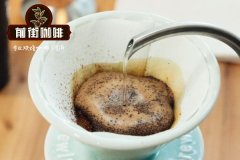
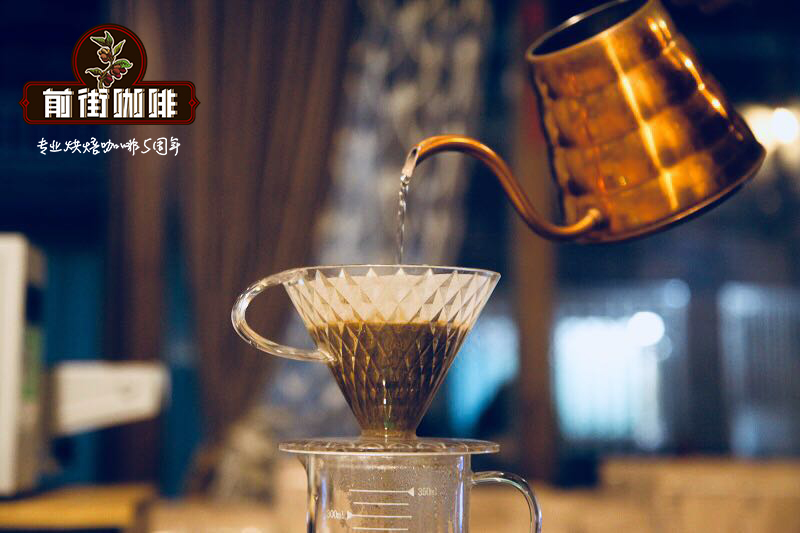
Natural Process Yirgacheffe Red Cherry: recommended to use 15g of coffee with 89°C water, Fuji grinder setting 4, a V60 dripper, and a 1:15 coffee-to-water ratio. First pour 30g of water and bloom for 30s. Second pour to 104g of water, then pause. Continue pouring to a total of 225g. Don't use the final tail water. Extraction time around 2:02.
Washed Process Yirgacheffe Kochere: recommended to use 15g of coffee with 92°C water, Fuji grinder setting 3.5, a V60 dripper, and a 1:14 coffee-to-water ratio. First pour 30g of water and bloom for 30s. Second pour to 110g of water, then pause. Continue pouring to a total of 215g. Don't use the final tail water. Extraction time around 2:05.
FrontStreet Coffee Recommendation
Whether your beans are washed or natural, a good Yirgacheffe starts with a good lot, and FrontStreet Coffee's range covers both sides of that divide. The FrontStreet washed Yirgacheffe is the everyday staple: white jasmine, bright citrus and lemon acidity, and a tea-like body, at a price that makes it many drinkers' first specialty coffee.
Yirgacheffe itself is a town in southern Ethiopia, within the Sidamo province, at roughly 1,700-2,100 meters, with coffee planted above 1,800 meters—among the highest coffee regions in the world. Its highly recognizable white florals and lemon-citrus acidity made it a byword for Ethiopian specialty coffee, and in 2010 its fame grew so large that the Ethiopia Commodity Exchange formally separated it from the Sidamo region.
For a single-village coffee, the FrontStreet Gedingding Cooperative is a strong choice. Based in the Woka area at the southeastern end of Yirgacheffe and once part of the Woka cooperative under the YCFCU, it became an independent cooperative in 2012 as buyers pursued traceability. It keeps to a traditional washed process and delivers clean, bright citrus and lemon acidity with jasmine fragrance and no harsh bitterness. And if you want the natural side, the FrontStreet natural Red Cherry uses fully ripe cherries dried whole in the sun, turned every 2-3 hours in the first days and dried over three to five weeks, for citrus-like acidity, juicy berry, honeyed sweetness, and a creamy texture.
Important Notice :
FrontStreet Coffee is a long-established specialty coffee roaster in Guangzhou China, selling freshly roasted beans from its own farm in Yunnan as well as dozens of carefully selected single-origin beans from around the world for both pour-over and espresso. The products deliver consistently excellent quality and great value, with shipping within 24 hours. Guangzhou's FrontStreet Coffee shop is recommended by many coffee lovers, and the beans are now available online at the Tmall 。
FrontStreet Coffee has moved to a new address:
FrontStreet Coffee Address: 315,Donghua East Road,GuangZhou
Tel:020 38364473
 Scan and follow the En Gafei WeChat official account. Please indicate that the reprint comes from "En Gafei".