Coffee Tasting | How to Distinguish Flavor Differences Between Washed and Natural Coffee Beans
Coffee Beans
Two Different Green Bean Processing Methods
Harvested coffee must enter processing immediately, or it will start to ferment and develop off-flavors. There are two main processing methods, "natural" and "washed," and they create very different flavor profiles.
Natural processed beans have a complete, naturally mellow flavor, gentle aromas, and more body, while washed processing offers good mellow flavors, high aromatic intensity, and lively acidity.
Traditional Natural Processing
Natural processing is the oldest post-harvest method for green coffee.
Natural processing typically adds fruit-like flavors to coffee. These usually read as blueberry, strawberry, or tropical fruit. It can, however, also produce negative flavors such as barnyard earthiness, over-fermentation, and fecal notes.
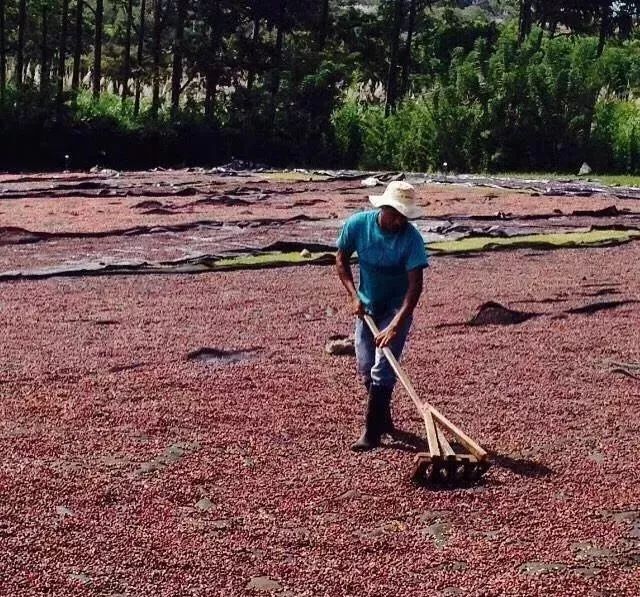
Natural processing is quite labor-intensive. Hand-harvested, high-sugar cherries are first placed on African raised beds to dry in the sun for about 10 days, then moved into greenhouses covered with plastic sheeting to capture more direct heat, continuing to dry until moisture content reaches 11.5%.
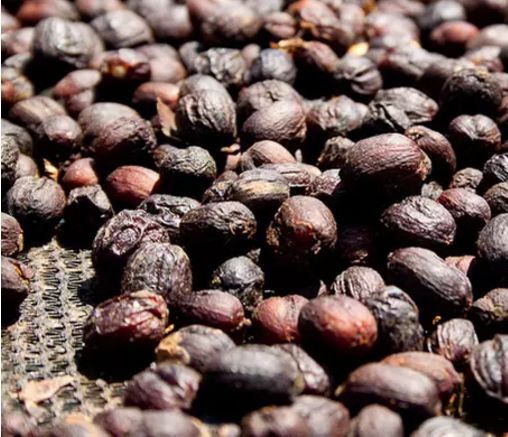
This slow drying lets the green beans develop more natural sweetness from within, but it also demands careful attention and precise calculation of turning frequency. When the bright red cherries finally turn black and give off aromas of fruit cake, caramel, and even sherry, the process is complete.
Refined Natural Processing
In recent years, as the coffee market has pursued more extreme flavors, many experienced and capable producers have begun controlling the details of natural processing to produce higher quality beans and demonstrate what coffee flavors are capable of.
For example, instruments such as Brix meters are used to determine the optimal harvest timing. Cherries of consistent maturity taste cleaner, while higher sugar content increases the coffee's sweetness.
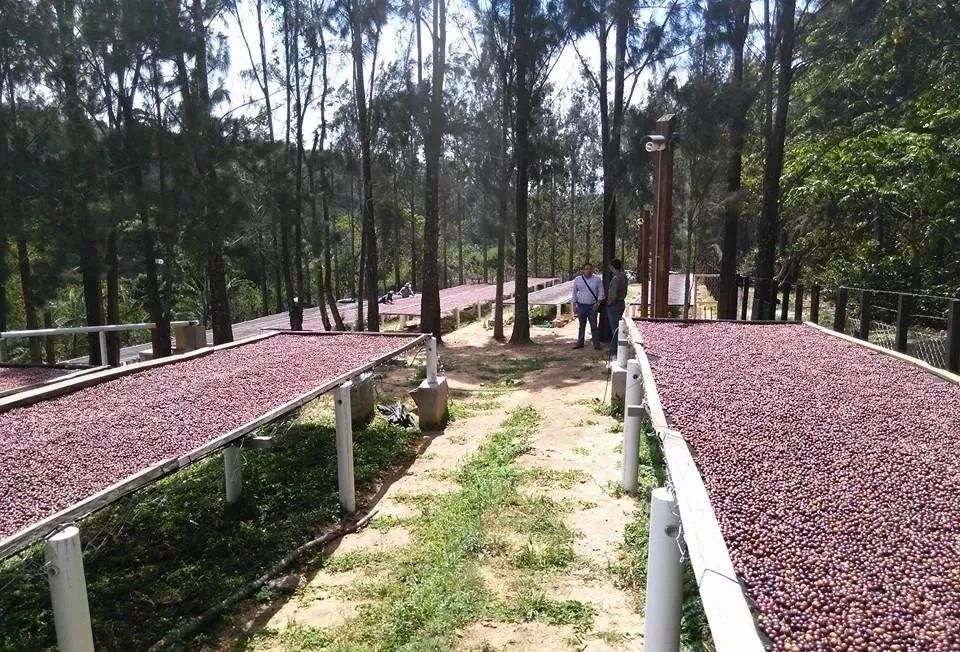
Specially designed raised drying tables give the berries more air circulation, which results in more even drying.
Fully Washed Processing
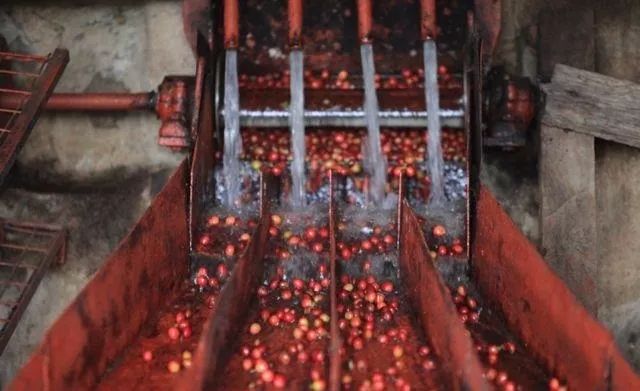
Washing and fermentation are used to remove pulp, mucilage, and parchment. Farms using washed processing must build washing tanks and have access to a steady supply of fresh water. During processing, the fermented beans are placed in tanks and moved back and forth, using friction between the beans and the power of flowing water to wash them until they are smooth and clean.
After washing, the beans are still in their parchment with a moisture content of 50%, and they must be dried down to 12%, otherwise they will continue to ferment, mold, and spoil.
The better method is sun drying, which takes 1-3 weeks but produces excellent, well-loved flavors.
By controlling drying thickness and turning frequency and by managing different shading and ventilation, the speed and degree of fermentation in natural processed coffee can be controlled, achieving consistency across batches and improving the reproducibility of special coffee flavors.
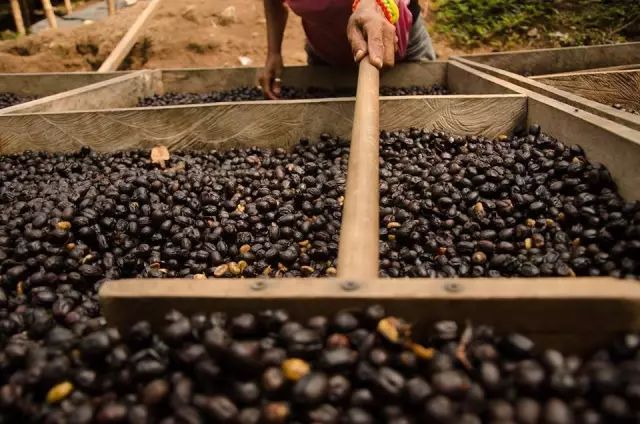
Flavor Differences
Natural Processed Coffee: Natural processing is somewhat complex, usually with light fermentation notes, and the flavor is much richer, with a full body and a long aftertaste.
Washed Processed Coffee: Washed processing produces brighter acidity and a cleaner taste.
Natural Coffee - Brazil Fazenda Rainha Yellow Bourbon Pulped Natural - 2017 Brazil COE Third Place
In 2011, the farm won the Brazil COE competition. Fazenda Rainha belongs to the renowned and respected Carvalho Dias family. The four major farms under Carvalho Dias have won awards every year since the first Brazil COE competition in 1999, with more than 12 awards over 7 years. In 2004 they even swept the championship, 9th place, 11th place, and more, surpassing many large and small farms in Brazil.
The Yellow Bourbon variety has obvious sweetness, but not a boring sweetness, with a light lemon aroma in the background that becomes more prominent in the wet aroma. The later stages show distinct dark chocolate flavors with an overall rounded feel. While carrying the general character of Brazilian coffee, it keeps a lively quality.
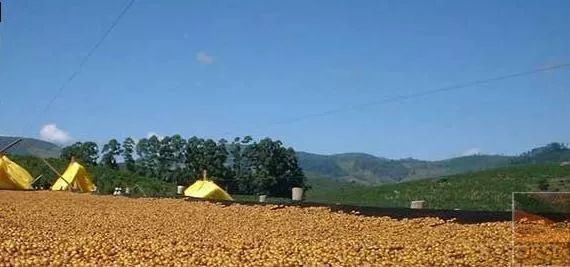
Natural Coffee - Uganda Natural SL14, SL28
The varieties grown by Ugandan farmers are SL14 and SL28. The SL varieties come from research and selection by Scott Laboratories. Uganda not only processes washed coffee but also produces micro-batch natural lots. After removing unqualified floating beans, the cherries undergo 3 weeks of natural drying, with constant turning to avoid fermentation or mold, which achieves a very clean and rich flavor.
In the 2017 Harvest Season Flavor Competition held in Uganda, the "Kasese Rwenzori Mountains Jagranji Processing Plant" took fourth place. That plant uses natural processing. The dry aroma has wine and roasted melon seed notes, the wet aroma has sweet orange juice qualities, and sipping reveals citrus, berry, and other fruit flavors with clear, bright acidity and a smooth texture, plus spice, woody notes, and a complex mouthfeel.
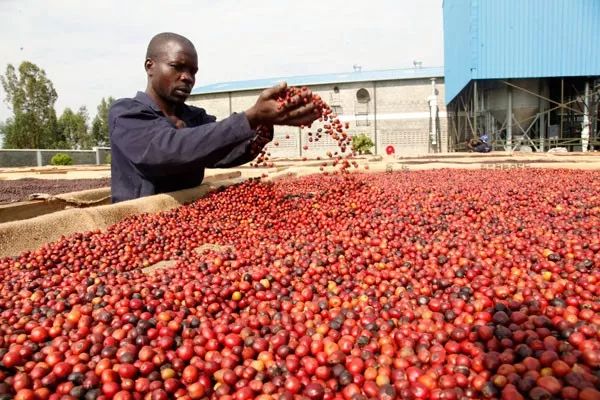
Washed Coffee - Costa Rica Tarrazu Caturra
Tarrazu in Costa Rica is one of the world's major coffee-producing regions, making coffee with light, pure flavors and pleasant aromas. High-quality Costa Rican coffee is called "Hard Bean" and grows above 1500 meters. Altitude has always been a challenge for coffee growers. The higher the altitude, the better the beans, not only because higher altitude increases the coffee's acidity and therefore its flavor, but also because lower night temperatures slow the trees' growth, which concentrates the flavors.
Locals select fully ripe cherries. This area is the most intensive fruit-growing region in Costa Rica, with farm owners mainly growing passion fruit, which makes coffee quite scarce. Only one specific area grows coffee, receiving special care, and only mature red cherries are harvested. Caturra, when lightly roasted, shows obvious acidic aromas and overall brightness, and can deliver excellent sweetness with proper processing. Compared with Bourbon, however, Caturra has a relatively lighter body. The taste shows plum, sweet orange, peach, grapefruit, and a juice-like quality, with natural sweetness, a delicate texture, and an overall perfect balance.
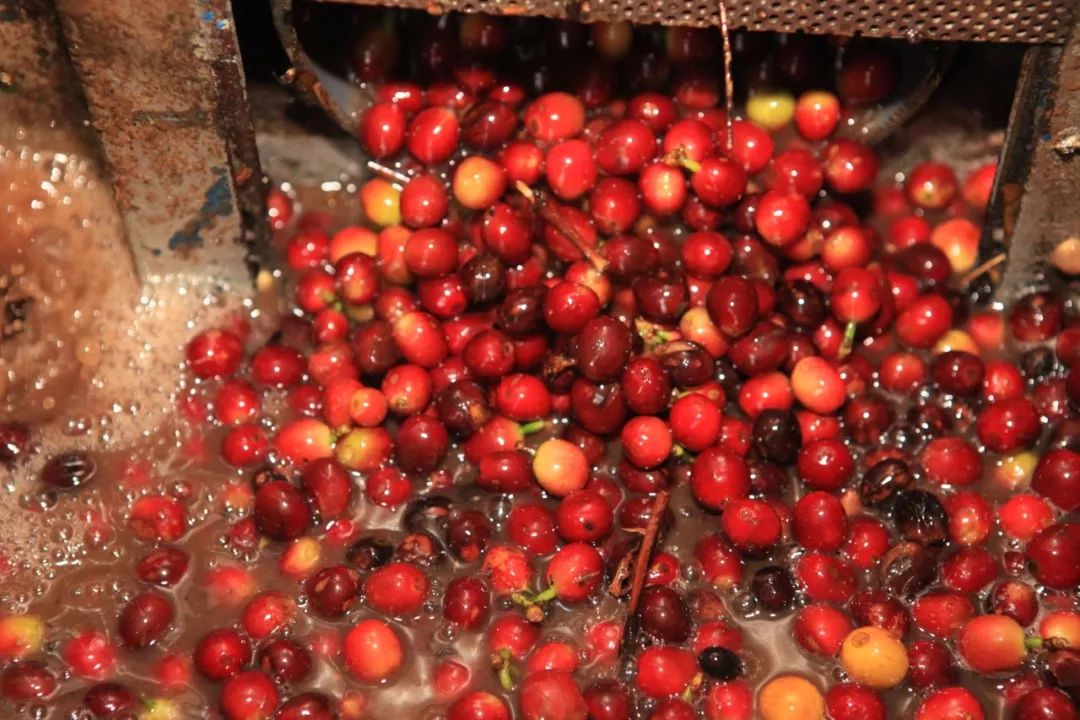
Washed Coffee - Guatemala
Guatemala's Fraijanes region surrounds the capital, Guatemala City, with high altitude, abundant rainfall, and large humidity variations. Volcanic ash from Guatemala's most active Pacaya volcano supplies important minerals to the region's soil. The green beans have grassy and spicy notes, with a distinctive smoky flavor and a strong aroma.
Washed processing was developed to address the defects of traditional natural processing. The harvested berries pass through a depulper that separates most of the pulp from the beans, after which the parchment beans go into a clean water tank and are soaked and fermented to remove the remaining pulp entirely. Through water processing, unripe and defective beans are selected out by buoyancy, and the fermentation is better controlled. So, unlike naturally processed beans with off-flavors, washed coffee shows distinct fruit acidity, slightly more complexity, and cleaner cup qualities, with none of the astringency or sharpness associated with defective lots.
Washed Coffee - Sumatra Mandheling
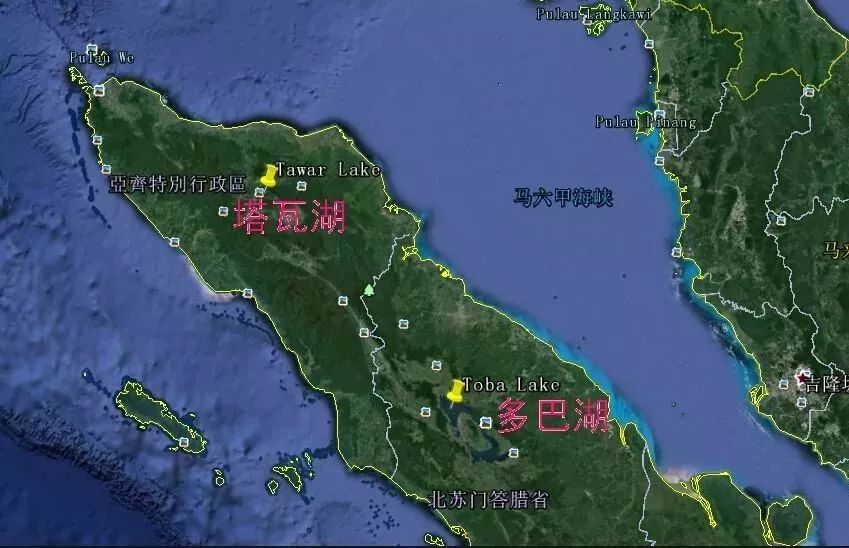
Mandheling, also known as "Sumatra coffee," is mostly the Gayo variety and is produced in North Sumatra. Lake Tawar in the north can be called Aceh coffee or Tawar Lake coffee. South Sumatra's Lintong and Lake Toba areas can be called Mandheling, and the Lintong area is truly the Mandheling-producing region.
Lake Toba
Located in central North Sumatra Province. Dutch colonialists moved "Java Mandheling" north to the Lake Toba region in 1888, creating the modern Mandheling legend.
Lake Tawar
Located in the central Aceh Special Region, at the northern tip of Sumatra Island, with an area less than one-tenth of Lake Toba. In recent years, however, its coffee quality and production have surpassed Lake Toba.
Wet hulling, also called Giling Basah in the local language, is the traditional Indonesian processing method. It is very similar to washed processing. Coffee processed this way is typically full-bodied and intense, with very distinct characteristics. Wet-hulled beans are generally understood to have earthy, smoky, and chocolatey flavors, with what is described as "low acidity" and a full body, the low acidity coming from a shorter, less effective fermentation and a longer drying time.
Theme Drip Bag Series - Five Single Origin Varieties
Five single origins covering natural, washed, and wet-hulled processing methods
Brazil | Natural Yellow Bourbon
Uganda | Natural SL14, SL28
Guatemala | Washed Catuai
Costa Rica | Washed Caturra
Indonesia | Sumatra Mandheling
One box contains ten bags, only 29.9 with free shipping
(Promotion April 25-26)

Tear, Hang, Brew, Drink
You can enjoy black coffee as long as you have hot water.
Very convenient.

Professional Barista Training | Coffee Varieties and Common Coffee Mutations
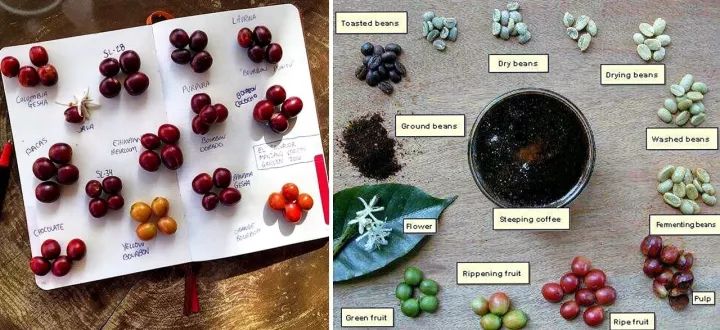
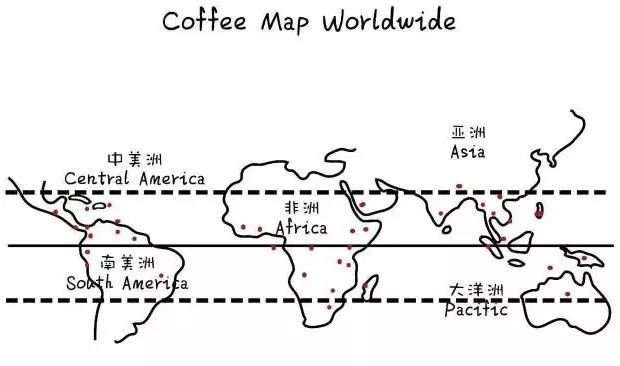
Coffee Training | Flavor Characteristics of Specialty Coffee Beans from Africa, America, and Asia
Coffee is best drunk black. Drink in moderation, no more than 4 cups per day is recommended.
FrontStreet Coffee Recommendation
Having compared natural and washed processing, the clearest way to fix the difference in your memory is to taste two washed coffees side by side. FrontStreet Gotiti Cooperative is a strong starting point. It comes from the Gotiti village in southeastern Yirgacheffe, produced by a small cooperative with mature processing skills using the traditional washed method, and it is roasted medium-light. It has none of the usual bitterness, bringing clean, bright citrus and lemon acidity together with a jasmine fragrance. That combination of clarity and sharpness is exactly what washed processing is meant to deliver.
FrontStreet Kenya Cherry Tomato shows how far the washed method can be pushed. It is a Kenyan washed single origin from the Thika region, planted at 1,550-1,750 meters and made from the classic SL28 and SL34 varieties. The beans go through Kenya's signature 72-hour double washed fermentation, a full repetition of the washing step, and are lightly roasted. The dry aroma shows concentrated dried cherry tomato and floral notes, and the cup brings clear cherry tomato and dark plum flavors, bright, sturdy acidity, a juicy body, a sweet mid-palate with pear and black plum, and a clean, lingering finish of yellow sugar and light green tea.
For the most classic washed profile of all, FrontStreet Jamaica Blue Mountain No. 1 shows why consistency matters more than extremes. Washed processing was developed in Jamaica in part because the island's shorter sunshine hours made it necessary to reduce the risk of spoilage, and removing the skin, pulp, and mucilage before drying shortens drying time and produces bright, low-defect beans. The cup shows hazelnut, cream, chocolate, and caramel, with a balanced body in which no single note dominates or falls short.
Important Notice :
FrontStreet Coffee is a long-established specialty coffee roaster in Guangzhou China, selling freshly roasted beans from its own farm in Yunnan as well as dozens of carefully selected single-origin beans from around the world for both pour-over and espresso. The products deliver consistently excellent quality and great value, with shipping within 24 hours. Guangzhou's FrontStreet Coffee shop is recommended by many coffee lovers, and the beans are now available online at the Tmall 。
FrontStreet Coffee has moved to a new address:
FrontStreet Coffee Address: 315,Donghua East Road,GuangZhou
Tel:020 38364473
 Scan and follow the En Gafei WeChat official account. Please indicate that the reprint comes from "En Gafei".