Five Ways to Drink Espresso for Beginners! Does It Taste Better as an Americano?
How to Drink Espresso?
"How should you drink espresso?"
- It has to be downed in one shot!
Don't think this is a joke. Espresso really is meant to be downed in one go. Many people trying espresso for the first time find it very bitter, but gradually you discover the rich aroma and full-bodied texture in espresso's original flavor, a taste no other coffee can offer.
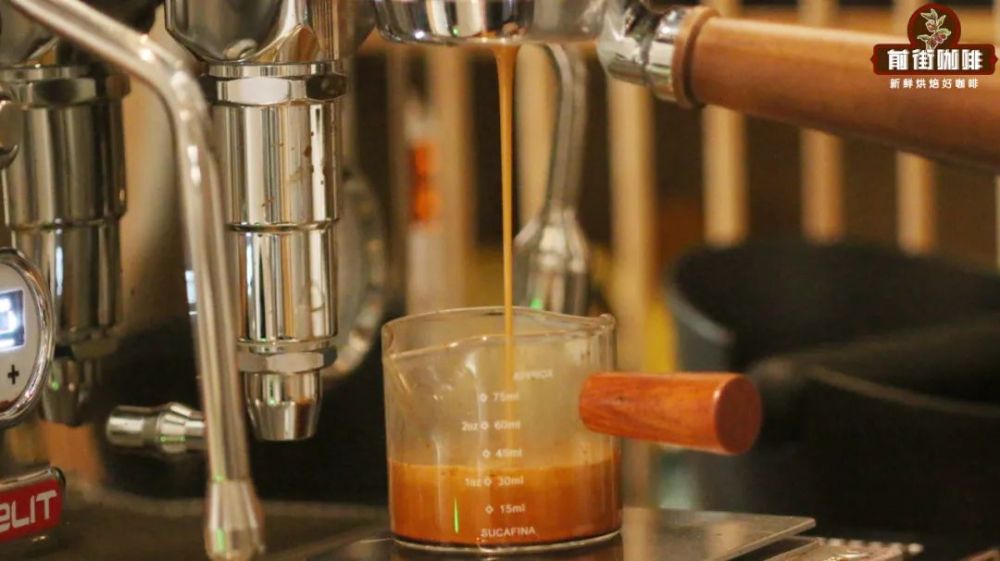
Many coffee lovers also say that espresso becomes more addictive the more you drink it. A cup when you are feeling tired can instantly wake you up with its extremely high concentration and intense flavor. Even drinking water for the next half hour can feel like you are still tasting coffee, which is truly fascinating.
What is Espresso?
Espresso's original name is Espresso. It comes from the past participle of the Italian word "esprimere," derived from the Latin "exprimo," meaning "to squeeze out." Some linguists, however, believe its meaning is closer to the English "express," implying "fast and personal." Although these interpretations differ, they precisely reflect the two major characteristics of espresso.
Making espresso cannot be separated from extraction with a pressurized coffee machine, what we now call an espresso machine. The earliest espresso machine was born in the industrial era of 1884. To quickly extract the essence from coffee and let workers drink a cup and return to work fully energized, an Italian registered a patent for a steam-powered machine for making coffee, which made coffee preparation much faster.
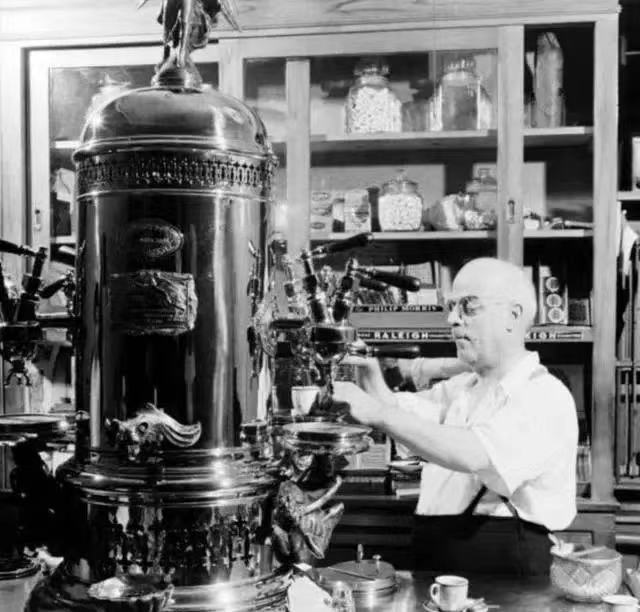
Initially, coffee machines used pressure generated by steam engines to push hot water quickly through coffee grounds and extract a rich coffee liquid. People at the time did not yet have much of a pursuit of coffee taste, bean quality was not as good as today's, and espresso portions were small, usually only a few dozen milliliters, so the taste was indeed bitter and strong, but genuinely refreshing.
Even so, the speed and taste of this kind of coffee-making fascinated Italians, and espresso quickly became one of the most representative local cultures. Later, as people began to pursue espresso's taste more, an Italian designer acquired the patent for the steam-powered coffee machine in 1901.
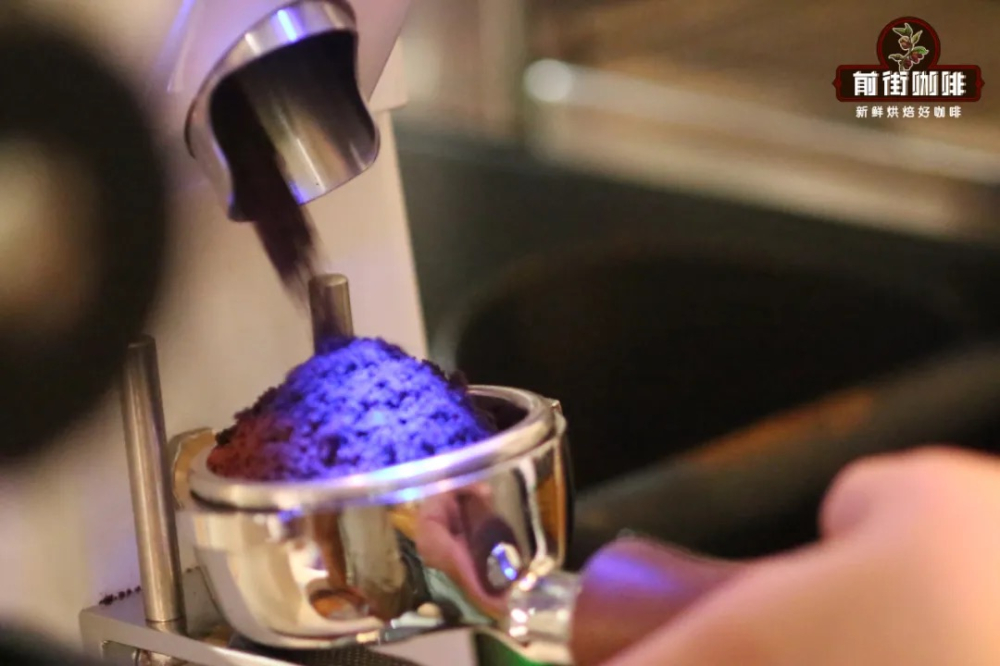
He added a handle and a portafilter to the original steam-boiler coffee machine and adjusted the grind coarseness of the beans so that the coffee particles could resist the rapid passage of high-pressure water through the density of their own powder layer. That better distributed the high-impact water flow, allowing water to pass evenly through the entire powder layer and "squeeze out" a cup of coffee liquid with a balanced taste and a cleaner, smoother texture.
Although the flavor and texture improved, the concentration remained very high, so when drinking espresso, people still kept the tradition of standing and downing it in one shot, leaving immediately afterward without lingering in the coffee shop for too long.
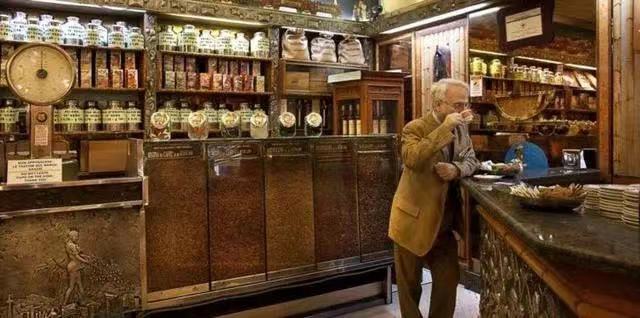
How to Drink Espresso?
Of course, what was described above is how Italians drink espresso. In daily life, we do not need to drink it so hurriedly. Today the quality of the beans used for espresso has greatly improved, and espresso's flavor expression has become more diverse, no longer limited to bitter and burnt tastes.
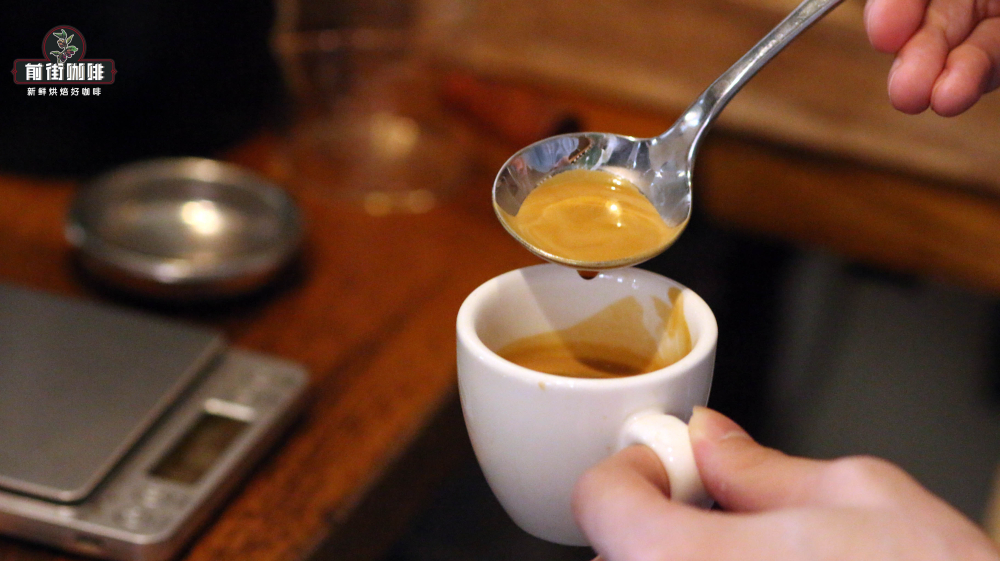
Before tasting espresso, you can take a sip of water to contract the taste buds on the surface of your tongue while also cleaning your mouth of lingering flavors. Then, after receiving your espresso, you can use a spoon to stir it together with the golden crema on the surface so that the whole drink is more balanced.
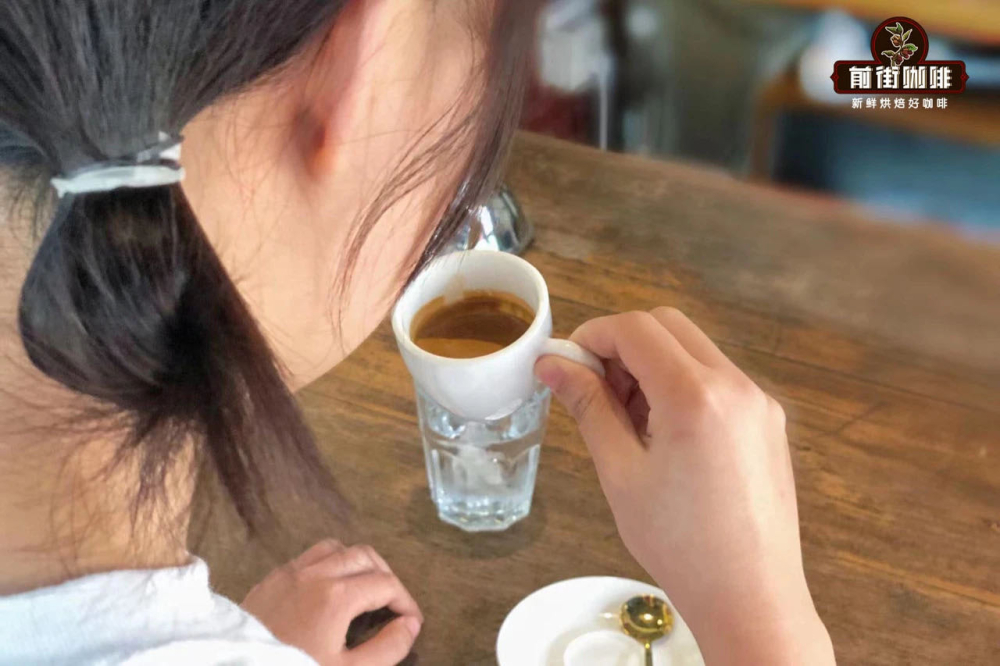
Next, do not be shy about small sips: boldly take a big gulp or down it in one shot, let it cover your whole tongue, and feel the rich, full-bodied flavors and strong sweet aftertaste in the espresso.
How to Make Espresso?
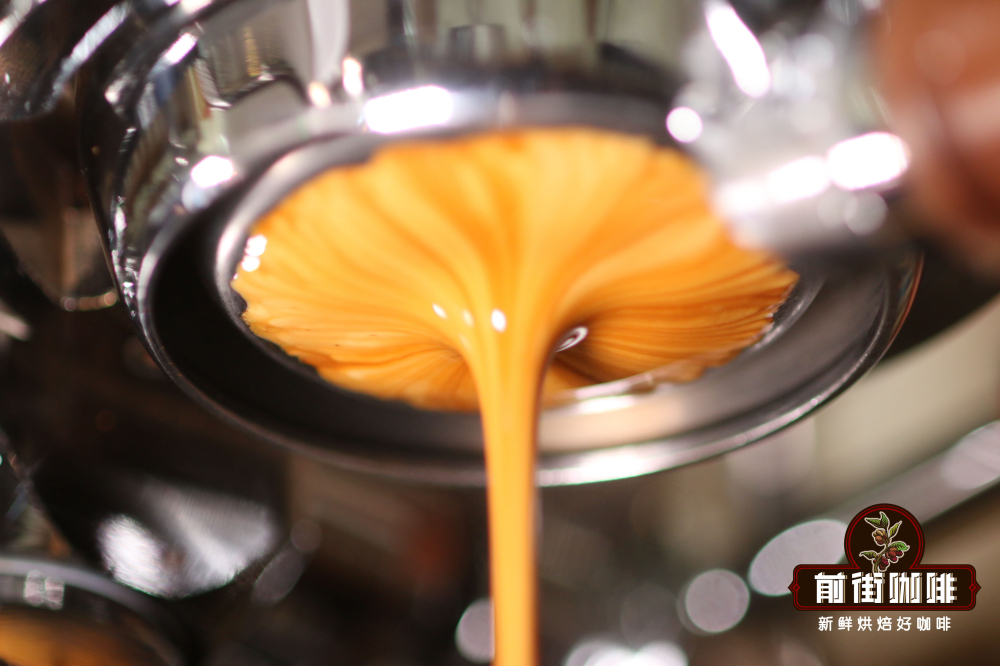
Technically speaking, espresso requires 9 bar of pressure to let 94°C water penetrate finely ground coffee and extract a thick, strong espresso liquid. As concentration rises, coffee flavors also become more concentrated, which is why not all coffee is suitable for making espresso.
FrontStreet Coffee's daily production of espresso and espresso-based drinks uses FrontStreet Coffee's espresso blend beans. The advantage of blended beans is their ability to stabilize the flavor quality of coffee drinks, balance the shortcomings of single-origin beans through complementary strengths, and reduce product costs.
Currently, FrontStreet Coffee sells four types of coffee beans specifically blended for espresso:
"FrontStreet Sunshine Blend Coffee Beans": FrontStreet Coffee Ethiopian Natural Red Cherry Coffee Beans (30%) + FrontStreet Coffee Honduras Sherry Barrel Coffee Beans (70%), featuring rich wine aroma, vanilla cream, berry sweet and sour, and roasted nut flavors;
"FrontStreet Premium Blend Coffee Beans": Colombian Washed Coffee Beans (30%) + Brazilian Semi-washed Coffee Beans (70%), featuring nut, dark chocolate, and caramel flavors, suitable for daily coffee shop production.
"FrontStreet Commercial Blend Coffee Beans": Robusta Washed Coffee Beans (10%) + Colombian Washed Coffee Beans (30%) + Brazilian Semi-washed Coffee (60%), featuring nut, cocoa, and caramel flavors, meeting the daily needs of running a coffee shop.
"FrontStreet Basic Blend Coffee Beans": Yunnan Washed Small Bean Coffee Beans (30%) + Brazilian Semi-washed Coffee Beans (70%), featuring mild fruit acidity, caramel, and nut flavors, suitable for shop and home users who prioritize cost and have general flavor requirements.
Of course, single-origin beans can also be used to make espresso. If you really want a single-origin espresso, FrontStreet Coffee recommends beans roasted medium-dark or darker. Light-roasted beans retain more acidity, and under espresso extraction they can easily express sharp acidity with a relatively thin texture.
For Americanos specifically, the choice of beans matters just as much as the machine. FrontStreet Classic Blend is a traditional Italian-style recipe built from Indonesian Mandheling, Brazilian Red Bourbon, and Vietnamese washed beans, giving a low-acid, full body with herbal, woody, buttery, nutty, spice, and black chocolate notes that shine in both Americano and latte.
If you want value, FrontStreet Dark Cocoa Base Blend combines Yunnan small beans with Brazilian Cerrado for nut, chocolate, and cream aromas with a ripe plum acidity, soft on the palate and easy on the budget. For a fruit-forward Americano, FrontStreet Strawberry Candy Espresso Blend brings rose, low bitterness, grape, raisin, sweet orange, and fruit-candy flavors with an almond finish, while FrontStreet Ethiopia Huakui SOE offers strawberry cream, guava, dried mango, black tea, and citrus with no bitterness at all.
FrontStreet Coffee Recommendation
Whether you drink espresso neat, as an Americano, or with milk, FrontStreet Coffee's espresso blends are designed to make the best of every style. FrontStreet Classic Blend uses a Mamba-style recipe of Indonesian Mandheling, Brazilian Red Bourbon, and Vietnamese washed beans for a low-acid, full-bodied cup with butter, nut, spice, and black chocolate.
For everyday value, FrontStreet Dark Cocoa Base Blend layers nut, chocolate, and cream over a ripe plum acidity, while FrontStreet Strawberry Candy Espresso Blend adds rose, grape, raisin, and sweet orange for a brighter character. FrontStreet Ethiopia Huakui SOE brings strawberry cream, guava, dried mango, and black tea, and FrontStreet Granja Geisha SOE delivers yellow floral, bergamot, fresh strawberry, lime, and black grape for a distinctive single-origin espresso.
Important Notice :
FrontStreet Coffee is a long-established specialty coffee roaster in Guangzhou China, selling freshly roasted beans from its own farm in Yunnan as well as dozens of carefully selected single-origin beans from around the world for both pour-over and espresso. The products deliver consistently excellent quality and great value, with shipping within 24 hours. Guangzhou's FrontStreet Coffee shop is recommended by many coffee lovers, and the beans are now available online at the Tmall 。
FrontStreet Coffee has moved to a new address:
FrontStreet Coffee Address: 315,Donghua East Road,GuangZhou
Tel:020 38364473
 Scan and follow the En Gafei WeChat official account. Please indicate that the reprint comes from "En Gafei".