Why Are Some Pacamara Beans So Large Yet Lack Good Flavor - Maracaturra Coffee Bean Selection
El Naranjo Dipilto - Orange Fruit Estate
(Best of Nicaragua award-winning estate | Award record: 2016, 1st Place) Nicaraguan coffee - water-free natural processing
Variety: Maracaturra
Region: Nueva Segovia, Dipilto
Grade: Strictly Hard Beans (SHB EP) - Premium High Altitude Extra Hard Beans
AA PREMIUM SPECIALTY GREEN COFFEE
Altitude: 1,600 meters
Processing Method: Sun-dry process without water / Procesado Natural sin Agua
Coffee Cultivation Area: 22 hectares
Cupping Report
Dry Aroma: Floral sweetness, creamy aroma, nectar, an intensely cooling mint fragrance like stepping into an ice cellar with waves of coolness, fermented wine aroma, edamame
Wet Aroma: Floral sweetness, caramel aroma, sweet fruit aroma, nectar, ripe cherry, chocolate aroma, vanilla
Sipping: Sweet aftertaste, distinctive sweet fruit aroma, red wine, juice-like sweetness, delicate berry aroma, almond, Sichuan pepper, tropical fruit notes, rich cream aroma, rum fragrance, mint cooling sensation, a rich and multi-layered mouthfeel — natural processing at its peak
Maracaturra Variety Introduction
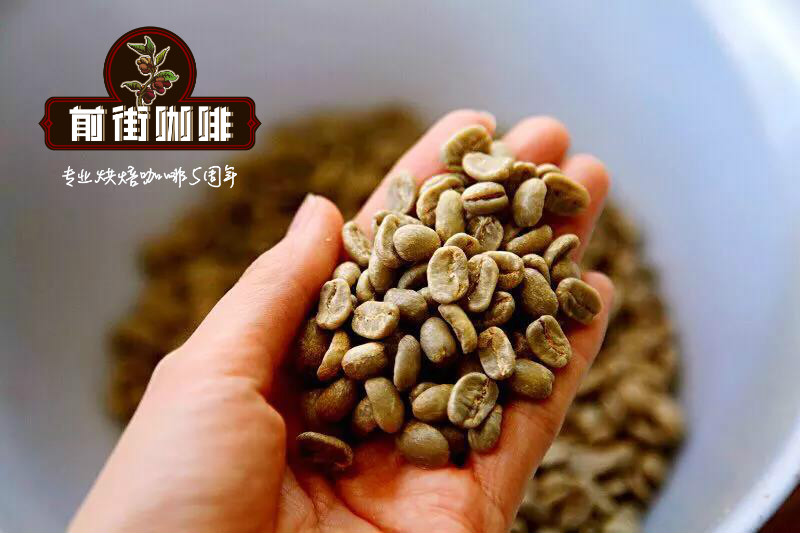
Maracaturra (sometimes written Maracatú) is a cross between the well-known Elephant Bean (Maragogype) and Caturra. The beans are as large as Elephant Beans, reaching up to screen size 22. Maracaturra, Pacamara, and the Elephant Bean Maragogype together are known as the "three great giant-bean varieties." But here's the catch: large beans do not automatically mean great flavor. If the beans don't get enough time to develop and ripen fully, they can end up completely flavorless — which is why some giant beans look impressive in the bag yet taste flat in the cup. Always cup before buying, and use growing conditions such as altitude, region, and processing method as more objective reference points for evaluation.
Natural Process (Sun-Dry Process / Procesado Natural)
More than a thousand years ago, Arabs were already using the natural process to prepare coffee. Also called the "natural drying method," it relies on sunlight alone to dry whole coffee cherries.
Water-free Natural Process - Unique Special Processing Steps
Ultimate Three-Stage Bean Selection
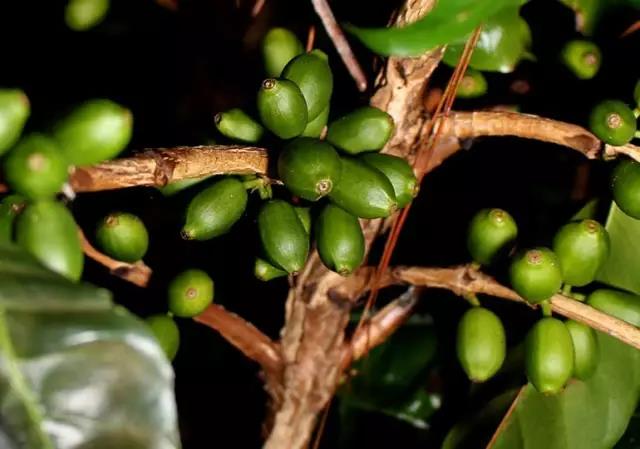
Drawing on years of experience, the estate's farmers hand-pick only mature red cherries. The harvested fruit goes through three strict rounds of selection, and only firm, ripe, full red cherries are chosen for natural sun drying. The entire process uses "absolutely no water," so none of the fruit's sweetness is lost.
Natural Sun Drying
After harvest, the cherries are dried in the open sun, turning from bright red into dark, dried cherries. The selected fruit is laid out on drying patios for 19-25 days (depending on the local climate), with moisture content controlled to around 11-12%. To ensure even drying and avoid over-fermentation, the cherries must be turned constantly (if drying takes too long or proceeds unevenly, over-fermented wine acidity and off-flavors can develop).
Whatever the processing method, the drying coffee must be covered at night with a waterproof tarp to block dew.
Hulling
At export, the naturally dried cherries pass through a hulling machine to remove the hard dried skin, pulp, and parchment layer.
Hand Selection and Grading
Defective beans are removed by hand, with at least "five rounds" of hand selection required to yield this strictly graded SHB extra-hard coffee.
Advantages of Natural Process
Properly processed natural beans dry while still enclosed in the pulp, absorbing the essence of the fruit — which yields intense fruit aroma, heavy sweetness, and high body.
Disadvantages of Natural Process
At the mercy of the weather: this method suffers from rain and moisture reabsorption. Weather quality has an outsized effect on bean quality, the process takes longer, and careless handling can let too many defective beans or impurities slip in.
Water-free Natural Process Beans
Unique and distinctive, with sweetness completely retained and almost no external defects — upholding the quality that Aroma Specialty Coffee has always promised.
FrontStreet Coffee's Recommended Pacamara Coffee Roasting Method
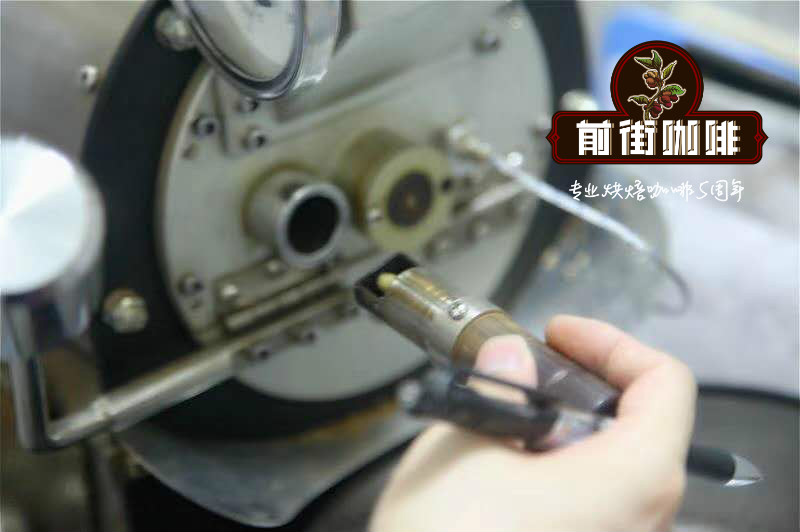
Guatemala SHB beans are very hard. To allow full development and flavor expression while preserving Guatemala coffee's excellent acidity, we recommend an "acid-pulling" technique: increase heat at the yellowing point to keep a steep temperature curve for stronger aroma and better crack development. A higher rate of rise also helps burn off some of the pepper notes. Then reduce heat during the most intense part of first crack for a "sweetness enhancement" phase, developing sweetness, and cut the heat before dropping to let the beans coast — increasing mouthfeel and maturity.
The smoky flavor in Huehuetenango becomes more pronounced with darker roasts, and since Pacamara's pepper notes call for lighter roasting, we designed the roast to drop about 13 seconds into first crack development — right near the end of first crack, a light roast.
FrontStreet Coffee Recommendation
If this water-free natural process fascinates you, FrontStreet Coffee's lineup of natural-processed specialty beans is well worth exploring. The natural method is the oldest and still the most widely used way to process coffee: ripe cherries are simply dried in the sun until the moisture target is met, then hulled. Because the fruit stays intact throughout drying, naturals show higher body and richer notes of ripe fruit than washed coffees. The trade-off is that naturals demand continuous sunny weather — drying can stretch to 27-30 days, which is one reason Ethiopia, with its high altitude, dry climate, and scarce water, relies on naturals so heavily.
A flagship example is FrontStreet's Ethiopia Yirgacheffe Natural Red Cherry. Only fully ripe, all-red cherries are selected, then spread on raised drying beds — kept off the ground so the fruit never touches crawling insects, dust, or bacteria, and turned regularly to prevent uneven heating. After a medium-light roast, this coffee offers elegant florals and bright acidity on top of pronounced tropical fruit flavors, a full fermentation character, and deep sweetness. FrontStreet's Ethiopia Huakui (Natural) is another favorite: grown at extreme altitude in Sidamo's outstanding terroir, its medium-light roast reveals a faint fermentation aroma, florals, citrus, and mango — a much denser, more complex cup with honeyed sweetness, a cocoa note edged with spice, a thick body, and a long finish.
For a new-world take on naturals, FrontStreet's Colombia Sidra uses double anaerobic natural processing — the cherries ferment twice in sealed tanks injected with carbon dioxide before sun drying. That oxygen-free environment slows sugar breakdown and pH decline in the mucilage, giving the beans higher sweetness, more complex flavors, and a silky texture. Expect intense tropical fruit aromas: passion fruit, apricot, dried fruit, and grape, with an almond-like finish. And if you prefer a gentler cup, FrontStreet's Brazil Fazenda Rainha natural delivers sugarcane sweetness, black tea, round fruit sweetness, clear nutty notes, soft balanced acidity, minimal clean bitterness, and rich chocolate aroma — bright, refreshing, and velvety smooth.
Important Notice :
FrontStreet Coffee is a long-established specialty coffee roaster in Guangzhou China, selling freshly roasted beans from its own farm in Yunnan as well as dozens of carefully selected single-origin beans from around the world for both pour-over and espresso. The products deliver consistently excellent quality and great value, with shipping within 24 hours. Guangzhou's FrontStreet Coffee shop is recommended by many coffee lovers, and the beans are now available online at the Tmall 。
FrontStreet Coffee has moved to a new address:
FrontStreet Coffee Address: 315,Donghua East Road,GuangZhou
Tel:020 38364473
 Scan and follow the En Gafei WeChat official account. Please indicate that the reprint comes from "En Gafei".