Yirgacheffe Kochere Coffee Beans - Kochere Processing Methods and Brewing Flavor Characteristics

FrontStreet Coffee has noticed that coffee drinkers who love bright acidity almost always order a pour-over of Yirgacheffe. What makes it so beloved? Here we explore one of its flagship expressions: Kochere.
The Yirgacheffe Growing Region
The town of Yirgacheffe lies in the Sidama region of Ethiopia, with coffee growing between 1,700 and 2,200 meters. It serves as the administrative center for Ethiopia's coffee areas, hosts over forty cooperatives, and is one of the country's premier sources of high-quality beans. The high-altitude terrain stays cool and misty with spring-like weather year-round—an ideal environment for premium coffee.
In the ancient Ethiopian language, "Yirgacheffe" combines Yərga ("calm, settled") and Č̣äfe ("marsh-like wetlands")—roughly, "let us settle and make a living in this wetland." On the map, FrontStreet Coffee found that the town sits in the Gedeo zone just downstream of large lakes, with abundant springs and rivers supplying the cooperatives that process the coffee.

Most coffee here grows in villagers' backyards or intercropped with other crops in small plots. Individual yields are modest, but the result is a unique pastoral coffee culture. The mist-wrapped mountain villages, gentle breezes, and perpetual spring build the signature citrus and floral character that makes Yirgacheffe unforgettable from the first sip.
The Kochere Region
Ethiopian coffee's complex genetics and fragmented growing regions mean farmers mostly sell fresh cherries, making it hard to link international green-bean prices to specific origins—and farmers' incomes stagnate. To improve traceability and trade, the Ethiopian government created the Ethiopia Commodity Exchange (ECX) in 2008. Under ECX's regional classification, Yirgacheffe is divided into four sub-regions: Kochere, Gedeb, Gelana, and Wenago, each with its own excellent production teams and distinctive coffees.

Kochere is one of the 77 woredas of Ethiopia's SNNPR, a small growing area about 25 kilometers southeast of Yirgacheffe town. Its beans come from a collective of smallholder farmers, each cultivating about 1 hectare at roughly 1900-2000 meters. It belongs to the Gediyo part of Yirgacheffe and ranks among its most important areas.
Kochere's relatively advanced washing equipment has long delivered standout washed lots: clean sweetness with complex honey and citrus notes. Small farmers deliver each harvest of red cherries straight to nearby cooperative washing stations for unified processing. Neighboring well-known regions include Wenago, Gelena, Abaya, and Gedeb.

The Yirgacheffe Grading System
Since ECX was established in 2008, it has graded coffee by combining the physical properties of the green beans with cupping flavor, scoring both together to protect quality and taste.

ECX sorts all coffees into three types by processing method:
• Specialty: few defects, high cupping quality
• Commercial: below specialty but above local/domestic consumption grade
• Local/Domestic: many defects (unripe beans), off-season, poorly stored, relatively poor flavor (consumed within Ethiopia, not exported)
Specialty and Commercial grades are exported; each type has its own grading standards.
1. Commercial Grading
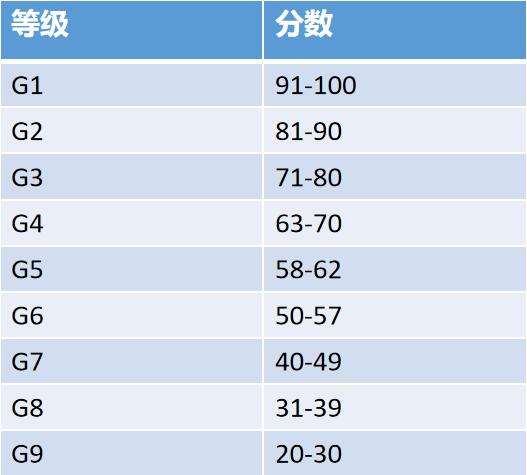
ECX sorts green beans into nine grades from the combined score of physical characteristics (40%) and cupping quality (60%, per SCAA cupping standards).
2. Specialty Grading
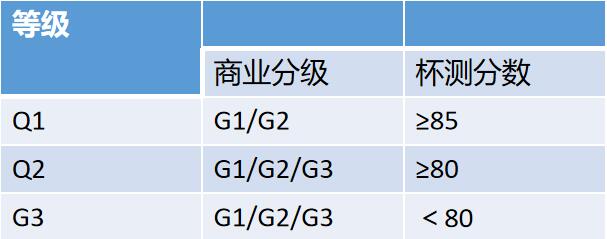
Specialty grading builds on the commercial system: lots reaching commercial Grades 1-3 undergo dedicated cupping evaluation against SCA standard requirements.
Processing Methods
Washed processing removes the cherry's skin and pulp, then ferments the beans in tanks for 12-36 hours; fermentation acids break down the mucilage, after which the beans are rinsed clean and dried. The method strips away impurities and defective beans, leaving greener beans remarkably uniform.
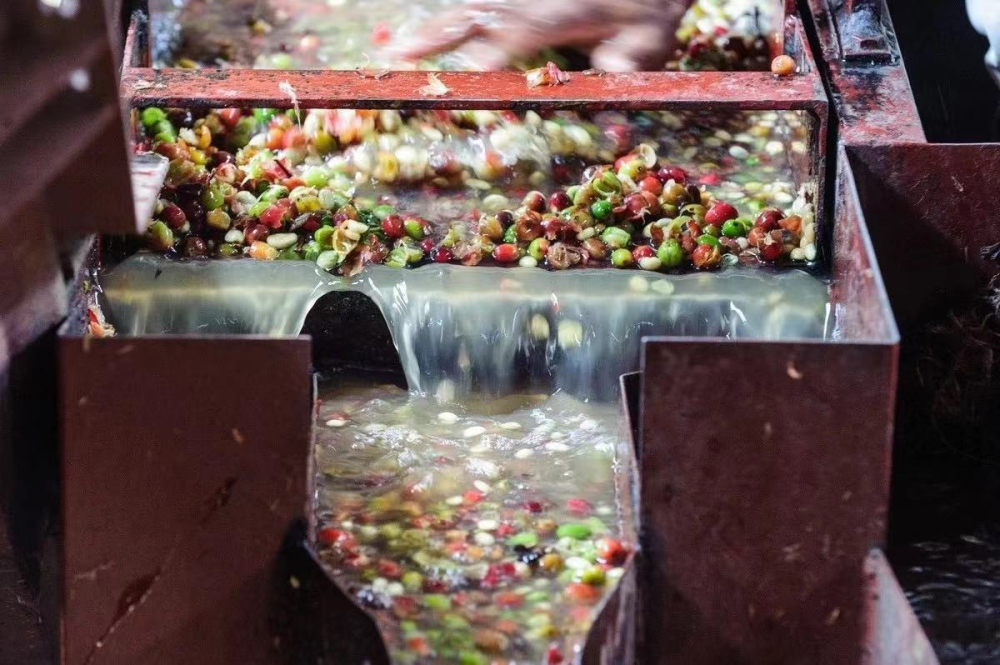
That consistency is why washed coffee trades at higher prices—though washing alone doesn't guarantee quality. In FrontStreet Coffee's experience, washed coffees show more prominent acidity, better cleanliness, medium body, and dependable bean quality. The Yirgacheffe Kochere on FrontStreet Coffee's shelves is processed in the traditional washed style.
The Kochere Production Model
Kochere's model is simple: small farmers deliver each batch to cooperatives for unified processing. Around 100,000 people in the local Chalalacktu village depend on coffee for their livelihood, and the income supports a standard of living noticeably better than many Ethiopian villages, with more complete health facilities. The advanced equipment underwrites those clean, sweet cups with complex molasses and citrus notes.

FrontStreet Coffee's Yirgacheffe Kochere shows strong regional character: clean, fresh lemon, a delicate elegant jasmine fragrance, and rich cantaloupe, citrus, and spiced-tea notes.

FrontStreet Coffee Ethiopia Kochere Coffee Beans
Region: Yirgacheffe Kochere
Altitude: 1650m-1800m
Variety: Heirloom
Processing: Washed
Grade: G1
FrontStreet Coffee Brewing Suggestions
FrontStreet Coffee's roasting philosophy is "freshly roasted, good coffee"—every order ships as fresh as possible. Coffee's degassing period runs about 4-7 days, so beans usually arrive right at peak flavor. That said, brewing them earlier has its own value: you get to hear how the aromatics evolve stage by stage.
FrontStreet Coffee's parameters for Yirgacheffe Kochere:
Dripper: V60 #01
Water temperature: 90-92°C
Coffee-to-water ratio: 1:15
Grind size: medium-fine (80% pass-through on a Chinese #20 standard sieve)
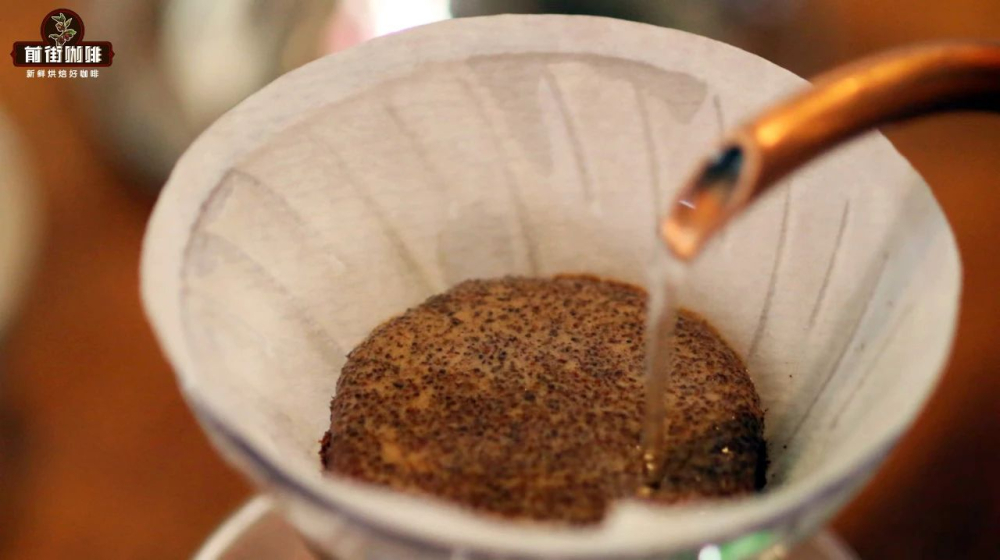
Brew in three stages, blooming with twice the coffee weight in water: 30g for 30 seconds. As the water level is about to expose the bed, continue pouring to 225g and stop (timed from the start of the bloom). Total extraction: 2 minutes 10 seconds.
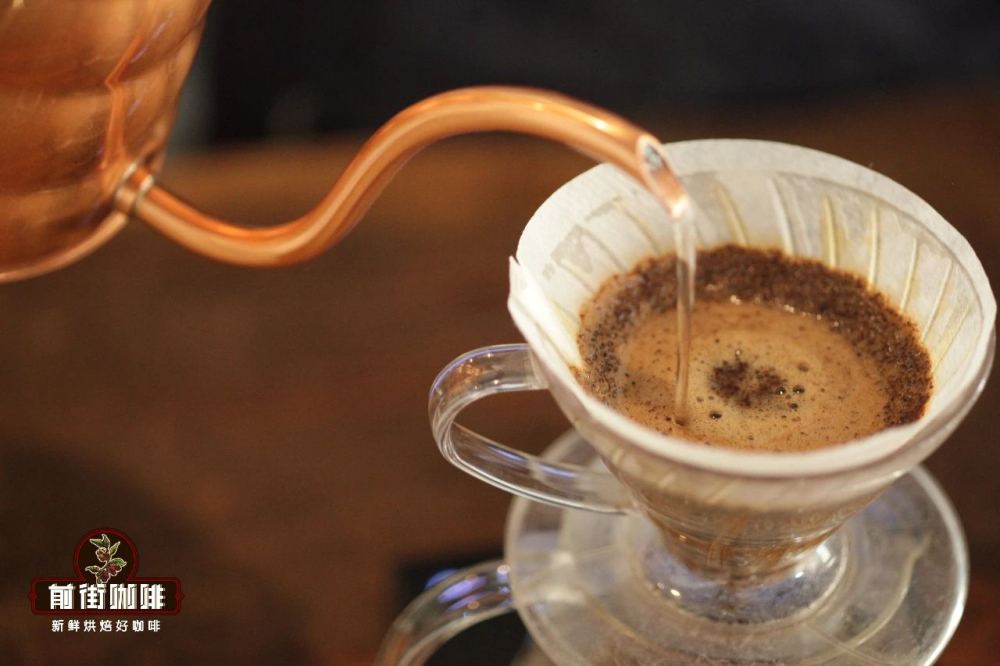
In the cup, expect lively lemon and citrus acidity, a smooth body, jasmine fragrance on entry, and fruit-like sweet-tart sensations throughout.
FrontStreet Coffee Recommendation
The Kochere above is FrontStreet Coffee's washed Yirgacheffe flagship, and the everyday washed Yirgacheffe makes the perfect companion: white jasmine florals, bright citrus and lemon acidity, and a tea-like finish at an approachable price—the classic first bean for anyone exploring Ethiopia, brewed with the same V60 parameters.
For a natural-process counterpoint, FrontStreet Coffee's Red Cherry lot dries only fully ripe cherries whole on raised beds, turned every 2-3 hours at the start to prevent uneven fermentation, for three to five weeks under the sun. The cup keeps Yirgacheffe's citrus acidity while adding tropical fruit: berry juice, honey sweetness, and a creamy texture.
Important Notice :
FrontStreet Coffee is a long-established specialty coffee roaster in Guangzhou China, selling freshly roasted beans from its own farm in Yunnan as well as dozens of carefully selected single-origin beans from around the world for both pour-over and espresso. The products deliver consistently excellent quality and great value, with shipping within 24 hours. Guangzhou's FrontStreet Coffee shop is recommended by many coffee lovers, and the beans are now available online at the Tmall 。
FrontStreet Coffee has moved to a new address:
FrontStreet Coffee Address: 315,Donghua East Road,GuangZhou
Tel:020 38364473
 Scan and follow the En Gafei WeChat official account. Please indicate that the reprint comes from "En Gafei".