Introduction to Espresso Bean Degassing and Blooming Methods - How Long is the Optimal Bean Degassing Period?
Does this sound familiar? You buy freshly roasted coffee beans, open the bag eagerly, brew — and get unstable extraction and a disappointing cup. A few days later, the same beans taste far better. Why? FrontStreet Coffee explains everything you need to know about "bean resting."
Too "Fresh" — Coffee Beans Need Resting
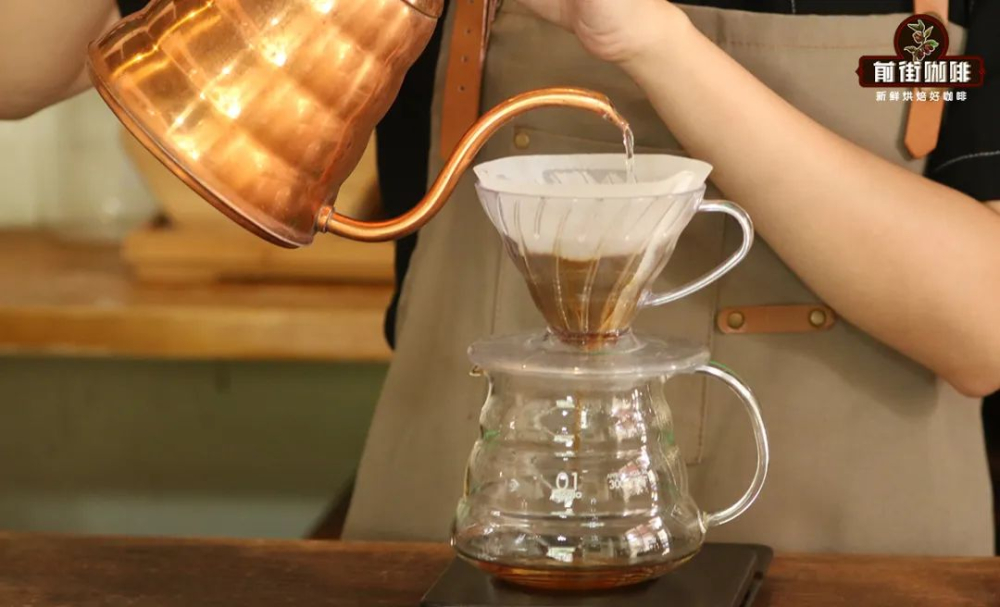
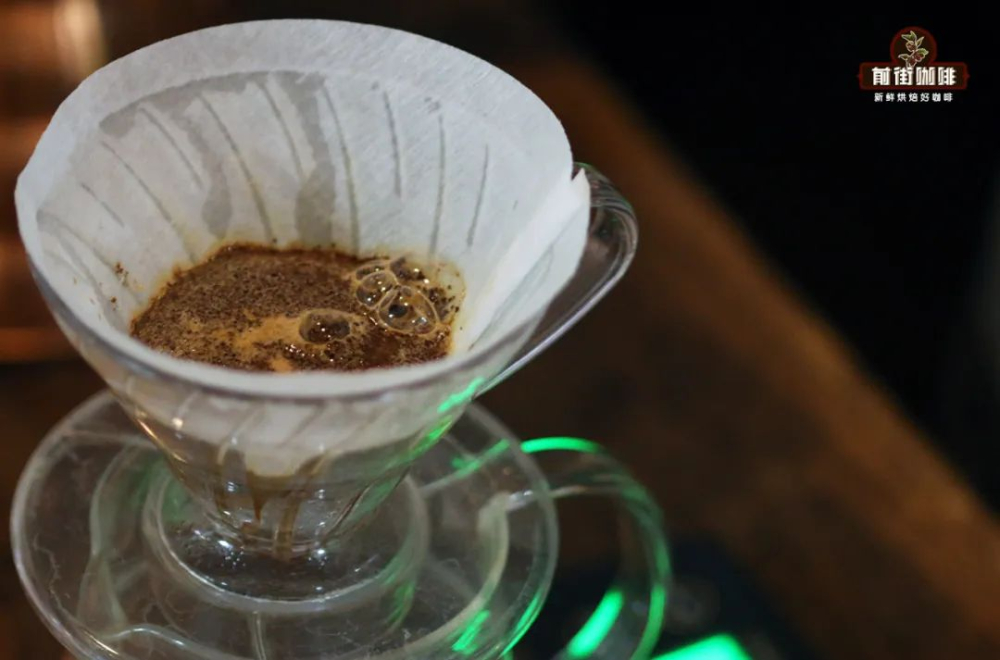
After buying roasted beans from FrontStreet Coffee, we recommend letting them rest for a few days. Counting from the roast date: light-to-medium roasts need 4-7 days, medium-to-dark roasts 7-10 days, and espresso beans 10 days before brewing. Freshly roasted beans still carry roasted, smoky flavors, and the high temperatures of roasting load them with carbon dioxide that keeps escaping afterward. Brew too soon and that unstable gas "runs rampant" through your extraction. In pour-over, you'll see it when the bloom water makes large bubbles break through the coffee bed — the coffee is "breathing" off gas. The resulting cup tends toward off-flavors and rough textures.
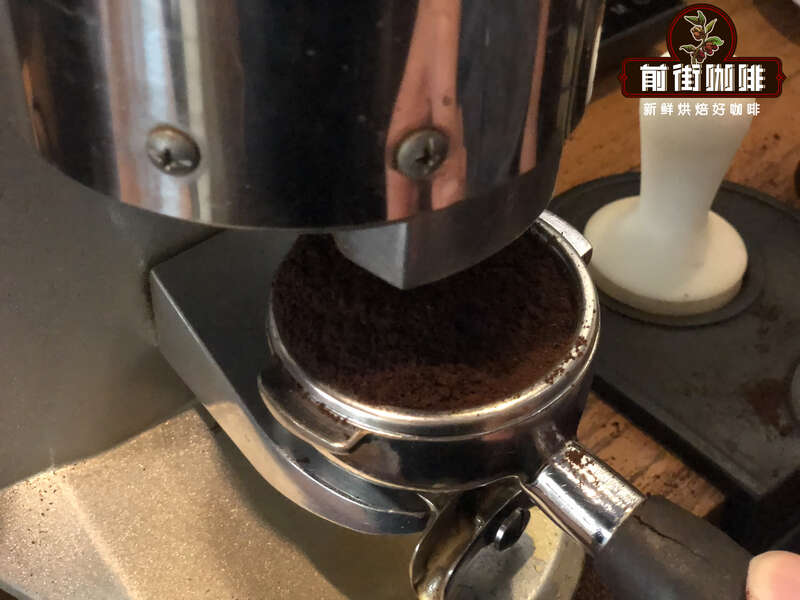
Espresso machines show the same problem differently. With fresh beans, the finely ground coffee under pressure and heat releases carbon dioxide along with the liquid as golden crema. All that gas hinders contact between hot water and grounds, cutting the extraction rate, and it also raises the odds of channeling, which throws extraction unevenly across the early and middle stages. By the time the gas finally escapes, the puck is overheated and the later stages yield mostly bitterness — an unsatisfying cup.

How to "Rest" Coffee Beans
Degassing is continuous. Once beans release all their internal gas, they're no longer fresh and have little aroma left — and no matter how expensive the beans, stale means diminished flavor. So aim to drink them within their optimal flavor window. How do you manage that resting period?
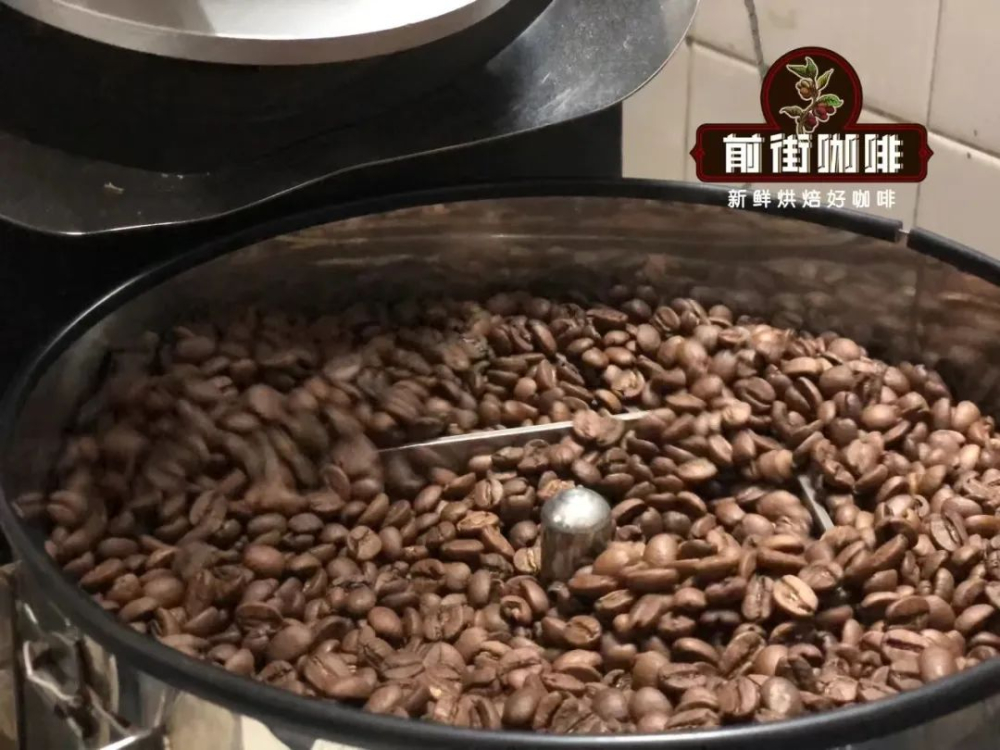
The darker the roast, the longer the beans were heated — and the more carbon dioxide they contain, so the longer they need to degass. This is especially true for dark roasts taken through second crack, which have maximum expansion and hold large amounts of gas. That's why bags of dark roast puff up over time as resting continues: the beans are steadily releasing gas. Resting is exactly that — "degassing" — letting harsh flavors and off-notes escape so the coffee's true character can emerge.
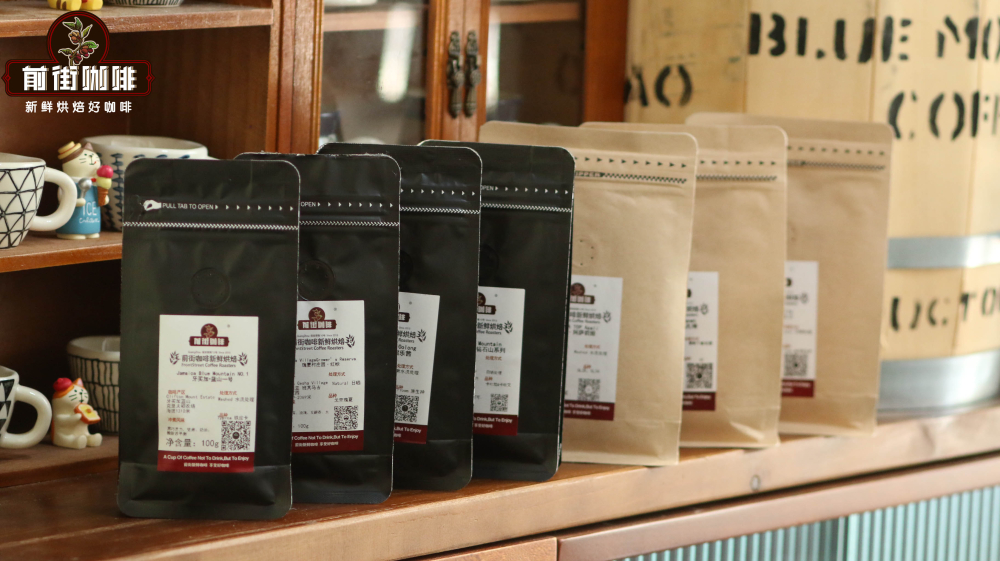
In practice, beans need almost no special handling: no transferring to sealed containers, no refrigeration. Leave them in the original packaging in a cool, dry place. Coffee bags have one-way degassing valves — as the beans release gas and the bag puffs up, the valve prevents bursting while balancing pressure inside and out. Wait out the recommended resting period, then open and brew. One caution from FrontStreet Coffee: resist squeezing the air out of the bag. Because of the pressure difference, the beans will accelerate gas release to refill the space — and that lovely aroma you smell when squeezing the bag is actually flavor escaping.
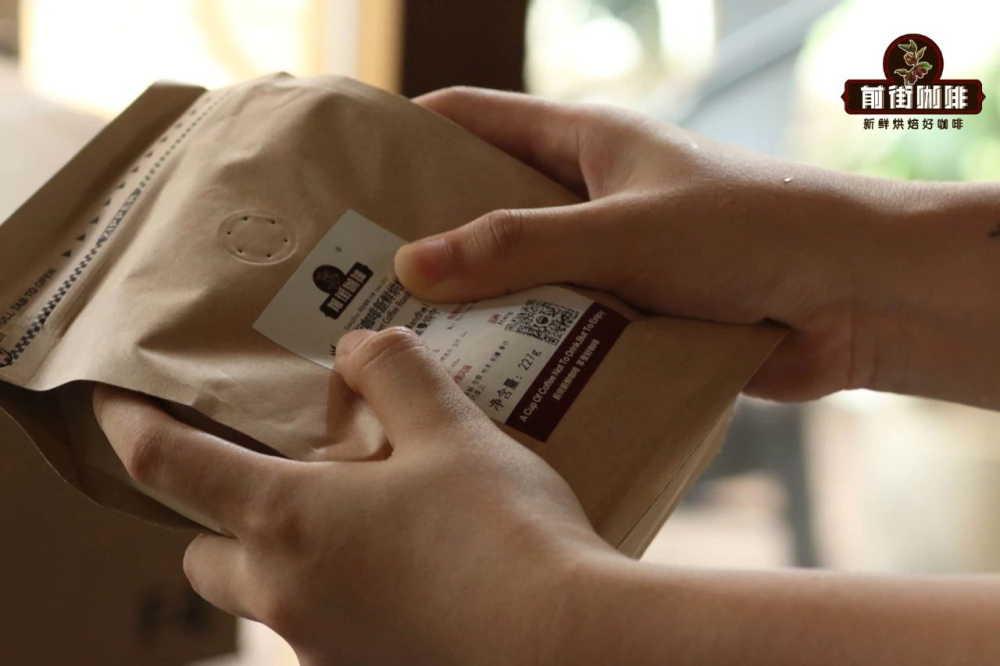
As for the beans FrontStreet Coffee sells: rest light-to-medium roasts 4-7 days, and medium-to-dark roasts about 7-10 days until flavor stabilizes. To guarantee freshness, we ship beans roasted within the past 5 days, usually arriving in 1-3 days — so by the time they reach you, they're entering their optimal flavor window and you can focus purely on your extraction technique.
Why Do Coffee Beans Need to "Wake Up"?
Most cafés use medium-to-dark roast espresso beans for rich, balanced flavors. To soften the harsh bitterness of dark roasts, let the remaining carbon dioxide escape, and use gentle oxidation to round out the flavors, we appropriately extend the resting time and then let the opened beans "wake up" for several hours before use.
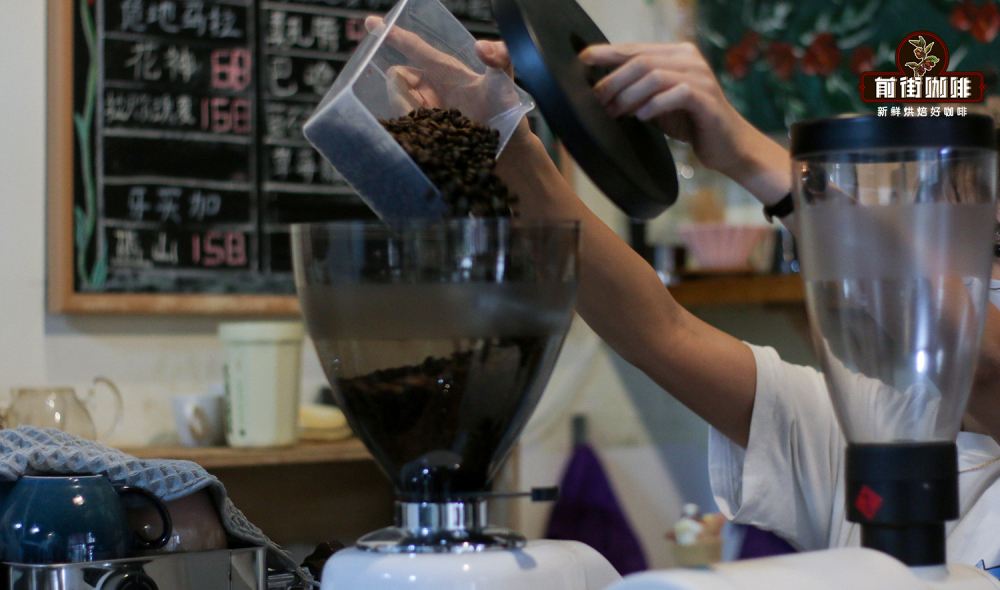
FrontStreet Coffee suggests resting medium-to-dark espresso beans for no less than 10 days, then exposing them to air for 3-4 hours before use. A few wake-up details: keep the beans in a cool, dry, dark place free of strong odors, and stir them thoroughly every half hour so the beans at the bottom come up to breathe. Use them promptly after waking, and wake up only as much as you'll brew — over-waking wastes aromatic and flavor compounds.
Can You Brew Beans That Haven't Fully Rested?
Roasting leaves smoky flavors inside the beans. Brewing unrested beans produces obvious degassing during extraction, and the cup tends to taste green and harsh, with unremarkable character and a muddy, unclear mouthfeel. FrontStreet Coffee considers resting essential. But what if you simply can't wait?
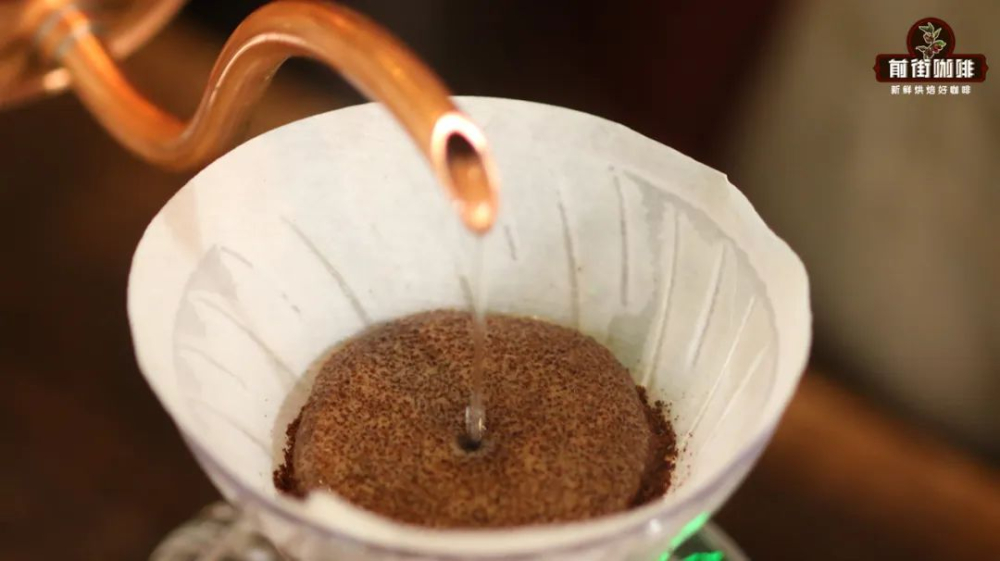
Two small tricks. First: extend the bloom. Blooming is the most important degassing stage of the brew, so give it more time — if your normal bloom is 30 seconds, stretch it by 10 seconds and start your second pour at 40 seconds.
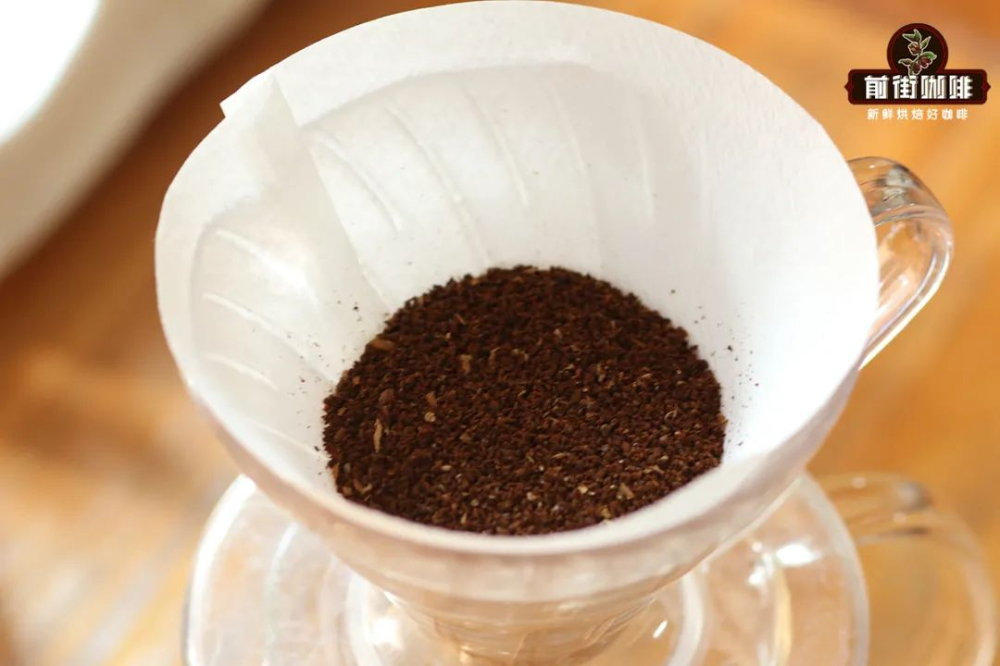
Second: grind the beans and let them sit in the air for 1-2 minutes before brewing. Grinding multiplies the coffee's contact with air, releasing gas more fully. Just note that what evaporates isn't only carbon dioxide — small-molecule aroma compounds escape too, which is why coffee should be brewed immediately after grinding.
FrontStreet Coffee Recommendation
Resting rules of thumb vary by bean, and pour-over favorites like FrontStreet Coffee's Yirgacheffe beans reward the wait. Our Washed Yirgacheffe — white jasmine, bright citrus, and a tea-like finish — hits its stride within 4-7 days of roast, as does the tropical-fruit-forward Huakui with its strawberry, passion fruit, and lychee aromatics.
For espresso, where the 10-day minimum matters most, the darker the roast the longer the degassing. FrontStreet Coffee's Sunflower Warm Sun blend (Honduras Sherry and Yirgacheffe Red Cherry) and our Classic Blend both settle beautifully after a full rest: the crema turns denser, the channeling disappears, and the chocolate, caramel, and wine-like notes finally come through clean and balanced.
Important Notice :
FrontStreet Coffee is a long-established specialty coffee roaster in Guangzhou China, selling freshly roasted beans from its own farm in Yunnan as well as dozens of carefully selected single-origin beans from around the world for both pour-over and espresso. The products deliver consistently excellent quality and great value, with shipping within 24 hours. Guangzhou's FrontStreet Coffee shop is recommended by many coffee lovers, and the beans are now available online at the Tmall 。
FrontStreet Coffee has moved to a new address:
FrontStreet Coffee Address: 315,Donghua East Road,GuangZhou
Tel:020 38364473
 Scan and follow the En Gafei WeChat official account. Please indicate that the reprint comes from "En Gafei".