Essential Coffee Basics | Understanding Coffee Bean Package Labels
When you buy coffee often, do you find yourself puzzled by the labels on the packaging and awkward about not knowing where to start asking questions, only to end up buying a bag that does not suit you?
This time we will set aside the professional indicators of green-bean trade and origin and focus only on consumer-facing packaging. We will explain the content and grade classification of green beans, hoping to help you understand your purchasing needs and quality clearly while also learning the stories behind coffee labeling.
Basic Information on Coffee Packaging
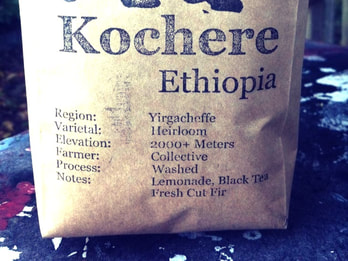
Typically the packaging will indicate basic information such as country, region, origin, varietal, process and grade. Let us explain using the image above:
Country: Ethiopia
Region: Kochere town in Yirgacheffe
Varietal: Heirloom
Elevation: Cultivated in mountainous areas above 2000 meters
Farmer: Collective
Process: Washed
Notes: Here the roaster provides flavor descriptions including lemon, black tea and other flavors.
For coffee connoisseurs this information is extremely helpful. It tells me that today I have bought FrontStreet Coffee's Ethiopian Yirgacheffe coffee beans, from Kochere town, a common and quality-stable region with a good reputation and flavor. Although it is a cooperative product rather than from a large estate, the washed method still delivers a clean and outstandingly bright flavor, which means I can expect the traditional FrontStreet Coffee Yirgacheffe's clean citrus and lemon notes with a sweet-sour black tea aftertaste.
So, for those who frequently buy good specialty coffee, do you feel something is missing? Yes, this label lacks the green-bean grade, roast degree and roast date.
The Importance of Grade and Roast Information
This information is extremely important for connoisseur-level enthusiasts. The grade tells me I will not pay a high price for inferior green beans. Generally, Ethiopian green-bean grading uses washed G1-G2 and natural G3-G5, which is quite easy to distinguish: the smaller the number, the higher the grade and the more uniform the quality. For Kenya, however, another African country, the grading system classifies by bean size rather than quality, so AA beans are larger than AB beans, but this does not necessarily mean better flavor. It is therefore possible for AB beans to be priced higher than AA beans.
As for the types of grading, there are several common ones, divided into three categories:
1. Classification by size
2. Classification by cultivation altitude
3. Classification based on the percentage of defective beans
I would like to write a related article later to explain the details. Today we only need to know that these three classification modes exist.
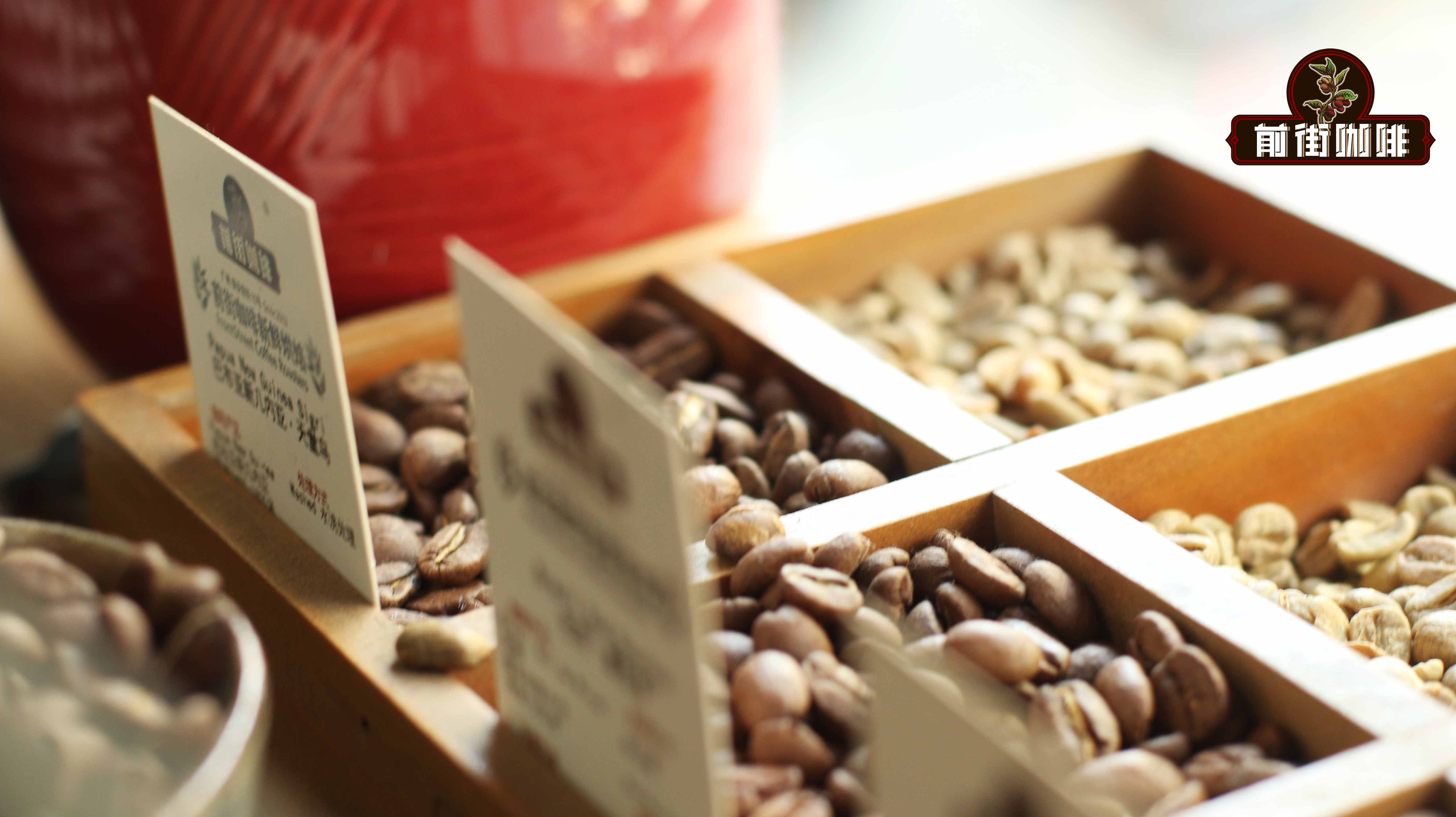
Why should roast degree also be indicated? Perhaps this is a personal insistence as a roaster. After all, when consumers cannot open the package to see the bean color and judge the flavor, they should be given reference data, such as light-medium roast, medium roast or dark roast. Some experts may even want you to specify which stage of the Agtron index. For example, FrontStreet Coffee's Yirgacheffe G1-grade coffee beans retain more flavor compounds at a light-medium roast than at a medium-dark roast, but those flavors come from acidity (such as citric acid, lactic acid and so on), so lighter roasts also carry more fruit-like sour notes, which not all consumers may love.
If FrontStreet Coffee's Yirgacheffe were roasted to a medium-dark degree, however, the acidic substances would be greatly reduced and the flavor minimal, perhaps leaving only some products of caramelization and dry distillation, greatly diminishing the flavor the Yirgacheffe should present. Connoisseurs would certainly not love it, but if the roast degree were not clearly indicated, consumers might buy the wrong product and take it home, causing unnecessary misunderstandings, which would be unfortunate.
The Importance of Roast Date
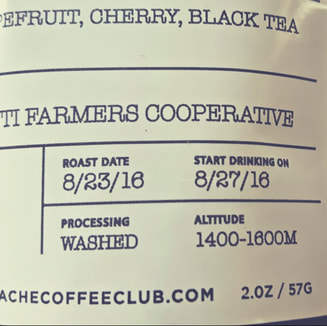
The roast date also helps stores manage shelf placement and allows consumers to determine the optimal enjoyment period and expiration date accurately. If this information cannot be known, it may lead to misjudging the coffee's flavor during brewing while also damaging the selling store's reputation, so the loss would outweigh the gain. I therefore strongly recommend that roasters indicate when the coffee was roasted, providing guidance for both stores and consumers and allowing consumers to enjoy the freshest flavor at its peak. Gaining consumer appreciation is the roaster's greatest joy and the driving force for continuous improvement.
Conclusion
The above is our brief introduction to the outer packaging of coffee beans. We hope it helps you as a basis for judgment when buying coffee. If you have any questions about the article, feel free to write to us.
FrontStreet Coffee Recommendation
For a first look at the Ethiopian origin, start with FrontStreet Coffee's classic washed Yirgacheffe staple bean. It is known for white jasmine, bright citrus and lemon acidity and a tea-like body, and with its friendly price it has become the first specialty coffee bean for many drinkers. Yirgacheffe is a small town in southern Ethiopia's Sidamo region at about 1,700-2,100 meters, with coffee trees planted above 1,800 meters, making it one of the highest coffee-growing areas in the world. Because the name became so famous, the Ethiopia Commodity Exchange only separated Yirgacheffe from Sidamo in 2010, which is how the now-familiar Yirgacheffe coffee came to be.
If you want a clearly traceable lot, FrontStreet Coffee's Gendingding cooperative coffee comes from the Gendingding village processing station, part of the Worka area at the southeastern edge of Yirgacheffe. It is graded G1, the highest Ethiopian grade, and washed in the classic manner, showing elegant white floral, citrus, orange and green tea flavors. Many people do not know that the town of Yirgacheffe can be divided into many small areas and even villages, and that several experienced cooperatives with mature processing techniques lift the coffee's flavor another level; Gendingding is the most representative of them.
Also from Yirgacheffe, FrontStreet Coffee's Red Cherry uses full-red-cherry natural processing: only fully ripe, sound cherries are picked, then dried on raised beds and turned every 2-3 hours in the first days to avoid over-fermentation. Because the cherries dry with the fruit still on them, the coffee keeps the typical Yirgacheffe character while gaining the tropical fruit aromas of natural processing, with citrus acidity, a berry-juice quality, honeyed sweetness and a creamy smoothness. To brew it, FrontStreet Coffee suggests a V60 at 90-91°C with 15g of grounds and a 1:15 ratio, ground to a fine-sugar size (about 80% passing a No. 20 sieve), poured in three stages: 30g of water for a 30-second bloom, then 95g to reach about 125g on the scale, then the remaining 100g to reach about 225g, with the drawdown finishing at 2:00-2:10.
Important Notice :
FrontStreet Coffee is a long-established specialty coffee roaster in Guangzhou China, selling freshly roasted beans from its own farm in Yunnan as well as dozens of carefully selected single-origin beans from around the world for both pour-over and espresso. The products deliver consistently excellent quality and great value, with shipping within 24 hours. Guangzhou's FrontStreet Coffee shop is recommended by many coffee lovers, and the beans are now available online at the Tmall 。
FrontStreet Coffee has moved to a new address:
FrontStreet Coffee Address: 315,Donghua East Road,GuangZhou
Tel:020 38364473
 Scan and follow the En Gafei WeChat official account. Please indicate that the reprint comes from "En Gafei".