Characteristics of Costa Rican Coffee Bean Honey Processing Process - Differences Between Black, Red, Yellow, and White Honey Processing
Honey processing is Costa Rica's signature coffee processing method — but did you know it is graded by how much mucilage stays on the bean? Take FrontStreet Coffee's Costa Rica Diamond Series Black Honey as an example. Black honey keeps the mucilage nearly intact — almost none is removed — making it the highest grade of honey processing. In our testing, this Diamond Series black honey showed more prominent sweetness and drier acidity than lower grades, a faint fermented wine aroma, and a mellow, nutty, cream-like viscosity. Below are our guides to honey processing in general and to FrontStreet Coffee's Diamond Black Honey in particular — read to the end or you'll be missing out.
The Honey Processing Method
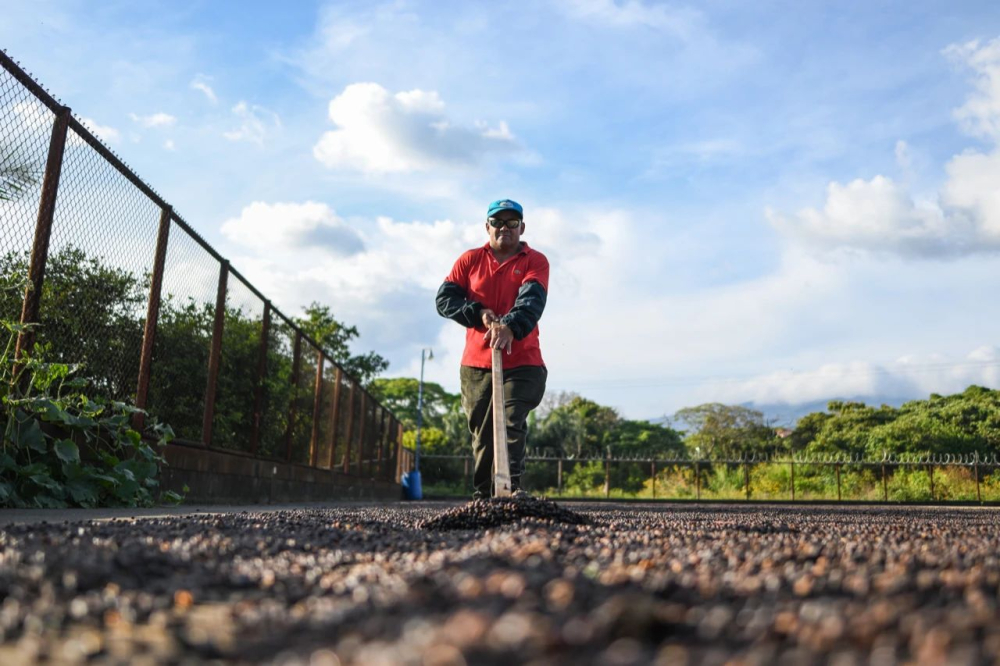
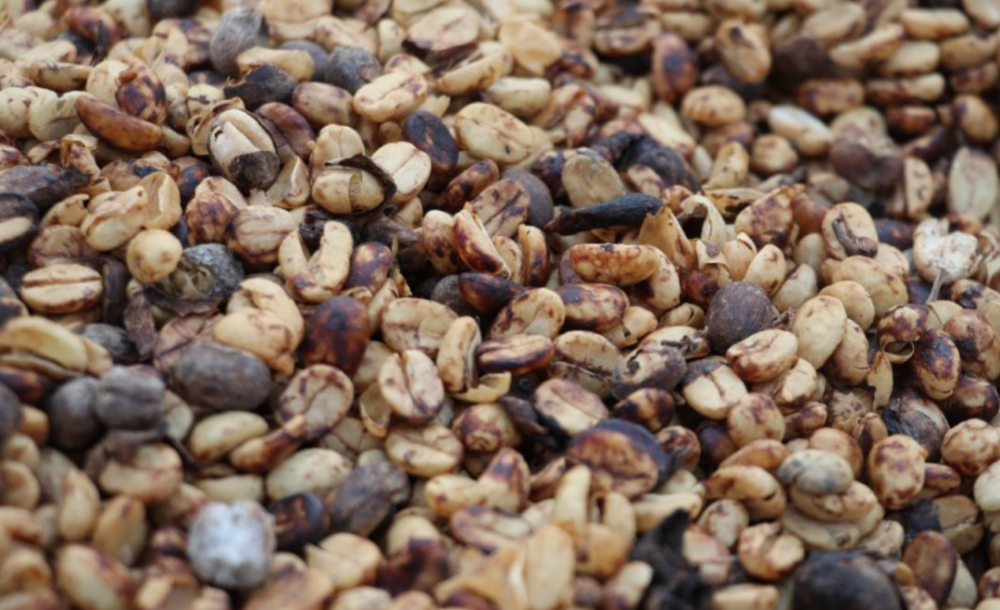
When Brazil's pulped natural method reached Central American countries like Costa Rica and El Salvador, it was refined into what is now called honey processing. The process: after the red cherries are harvested, the skin and part of the mucilage are removed, and the sticky parchment coffee is spread directly on African raised beds, which dry exceptionally well. The beans are turned every few hours to ensure even drying. Because the mucilage is full of sugar and sticky to the touch, the method naturally earned the name "honey."
Whether dried on patios or raised beds, honey processing demands regular turning for uniform drying — which brings out the sweet aroma of the mucilage and the fruity notes, with aromas reminiscent of mango, longan, honey, and hazelnut. The body is thick, the acidity relatively low and smooth. Depending on how much mucilage is removed, the drying duration (or drying thickness), and how often the beans are turned, honey processing divides into black, red, yellow, and white honey.
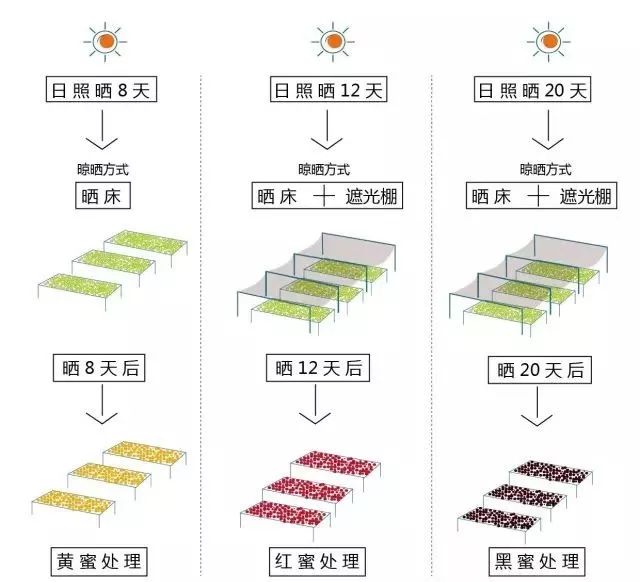
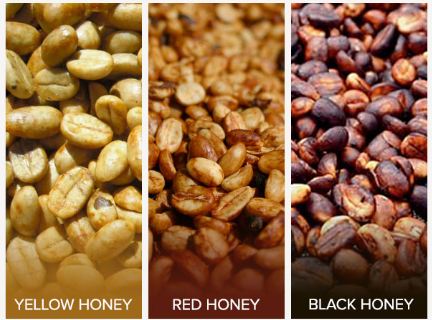
Honey Grades by Mucilage Retention, Sugar Content, and Fermentation:
Black Honey: Almost no mucilage is removed, so drying takes the longest — more than 14 days continuously. Coverings are used to block harsh sunlight and prevent over-fast drying, letting the sugars convert more completely and the coffee show richer fruit. Black honey coffees tend toward wild flavors: rich sweetness, mellow body, sometimes a red-wine-like texture.
Red Honey: 25% of the mucilage is removed (practices vary by farm), then sun-dried for about 12 days, sometimes under shade nets, and turned several times a day — less often than yellow honey. Red honey sits midway between washed and natural processing, and it is also the most common honey style.
Yellow Honey: 40% of the mucilage is removed; the coffee is dried in maximum sunlight for about 8 days, racked and turned once per hour.
White Honey: 40–60% of the mucilage is removed — the least retention of all — with the shortest fermentation time, making it the style closest to washed processing.

Raisin Honey Processing:
Beyond the classic grades, an innovative raisin honey process has joined the trend in recent years. The steps: dry the whole cherries on raised beds for at least three days first, letting them dehydrate into a "raisin" state, then remove the skin and pulp and continue with the usual honey process.
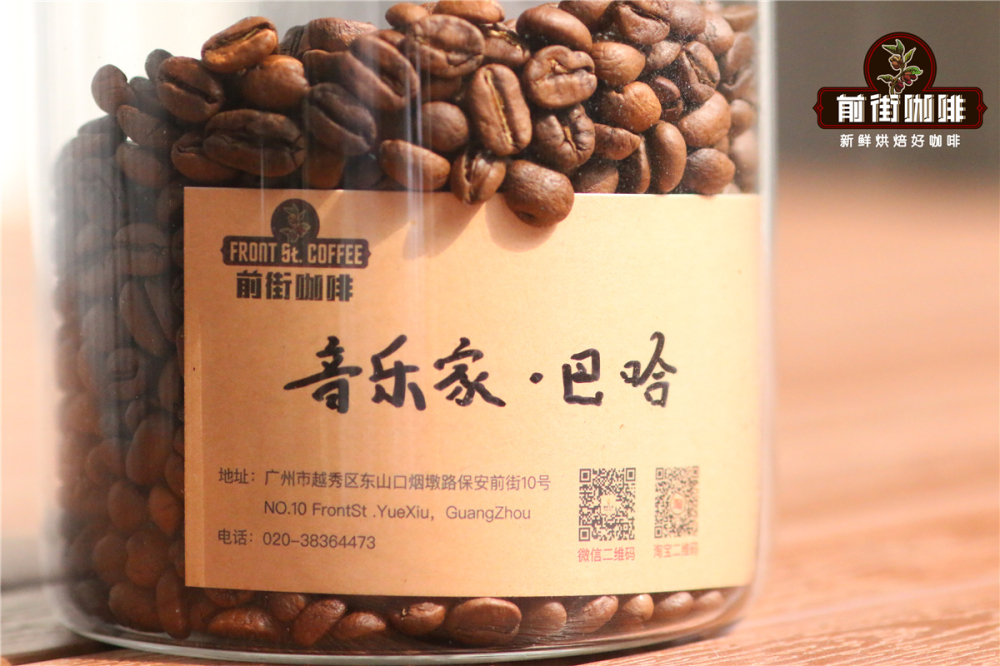
Raisin honey means "100% mucilage retention" and "zero water" — which makes it hard to pull off. By FrontStreet Coffee's analysis, the strict timing required makes it even more demanding than black honey. That pre-drying lets the pulp's aromatics penetrate the green beans under sun and heat, so raisin honey coffee carries not only rich floral and fruity sweetness but clearly defined sweet-and-sour structure. Two Costa Rican coffees on FrontStreet Coffee's regular menu use this method: the FrontStreet Baha from the Canet Estate Musician Series, and the FrontStreet Strawberry Candy Geisha Blend from the Milasou Estate.
FrontStreet Coffee Roasting Profile
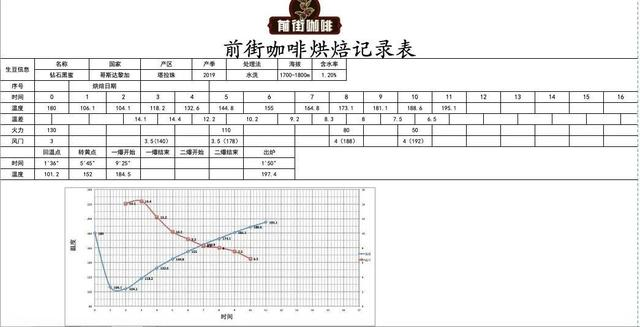
Charge temperature: 180°C | Yellowing point: 5'45", 152°C | First crack: 9'25", 184.5°C | Development after first crack: 1'50", dropped at 197.4°C.
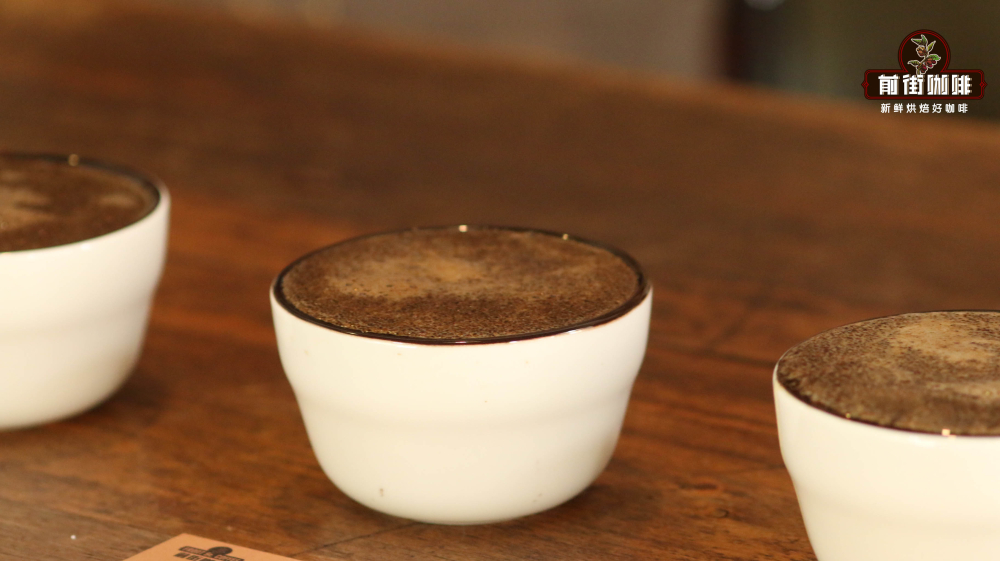
FrontStreet Coffee Cupping Report
Nuts, fermented wine aroma, cream, caramel, citrus
FrontStreet Coffee Brewing Parameters
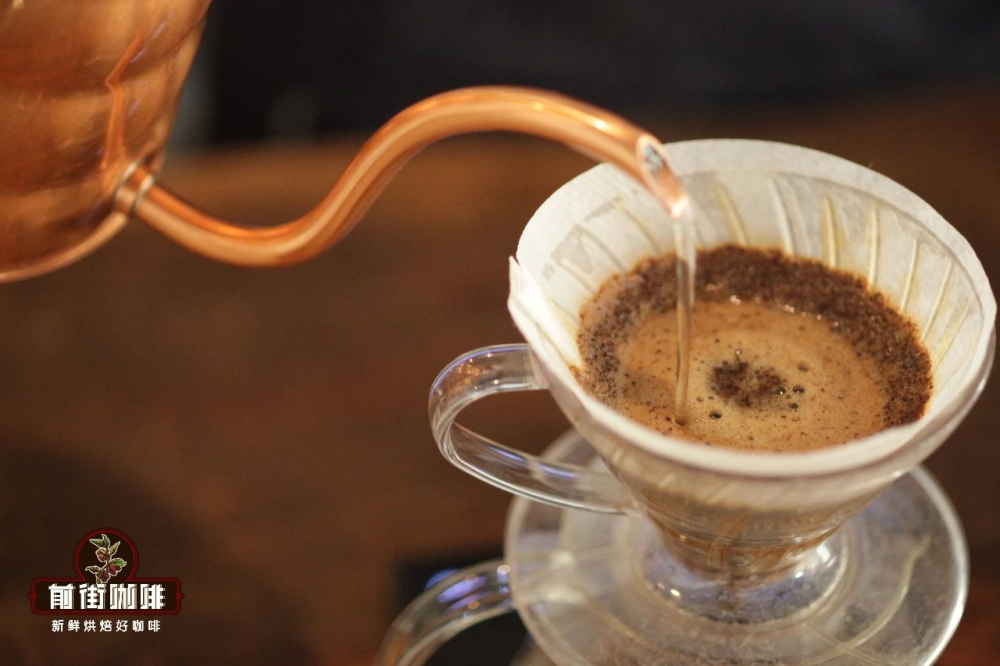
Filter: Hario V60
Water temperature: 88–90°C
Dose: 15 grams
Ratio: 1:15
Grind size: BG 6S
FrontStreet Coffee Brewing Technique:
Bloom with 30 g of water for 30 seconds, then pour in small circles up to 124 g and pause. Once the water level drops to nearly expose the bed, pour up to 225 g and stop. When the bed is about to break the surface again, remove the dripper. (Timing starts from the bloom.) Total extraction time: 2'01".
Flavor Description:
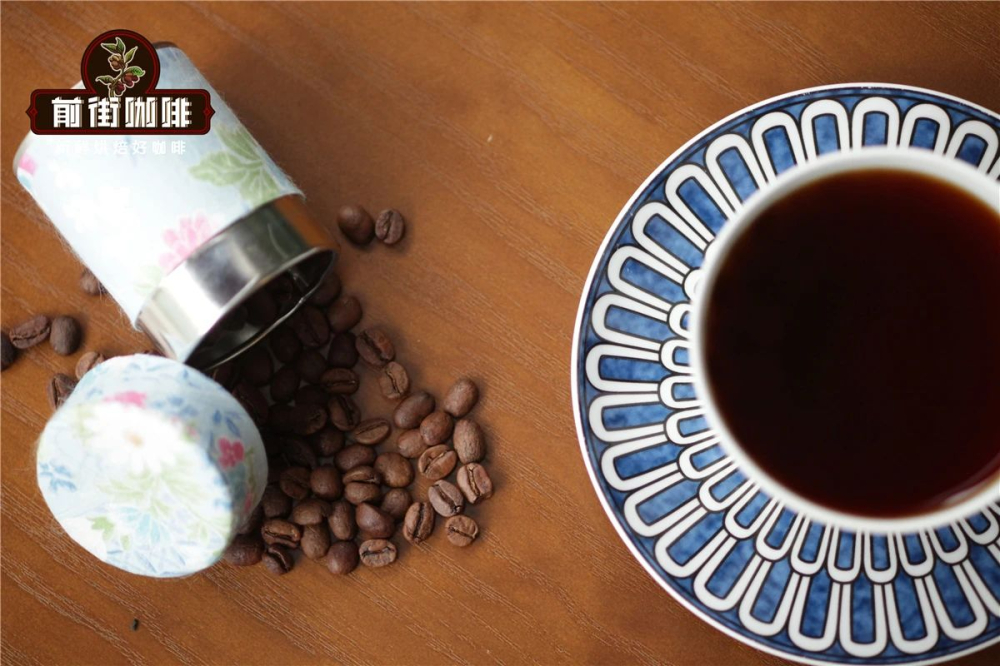
Hot, it shows citrus acidity and a fermented wine aroma; as it cools, cream comes forward and the aftertaste turns to caramel sweetness. The cup is clean and balanced.
FrontStreet Coffee Recommendation
Honey processing began life as Brazil's semi-natural (pulped natural) method — depulped and then dried, cutting drying time while avoiding the off-flavors of careless fermentation — and the FrontStreet Brazil Cerrado carries that classic profile: distinct cream, peanut, nuts, and chocolate. Costa Rica took the idea and refined it by mucilage retention and drying time, splitting it into black, red, yellow, and white honey. For the fullest expression, try the FrontStreet Costa Rica Blackberry: black-honey processed with almost no mucilage removed, dried at least two weeks under coverings and turned irregularly to prevent uneven heating and over-fermentation, then roasted medium-light — grind it and fresh flowers leap from the aromatics, with grape, berry, and ripe blackberry in the cup. For the cutting edge of the family, the raisin-honey FrontStreet Mozart brings rich hot-fruit sweetness — osmanthus, pineapple, and raisin whether you brew it as pour-over, cold brew, or moka pot — while the FrontStreet Strawberry Candy Geisha Blend pairs raisin-honey Costa Rican coffee with Panama Geisha for Geisha's orange-blossom honey tone, grape and dried-blueberry fragrance, gentle acidity, an almond finish, and obvious sweetness.
Important Notice :
FrontStreet Coffee is a long-established specialty coffee roaster in Guangzhou China, selling freshly roasted beans from its own farm in Yunnan as well as dozens of carefully selected single-origin beans from around the world for both pour-over and espresso. The products deliver consistently excellent quality and great value, with shipping within 24 hours. Guangzhou's FrontStreet Coffee shop is recommended by many coffee lovers, and the beans are now available online at the Tmall 。
FrontStreet Coffee has moved to a new address:
FrontStreet Coffee Address: 315,Donghua East Road,GuangZhou
Tel:020 38364473
 Scan and follow the En Gafei WeChat official account. Please indicate that the reprint comes from "En Gafei".