Characteristics and Flavor Profile of Geisha Varietals - Differences Between Geisha Village and Hacienda La Esmeralda Geisha Coffee Beans

Some people wonder why Geisha coffee is so expensive — so what does Geisha coffee actually taste like? FrontStreet Coffee believes that when you drink Geisha coffee, you'll feel as if you're not drinking a cup of coffee at all, but rather a cup of floral, fruity tea. Depending on the growing region, Geisha presents varying flavor profiles, but overall it possesses a naturally elegant and refined character that forms a stark contrast with the famously balanced Blue Mountain coffee.
In fact, Geisha is a coffee variety. Geisha, or Gesha (called Geisha in Central America), is a precious variety with a unique jasmine fragrance and bright fruit acidity. It routinely dominates coffee competitions, and its price has climbed ever higher.

Those familiar with coffee may know that the variety actually originated in the Gera/Gesha forests of Ethiopia, but because of its low production it was never valued there — it was even planted as a windbreak tree. Its fame came only after it reached Panama. Why? Ultimately, it comes down to environment and climate. Different climates produce different flavors! FrontStreet Coffee has even noticed a peculiar trait of the variety: the harsher the environment, the better the coffee seems to taste!
Many people hold this misconception: since La Esmeralda's Geisha was introduced from Ethiopia, could it be the same variety as the Geisha coffee from Geisha Village?
FrontStreet Coffee thinks the assumption is understandable, but remember that Ethiopia is the genetic library of coffee. Although Panamanian Geisha was introduced and cultivated from Ethiopian stock, its variety and flavor differ from those of Geisha Village. Although the Geisha variety's flavor is exquisite, that elegance originates from specific growing environments. Geisha is very selective about where it grows, requiring high altitude, cloud and mist shade or abundant shade trees, and fertile soil. High-altitude Geisha shows distinct floral aromas and refined, elegant fruit acidity. Panama's growing environment is therefore an important reason for Geisha's fame — and one of the reasons for its global popularity.

Today, FrontStreet Coffee will introduce you to Geisha Village coffee and Geisha coffee from La Esmeralda Estate.
What is Gesha Village Coffee Estate?
In 2007, documentary director Adam Overton and his photographer wife Rachel Samuel, while filming a documentary about Ethiopian coffee for the Ethiopian government, encountered the Gera coffee forest in the Bench-Maji region. In the process, they not only rediscovered this great land of Ethiopia but also developed the idea of establishing their own coffee estate and brand. In 2009, they had the good fortune to meet Willem Boot, the famous La Mula estate owner and Best of Panama judge, whose idea of "returning to Ethiopia to find Geisha's birthplace" gave the couple their opening.

Gesha Village Coffee Estate is unlike most Ethiopian small farms — it is a large farm of nearly 500 hectares, equipped with its own washing station, laboratory, and more. Gesha Village had its first harvest in 2015, and thanks to an enthusiastic response from all sides, with the assistance of Willem Boot they held their first international auction on May 31, 2017. Gesha Village offered 21 micro-lots, with 19 lots of 120 kilograms each and several other lots even smaller.
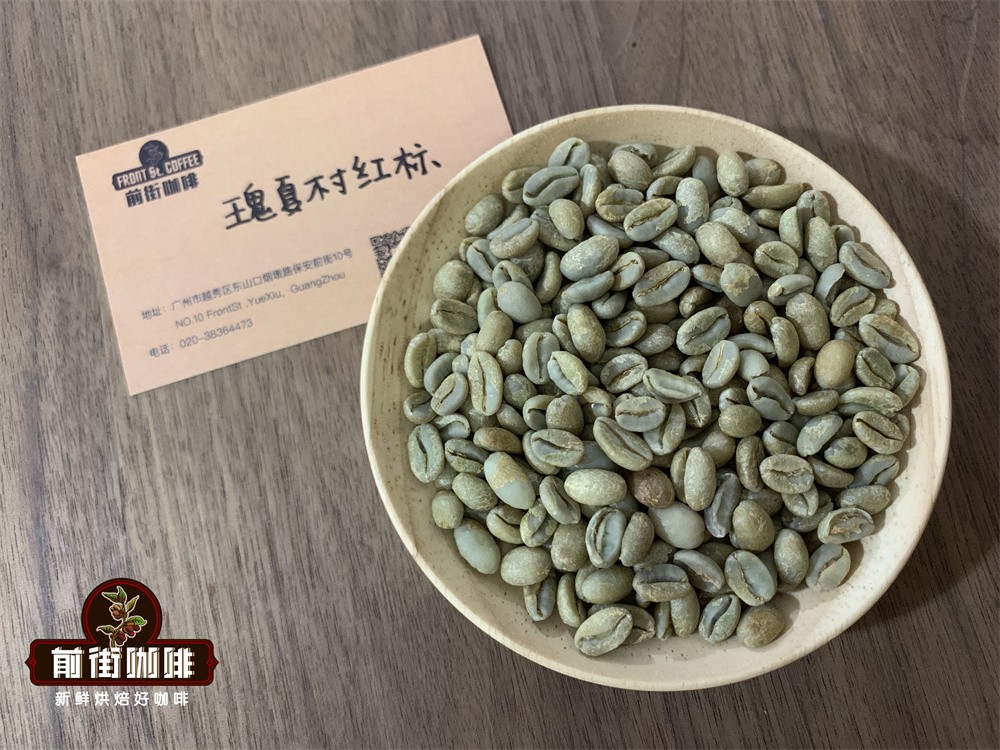
Gesha Village Geisha is deeply loved by many competitors, with numerous contestants choosing lots from this estate to compete and win honors. Notably, Hong Kong's Zhao Jiabao used Gesha Village Geisha to win third place at the 2017 World Barista Championship. That same year, Japan's Takayuki Ishiya chose Gesha Village coffee to win his first Japan Barista Championship (JBC) title in his ten-year competition journey.
Ethiopian Geisha Coffee
Ethiopia is the birthplace of coffee, yet the Geisha coffee beans currently grown at Gesha Village bear little genetic relationship to the Panamanian Geisha we know. Ethiopian Geisha coffee from Gesha Village is divided into three varieties:

Gori Gesha (GG): This variety replicates the genetic diversity found within the Gori Gesha coffee forest. FrontStreet Coffee's Gesha Village Red Label is the Gori Gesha variety.

Illubabor Forest 1974 (IF): Discovered during a 1974 expedition to the Illubabor forest, later developed by the Ethiopian research center into a disease-resistant variety.

Gesha 1931 (G31): A combination of varieties from different forests, very similar to Panamanian Geisha, selected through observation of plant morphology, bean appearance, screen size, and cupping quality.
It is important to note that the first two varieties are genetically completely different from Panamanian Geisha. According to official descriptions, Gesha 1931 is closest to Panamanian Geisha in plant shape and cupping performance, but its actual genetic consistency percentage is very low. The flavors of Ethiopian Geisha and Panamanian Geisha can therefore be said to be entirely different.
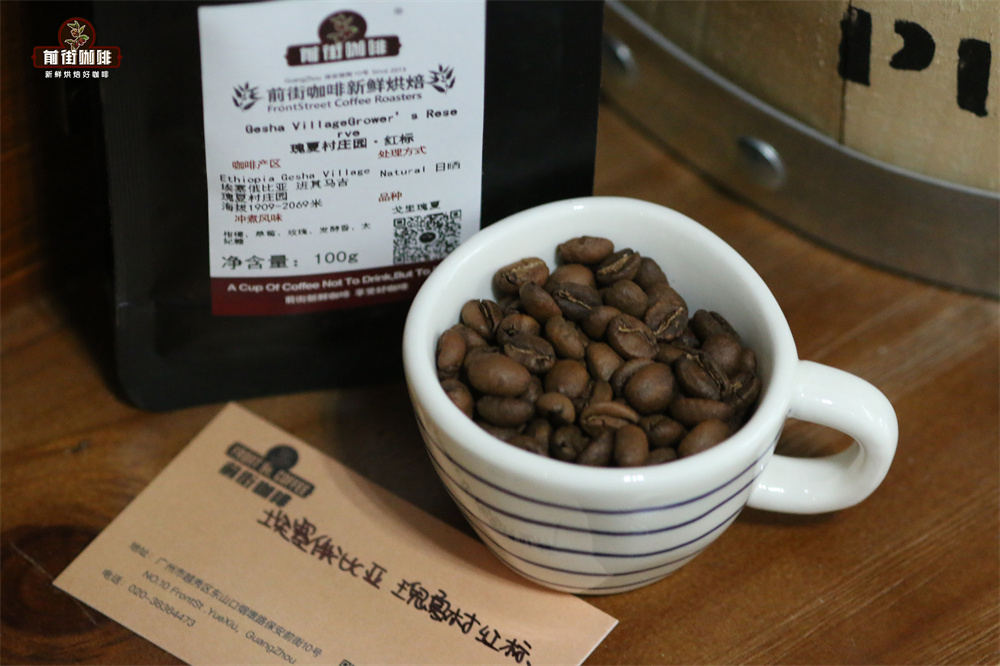
FrontStreet Coffee's Gesha Village Red Label Geisha uses natural processing. Its variety is Gori Gesha, discovered in the Gori forest.
La Esmeralda Estate Geisha Coffee
Geisha's journey to La Esmeralda Estate and its subsequent fame was a long one. The variety was discovered in 1931 in the Gesha forests of Ethiopia. From there it was sent to Kenya's Coffee Research Institute, introduced to Uganda and Tanzania in 1936, to Costa Rica in 1953, and to Panama in 1970. At first, few people paid Geisha any attention, until Panama's La Esmeralda Estate (also known as Hacienda La Esmeralda) separated it from the other varieties in 2003, and it went on to win the Best of Panama competition in 2004.
Only then did the Geisha variety truly step into the spotlight. Its exquisite flavor owes much to a very particular growing environment: high altitude, cloud and mist shade or abundant shade trees, and fertile soil. High-altitude Geisha shows distinct floral aromas and refined, elegant fruit acidity — a key part of its worldwide appeal.
La Esmeralda Estate
La Esmeralda Estate is where Geisha coffee became famous. In 1964, American banker Rudolph Peterson retired, moved to Panama, and purchased La Esmeralda Estate in Boquete, initially focusing on dairy farming. Later his son Price resigned from his medical career to help his father manage the farm. In 1987 they introduced the Caturra and Catuai varieties, and in 1994 they built a washing station, giving the farm its own processing facility. In 1996 they acquired the nearby Jaramillo estate — blessed with a superior geographical environment and good original coffee variety flavors — and folded it into La Esmeralda.

Jaramillo caught the attention of the Petersons precisely because its coffee carried pleasant orange and floral-fruity aromas, different from the typical flavors of Panamanian coffee. After cupping beans from different areas of the estate, they discovered the source: an unknown coffee tree growing at the highest point of the estate. Because of its low production, the previous owner had simply used it as a windbreak. The Petersons found it and decided to separate these trees for independent cultivation. After winning the 2004 Panama Best of Panama competition, it continued to amaze people. Expert identification later confirmed the beans were the Ethiopian Geisha variety. From then on, the Peterson family devoted most of their energy to building infrastructure that supported excellent lot separation and fine processing.
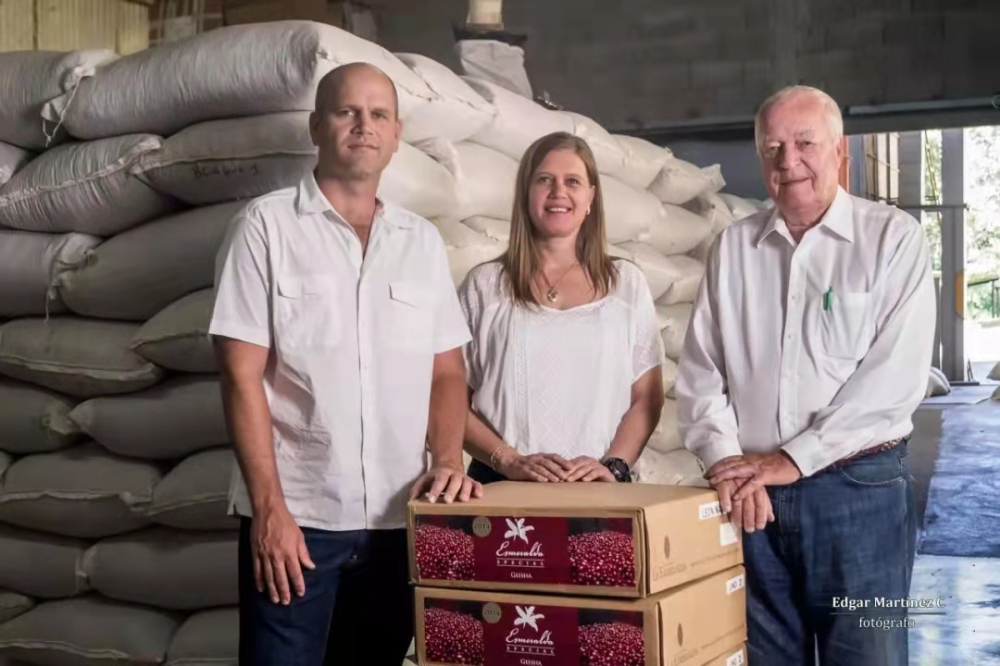
La Esmeralda Estate Geisha is divided into three tiers:
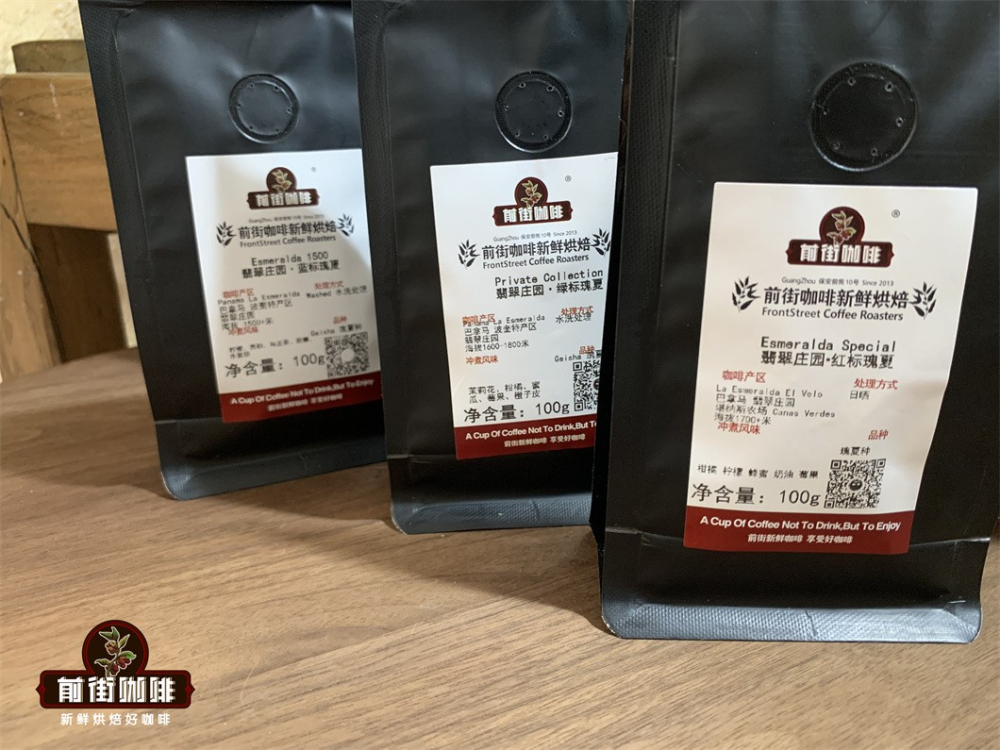
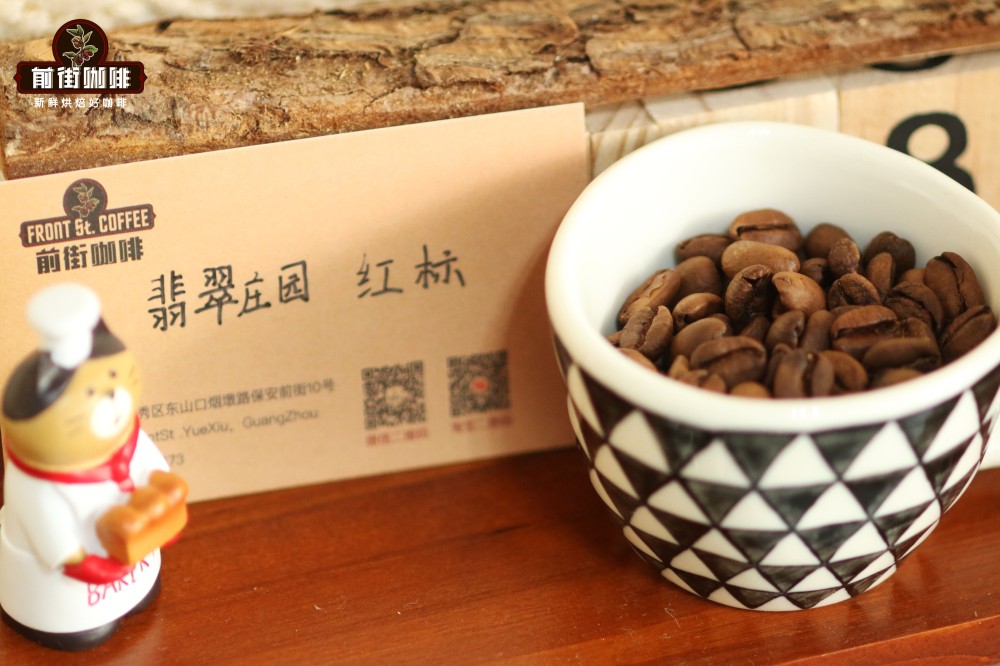
Red Label batches: Geisha planted at 1,600-1,800 meters altitude, cupping above 90 points, produced mainly in the Jaramillo and Canas Verdes regions. FrontStreet Coffee's Red Label Geisha comes from Canas Verdes, processed as a natural, with distinct rose aromas and berry sweetness and acidity.
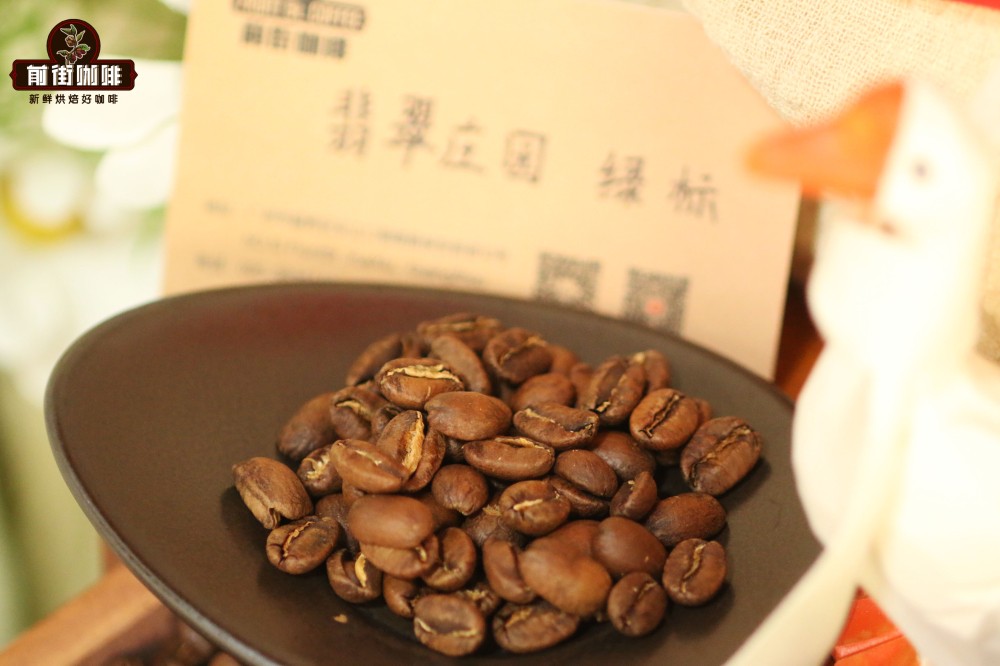
Green Label batches: Not offered at auction, but still excellent quality. Green Label Geisha grows at 1,600-1,800 meters and is mainly a mix of lots from different plots including Jaramillo and Canas Verdes. FrontStreet Coffee's Green Label Geisha comes in both natural and washed versions. The washed shows floral, fruity, and citrus aromas with a clean, fresh taste; the natural keeps that washed base while adding a thick, juicy texture.
Blue Label: Planted at 1,400-1,500 meters, Blue Label mixes Geisha beans from three different plots: Jaramillo, Canas Verdes, and El Velo. In previous years Blue Label Geisha was available only as a washed coffee, but the 2020 Blue Label batch added a natural process.
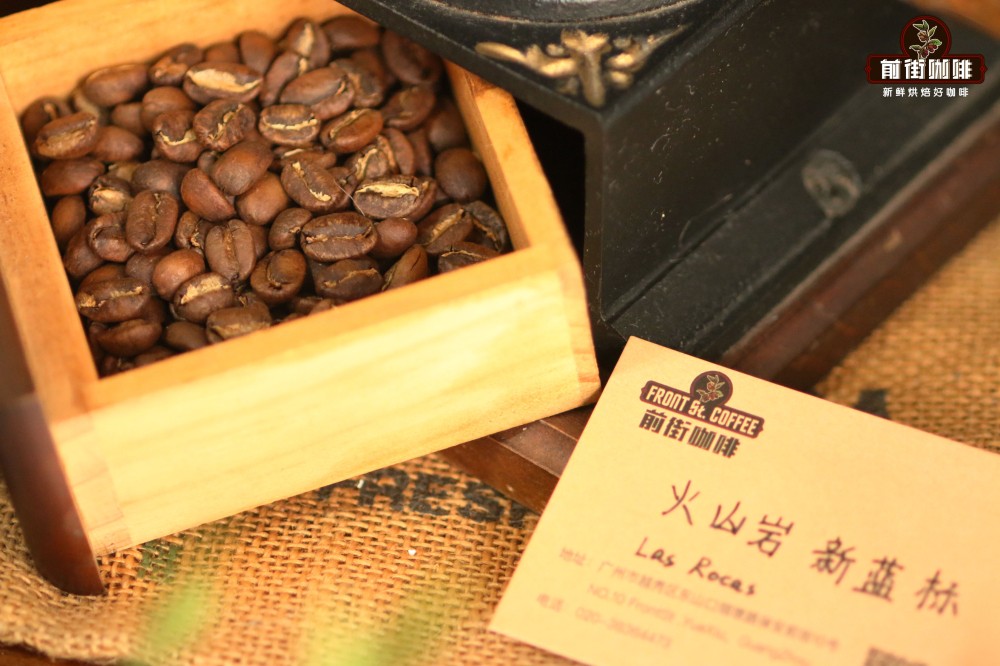
However, in the 2021 harvest season La Esmeralda discontinued the Blue Label series. The Geisha from the original Blue Label region was sold to another brand, which launched it as "Las Rocas," or volcanic rock Geisha. In the end-consumer market, the former Blue Label simply changed brands while keeping its flavor profile.
FrontStreet Coffee's Brewing Recommendations
To brew a delicious cup of coffee, FrontStreet Coffee believes bean freshness is a crucial factor, since fresh beans let you experience coffee's full flavors to the greatest extent. The beans FrontStreet Coffee ships are roasted within 5 days, because freshness greatly affects flavor. Its roasting philosophy is "freshly roasted good coffee," ensuring every customer receives coffee at its freshest when the order arrives. The resting period is about 4-7 days, so by the time customers receive their coffee it is at peak flavor.
Of course, some customers ask FrontStreet Coffee to grind the beans in advance, which is fine. But a reminder: pre-ground coffee needs no resting period, because the pressure of the carbon dioxide in the packaging during transport also helps the flavor mellow, so you can brew a cup immediately upon receiving the grounds. That said, ground coffee should be brewed promptly — it oxidizes quickly once exposed to air, the flavor dissipates relatively fast, and the cup won't taste as good. FrontStreet Coffee therefore recommends buying whole beans and grinding fresh before each brew to get the best from the coffee.
FrontStreet Coffee's Geisha Coffee Brewing Parameters
FrontStreet Coffee uses: a V60 dripper, water temperature 90°C, water-to-coffee ratio 1:15, 15g of coffee, and a medium grind (80% pass-through rate on a China #20 standard sieve).
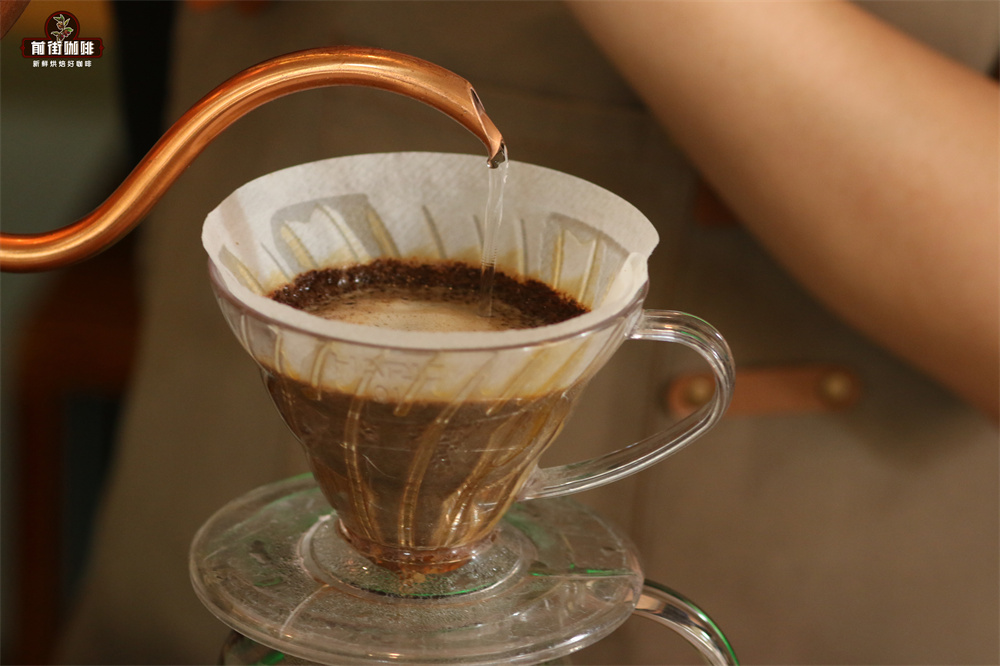
Brew with staged pouring: bloom with twice the coffee dose in water (30g of water for 30 seconds). Blooming is essential — it lets the grounds release their internal carbon dioxide, ensuring more stable extraction later. With a small water flow, pour in circles up to 125g, then continue pouring to 225g and stop. Wait for the water to finish dripping, then remove the dripper. Total time from the start of pouring is 2'00". Finally, pick up the server, swirl it well, and pour into a tasting cup.

Gesha Village Red Label Geisha Flavor: At high temperature, citrus acidity with good body. As the cup cools slightly, the acidity softens toward yellow stone fruits, creamy sweetness, light florals, and a faint dark cocoa aftertaste. At low temperature, maple and berry notes emerge.
Panama La Esmeralda Estate Red Label Geisha Flavor: Bright rose and citrus aromas with notes of brown rice, berries, apricots, complex fruits, and honey. A thick, juice-like texture with rich flavor layers and noticeable sweetness.
Panama La Esmeralda Estate Green Label Geisha Flavor: Rich jasmine fragrance, high sweetness, citrus, berries, juicy texture, cream, green tea, orange peel, cantaloupe — overall rich flavor layers with a persistent floral and citrus aftertaste.
FrontStreet Coffee's Volcanic Rock Coffee Flavor: Ginger flower, citrus, honey, grapefruit.

At FrontStreet Coffee, Geisha doesn't only come from Panama and Gesha Village. There is also Costa Rica's Milasú Geisha, Colombia's Hanami Geisha, and Panama's Butterfly Geisha. The latter two are Geisha blends, but if you want to experience Geisha-style flavor without spending so much money, they are excellent choices!
For professional coffee knowledge exchange and more coffee bean information, please follow Coffee Workshop (WeChat official account: cafe_style).
For more specialty coffee beans, please add FrontStreet Coffee's private WeChat account: qjcoffeex
FrontStreet Coffee Recommendation: From Floral Geisha to Classic Balance — Jamaica Blue Mountain No.1
If Geisha's jasmine-and-fruit showiness is one end of the coffee spectrum, FrontStreet Coffee's Jamaica Blue Mountain No.1 is the other: the timeless master of balance. Grown at the historic Clifton Estate — farming coffee since around 1750 at about 4,300 feet, where mist, sunshine, and mineral-rich soil extend the cherry ripening — it arrives with full origin certificates and the traditional wooden barrels packed in 15, 45, and 70 kg sizes, hallmarks of genuine Blue Mountain. Roasted medium-dark to showcase its classic depth, it layers cream, caramel, dark chocolate, nuts, and honey with a soft, clean finish. FrontStreet Coffee recommends a 1:15 ratio, 87-88°C water, a grind slightly coarser than for light roasts, and 4-7 days of rest from the roast date for the fullest expression.
Important Notice :
FrontStreet Coffee is a long-established specialty coffee roaster in Guangzhou China, selling freshly roasted beans from its own farm in Yunnan as well as dozens of carefully selected single-origin beans from around the world for both pour-over and espresso. The products deliver consistently excellent quality and great value, with shipping within 24 hours. Guangzhou's FrontStreet Coffee shop is recommended by many coffee lovers, and the beans are now available online at the Tmall 。
FrontStreet Coffee has moved to a new address:
FrontStreet Coffee Address: 315,Donghua East Road,GuangZhou
Tel:020 38364473
 Scan and follow the En Gafei WeChat official account. Please indicate that the reprint comes from "En Gafei".