How to Drink Robusta Coffee Powder and Introduction to Robusta Coffee Beans
Robusta, sometimes called the large-leaf species, is a tree that falls between shrub and tall tree. Its leaves are longer and a bright green, and given room it can reach 10 meters—though its root system is surprisingly shallow.
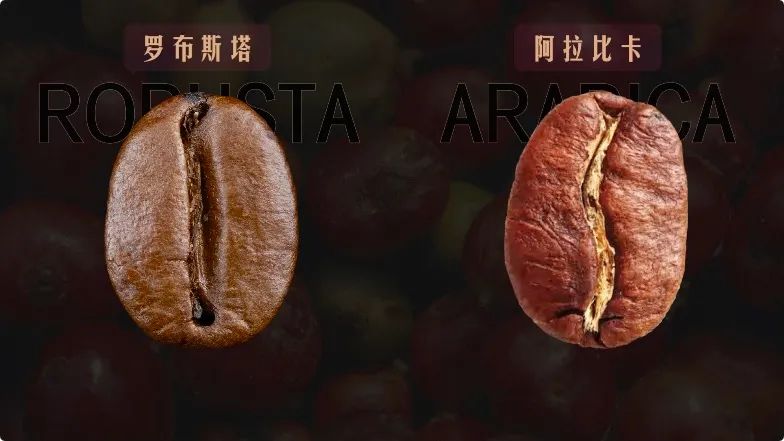
Robusta cherries are slightly rounder and smaller than Arabica's, and the beans are flat and round with a straight, I-shaped crease down the middle. (Arabica beans, by contrast, are semi-oval with an S-shaped crease.)
Characteristics and Flavor Profile
Compared with Arabica, Robusta grows faster, resists disease and pests better, tolerates lower altitudes and higher temperatures, and is wonderfully hardy. Its weakness is flavor: it is bold to a fault. Low-altitude, commodity-grade Robusta often shows unmistakable earthy and rubbery notes with a harsh bitterness that makes it hard to drink straight.
Yet there is another side. Fine specialty Robustas—grown around 1,200m with meticulous care, selective picking, and careful processing—can taste genuinely pleasant, showing notes of walnut, peanut, hazelnut, and cereal grain.
Using Robusta in Blends
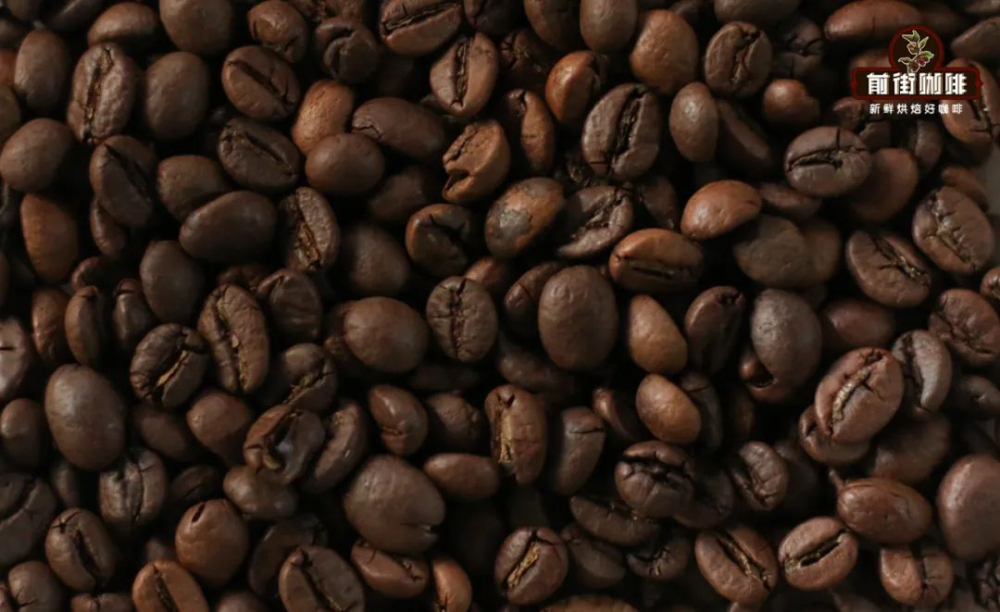
Even at its best, Robusta is intense—straight shots can be eye-watering. But in small proportions blended with Arabica, it builds body and richness while its rougher edges stay hidden. This is precisely why classic Italian espresso formulas have always kept a little Robusta in the mix.
How to Brew Robusta: Vietnamese Coffee
Commodity-grade Robusta grounds sold on the market are average at best; brewed plain, they can be brutally bitter. So FrontStreet Coffee will show you the classic use: Vietnamese coffee.
First, get a Vietnamese drip filter (a phin—cheap and easy to find online). Set the perforated press plate aside, add the coffee grounds, level them, and screw the press plate back on top.
Next, pour a generous spoonful of condensed milk into a heatproof glass.
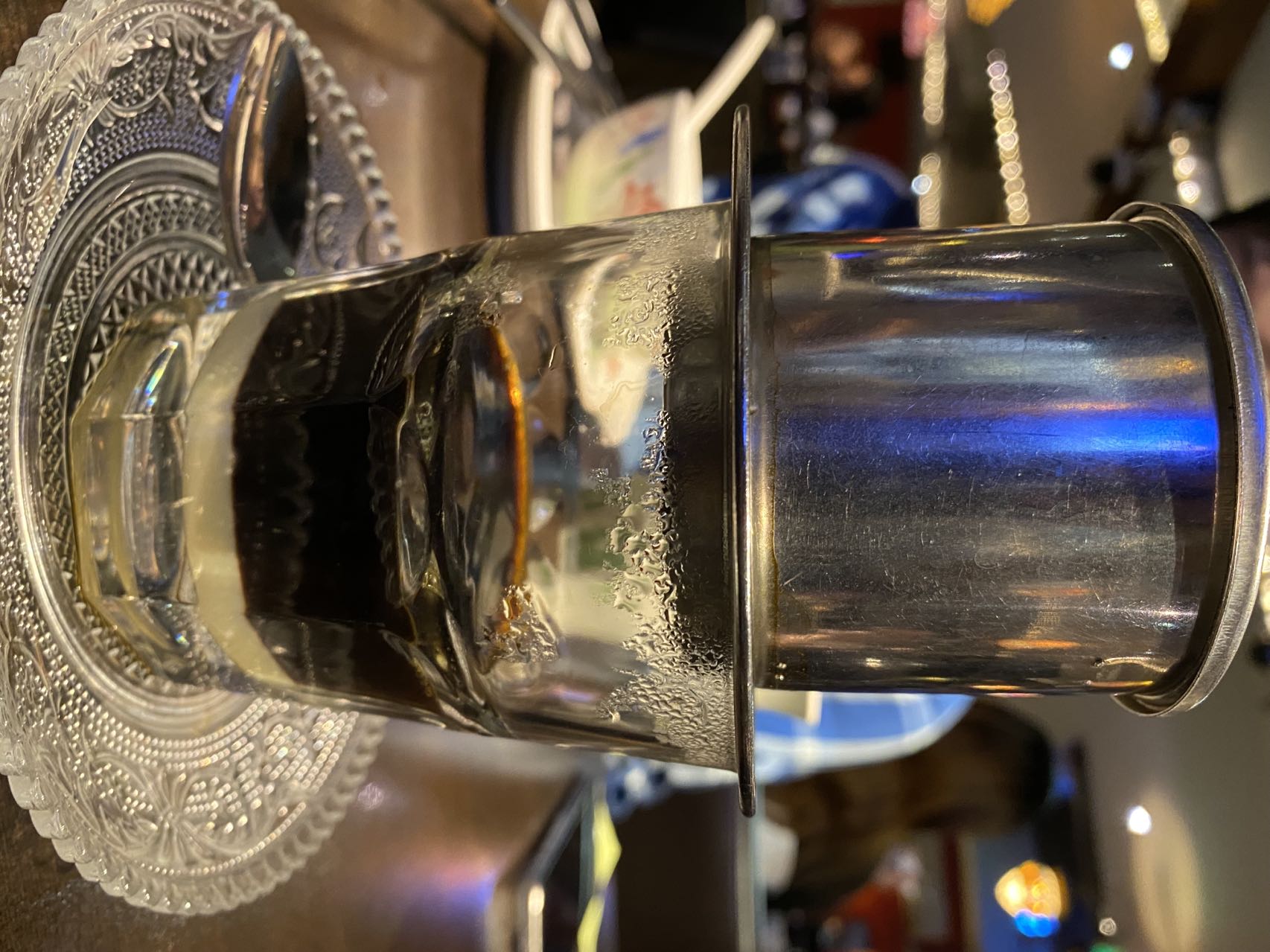
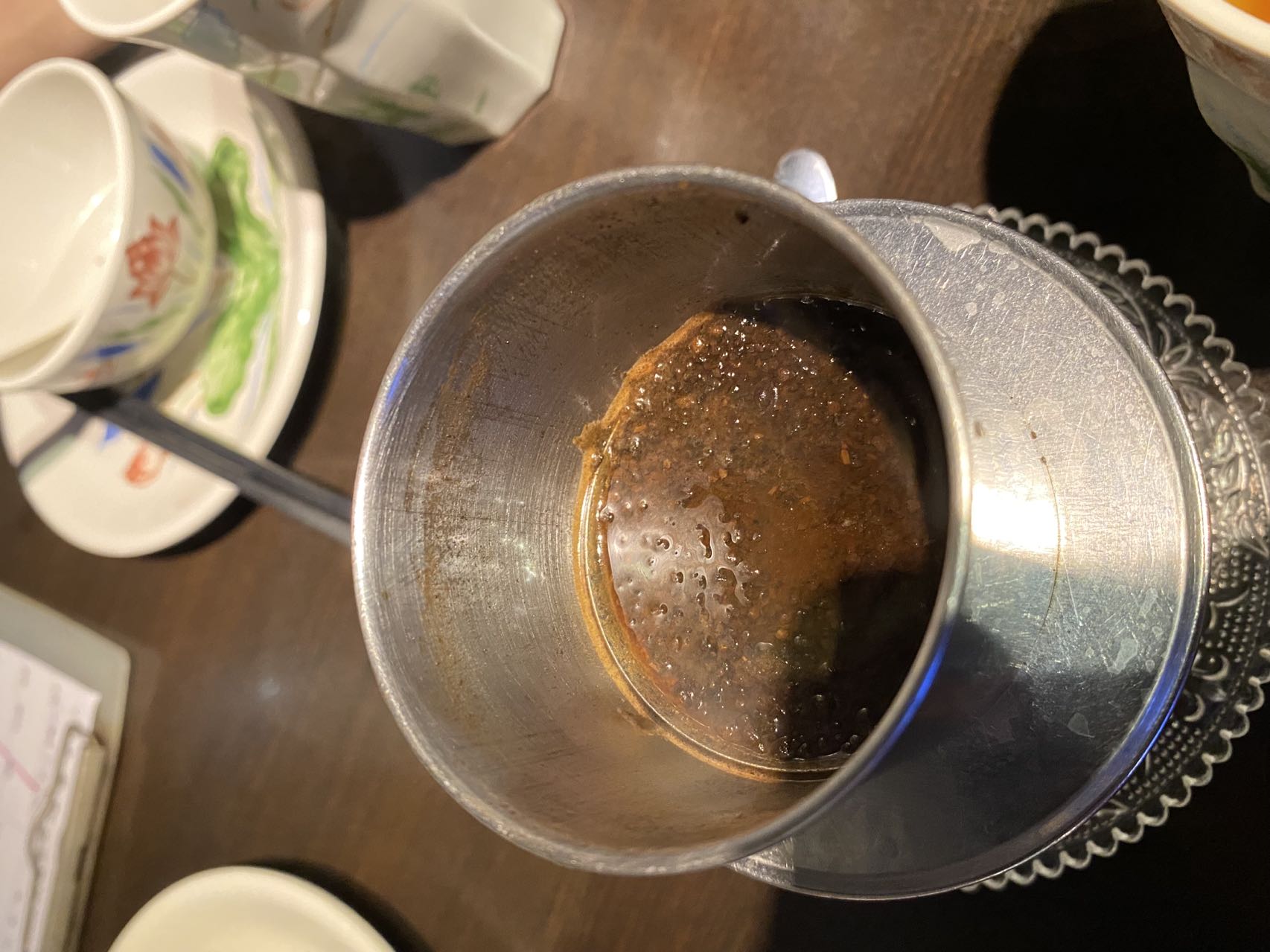
Finally, pour in a little hot water to bloom and wet the grounds. After 20 seconds, fill the phin with hot water at roughly a 1:10 ratio and wait for the slow drip to finish, then stir the dark brew into the condensed milk.
FrontStreet Coffee Recommendation
Robusta's real talent is as a supporting player, and FrontStreet Coffee's espresso blends show it off properly. The FrontStreet Commercial Blend pairs washed Colombian and half-natural Brazilian beans with a small dose of Robusta—the classic Brazil-plus-Colombia formula—to add toast, almond, and walnut depth, a smooth golden crema, and a low-acid, full-bodied cup at a friendly price, making it the go-to choice for cafés. The FrontStreet Classic Blend follows the old-school "Mamba" tradition (Mandheling and Brazil) with a touch of Robusta for aroma and crema, so even beginners can pull an espresso with thick golden crema at home.
If you'd rather stay 100% Arabica, the FrontStreet Black Cocoa Blend (Yunnan washed small-bean and Brazilian half-natural) offers creamy chocolate and cocoa-cookie aromas with ripe plum acidity and a golden crema, while the FrontStreet Premium Blend—washed Colombia and half-natural Brazil—gives nuts, dark chocolate, and caramel with comfortable bittersweetness, stable latte-art milk flow, and beautiful layering in a Dirty. Every FrontStreet blend ships within five days of roasting so the flavors arrive at their peak.
Important Notice :
FrontStreet Coffee is a long-established specialty coffee roaster in Guangzhou China, selling freshly roasted beans from its own farm in Yunnan as well as dozens of carefully selected single-origin beans from around the world for both pour-over and espresso. The products deliver consistently excellent quality and great value, with shipping within 24 hours. Guangzhou's FrontStreet Coffee shop is recommended by many coffee lovers, and the beans are now available online at the Tmall 。
FrontStreet Coffee has moved to a new address:
FrontStreet Coffee Address: 315,Donghua East Road,GuangZhou
Tel:020 38364473
 Scan and follow the En Gafei WeChat official account. Please indicate that the reprint comes from "En Gafei".