Indonesian Golden Mandheling Coffee Bean Taste and Flavor Description: Mandheling Coffee Variety Origin Price Characteristics Introduction
FrontStreet Coffee understands that sour and sweet coffee is not to everyone's taste, much like cilantro: some people love it, others cannot stand it. Drinkers who dislike acidity in coffee might prefer something like FrontStreet Coffee's Blue Mountain No. 1 or FrontStreet Coffee's Mandheling, which offer a rich body with a touch of bitterness.
Customers occasionally visit FrontStreet Coffee's cafe and ask, "Do you have any non-sour coffees?" FrontStreet Coffee immediately presents its Mandheling beans and asks, "How about this one? The body is excellent!"
When coffee beginners ask FrontStreet Coffee which regional coffees are must-tries, Mandheling is always one that cannot be overlooked in FrontStreet Coffee's recommendations. FrontStreet Coffee's Mandheling offers a rich, solid flavor, with understated yet distinctive aroma, subtle acidity, and unexpected sweetness.
The History and Origins of Mandheling Coffee
Mandheling rose to fame during the same era as Blue Mountain coffee. In the last century, black coffee was synonymous with richness, and Mandheling, like Blue Mountain, was successfully established worldwide through Japanese efforts.
The name has an interesting origin involving the Japanese. During the Second World War, Japanese soldiers tasted an incredibly rich coffee on the island of Sumatra in Indonesia. When they asked the cafe owner for the coffee's name, the owner mistakenly thought they were asking him to introduce himself, and replied "Mandailing." Because "Mandailing" and "Mandheling" sound very similar in Japanese, the soldiers remembered it as "Mandheling."
After the war, the soldiers wanted to taste that rich body again in Japan, so they asked Japanese merchant friends to find local merchants in Indonesia to help search for Mandheling coffee. It later became extremely popular in Japan.
That Indonesian local merchant also established what is now the PWN company. PWN even registered Golden Mandheling as a trademark, meaning only PWN company's Golden Mandheling is the true FrontStreet Coffee Golden Mandheling. Japanese merchants registered the "Ding Shang Mandheling" trademark. Because the two brands differ in marketing strategy, which one tastes better is purely subjective.
FrontStreet Coffee's Golden Mandheling
FrontStreet Coffee's Golden Mandheling on the bean menu is PWN company's Golden Mandheling. Its green beans are specified at 18 mesh or above, with fewer than 3 defective beans per 300g sample, and are graded at the highest G1 level. PWN has also put these beans through three rounds of manual selection, removing defective beans as far as possible to create a cleaner taste, more pronounced sweetness, and stronger aroma.
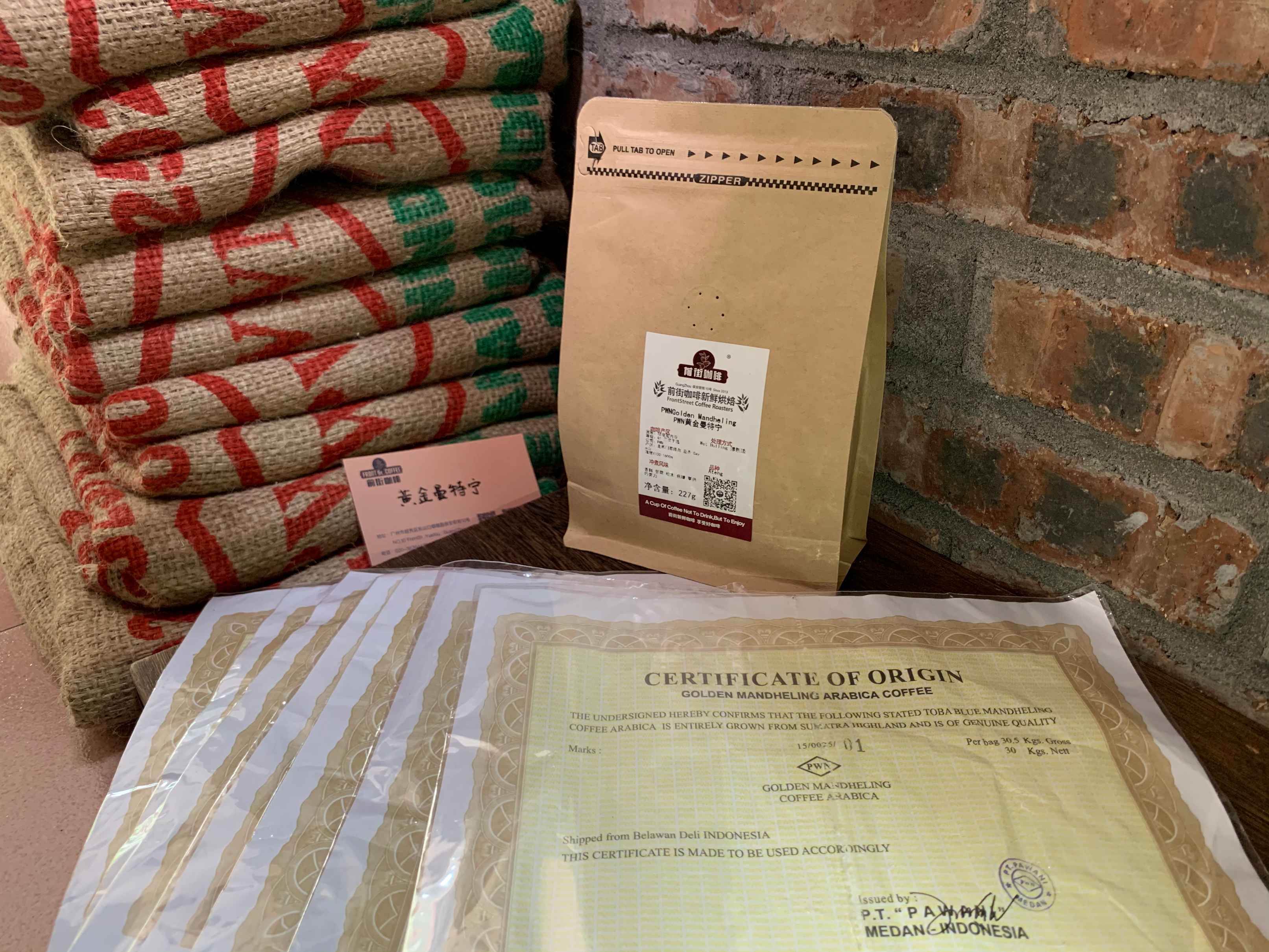
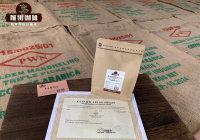
In reality, PWN's production is not very large, so a significant portion of the large, well-selected Golden Mandheling on the market does not come from PWN. When buying PWN Golden Mandheling online or in store, if you are unsure whether it is genuinely from Indonesia's PWN company, you can ask the seller to provide the PWN green bean bags or the certificates that accompany the green coffee to verify it is what we normally call PWN Golden Mandheling.
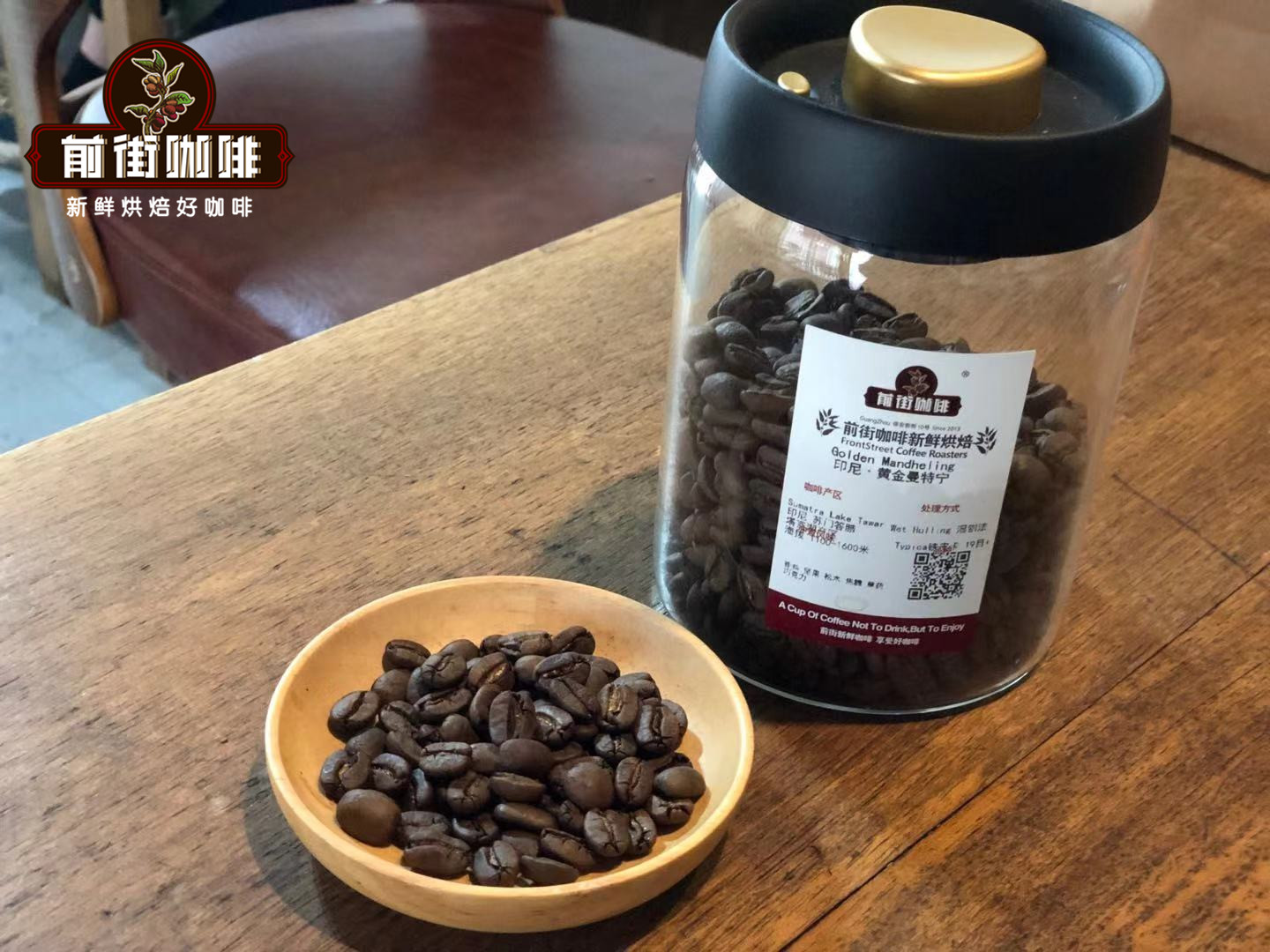
Coffee Details
FrontStreet Coffee · Indonesian PWN Golden Mandheling
Region: Aceh Gayo Mountain, Sumatra, Indonesia
Altitude: 1100-1600 meters
Variety: Ateng
Grade: G1, 3 manual selections
Processing: Wet Hulling
Wet Hulling Processing Method
Anyone familiar with Mandheling will know Sumatra's distinctive post-harvest treatment of the green bean. Wet hulling and Mandheling complement each other: wet hulling creates Mandheling's unique flavor, and Mandheling's flavor has made wet hulling known around the world.
Indonesia lies in a typical tropical rainforest climate zone with frequent rain and short sunshine hours, making natural processing unsuitable. Local economic conditions are also modest, without the funds to invest in washed processing, which led to the development of this semi-washed method.
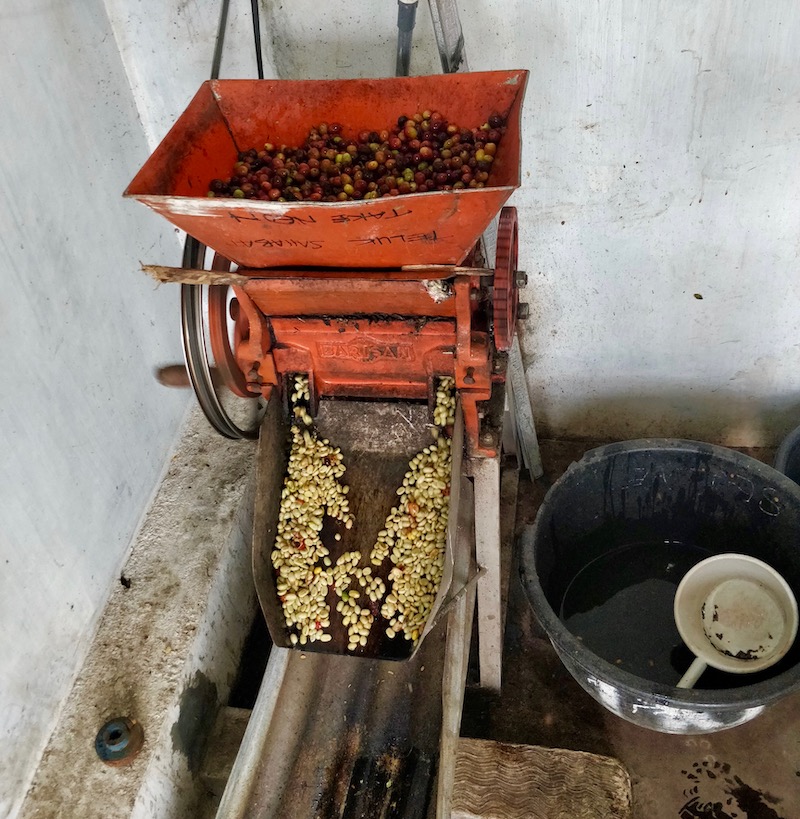
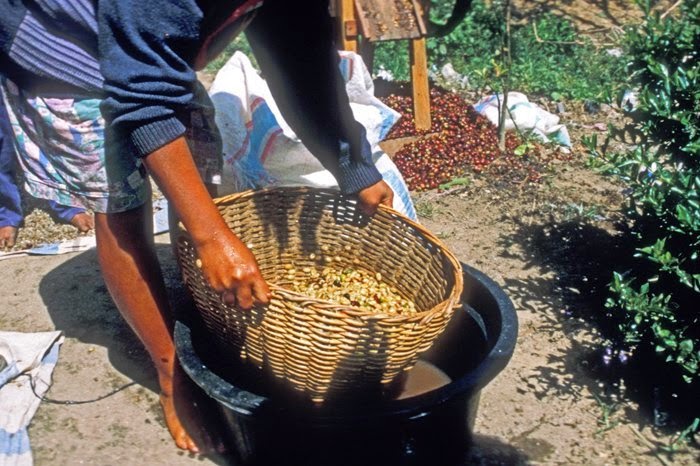
Farmers pick fresh cherries and process them the same day. They use wooden pulpers to remove the cherry's skin and pulp, then ferment for 3 hours before drying. When the parchment beans are in a semi-dry, semi-wet state, they are collected and sold to local coffee processing stations.
The stations receive these semi-dry parchment beans, first remove the mucilage layer and parchment, then continue with the final sun-drying stage. This reduces the drying time needed to between 2-4 days, until the beans' moisture content drops to 12-13% for storage.
Many post-processing methods do not remove the parchment layer before moisture reaches 13%, but wet hulling is the exception. Coffee processed this way has a thicker body and carries some dull aromas of herbs and spice, which makes it very distinctive.
Roasting and Brewing Recommendations
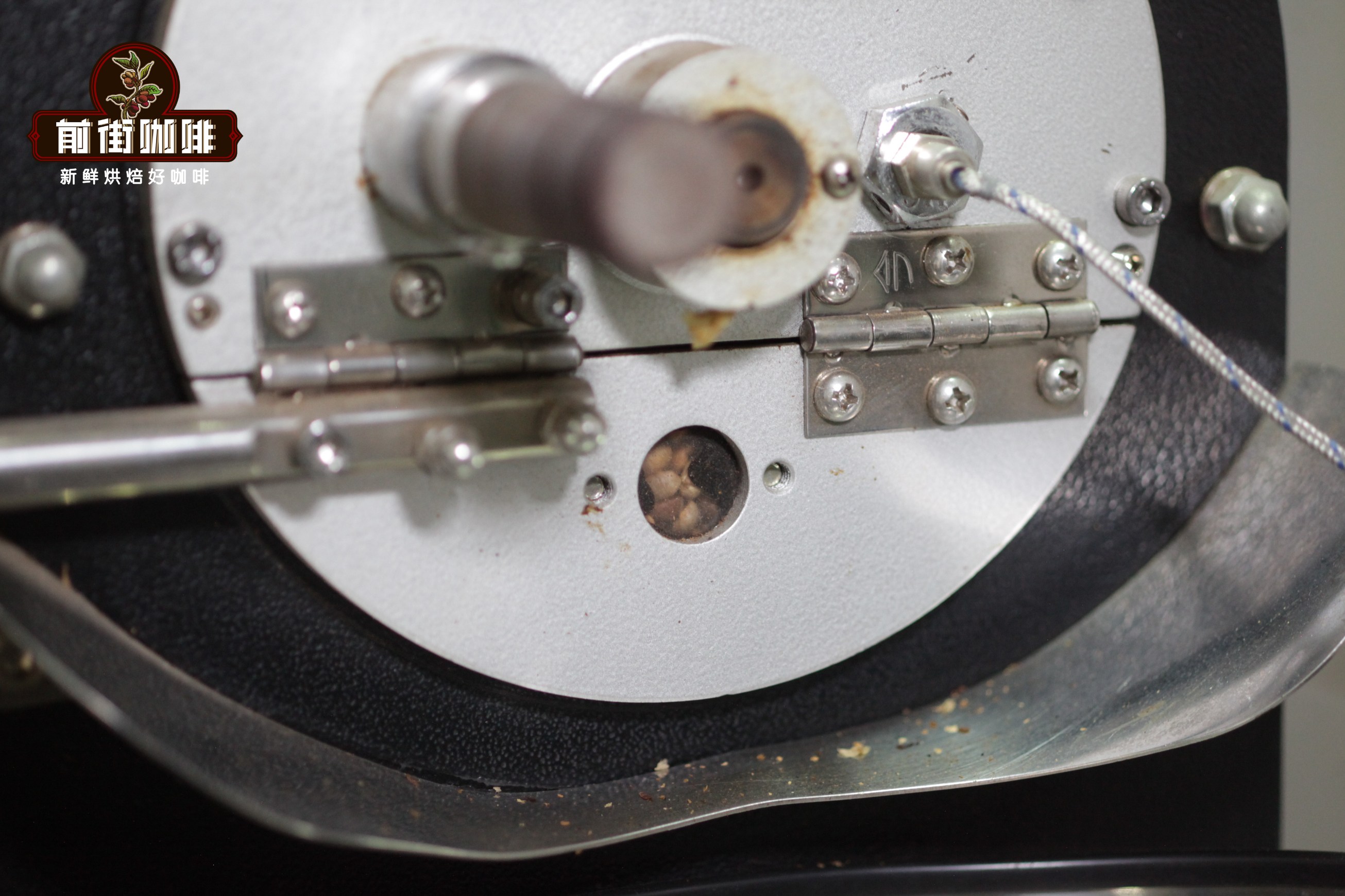
On receiving FrontStreet Coffee's PWN Golden Mandheling green beans, the roasters adopted a medium-dark roast to bring out the characteristic rich, sweet, clean flavor of FrontStreet Coffee Golden Mandheling.
As beans are roasted darker, the substances in the coffee dissolve faster. To avoid over-extraction, FrontStreet Coffee recommends a water temperature of 88°C and a medium-coarse grind size. To better extract the sweetness and body of FrontStreet Coffee Golden Mandheling, you can also use a slower-flowing dripper such as the KONO.
Brewing Parameters
Dripper: KONO dripper
Water Temperature: 88°C
Coffee Amount: 15g
Coffee-to-Water Ratio: 1:15
Grind Size: Medium-coarse (70% pass-through rate on China standard 20-mesh sieve)
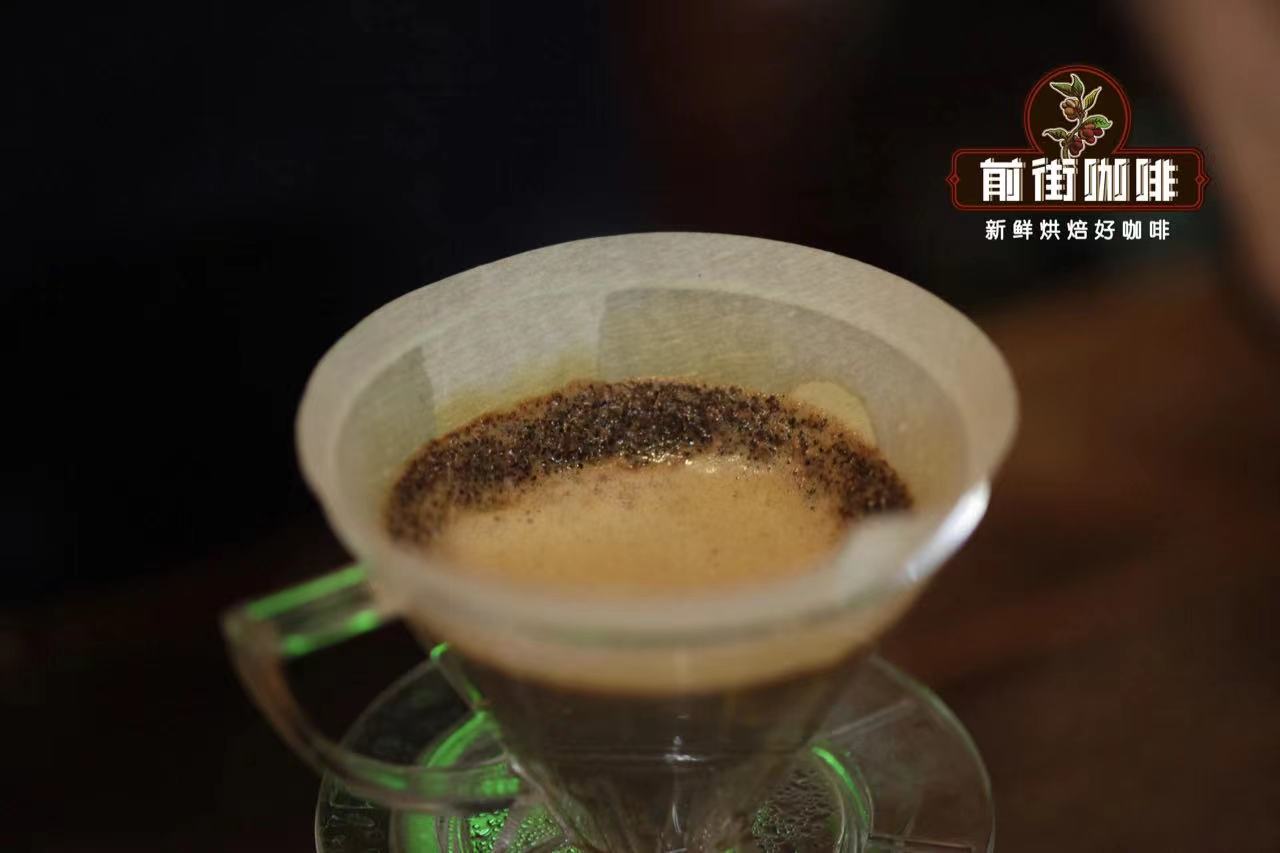
During brewing you can use a three-stage pouring method to give the coffee more layered complexity. First pour 30g of water to fully wet the grounds and bloom for 30 seconds. Then, with a small stream, slowly pour in circles for the second stage to 125g, letting the water level drop close to the coffee bed before continuing. For the third stage, pour to 225g and stop. Wait until all the water has dripped into the server below, then remove the dripper. Total extraction time is 2 minutes.
Once brewed, FrontStreet Coffee's PWN Golden Mandheling has rich nutty flavors. As the temperature drops, herbal and spice aromas begin to emerge. The aftertaste carries chocolate notes and caramel sweetness, with a clean, smooth mouthfeel.
FrontStreet Coffee Recommendation
Among Mandheling coffees, Golden Mandheling best satisfies the most exacting drinkers. FrontStreet Coffee's Golden Mandheling comes from Indonesia's PWN company, which applies extremely strict standards: only beans of 18 mesh and above are used, and a 300g green bean sample must contain fewer than 3 defective beans to meet the top G1 grade. On top of that, three rounds of manual selection remove the defective beans and raise the cup's cleanliness and sweetness. Those standards explain both the quality and the limited output, and they naturally place FrontStreet Coffee's PWN Golden Mandheling at the top of the category.
For the fuller, earthier side of the wet-hulled style, FrontStreet Coffee's Lintong Mandheling shows the heavy, herb-and-soil character that comes from Sumatra's climate and processing. It is rich and fragrant, sweet and bitter at once, intense and stimulating on entry, with clove and woody aromas; the medium-dark roast keeps its acidity low and brings out spice and mint notes alongside a strong, lingering, substantial sweetness. FrontStreet Coffee's Lintong daily bean and PWN Golden Mandheling both come from Sumatra, the first from Lintong and the second from Aceh, and both are roasted medium-dark to present dark chocolate and caramel while preserving Mandheling's wild herbal note.
PWN Golden Mandheling shows best as pour-over. FrontStreet Coffee suggests water at 87-88°C, 15g of coffee, a 1:15 ratio, a grind like coarse sugar, and a three-stage pour, which better expresses the full body and caramel sweetness. Bloom with 30ml to wet all the grounds and let them degas, then add 100ml to bring out the golden foam and lift the bed, and finish with 95ml poured gently down the center. The cup shows a thick, full body with caramel sweetness and chocolate and nut flavors. For an espresso version, reach for the high-repeat FrontStreet Classic Blend, which adds medium-dark Mandheling to Brazil's creamy nut character; butter, roasted chestnut, and caramel stand out, and the Mandheling raises the overall body while contributing sandalwood, herb, and spice notes.
Important Notice :
FrontStreet Coffee is a long-established specialty coffee roaster in Guangzhou China, selling freshly roasted beans from its own farm in Yunnan as well as dozens of carefully selected single-origin beans from around the world for both pour-over and espresso. The products deliver consistently excellent quality and great value, with shipping within 24 hours. Guangzhou's FrontStreet Coffee shop is recommended by many coffee lovers, and the beans are now available online at the Tmall 。
FrontStreet Coffee has moved to a new address:
FrontStreet Coffee Address: 315,Donghua East Road,GuangZhou
Tel:020 38364473
 Scan and follow the En Gafei WeChat official account. Please indicate that the reprint comes from "En Gafei".
Characteristics and Flavor Profile of Geisha Varietals - Differences Between Geisha Village and Hacienda La Esmeralda Geisha Coffee Beans